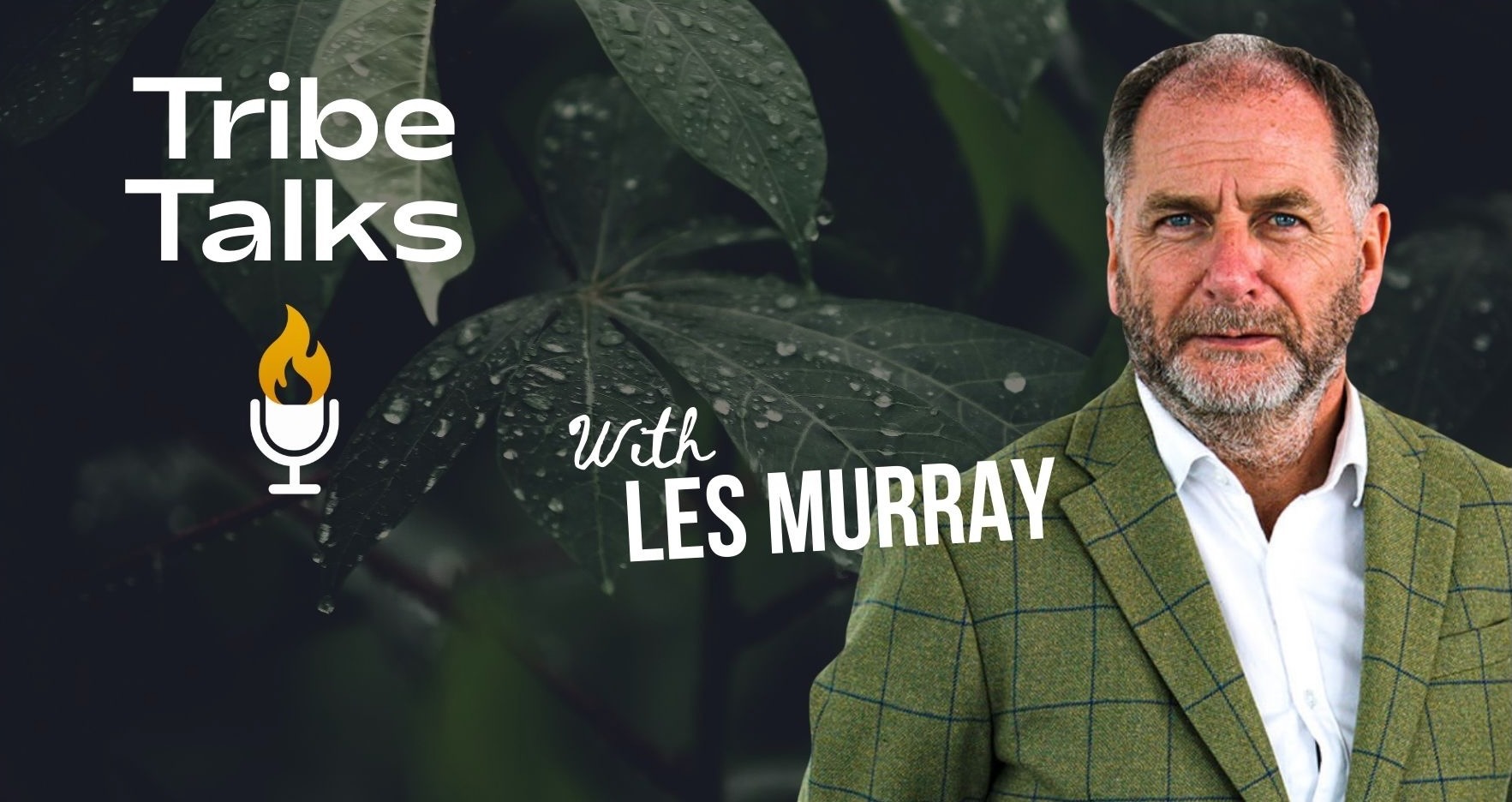
It’s easy to high-five your team’s culture when everything’s sunshine and rainbows. Hit your targets? Suddenly, everyone’s best mates. Project goes off without a hitch? Cue the group hug. But in one of our episode of Tribe Talks, Senior team leadership specialist and author Les Murray points out a hard truth:
Your real team culture actually shows up when everything goes wrong.
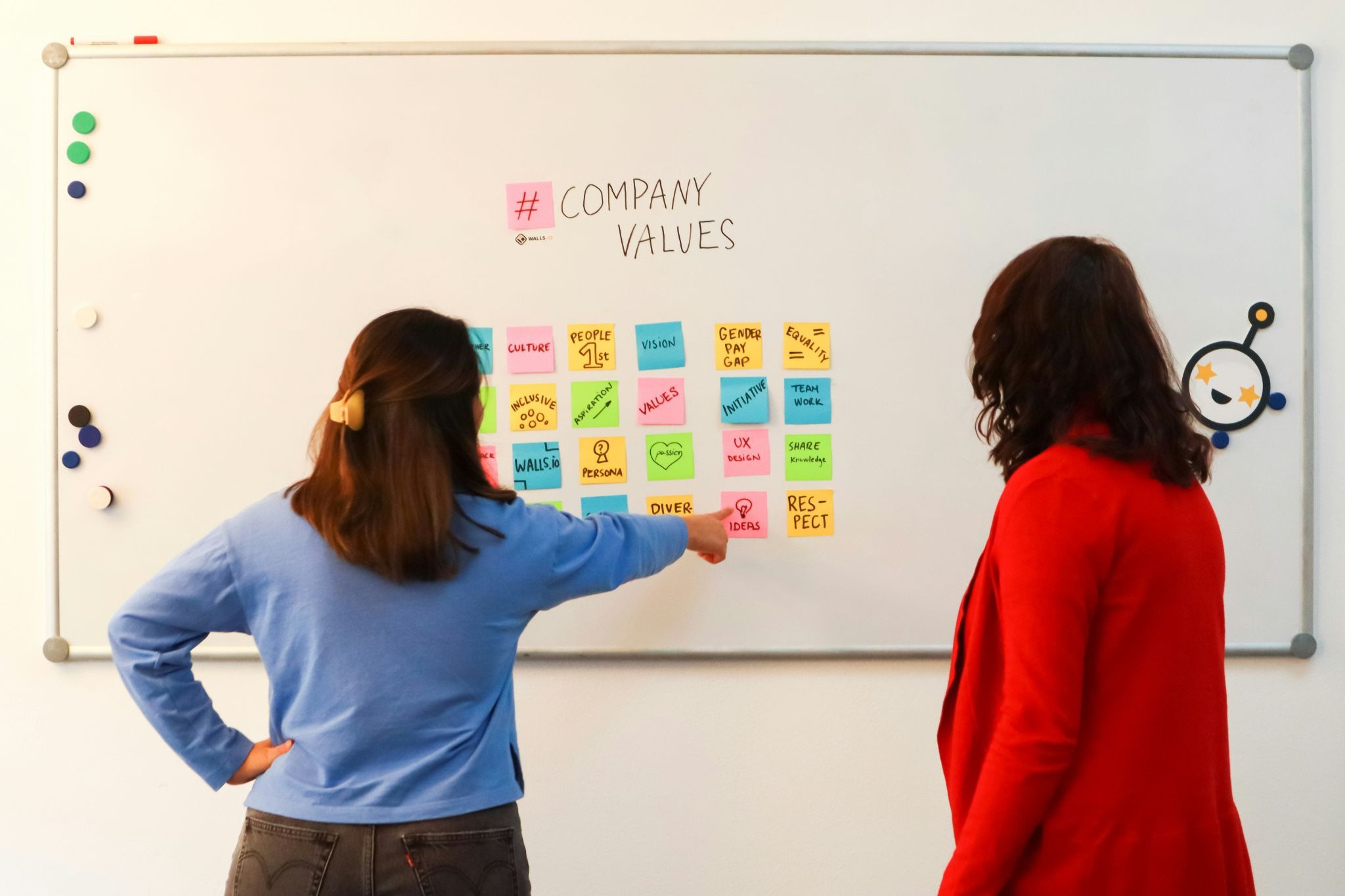
Culture isn’t what’s written on your office wall; it’s the invisible rules of engagement that dictate how your team behaves when a deadline is missed, the pressure is on, and no one is watching.
If you want a team that doesn’t fall apart at the first sign of chaos, you’ve got to build those muscles before the storm hits. Here’s Les’s cheat sheet for making that happen.
Les has worked across completely different worlds, from cutting-edge biotech startups to massive aerospace giants. His main takeaway? The industry changes, but the anatomy of a high-performing team never does.
Every thriving team, no matter the logo on the mugs, stands on three non-negotiable pillars:
If your team’s struggling, don’t rush to blame the people. Check the foundations. Are the ground rules clear, or is everyone just making it up as they go?
One of Les’s most practical frameworks for leadership development is his categorization of human potential into three distinct mindsets. The secret to organizational health isn't hiring just one type; it’s matching the right mindset to your company’s current growth stage.
Friction happens when you misplace your people. If you drop a "Mower" into a chaotic, shifting startup environment, they will burn out. If you force a "Sower" to manage a predictable, rigid production line, they will quit. Match the mindset to the mission.
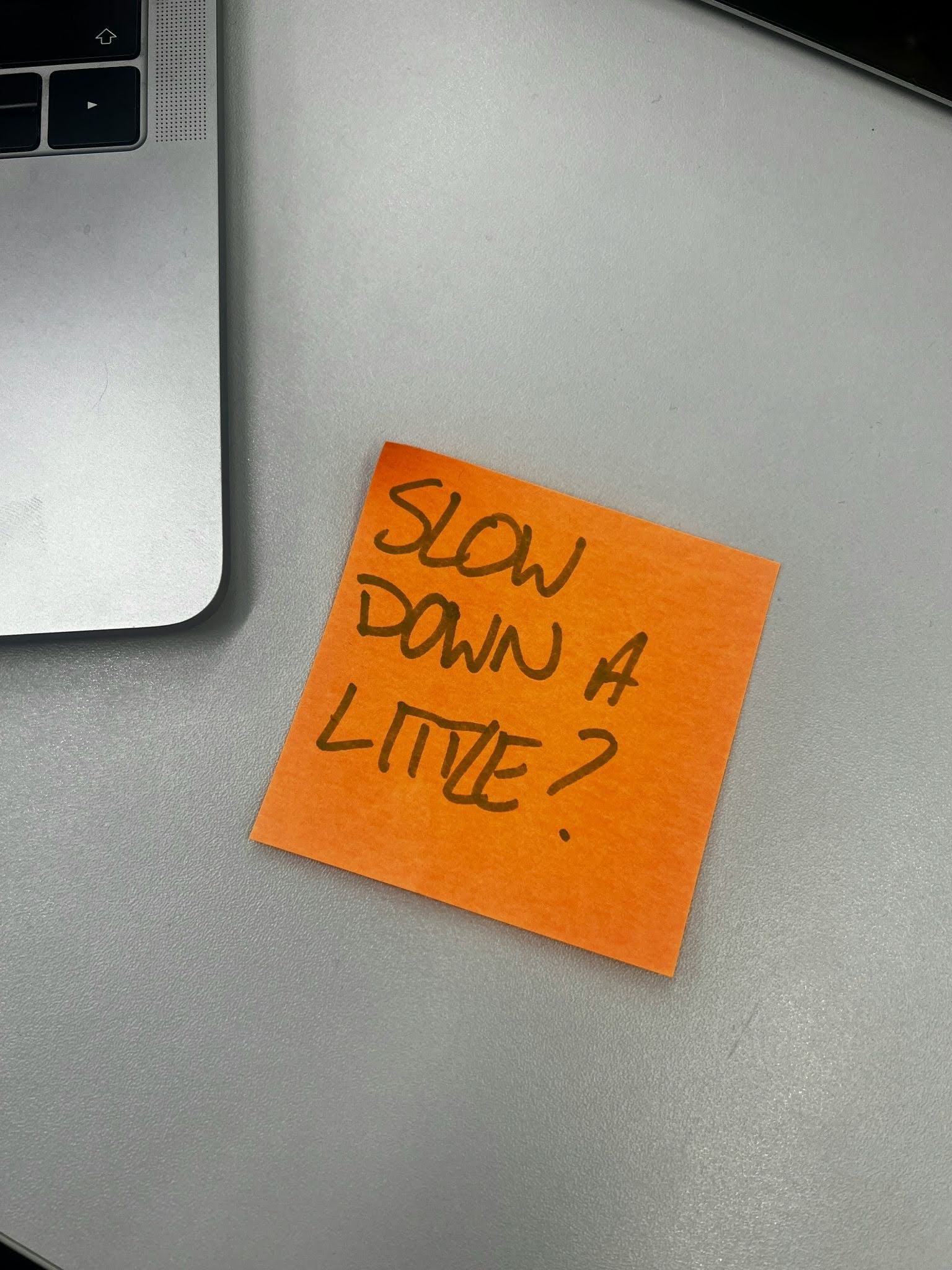
When leaders take over a struggling department or embark on a company-wide restructuring, their first instinct is to move fast and break things. They want quick wins to prove their worth.
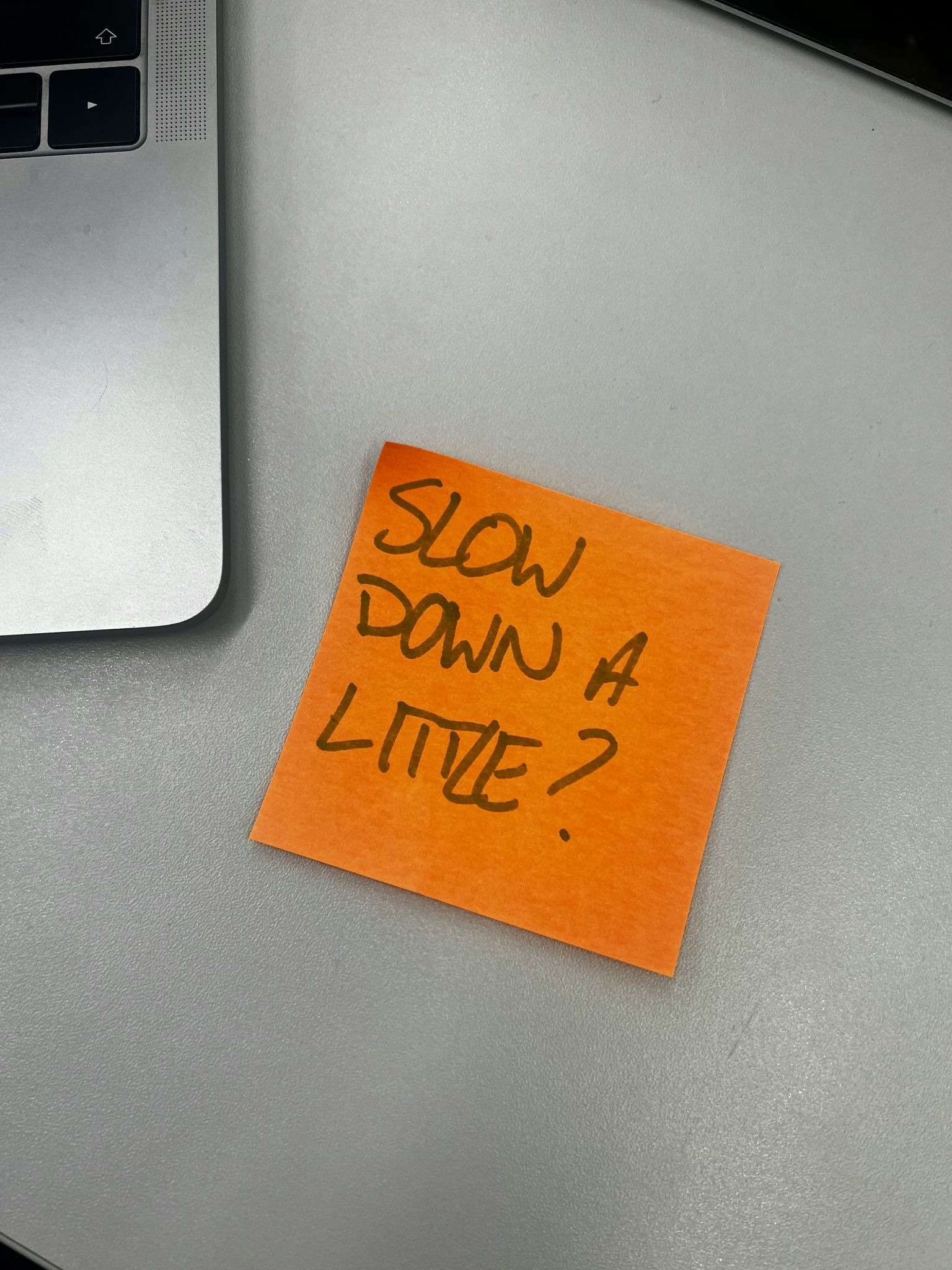
Les flips that script: slow down to speed up. Trust is the first sign of a healthy team, and you can’t microwave it. Taking time to listen, align on what success looks like, and actually connect as humans might feel slow, but it saves you from the kind of disasters that make for awkward all-hands meetings.
You cannot have a high-performing team without a culture of direct, honest feedback. Drawing on Kim Scott’s Radical Candor model, Les emphasizes that feedback should never feel like a personal attack; it should be a sign of caring.
But candor requires a foundation of deep psychological safety. If your team is terrified of looking foolish or making a mistake, they will choose polite silence over helpful truth. Leaders have to go first here. Show vulnerability, admit your own missteps, and frame feedback entirely around behaviors and ideas, never personal traits.
Building a resilient, high-performing culture is a rigorous, strategic discipline. It requires leaders to put their egos aside, practice intense self-awareness, and focus heavily on emotional intelligence over raw metrics.
Want to take this deeper?
Learn more about how we help build high-performing team dynamics on our about page.
From practical insider warnings to new secret locations, get our monthly, genuinely spam-free newsletter.
Subscribe now

%20(1).jpeg)