Home
>
Blog
>
Leadership and culture
>
Welcome to the Social Age: Why Trust and Belonging Actually Matter in Leadership

You can feel it, right? The old playbook for working and leading together is looking a bit worn out.
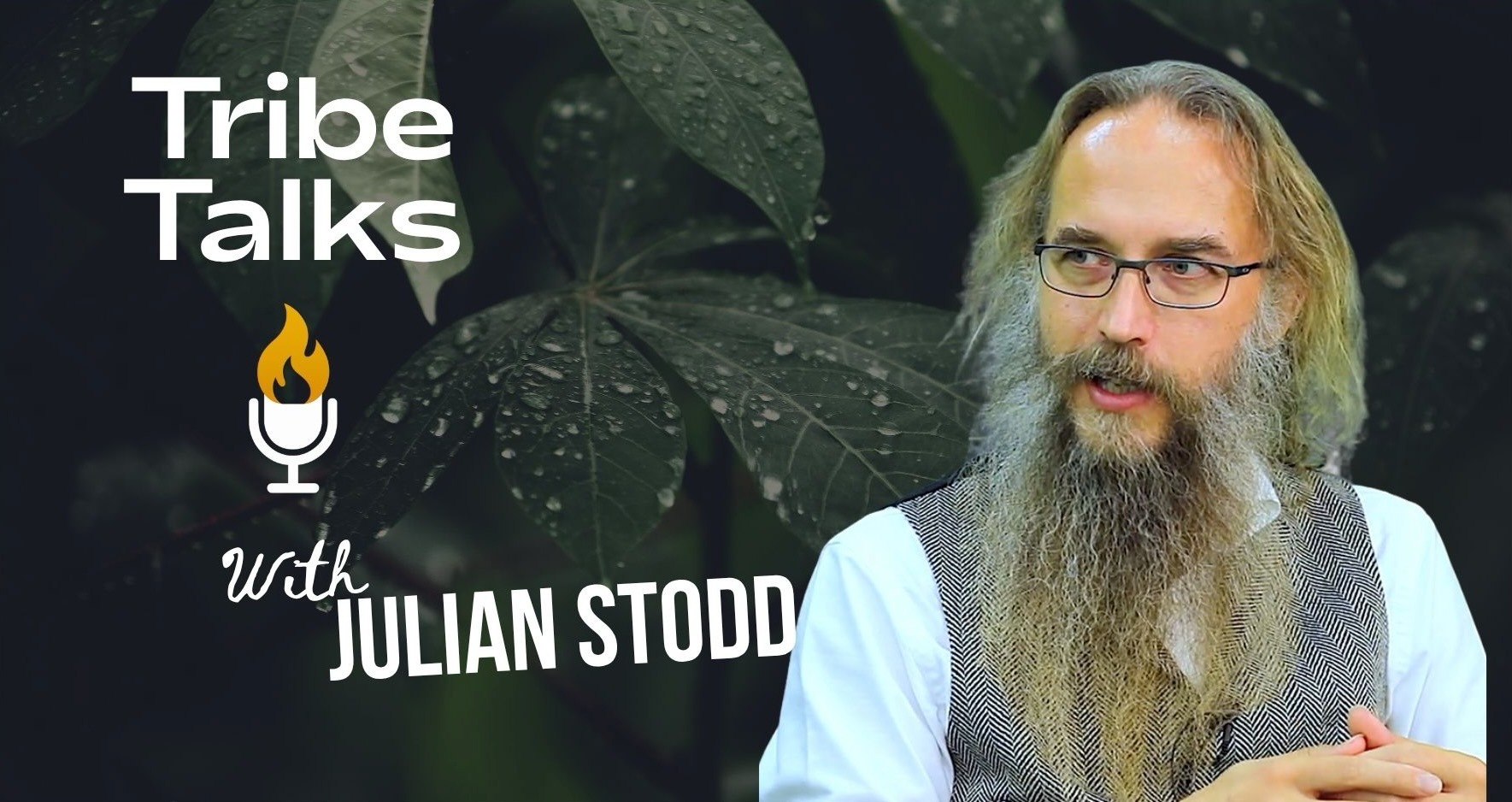
Last year, we sat down for a podcast conversation with Julian Stodd, founder of Sea Salt Learning, to talk about what it actually takes to lead people today. What became clear very quickly is that we aren’t just living through another cycle of technological change; we’ve stepped into what Julian calls The Social Age.
In the Social Age, your job title is just a line in your email signature. What really counts is the trust, belief, and sense of belonging you build with your team.
If your team is tired from endless restructures or feels disconnected from the big picture, chances are it’s not a spreadsheet problem. It’s a people problem. Here’s what we learned from Julian about flipping that script.
In the old-school org chart, power trickles down from the top. You’re the boss because the chart says so. But as Julian points out, every leader actually has two types of power:
In a world where everyone’s a Slack message away, formal power might get you compliance, but it won’t buy you real commitment or creativity. The magic happens when leaders build social authority, people follow you because they trust you, not because they’re told to.
Try this: Julian recommends a quick daily gut-check. At the end of your day, ask yourself: Where did I lean on my title, and where did I actually earn trust?
Org charts love to pretend everyone fits neatly into one department. Reality check: most of us are juggling about 15 different informal communities at work, Slack channels, peer groups, side projects, and the all-important coffee chats.
When companies keep shuffling the org chart, they usually forget about these invisible networks, which creates confusion, burnout, and a whole lot of lost know-how.
To build resilient teams:

Talk openly about expectations, fears, and boundaries.
How do you know if your company is actually healthy? KPIs will tell you if you hit your numbers, but they won’t explain why a team is thriving or quietly falling apart.
Julian’s take: measure the human stuff alongside the usual metrics.
Mix these human insights with your financial data, and you’ll actually see what’s going on in your company.
With AI and digital change moving at warp speed, it’s tempting for leaders to clamp down and try to control every move.
Julian’s advice? Do the opposite. Get curious, embrace the unknown, and get used to not having all the answers.
The future of work is about building teams that trust each other, learn fast, and have each other’s backs, no matter what comes next.
From practical insider warnings to new secret locations, get our monthly, genuinely spam-free newsletter.
Subscribe now