Discover actionable insights on fostering a workplace culture that inspires and engages—trusted by over 24,000 subscribers worldwide.
Thank you! Your submission has been received!
Oops! Something went wrong while submitting the form.
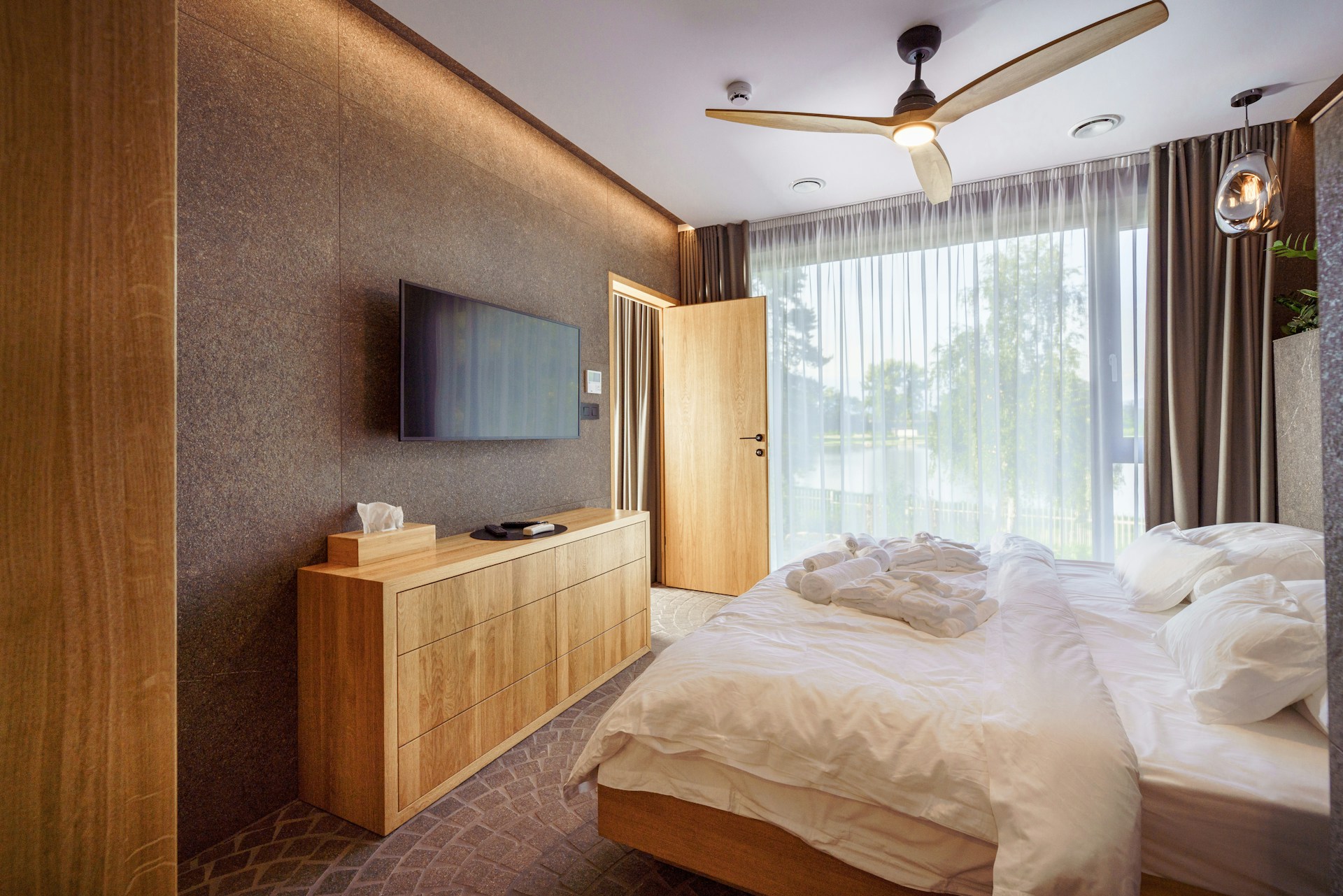
When planning an offsite, one detail is guaranteed to keep retreat planners up at night: room allocation.
Few topics stir up as much debate as asking colleagues to share accommodation. For organizers, doubling up is often the key to fitting a venue into budget. For employees, it can trigger anxieties about boundaries, privacy, and social exhaustion.
At Campfire Company, we see these questions come up every week. Is sharing rooms a cost-effective bonding opportunity, or an invasion of privacy that damages team morale?
The answer is: it depends. Here is a balanced look at the pros, cons, boundary lines, and alternatives to help you make the right call for your team.
Probably not the right call for your team.
Pros & Cons: Weighing the Trade-Offs
Before deciding, it helps to understand what you stand to gain and where the friction points lie.
The Advantages
It reduces the cost of the retreat budget. The cost of accommodation per person is then halved. The money saved can then be used directly to pay for a more upscale venue, for gourmet catering, or for more exciting team activities.
Access to Unique Properties: Exclusive rural estates, boutique lodges, and seaside retreats often have great shared spaces but only a few bedrooms. When you share, you can book places you wouldn’t be able to reserve on your own.
For teams that are already close, sharing a room leads to spontaneous and relaxed little moments, such as chatting while getting ready, going over what happened during the day, or having a good laugh before bed.
The Disadvantages & Valid Concerns
Corporate retreats require a steady supply of social energy, and without a private room, more introverted team members have nowhere to switch off properly.
Snorers, night owls, early risers, people who use a sleep apnea machine, or restless sleepers might unintentionally sap their roommate's energy for the whole week.
It becomes difficult to deal with things such as changes of clothing, personal hygiene routines, health conditions, or confidential telephone calls with family members.
When Room Sharing Works, and When It Doesn’t
Whether or not sharing a room is good or bad depends on the situation.
Where Room Sharing Works Best
Short Trips (1–2 Nights): Most employees are happy to compromise for a quick weekend or two-day stay.
Young Startups & Close-Knit Cultures: Early-stage teams or close departments with established trust transition smoothly into shared spaces.
Clear Trade-off Alignment: When the team explicitly chooses a spectacular destination (e.g., a mountain chalet or beachfront villa) and knows the space is cozy.
Where Room Sharing Is a Dealbreaker
Longer Stays (3+ Nights): Privacy becomes a fundamental psychological need after 72 hours of constant group activity.
Seniority & Power Dynamics: Asking a manager to share with a direct report creates uncomfortable hierarchy shifts and boundary issues.
Newly Merged & Unfamiliar Teams: Cross-departmental groups or international employees who don’t know each other well need personal space to recharge.
Medical, Inclusivity, or Religious Requirements: Anyone with sleep disorders, medical routines, anxiety, or specific religious/cultural privacy needs should automatically be offered private space.
No one does that. Ever.
Creative Alternatives to Traditional Sharing
If doubling up in twin rooms feels too restrictive but individual hotel suites break the bank, consider these middle-ground solutions:
The Single Room Supplement modelinvolves including the cost of sharing a room in the retreat budget, but it also allows team members to choose to upgrade to a private room by paying the difference themselves without being asked any questions.
For multi-bedroom luxury apartments or villas you can book large chalets or villas in which each person has their own private bedroom but shares the upscale living rooms, kitchens, and outdoor areas. In this way you can stick to your budget while still having personal sleeping space.
For hybrid accommodation arrangements, private rooms should be reserved for senior staff, light sleepers, or people who have asked for single occupancy, while comfortable twin rooms should be assigned to colleagues who choose to share.
Using a staggered or rotational scheduling approach, host shorter but more intensive offsites in private rooms rather than offering longer stays in shared rooms; the quality of the stay is almost always more important than the number of days
Positive Outcomes: How to Make Sharing a Success
If arranged carefully, sharing accommodation can seem like a natural and comfortable aspect of the experience. The key is control, comfort, and culture:
Don't select them at random: it's necessary to carry out a confidential survey of preferences beforehand (one that should include questions about sleep patterns, snoring, and noise habits).
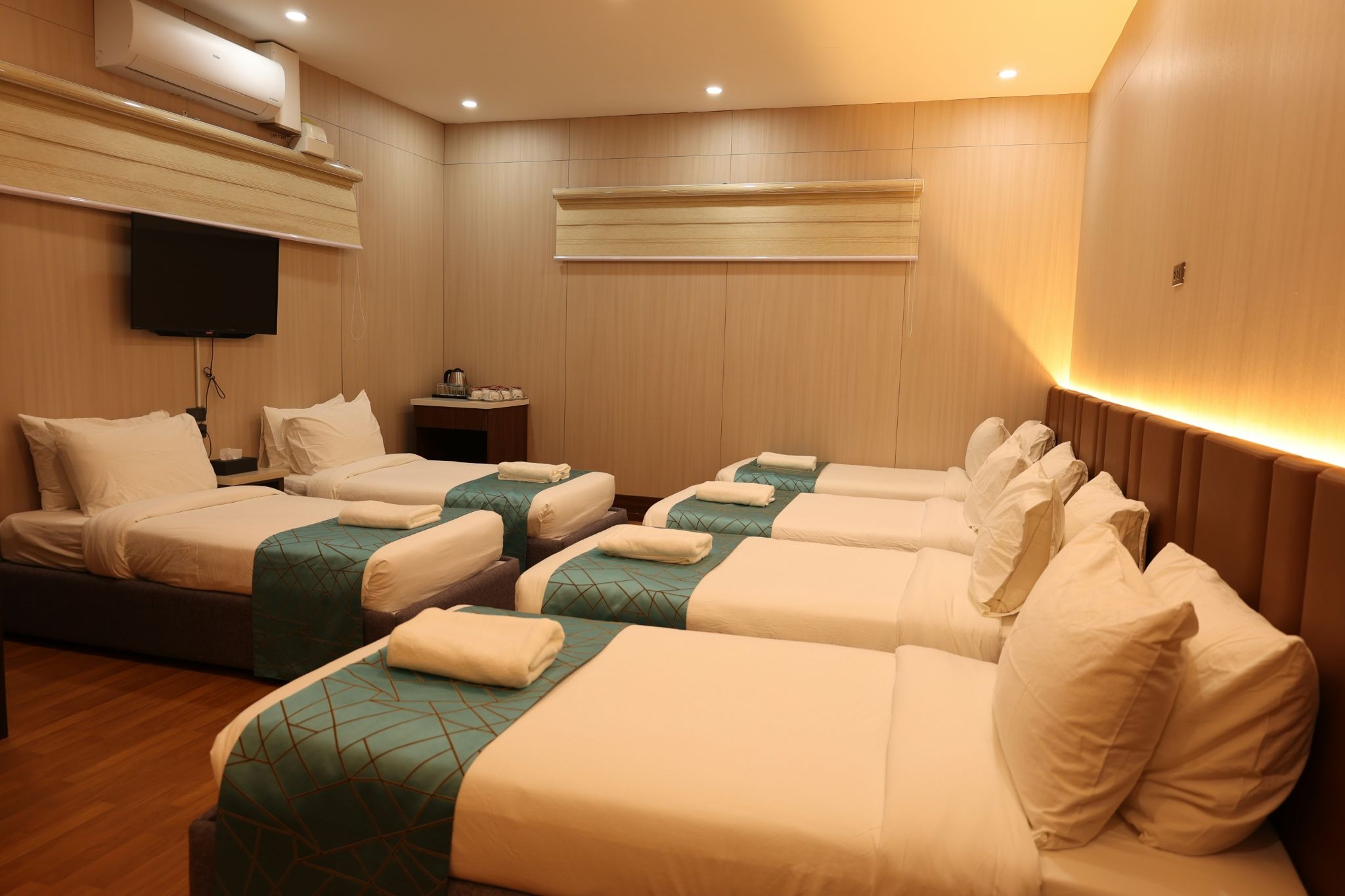
Guaranteed Twin Beds: This will provide two separate beds that are separated by physical space, there will never be shared mattresses or sofa beds.
Set aside specific mandatory 'free hours' each afternoon so that everyone can rest in the quiet areas, gardens, or lounges available throughout the property.
To share or not to share is a complex question. It’s not a deal breaker, but it demands that you know your team well and understand the trade-off. If you need help navigating these situations, you can always rely on our retreat experts, they’ve seen it all.
FAQ
No items found.
From practical insider warnings to new secret locations, get our monthly, genuinely spam-free newsletter.