Home
>
Blog
>
Leadership and culture
>
You Can’t Out-Scale a Broken Foundation: Inside Ethical Growth with Neda Sahebelm

Every founder loves to talk about scaling. It sounds so slick, so ambitious, so clean on a pitch deck.
What people rarely talk about is the human cost of a company growing faster than it can cope with: the quiet burnout, the creeping cynicism and the sudden realization that you're hitting your targets in a rather hollow way because half the team just hate Monday morning.
We spoke to Neda Sahebelm, an organisational psychologist and seasoned ops leader, who has spent her career in some of the most high-pressure environments (from the global media outfits of Fox and National Geographic to the fast-paced world of startups) about what it is that actually holds an organisation together when the pressure is on.
Her verdict was you don't get high performance out of squeezing your people harder. You get it by building the human foundations first, before the storm comes.
In business we're absolutely obsessed with output. We're all about OKRs, sprints and quarterly velocity and we treat employee well-being as a kind of icing on the cake if you've got the budget to spare.
Neda flips that equation on its head:
"You can't have high performance unless your workplace is healthy and happy first."
Notice the order. It's deliberate.
If people are emotionally drained, constantly on the edge, quietly anxious about their job security then their brains go straight into survival mode. You may be able to wring a bit of compliance out of them in the short term but innovation, candour and deep ownership all disappear.
If you want to diagnose where your team actually stands, look beyond surface-level productivity trackers:
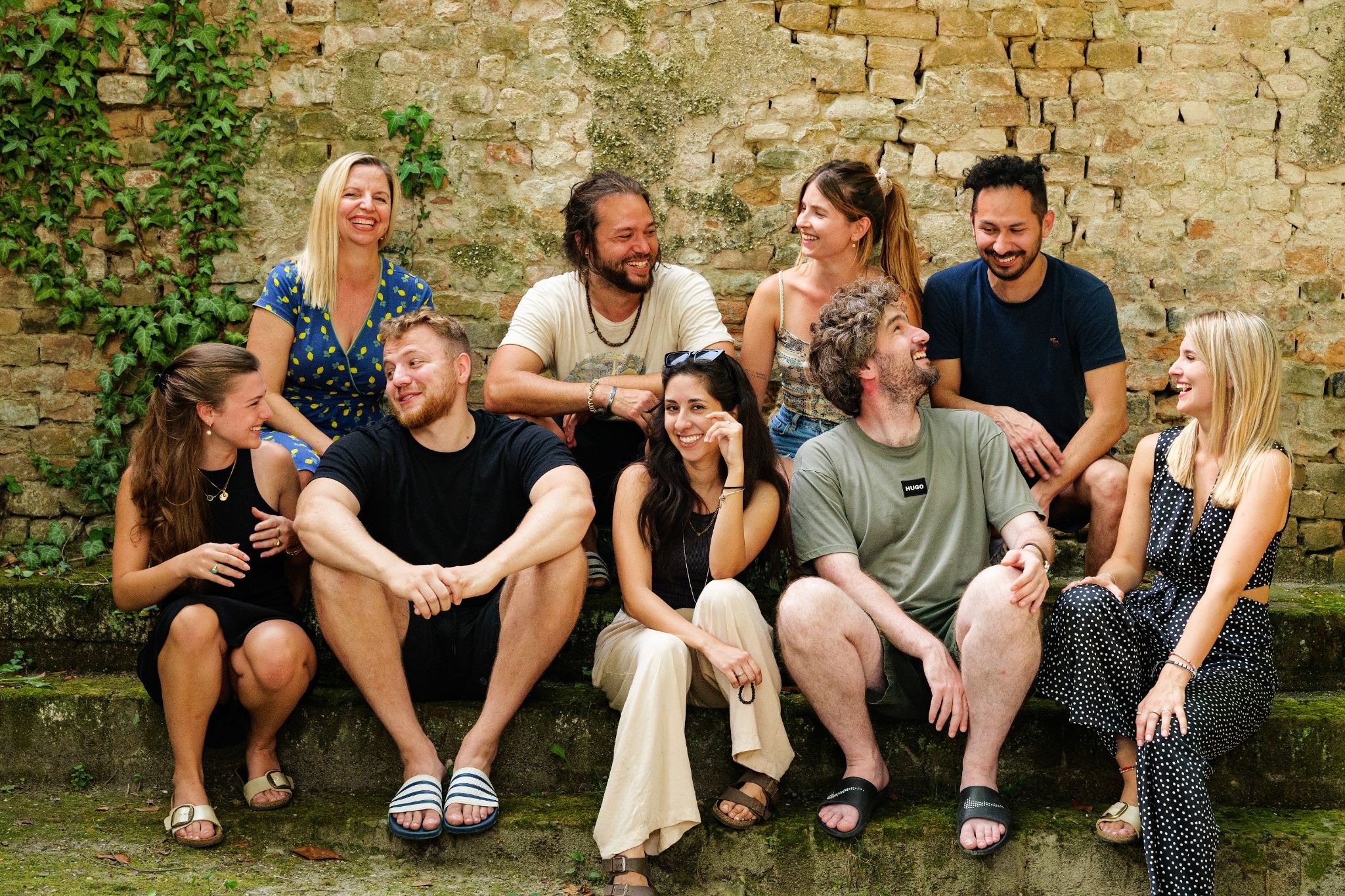
Healthy team
People use "growth" and "scale" interchangeably, but they aren't the same thing:
When companies are out to achieve 'growth at all costs' the humans in the company end up taking on the operational debt. The corners get cut, the culture becomes just a series of meaningless slogans on the wall and the leaders start to treat headcount as a form of disposable fuel.
Ethical scaling means being disciplined enough to fix the machine before you hit the gas:
It's so easy to come across as an empathetic, values-led leader when the revenues are up and everyone is having a great time. Your actual culture is defined in the messy uncomfortable bits: the restructures, the acquisitions, the pivots and the layoffs.
Having led teams through a number of major corporate exits (including the Disney purchase of Fox) Neda has seen how a badly managed exit can poison an organization long after the people who were part of it have left.
"Transparency in the acquisition process and a good handling of exits can make or break a culture."
When leaders hide behind the legal jargon, go silent in the face of uncertainty or carry out a layoff in a way that is utterly devoid of any dignity then the people that are left around are taking mental notes. They stop believing your promises. They stop taking risks. A culture of quiet self preservation kicks in.
Radical clarity (even when the news is bad) is far better at protecting the team's psychological safety than any amount of false reassurance ever could.
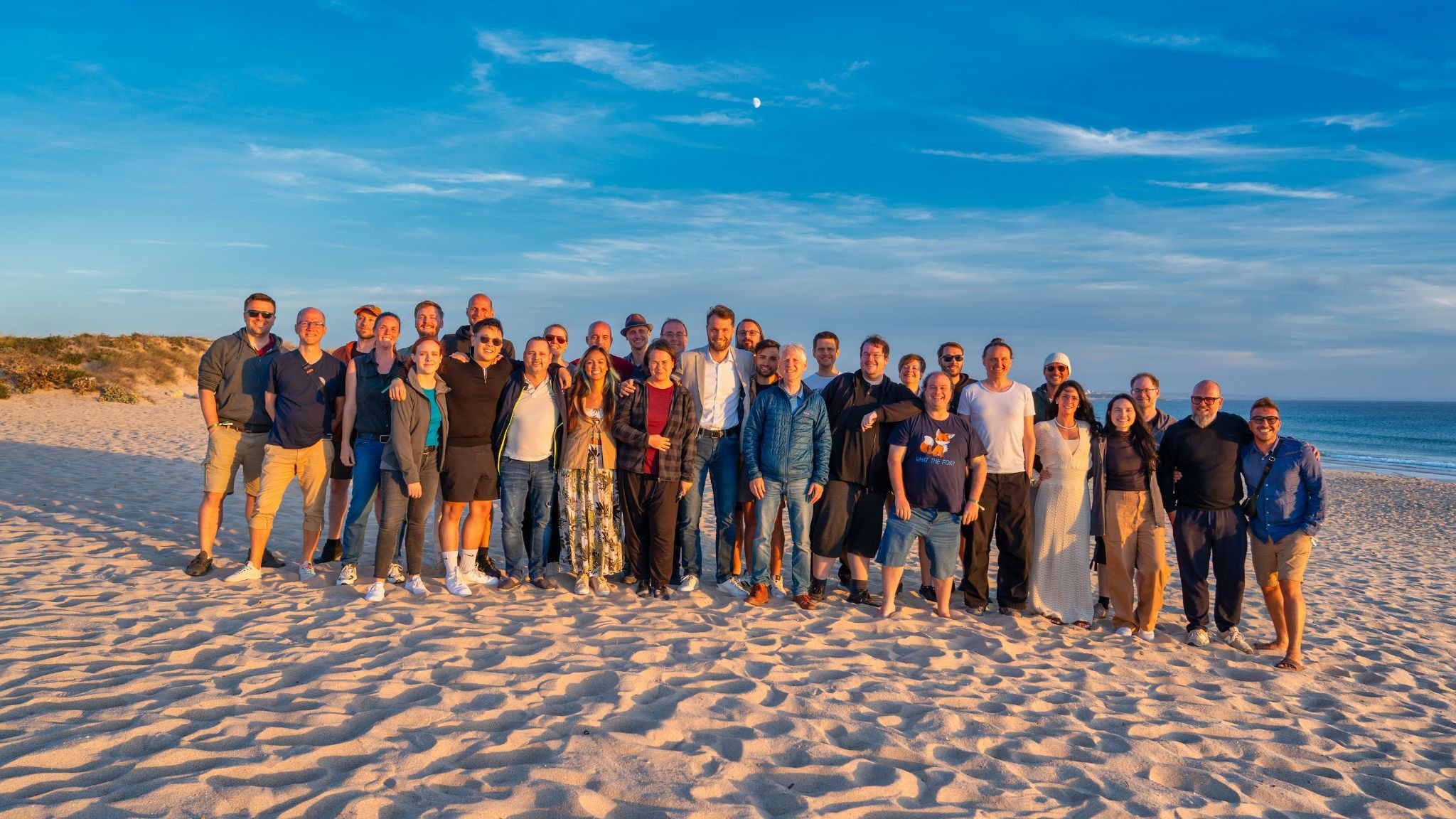
Happy team
Remote and distributed working is here to stay and many leaders are complaining that 'culture has gone'.
More often than not, culture eroded because leaders assumed that mere proximity was achieving what deliberate communication was meant to achieve.
In a distributed environment, you have to engineer the connective tissue:
Perhaps Neda’s most sobering observation is one every scaling founder wrestles with:
"Leaders have to realise that the people who got them here may not be the people who will take them on from here."
Early stage scrappiness requires the generalist who thrives on adrenaline, ambiguity and chaos. As an organisation matures it requires the systems builder, the specialist operator and the leader who can delegate rather than do it all themselves.
Getting through that transition with honesty, gratitude and absolutely zero cruelty is the ultimate test of leadership maturity.
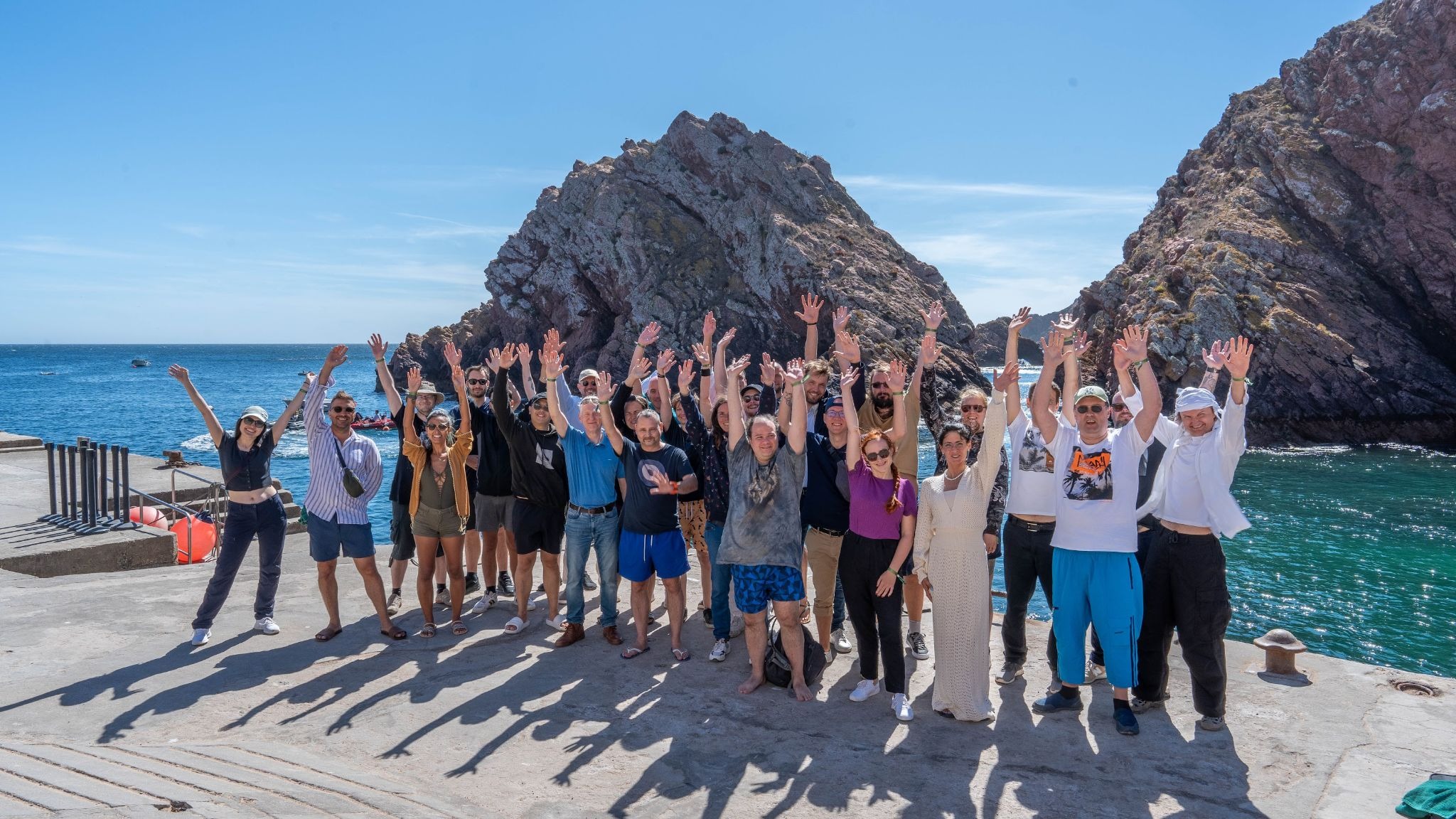
High performing team
At the end of the day you can't outsource culture to HR and you can't fix broken dynamics with a one off team perks package.
Everything flows from how the leaders behave when things get tough: what behaviours are tolerated, who gets promoted and whether people feel safe to speak truth to power. If you protect the foundation of your people, then sustainable performance will take care of itself.
From practical insider warnings to new secret locations, get our monthly, genuinely spam-free newsletter.
Subscribe now


How to Turn Your Company Retreat into a Year of Marketing and Internal Comms
Read more


