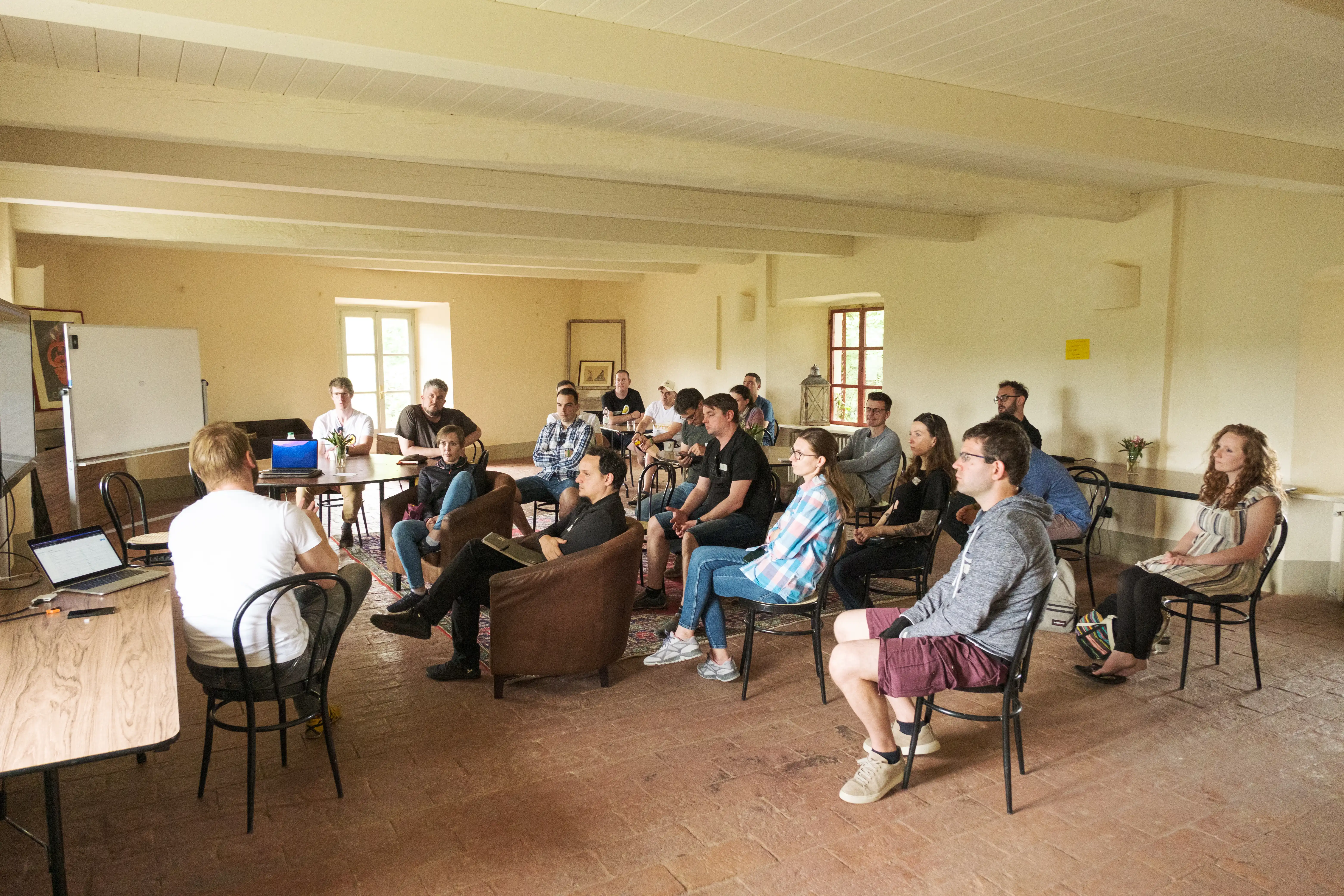
TL;DR: Standard PowerPoint-heavy retreat agendas stifle engagement and quickly become outdated. An Unconference flips the script: attendees pitch, vote on, and lead their own breakout sessions on the spot. Guided by flexibility and simple core principles, a 3-hour unconference block empowers teams to surface hidden challenges, cross-pollinate ideas, and build genuine connections.
Ever sat through a slide presentation trying to stay awake and realised in horror that you are at slide 6 out of 48? Sadly, probably yes. Ever felt this was a real breakthrough in terms of skills and connections? Sadly, probably not.
For some reason, PowerPoint presentations have dominated retreat agendas around the world for decades. Maybe it is the need to feel in control; maybe it is the anxiety of speaking in front of a crowd and really wanting the message to get across. It's understandable, but it's not the way to go. If your goal is to generate engagement, ideation, and connection, step away from the slides.
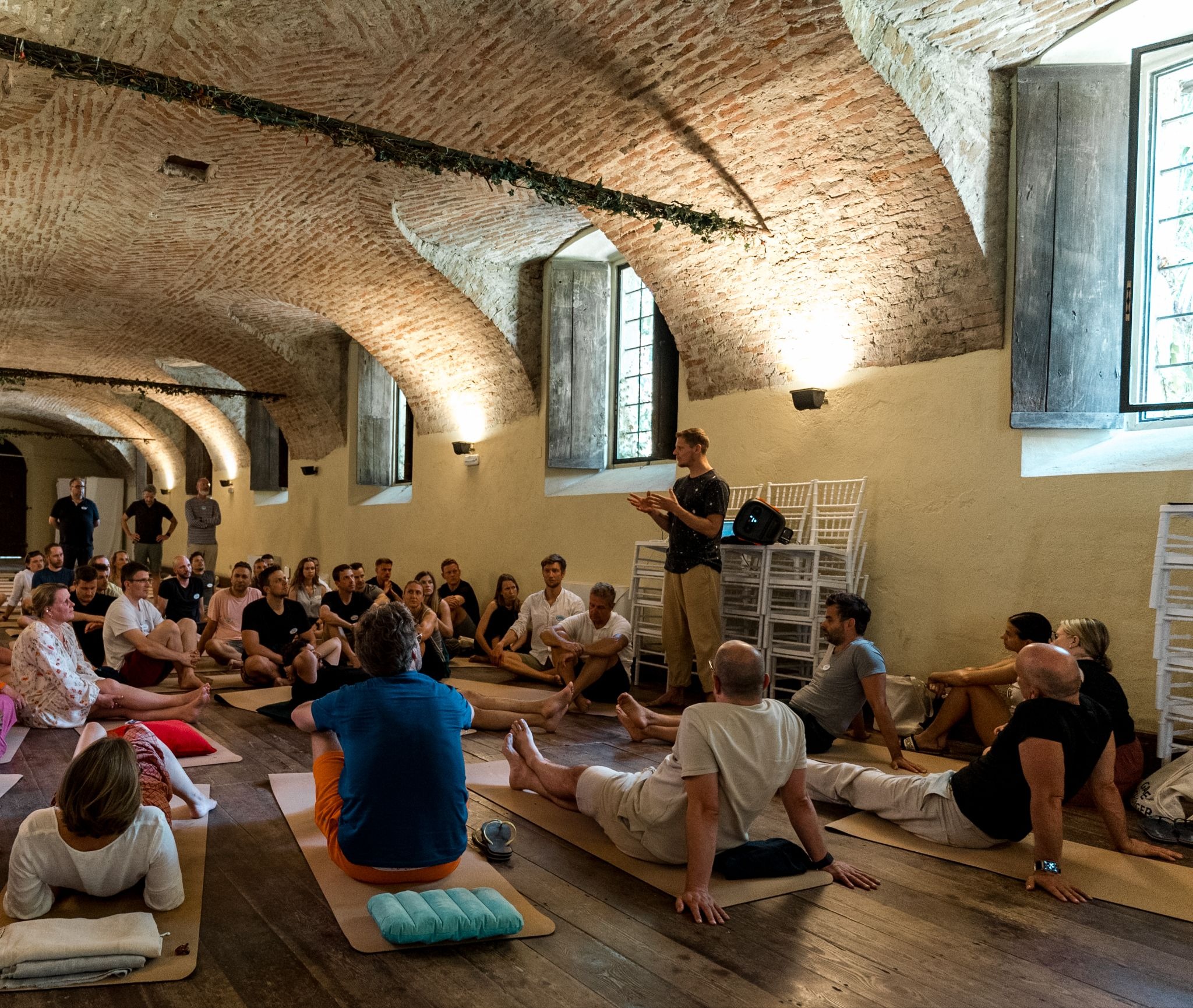
Of course, for a successful retreat, planning ahead is essential. We are the first ones to say that. But sometimes, an agenda you locked in three months ago will miss the recent developments that arose two weeks ago and the problems your employees are dealing with today. So what we also say is to remain flexible and not to be afraid of the unstructured. That is when the Unconference makes a difference.
Unstructured does not have to mean chaos. It shouldn't. Attendees propose the topics, build the timetables, and lead the discussions themselves. This gives attendees a great sense of freedom and agency. It flattens company hierarchy which builds immediate engagement and makes it much easier to open up about hidden challenges, in a way that traditional sessions do not allow.
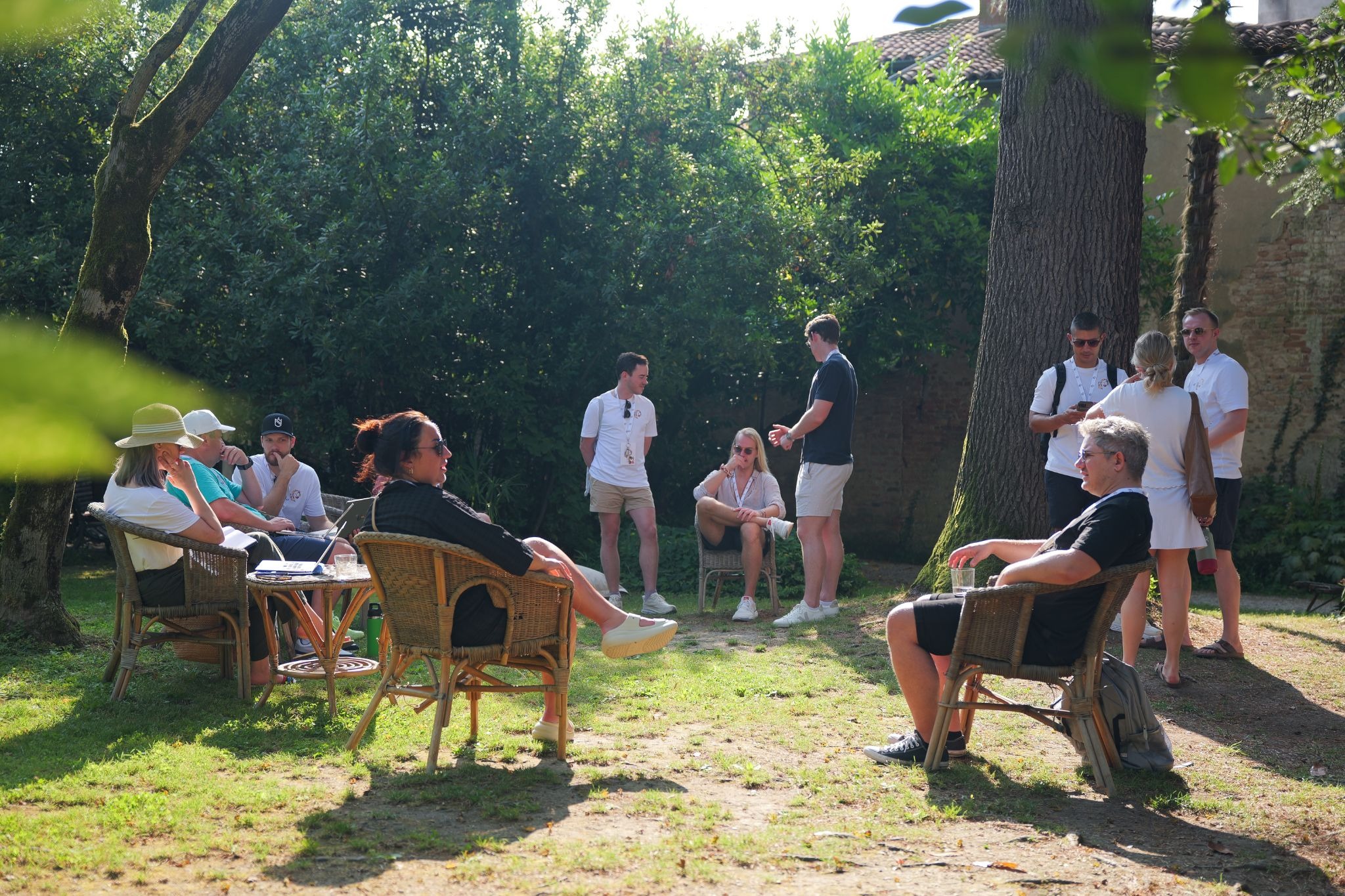
Unconferences are actually quite structured models with their own sets of rules. But they are rules we are not used to, especially in the corporate world. Which explains why some people are reluctant to include an un conference block in theyr agenda.
As the people build the agenda for that block, there are usually several topics running simultaneously. It does not matter if one group is smaller than the others. The important thing is the engagement of the few rather than the attendance.
Same idea as above, if some people join a group and realise they would rather be discussing something else after all, they should feel free to do so, the goal is to feel like you are learning and contributing, not feel guilty.
There is no KPI or expectations. Whatever happens during a session is what should have happened at that time with these people. It is essential to embrace flexibility and welcome whatever comes.
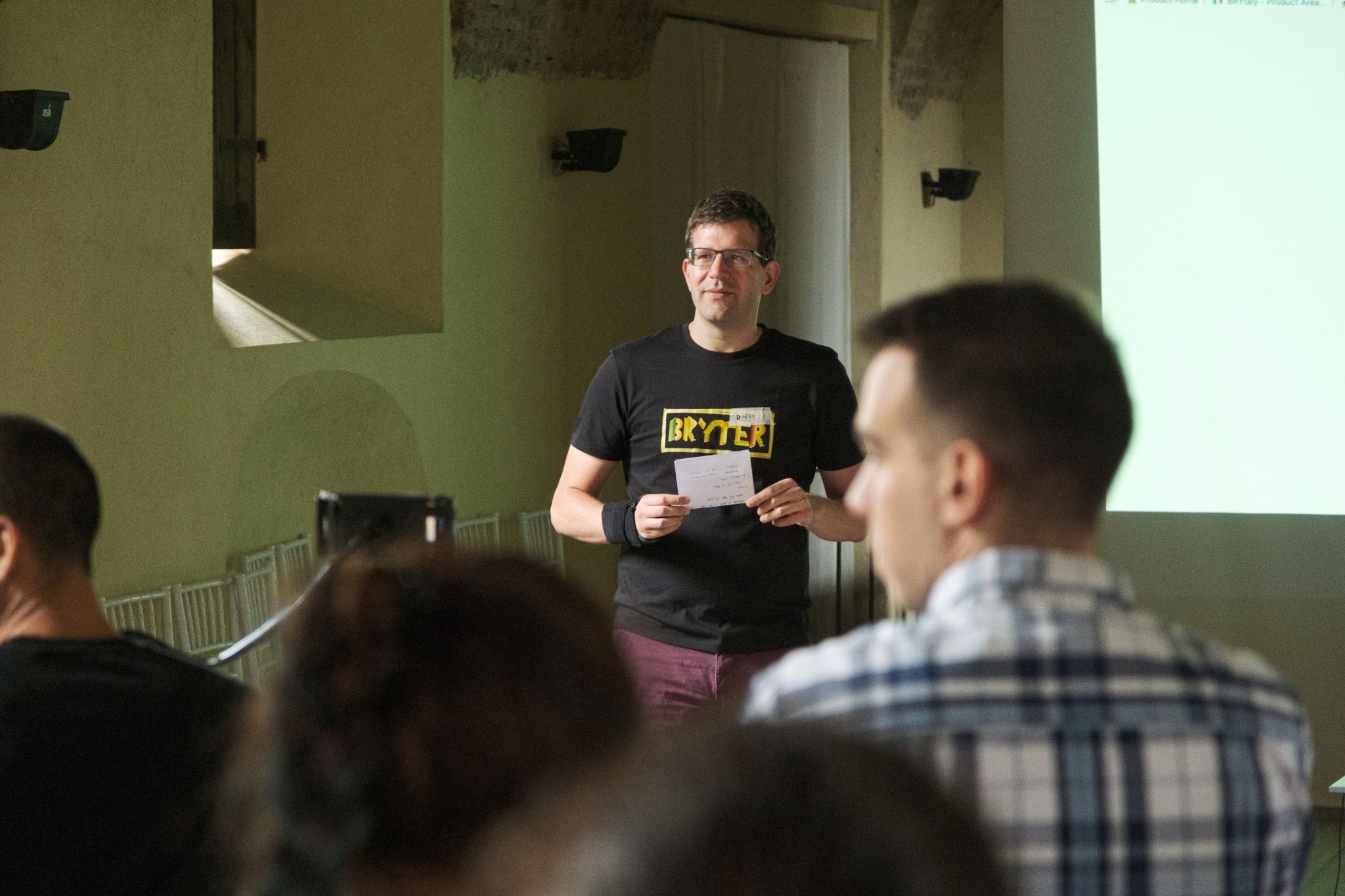
If you are tempted to implement an unconference day or half day, follow our three-hour blueprint.
Phase 1: The Marketplace Pitch (30 Mins)
Phase 2: Voting & Slotting (15 Mins)
Phase 3: The Session Sprints (2 Hours)
Phase 4: The 15-Minute Takeaway Recap (15 Mins)
If you find that your team is a bit stuck or simply shy when given more agency, jumpstart the room by giving them a list of prompts they can use to inspire their pitch.
Don’t fear the unknown; embrace it through unconference. It will bring a new energy to your group dynamic, unearth topics you never thought to explore, create unexpected connections, and maybe even bring brilliant ideas to life for the future of the company. You don’t have to ditch the slideshow completely, but make sure to leave space for “organized chaos” and serendipity.
It's common for people to freeze up initially out of shyness or fear of judgment. You can overcome this by sharing 3–4 example prompt questions in advance or asking department leads to prep a topic beforehand as "seed ideas." Once two or three brave participants place their post-its on the grid, the ice breaks quickly.
An unconference thrives on horizontal communication. Explicitly announce at the beginning that all titles are left at the door. Remind leaders that their primary role in breakouts is to listen and ask questions rather than lead or direct the conversation.
Yes, but you will need a larger venue with multiple distinct breakout zones and a few additional facilitators. For very large groups, consider running parallel "Marketplace Pitch" walls divided by department clusters or general themes so the grid board doesn't become bottlenecked.
Not at all. Physical offsites work best with tangible tools: a large whiteboard or wall, post-it notes, markers, and colored dot stickers for voting. If your event has remote or hybrid participants, digital whiteboard tools like Miro or FigJam work as excellent virtual grid boards.
Don’t fear the unknown; embrace it through unconference. It will bring a new energy to your group dynamic, unearth topics you never thought to explore, create unexpected connections, and maybe even bring brilliant ideas to life for the future of the company. You don’t have to ditch the slideshow completely, but make sure to leave space for “organized chaos” and serendipity.
From practical insider warnings to new secret locations, get our monthly, genuinely spam-free newsletter.
Subscribe now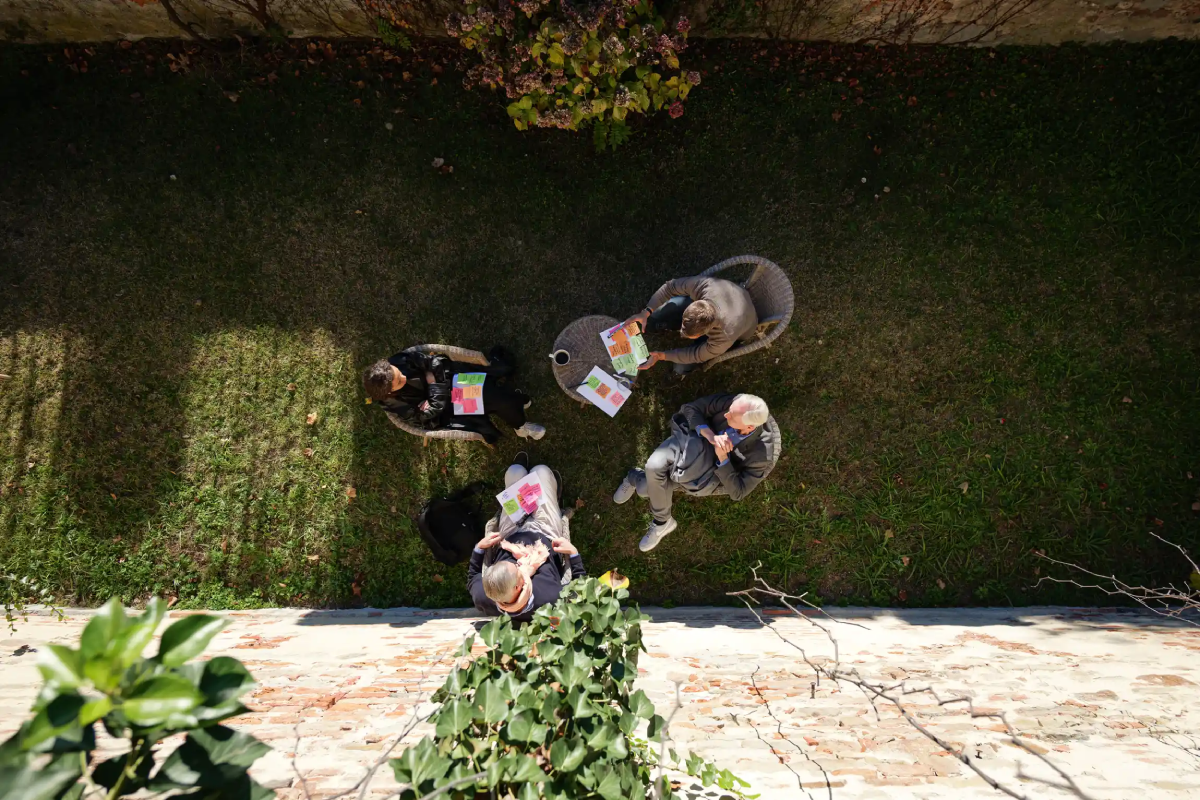

The Architecture of Psychological Safety: Why Workplace Mental Health Needs a Physical Reset
Read more


