Home
>
Blog
>
Retreat planning
>
The Zero-Fly Offsite: How to Coordinate Train-Accessible Corporate Retreats in Europe
Today, anyone in charge of organizing a team retreat needs to be a world-champion multitasker. More often than not, People Ops professionals and executive assistants are handed the monumental task of bringing together distributed teams while simultaneously managing complex dietary requirements, room preferences, agenda backlashes, and dozens of other soul-crushing logistical questions.
And just to keep things interesting, sustainability goals are now front and center on every retreat checklist.
Which, honestly, makes sense. Flying everyone across Europe for a three-day ‘eco-retreat’ is a bit of a plot twist if your company actually cares about sustainability.
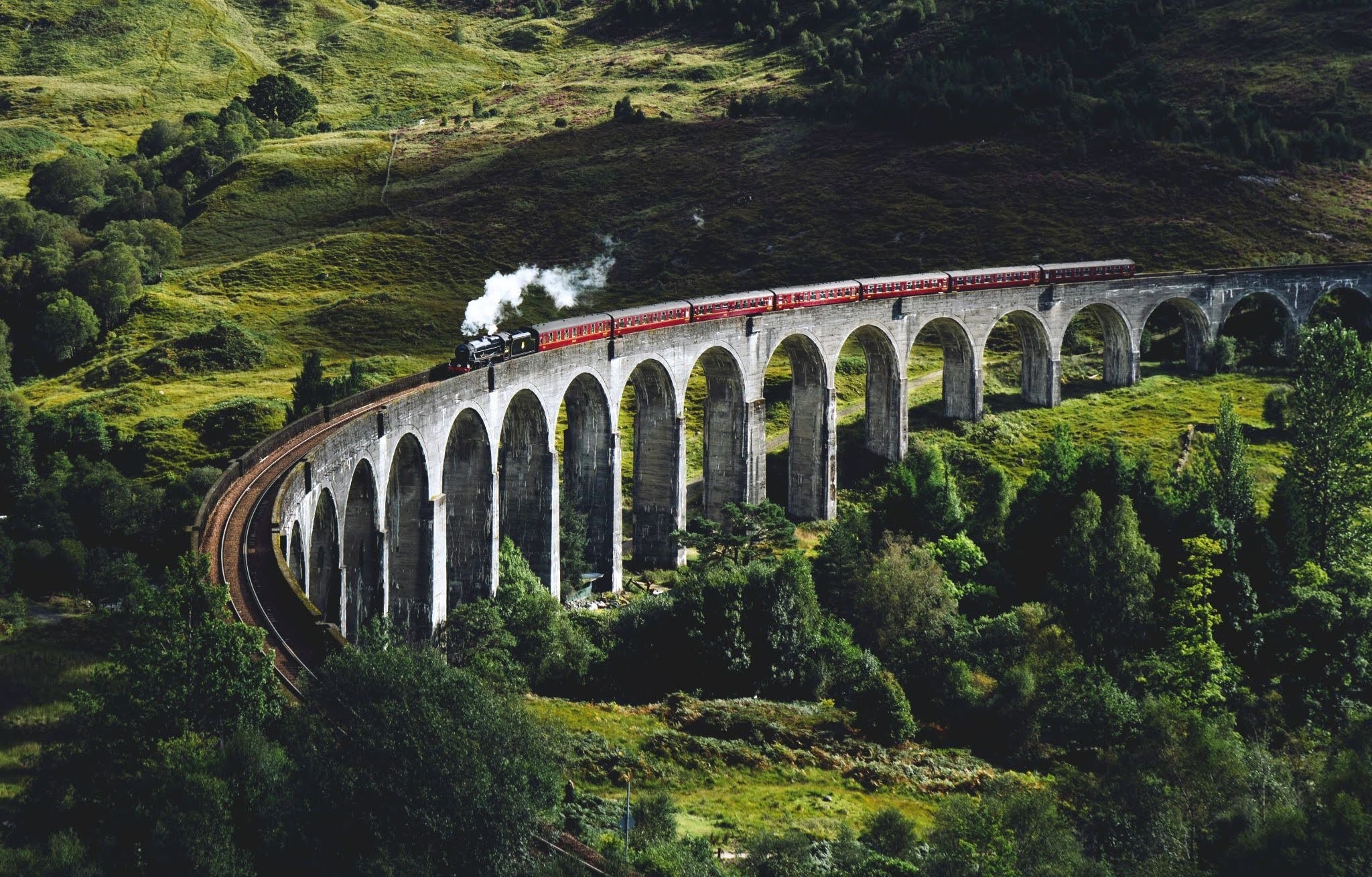
Fortunately, Europe’s high-speed rail network makes it entirely possible to host a comfortable, premium, train-accessible company offsite with zero airport security lines. Beyond reducing your carbon footprint, slower travel benefits both you and your team. The "Slow Travel" movement, which emerged in Italy in the early 2000s as an extension of the Slow Food movement, emphasizes connection over haste. By choosing tracks over tarmacs, trains double as low-stress, rolling coworking spaces that give teams the headspace to connect before the retreat even officially begins.
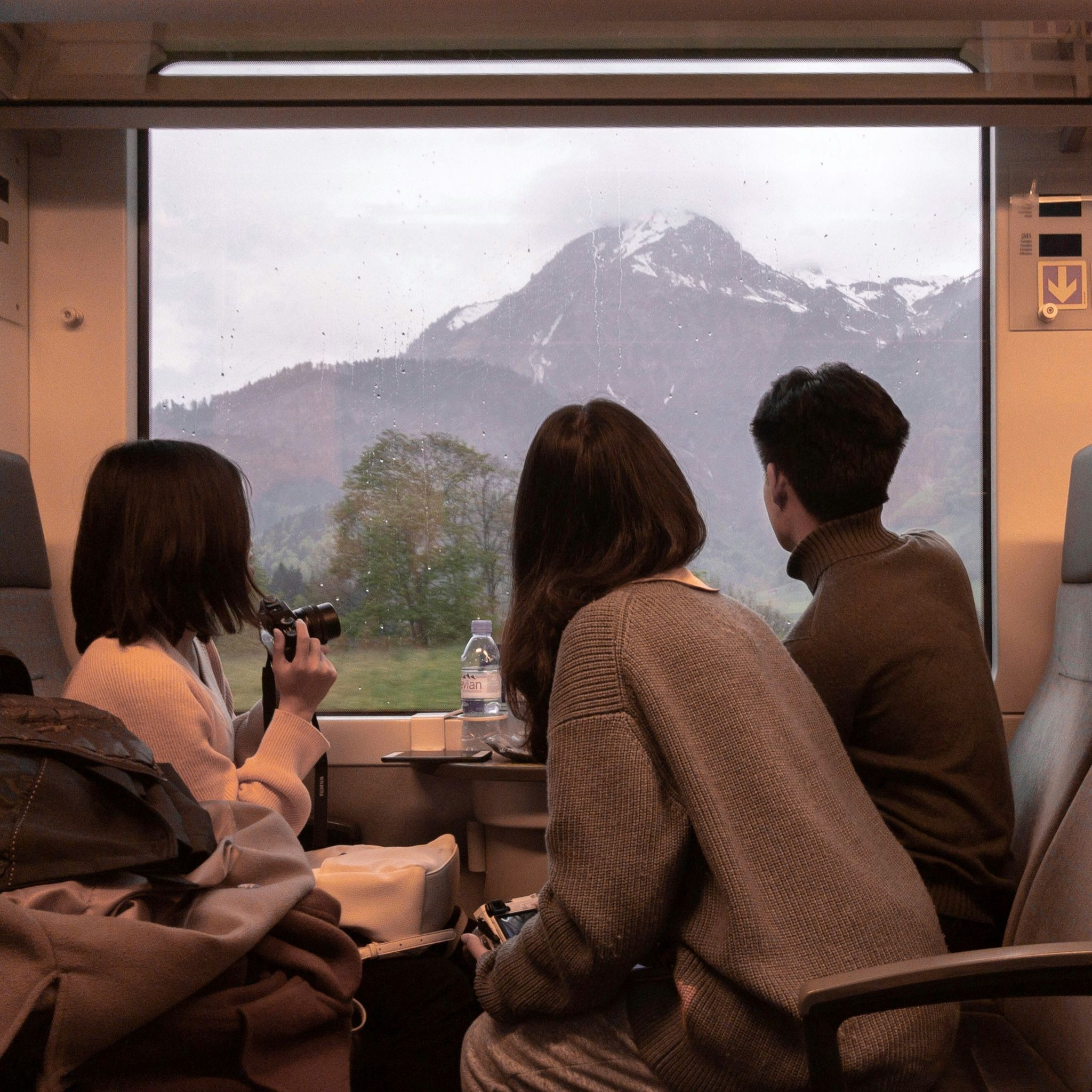
Let’s be real: air travel is stressful. By the time you’ve sprinted to the gate, survived security, and dodged delays, most people arrive at the retreat needing a retreat from the retreat.
Airports are basically designed to split teams up. Security lines scatter everyone, random seating keeps colleagues apart, and the terminal chaos zaps any team spirit before you’ve even started.
Rail travel offers unique B2B advantages:
You don’t need a train station at your venue’s doorstep. Three European rail corridors connect major tech hubs to the kind of nature that actually feels like an escape.
This is the ultimate hub for highly distributed, cross-border teams. Brussels Midi and Köln Hauptbahnhof (HBF) act as the dual beating hearts of Western European rail. Brussels perfectly connects teams from London (via Eurostar in just under 2 hours), Paris (via TGV in 1 hour 22 minutes), and Amsterdam (in less than 2 hours). Meanwhile, Cologne serves as the primary gateway for German-based remote teams riding the ICE network.
Within an hour of stepping off the train in Brussels or Cologne, your team can be off the grid and into the good stuff. From Brussels, a private shuttle whisks you to Belgian forests, rivers, and historic châteaux built for privacy. From Cologne, a quick drive lands you in the Eifel region, think volcanic lakes and air that cures Zoom fatigue on contact.
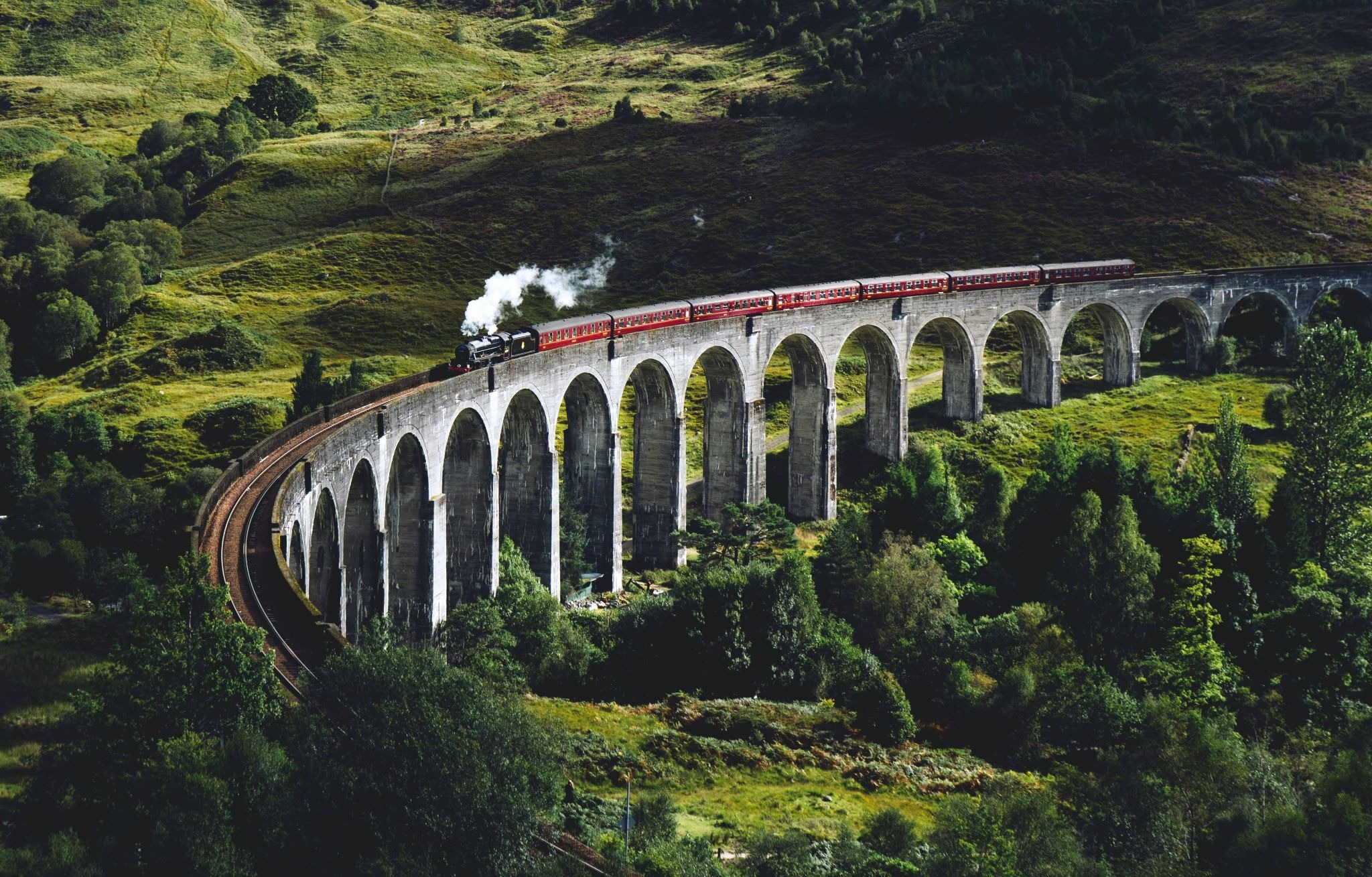
If your team wants mountains, altitude, and fresh air, without a single airport queue, head south. Munich HBF is your gateway for Central and Eastern Europe. Zürich Hauptbahnhof is the Swiss/Italian connection point, and Lyon Part-Dieu is the fast track for teams coming from France, Western Switzerland, or the UK.
The Alps might be wild, but getting there is a breeze. Skip the winding roads; a private shuttle from Munich or Zürich gets your team to lakeside manors or alpine lodges in under an hour. From Lyon, a quick ride east drops you into the French Prealps or the Chartreuse valleys for team building that actually sticks.
If your team is dreaming of Mediterranean vibes, pine forests, and actual sunshine, Western Europe’s high-speed trains have you covered. The TGV L’Océane gets you from Paris to Bordeaux in just over two hours. For retreats where good weather is non-negotiable, gather in Paris and head straight to the Atlantic, or keep rolling to Barcelona.
From Bordeaux, a short transfer lands your team in the pine forests of Landes de Gascogne or the vineyards of Saint-Émilion. From Barcelona, a quick shuttle north gets you to restored Catalan farmhouses surrounded by olive groves. Not a bad way to start a retreat.
Planning a rail-based offsite is a whole different game from booking flights. To get your team from laptops to campfire with zero drama, here are four rules for eco-friendly group travel:
A great retreat needs some distance from city noise, but nobody wants to start with a marathon just to get there.
The Radius Rule: Your ground transfer time from the high-speed rail station to the venue should strictly be 45-60 minutes.
Any longer, and the physiological benefits of a smooth train ride begin to evaporate. By keeping private shuttles to under an hour, the drive feels like a scenic preview of the retreat, just enough time to build excitement, not resentment.
Unlike airlines, which open seat sales nearly a year in advance, European rail operators utilize much shorter, rigid booking timelines. Group booking desks for major lines have strict operational windows that you must account for in your planning calendar:
If you try to book a rail offsite 9 months out, the timetables won't exist in the system yet. Conversely, if you wait until 30 days before departure, block seating will be entirely sold out. Aim for the 4- to 5-month sweet spot to secure entire carriages for your team.
Navigating busy European train terminals with 30 employees, each carrying heavy luggage, presentation materials, and rolling suitcases, can quickly become chaotic. To eliminate station stress, bypass the overhead racks entirely. Hire a local courier service or arrange for your private venue shuttle to meet the team directly at the designated group point on the arrival platform. This frees your employees to walk straight off the train light and unencumbered, directly onto a shuttle or a short, guided walking tour of the local transit node before arriving at the property.

Tech and fast-scaling teams often view travel days as lost productivity. High-speed rail flips this narrative for train travel for remote teams, but you must plan ahead for specific infrastructure variations:
Encourage your team to use train time for deep work, thinking, writing, reviewing, or designing, not video calls. For real collaboration, book table seats so everyone can work face-to-face over coffee.
When presenting the offsite proposal to leadership or finance, backing up the decision with clear data makes a compelling business case.
In most European countries today, the rail grid relies heavily on a mix of nuclear, electric, and renewable energy, meaning high-speed rail runs on incredibly clean power. According to transport data analyzed by Greenpeace, when accounting for full-lifecycle emissions (from well to tank), trains in Europe emit an average of 5 times less CO2 than planes on the same route. Intra-European, if you think of CO2 emissions from aviation or other sources, such as water vapor and nitrogen oxides released at high altitudes, the overall climate impact of a European flight can be up to 80 times worse than taking the train.
Data from EcoPassenger shows the stark contrast in emissions per passenger on major corporate transit corridors:

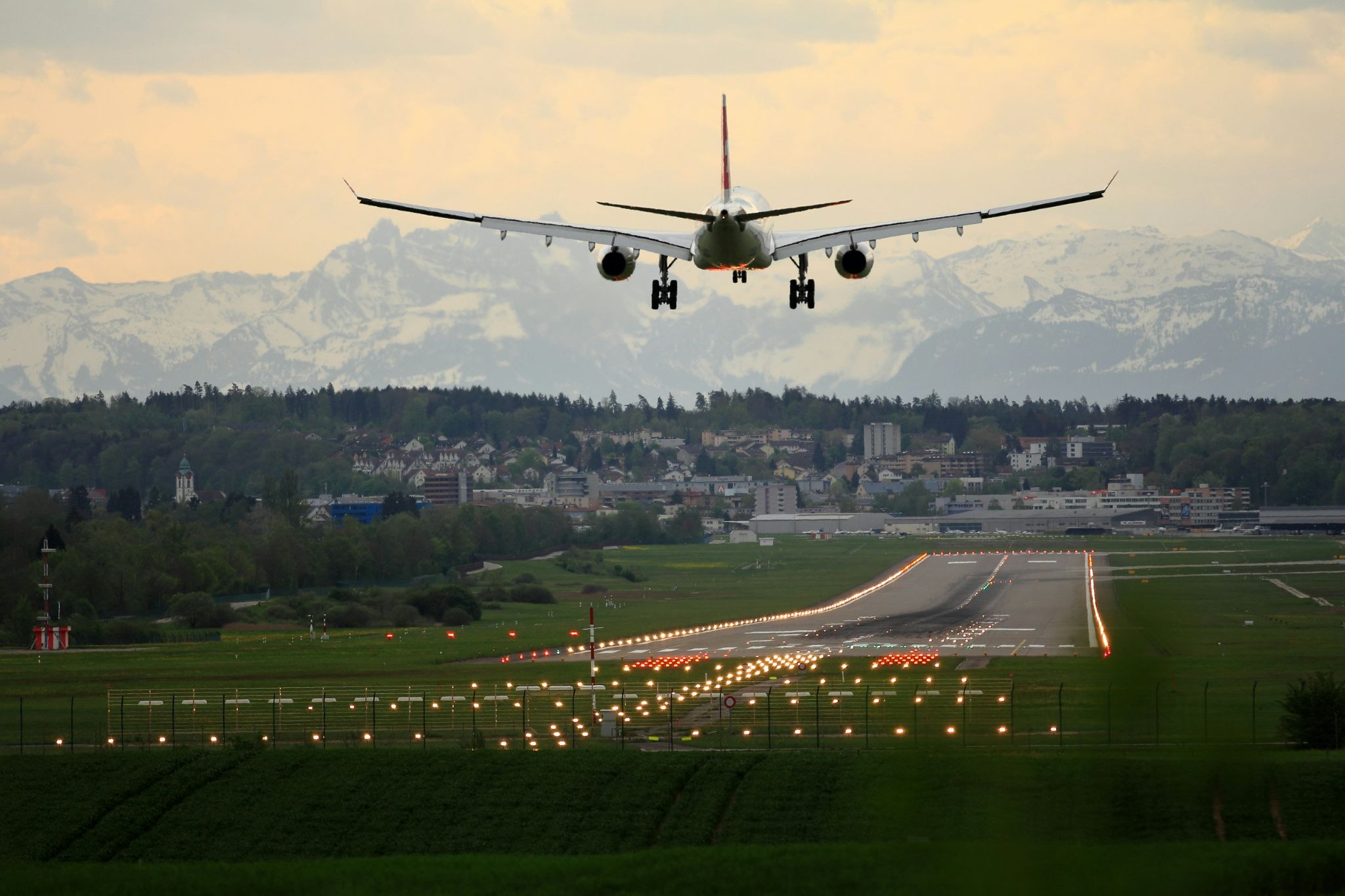
It is true that train travel has a bad reputation for being slower, but evaluating door-to-door transit times paints a completely different picture. High-speed rail eliminates the mandatory two-hour pre-flight arrival window and the peripheral airport commutes.
In European corporate travel, the 6-hour-rule is the gold standard for operational efficiency. Data from Eurocontrol show that for any intra-European journey lasting 5 to 6 hours or less, rail is almost always faster door-to-door than flying.
Add up the airport commute, security lines, and baggage waits, and suddenly city-center train stations are the clear winner.
That’s why trains rule these routes. Eurostar, for example, owns 80% of the London-to-Paris market.
Saving carbon and time is just the start. European rail comes with passenger protections that airlines love to dodge.
Budget airlines will happily charge you €40–€70 for a bag. On European trains, you get two big suitcases and a carry-on for free, no weight limits, no surprise charges at check-in.
Under the EU’s Rail Passenger Rights regulation, if a train is delayed by more than 60 minutes, passengers are entitled to free meals, refreshments, and a full refund or re-routing. If a team misses a connecting train due to an initial delay, the operator is legally required to place them on the next available train at no extra cost. Across international borders, this policy is seamlessly managed via the Agreement on Journey Continuation (AJC), ensuring your group is never left stranded due to a single missed connection.

Planning group rail logistics across multiple European borders can feel daunting because we are less used to their platforms, and the language barrier can sometimes add a level of challenge, but you do not have to navigate Deutsche Bahn or SNCF group desks alone.
Want to plan a zero-fly, high-impact European retreat for your team? Explore Campfire’s curated list of gems never too far from a train station and let our planning team handle the rest.
From practical insider warnings to new secret locations, get our monthly, genuinely spam-free newsletter.
Subscribe now