.png)
Working remotely is a phenomenon that had been slowly growing in the late 2010s, driven by technological advances, evolution in work culture, and, of course, exploded in 2020 with the COVID-19 crisis.
While some companies have been supporting the "back to work" movement, many businesses have adopted this change, and the number of remote workers (full or hybrid) has now stabilized above what it was before COVID. Like most cultural shifts, it has brought on its share of pros and cons.
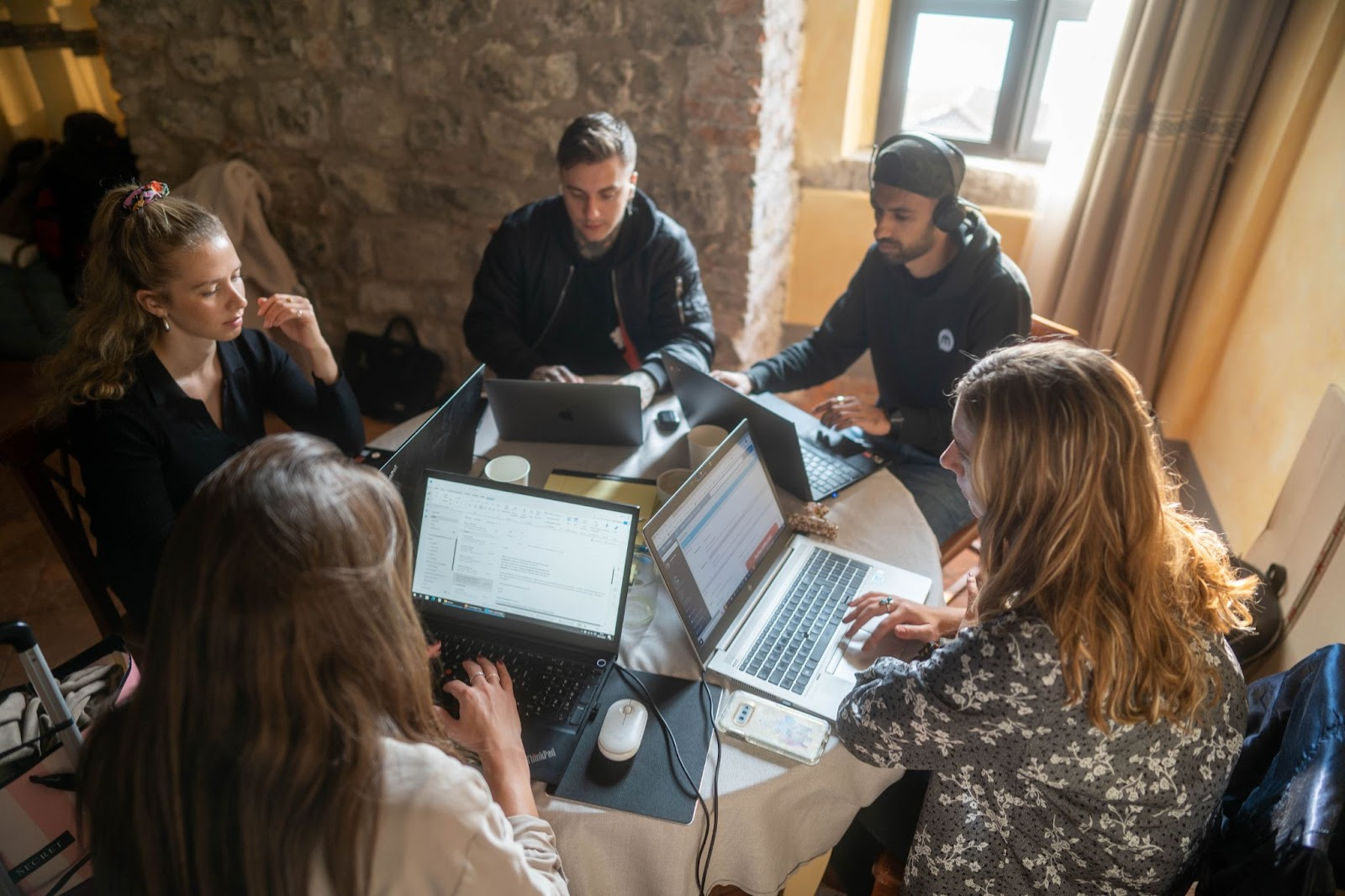
Remote work brings a lot of perks for both employees and employers:
For the company:
For the team members:
However, it has been observed that members of remote teams can develop a growing sense of disconnection and isolation over time. In addition, when your team is spread out all over the world, it can become complicated to stay in touch due to time zones. There are fewer spontaneous social interactions, no more "water cooler" moments, the calls tend to go more "to the point" and miss the personal life updates, so we "don't waste anyone's time", reactions are turned into emojis and thumbs up instead of hugs and handshakes. With more focus on tasks and fewer points of connection around values and company culture, it can become challenging to maintain a shared identity. Finally, remote work also tends to bring down boundaries between personal and professional lives, which can lead to exhaustion and burnout.
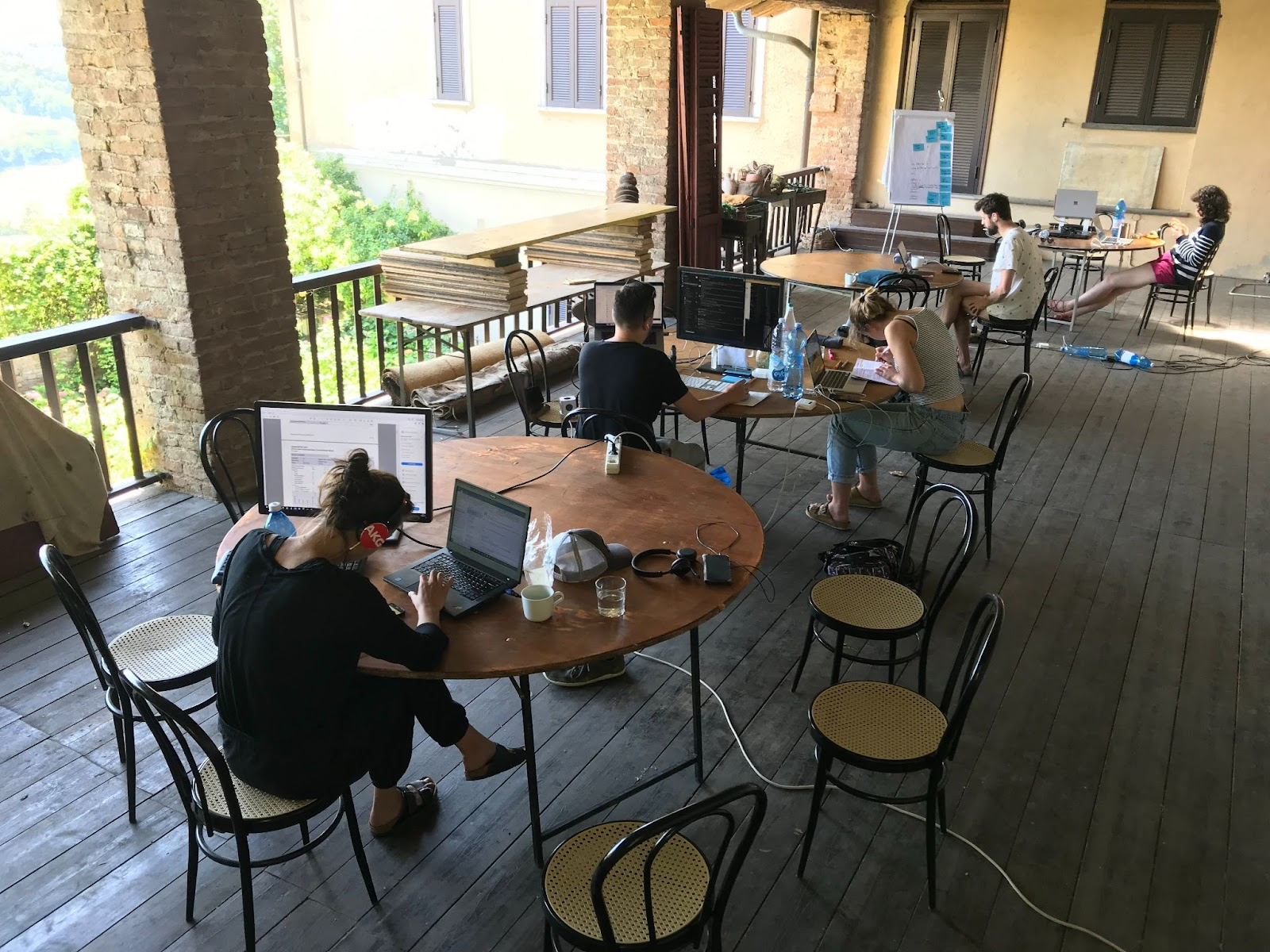
The changes might be minimal at first, subtle even, which is why it is essential to keep an eye out for:
Building cohesion demands ongoing efforts, and in a remote team situation, it requires ongoing attention; otherwise, you risk allowing a toxic culture to take hold, with long-term negative effects.

Paradoxically, fully remote workers are the most likely to be engaged at work (31%), compared with hybrid workers (23%), on-site remote-capable workers (23%), and on-site non-remote-capable workers (19%), according to Gallup.
In the 2024 New State of the Global Workplace report by Gallup, work location shows the most significant differences in employees’ experiences with loneliness. Fully remote employees report significantly higher levels of loneliness (25%) than do those who work exclusively on-site (16%). In comparison, hybrid workers fall in between at 21%.
Fully remote employees are also more likely to report experiencing anger, sadness, and loneliness than hybrid and on-site workers. They are more likely to report experiencing a lot of stress the previous day (45%) than on-site workers.
In addition, trust and collaboration usually suffer without regular interaction, resulting in misunderstandings and diminished morale. Indeed, as an International Journal of Advanced Business Studies paper from 2025 cites, team cohesion relies heavily on interpersonal interactions and shared experiences, often diminished in remote settings.
These are usually due to a combination of the professional version of "out of sight, out of mind". Without going to the office, work becomes "just work" without the social perks (friends, lunches, stories...), and one can quickly feel "forgotten". In addition, while autonomy is essential for employees to feel trusted and to thrive, too much of it can also create stress and a sense of overwhelm, especially at first, before they get their bearings.
Finally, as the rise of AI and tech makes it easier for many to work from anywhere, remote work still requires some specific skills from the organisation, including tech savviness, which can sometimes build up some frustration, and there isn't a coworker around to help...
All of that eventually takes a toll on the individual and the team's overall mental health and wellbeing.
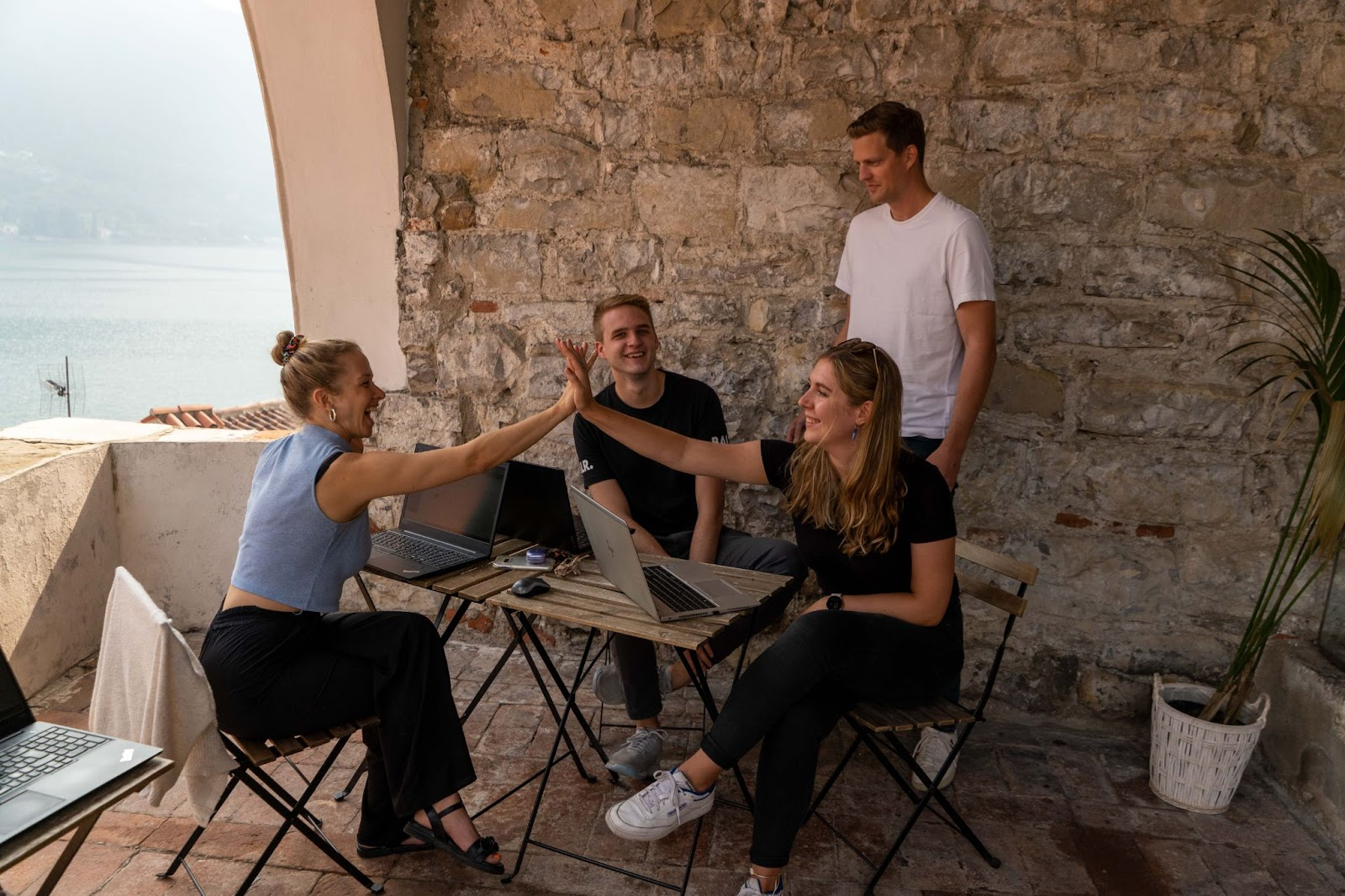
The first step is to understand how much "damage" has been done and how much work will be necessary. Assessing the current level of team cohesion remotely involves observing key indicators and gathering feedback. This can be done through:
Data is great, but do not forget the qualitative Approach.
Direct observation of team interactions during meetings and activities, involvement in meetings, responsiveness, willingness to contribute ideas, and collaboration on projects. As well as how conflicts are handled.
Based on those results and data, you should be able to identify the area(s) that need attention and investment.

Cohesion cannot be rebuilt within a day. It will demand time and consistency as well as a healthy mix of online and offline interventions.
Fostering ways to build trust and a sense of psychological safety and belonging should be your priorities. Remember to communicate clearly and openly about the goal of these actions, be flexible and receptive to feedback so that it does not feel forced, and ensure everyone feels included when choosing a ritual or activity.
Here are some suggestions:

We are not saying you cannot build trust through a screen; as a distributed team ourselves, we know it can be done. But we also see the value of team retreats when it comes to reboosting cohesion.
An offsite is an excellent opportunity to create valuable opportunities for (re) building trust through shared experiences, informal social interactions outside of the daily routines, and immersive workshops.
However, you need to plan the right retreat for your goal. If cohesion is the mission, ensure you select a venue and build your agenda around that theme.
A few things to add to your agenda to help with team cohesion during your company offsite:
Rebuilding connections takes time and consistent effort, as well as a mix of on and offline meetups, from scheduled to informal. There are many tricks and tips to bring your team back "together-appart", but they need to be used smartly, with a clear goal in mind and monitored and measured.
From practical insider warnings to new secret locations, get our monthly, genuinely spam-free newsletter.
Subscribe now
%20(4).jpeg)