Home
>
Blog
>
Retreat planning
>
Attention Restoration Theory: Why Your Next Strategy Session Should Be Outside
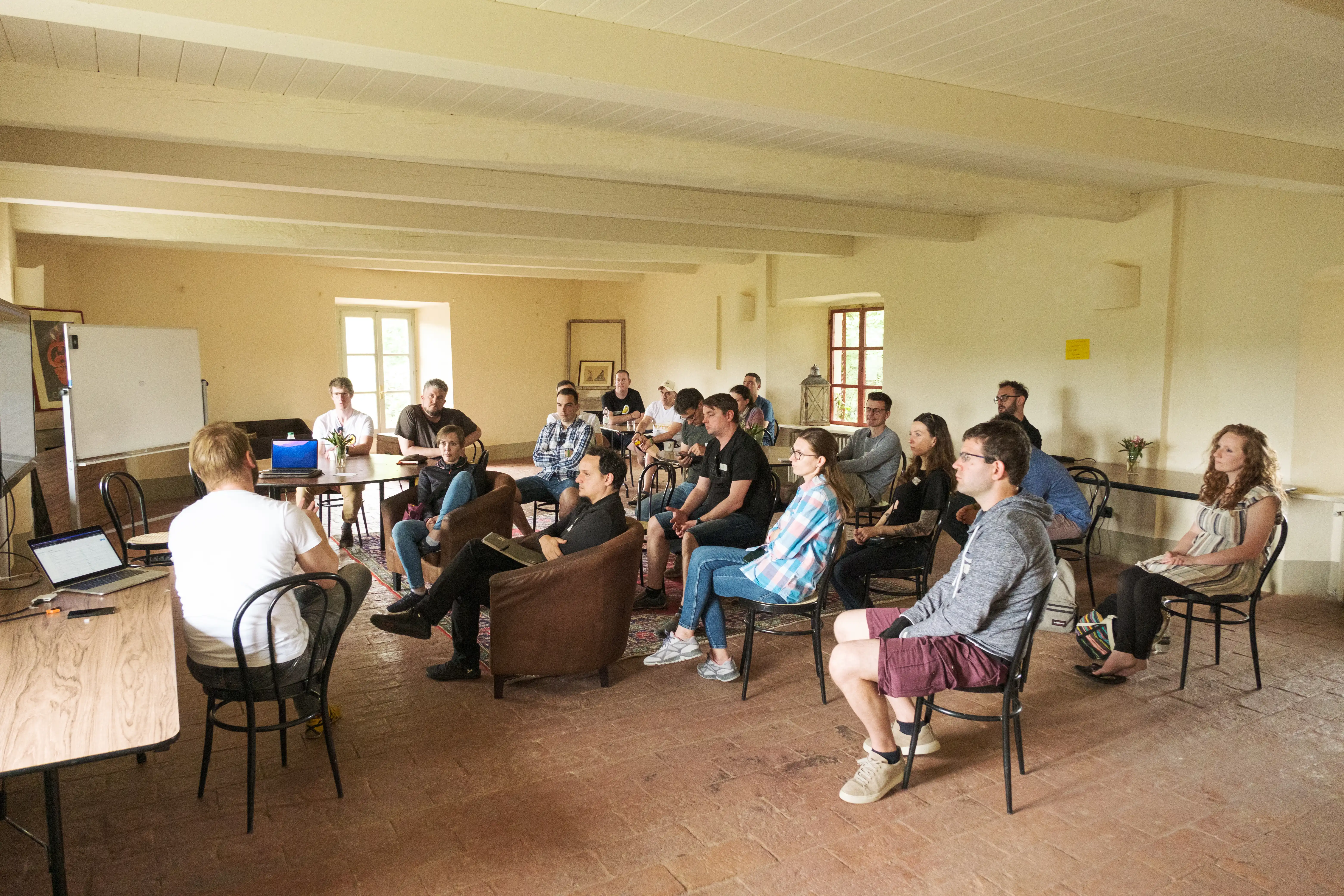
Feeling overwhelmed? Go outside and look at the sky.
Feeling frustrated? Go take a walk and hug a tree.
Feeling uninspired? Go to the park and look at the squirrels.
It’s almost annoying how many of our modern, complex problems can be solved by simply putting on our shoes and stepping out the front door. But as it turns out, there’s a scientific reason why "touching grass" is a biological necessity.
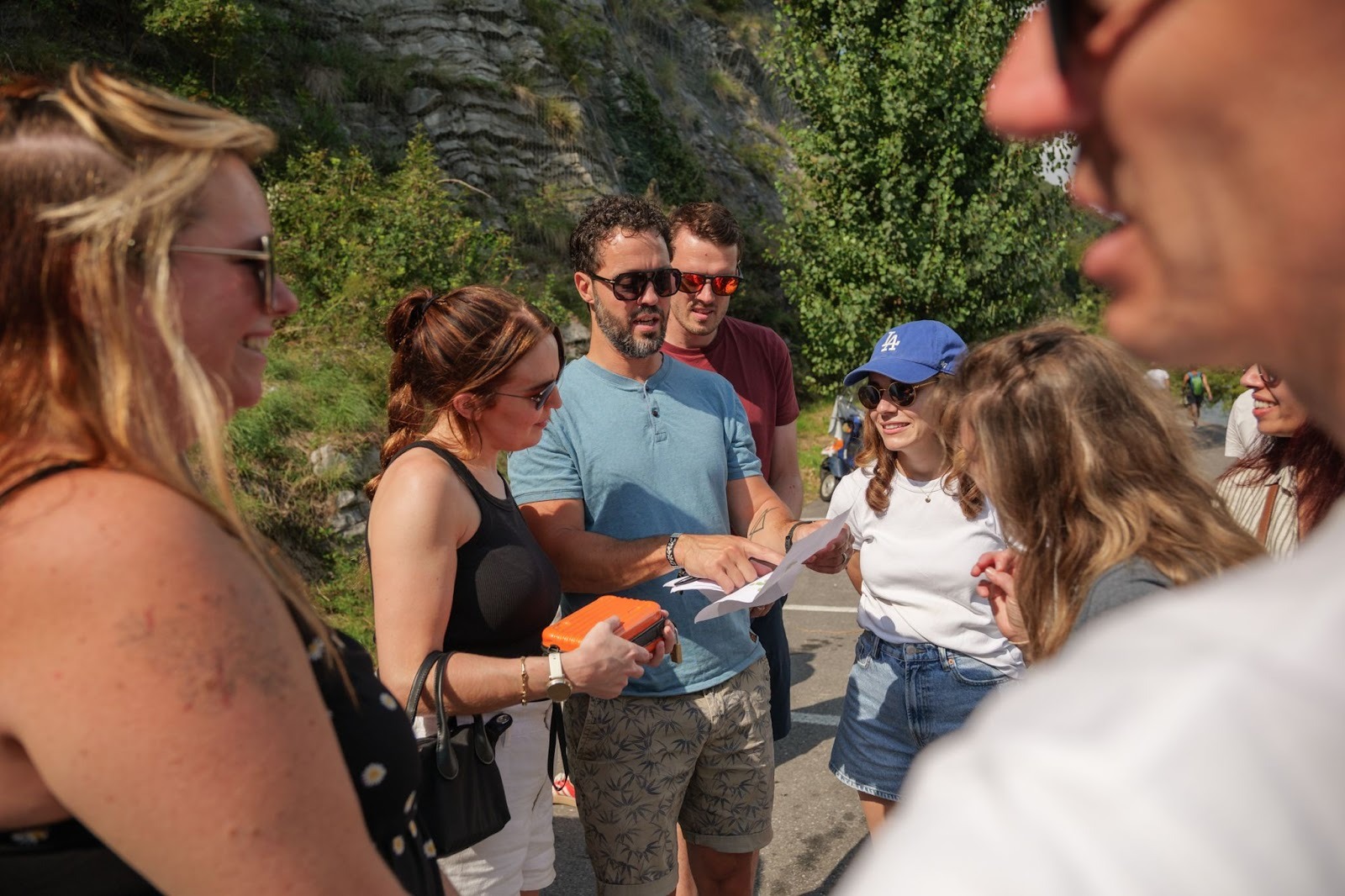
In our modern work life, we are constantly over-taxing our Prefrontal Cortex, the part of the brain responsible for "Directed Attention", the high focus required to ignore distractions, manage complex tasks, and stay professional when a meeting could have been an email.
The problem? Directed Attention is a finite fuel tank. In an urban environment, we are constantly "spending" this fuel just to block out the noise of traffic, the glare of screens, and the ping of notifications. When that tank hits zero, we experience Directed Attention Fatigue (DAF). You know the symptoms: irritability, a total loss of creativity, and that specific type of brain fog where you’ve been staring at the same paragraph for twenty minutes.
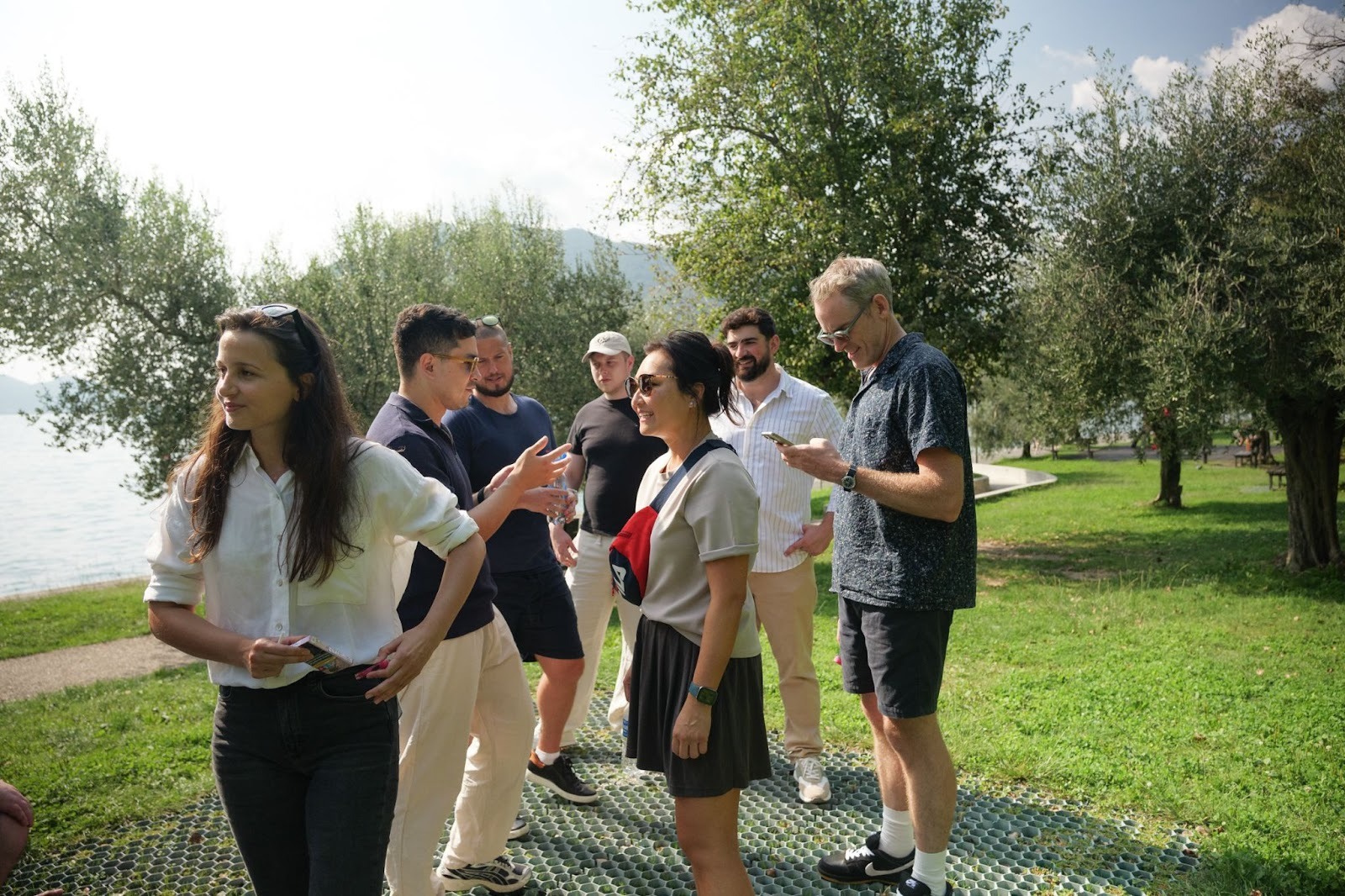
In the 1980s, psychologists Rachel and Stephen Kaplan introduced a concept called Attention Restoration Theory (ART). It’s not about oil paintings or photography (though we’re pretty sure those help too).
ART is a psychological framework that explains why natural environments are the ultimate "reset button" for a tired brain.
Unlike the "Hard Fascination" of a loud movie or a high-stakes video game which still requires cognitive processing, nature provides Soft Fascination.
Watching a stream flow, seeing leaves rustle, or tracking clouds doesn't take "willpower." These patterns (often called fractals) are easy for the brain to process. They occupy the mind just enough to stop it from ruminating, but not enough to require effort. This gives our Directed Attention a chance to rest and fully recharge.
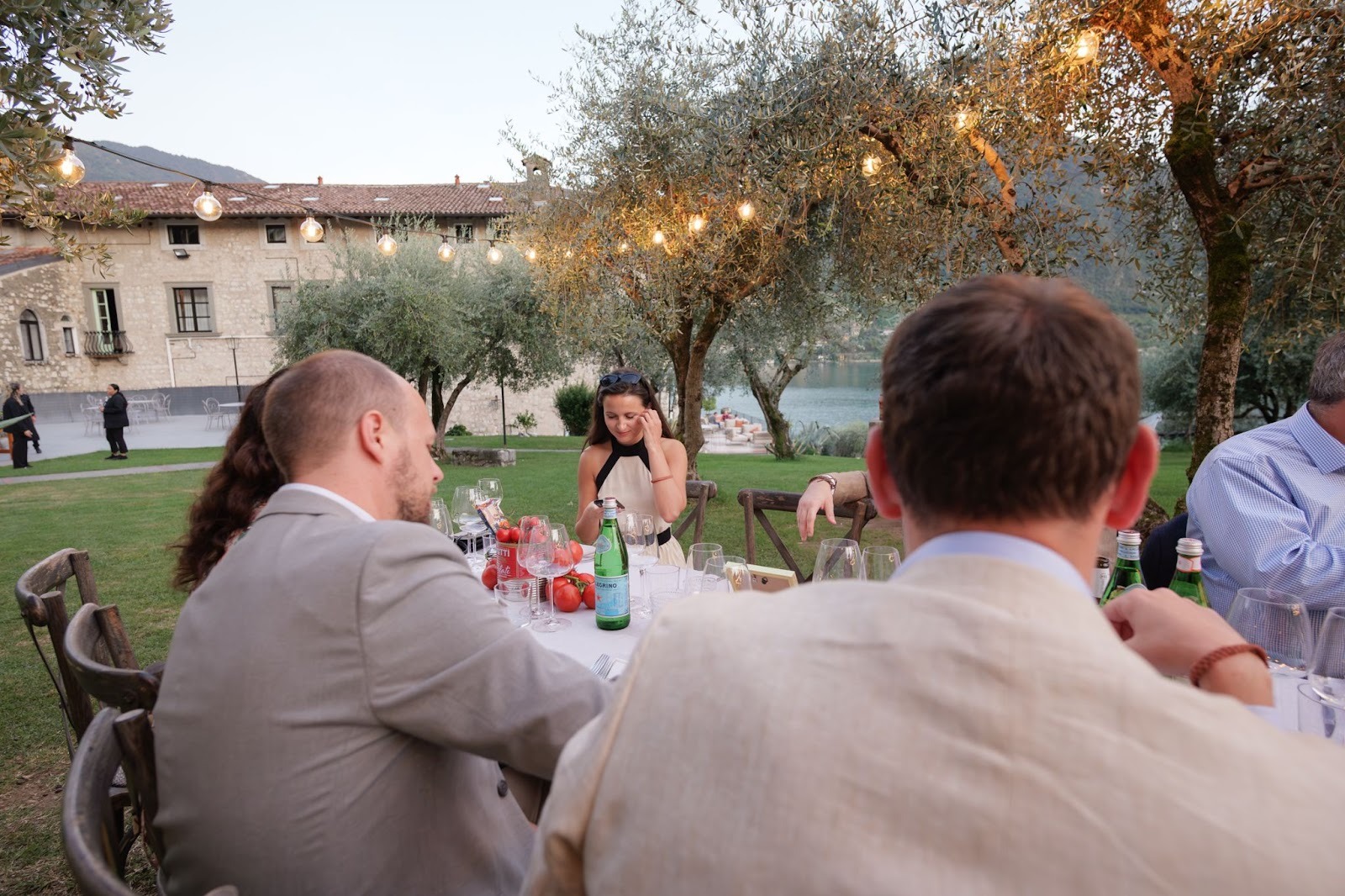
According to the Kaplans, for an environment to truly "restore" your team, it needs four specific qualities, all of which are found in abundance during a nature retreat:
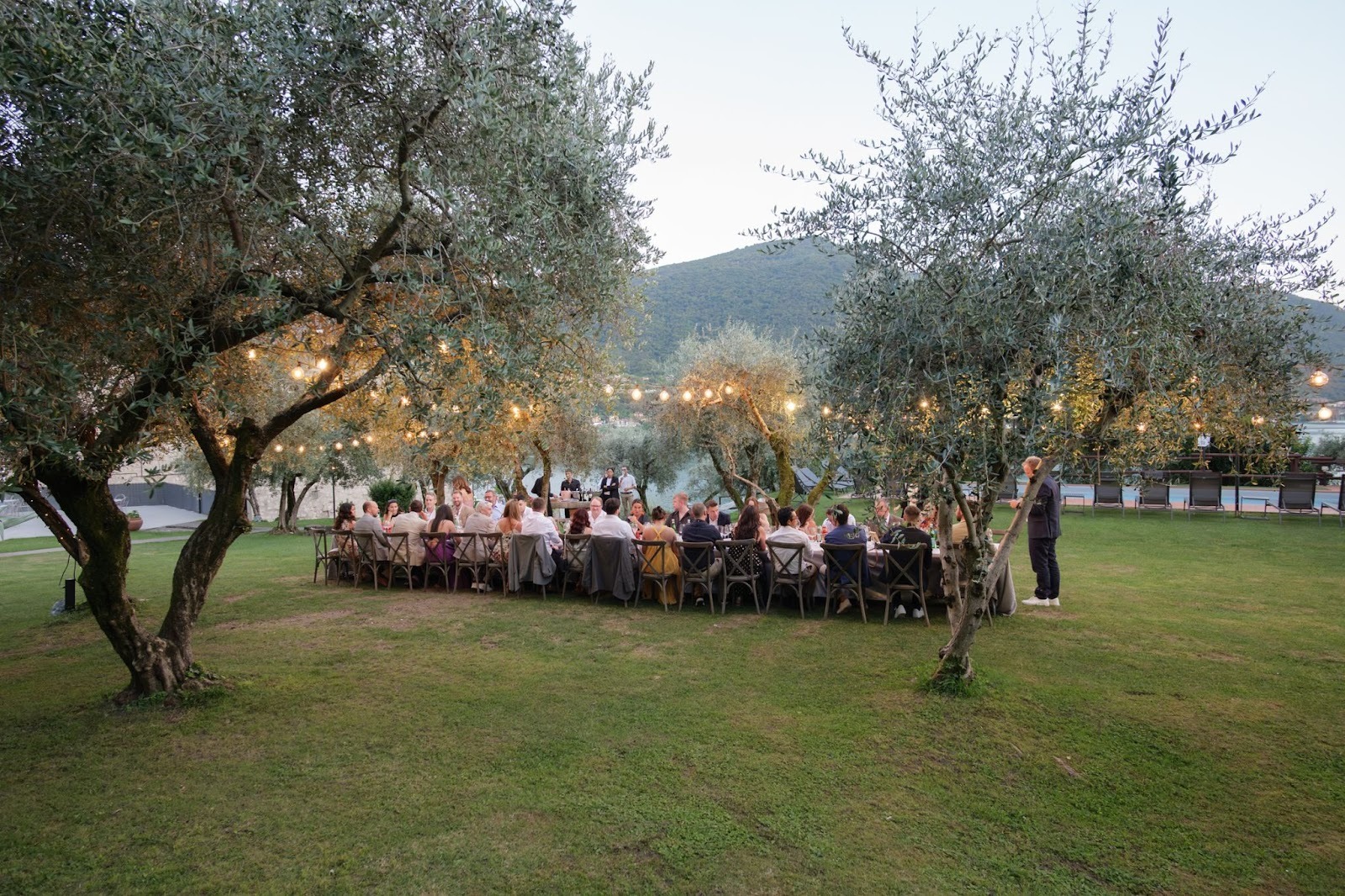
This theory is obviously music to our ears, but it’s also something we see in action every single week. We’ve always believed that where you do the work is just as important as how you do it.
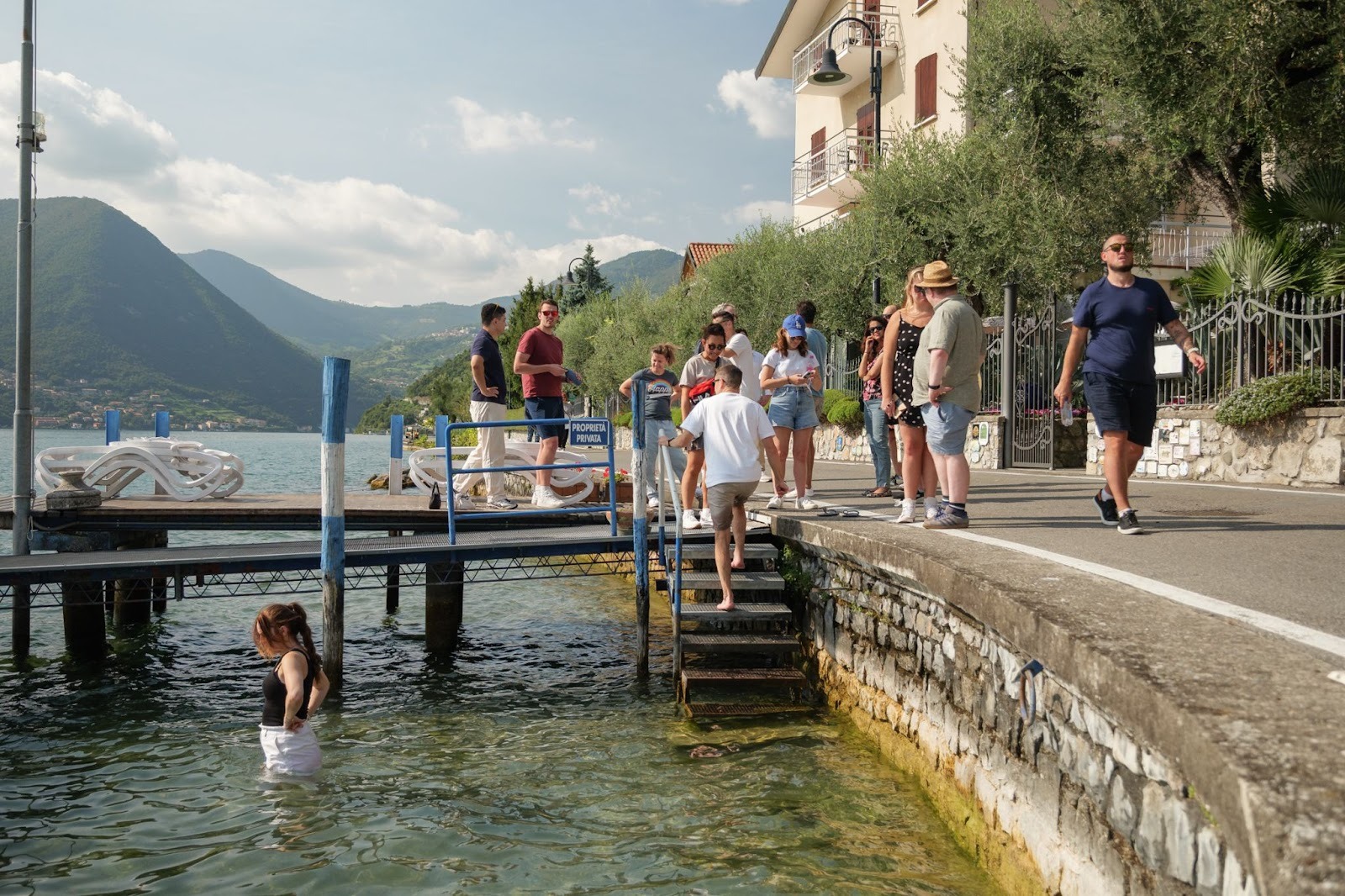
When you take a team out of a hotel basement and put them in a forest, the shift is immediate. People are in better moods, they’re less exhausted after a day of workshops, and the quality of human connection skyrockets.
Here is why a nature-based strategy session actually works:
Next time you’re planning a strategy session or a team offsite, don’t ignore the power of ART. Breathing fresh air, walking through a forest, and working together under a canopy of trees isn't a "perk", it’s a better way to work.
Is your team's "Directed Attention" running on empty? If you’re ready to trade the screen for the trees and see what a little "Soft Fascination" can do for your business, get in touch.
From practical insider warnings to new secret locations, get our monthly, genuinely spam-free newsletter.
Subscribe now
%20(4).jpeg)