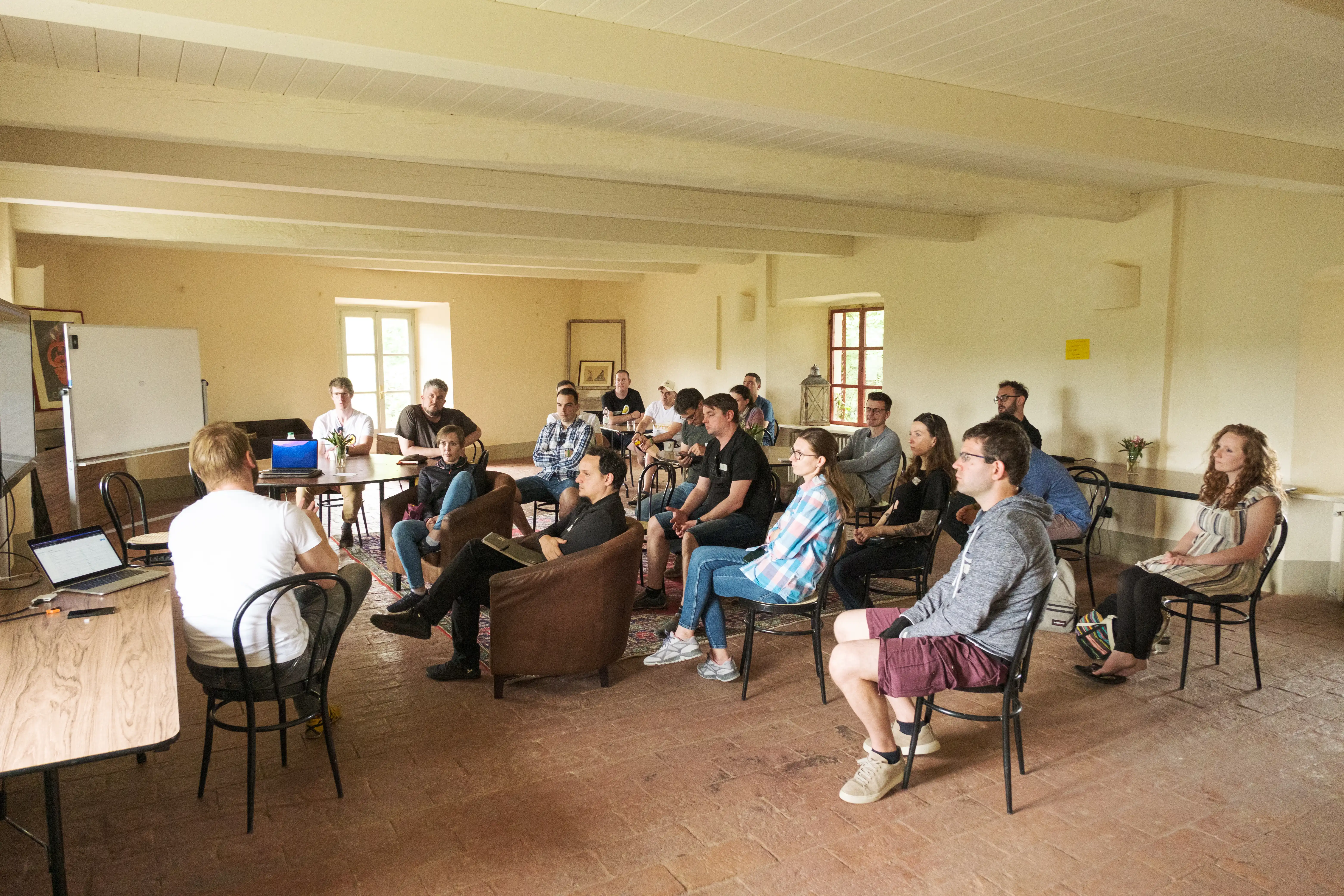
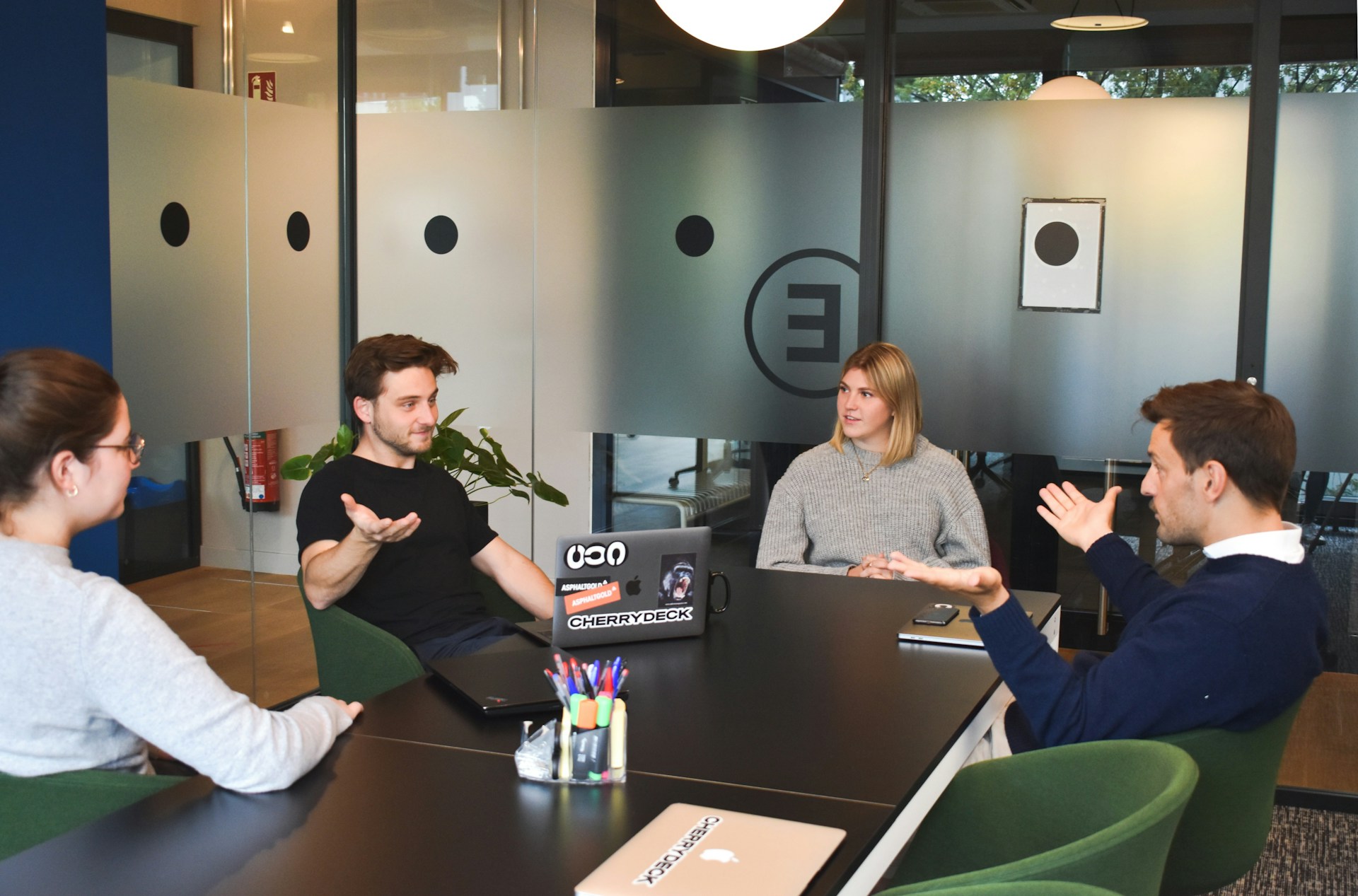
Research consistently shows that the most effective retention strategies go beyond compensation, focusing instead on professional development, supportive leadership, recognition, and psychological safety.

While recognition through fair pay remains the priority, especially in these uncertain times, workers today expect more than just a fair salary, which should be a given to take or keep a job. When it comes to nurturing loyalty, psychological safety and purpose have surpassed the pre-pandemic free snacks, foosball tournament, and other so-called "perks".
Employees now prioritize:
In recent years, we have seen workers redefine what work should mean and no longer accept poor management or toxic cultures, which has led to an increased willingness to quit despite economic uncertainty.
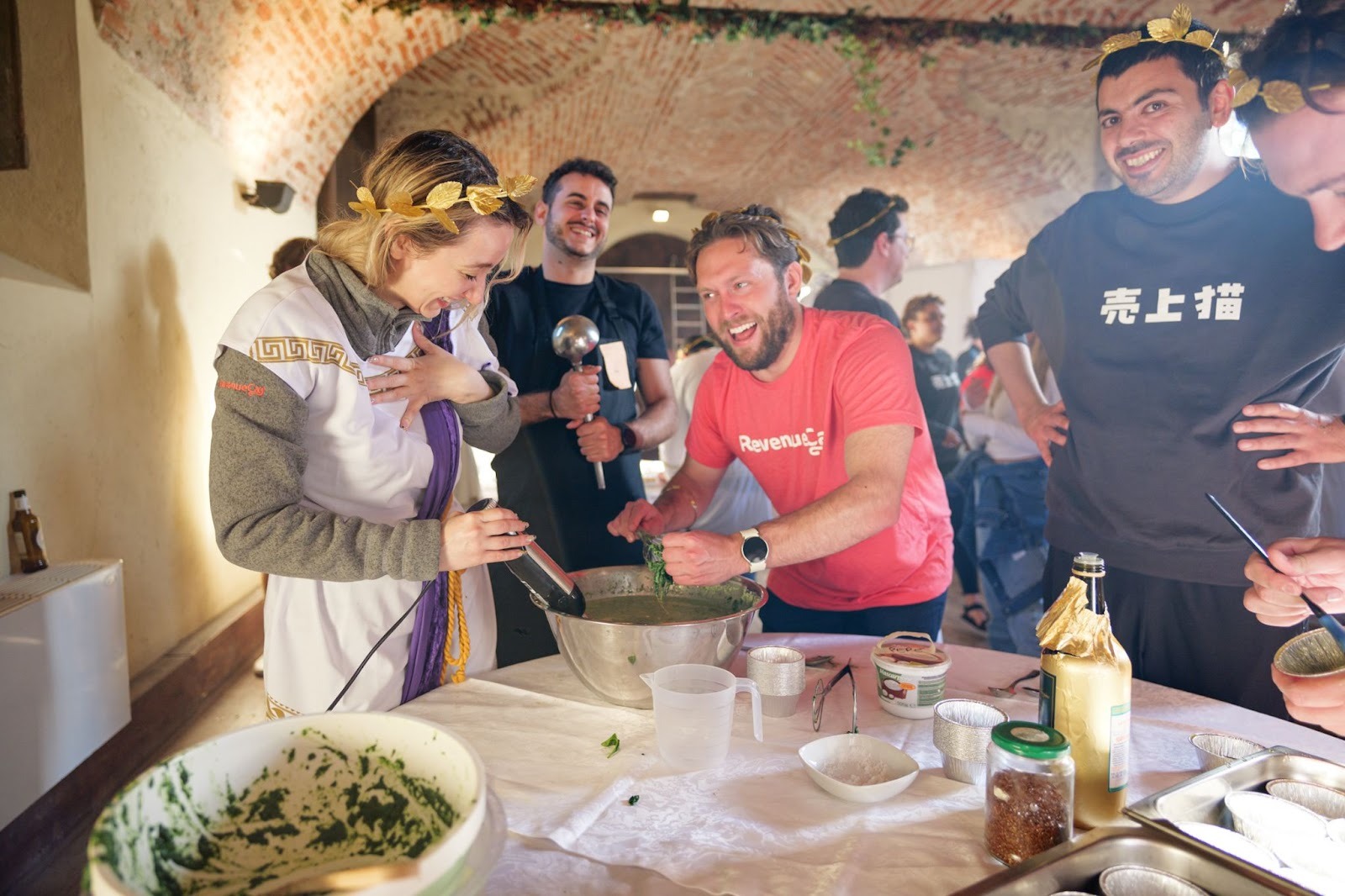
A high turnover rate is costly, undermines morale, and damages company culture.
It will negatively affect team culture by impacting morale and indicating instability, deterring potential talent from joining a company with high turnover rates. When it comes to cost, it is commonly said that employee turnover can cost between 50% and 200% of an employee's annual salary!
An employee leaving will create expenses:
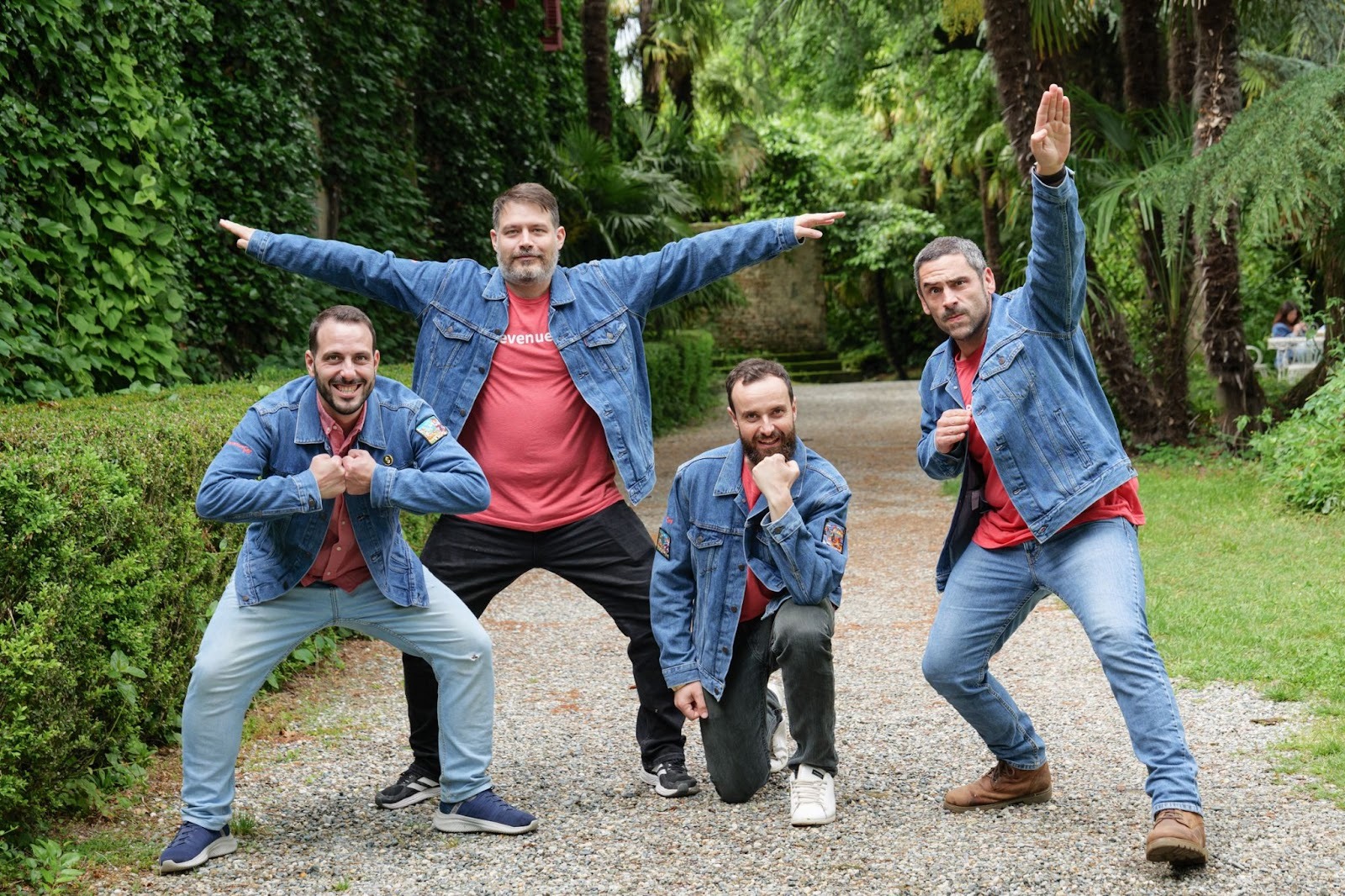
"To keep your employees, keep them happy" is an easy way to remember it. It may sound simple, but there are many things to get right to ensure your team is thriving. As we saw above, it is not just about the money (though that matters too!).
These practices together create an environment where employees feel valued, see growth opportunities, and are motivated to stay long-term, reducing turnover and improving organizational success. After exploring what modern employees value, it's clear why retention depends on culture. But how do we build it? That's where nature retreats provide a powerful reset.

"The perfect blend of nature, comfort, convenience, space, light, tranquillity, fun activities, and a great team of supportive hosts who are somehow always around when you need them but never distracting. These magic ingredients combined to give our team a nourishing and inspirational retreat Talent retention is one of the biggest challenges for organizations in 2025. While fair pay and benefits remain essential, financial rewards alone no longer secure loyalty. Employees now look for flexibility, trust, growth, and meaningful work, elements that build a culture worth staying for.and excitement about our next steps."
Adam Spiers, CTO & Co-founder at Toucan.
Research and industry reports consistently find that well-designed team retreats measurably improve employee retention. Companies that prioritize employee wellbeing and meaningful team experiences often see turnover reductions ranging from 20% to over 40%, depending on the organizational context and retreat approach. These retreats foster stronger engagement, trust, and alignment, key drivers behind lower voluntary turnover and longer tenure.
We've said it before: corporate retreats can be a great way to boost motivation, rebuild trust, create a sense of belonging, nurture a support system, create collaboration opportunities, build loyalty, get back on track, notice new sides of your collaborators, and allow space for new ideas. They contribute to improved alignment, better communication, and employee satisfaction, which are well-known drivers of retention.
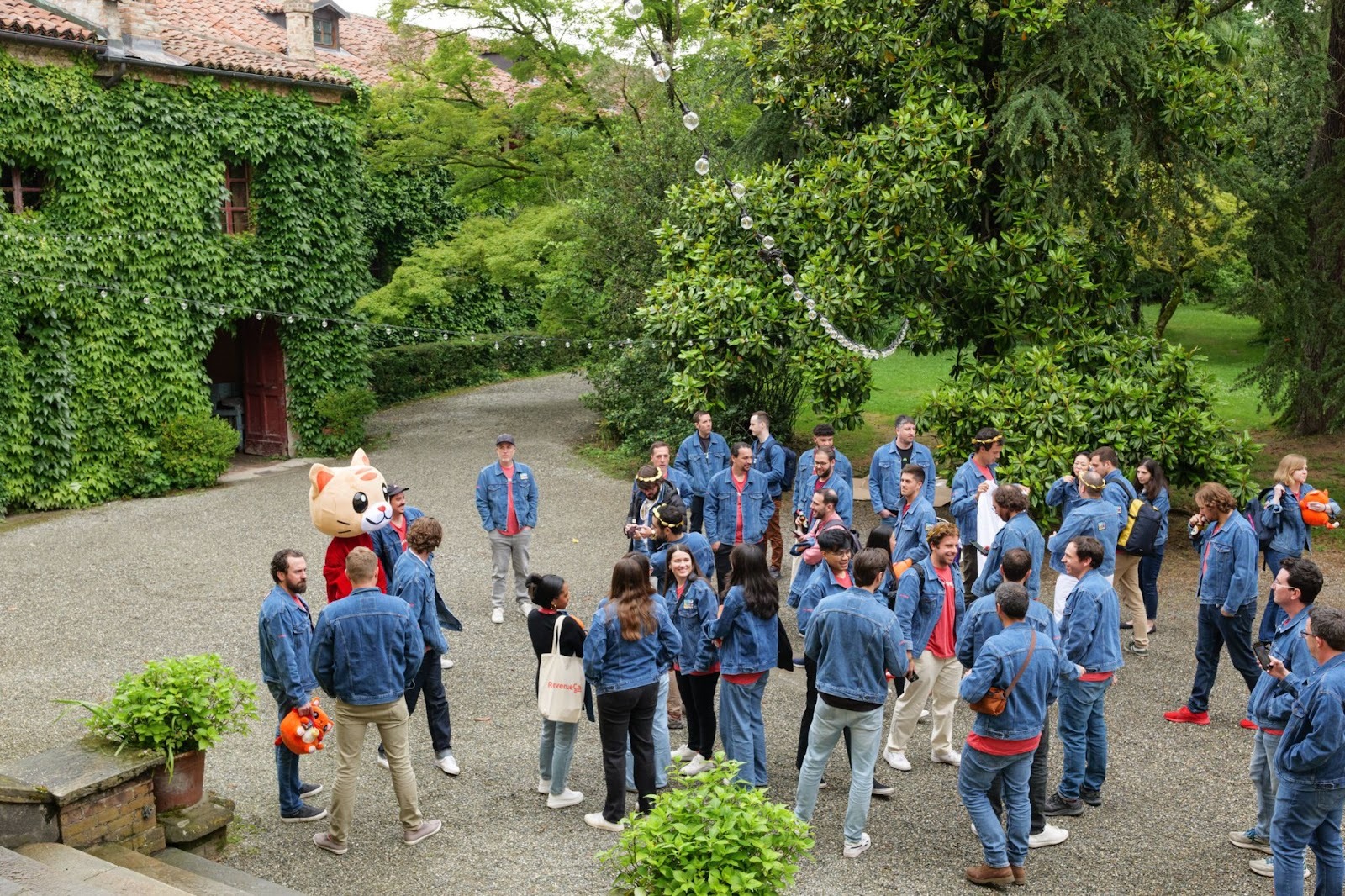
Deloitte's 2024 Global Human Capital Trends highlights that worker wellbeing and engagement remain critical to retention, with firms investing in meaningful team experiences typically seeing improvements in loyalty and reduced voluntary turnover.
Low-engagement teams typically endure turnover rates that are 18% to 43% higher than highly engaged teams.
Inclusive cultures significantly improve retention, with organizations reporting up to 3.5 times higher retention rates when cultural inclusivity and belonging are prioritized.
Employees who report positive relationships and cohesive team experiences with managers and colleagues are over 3 times more likely to stay in the organization, illustrating how retreats that strengthen team bonds can support retention indirectly.
Immersion in nature ignites creativity and cognitive flexibility. Green, unstructured environments stimulate new thinking and problem-solving skills, making employees feel more engaged and productive upon returning to work. This renewal of creative energy enhances both performance and intrinsic motivation, two factors strongly tied to retention.
Team retreats aren't perks. They're strategic investments that cultivate loyalty, authenticity, and belonging, turning retention from a cost problem into a cultural advantage. When was the last time your team stepped away from screens to reconnect in nature?
From practical insider warnings to new secret locations, get our monthly, genuinely spam-free newsletter.
Subscribe now
%20(4).jpeg)