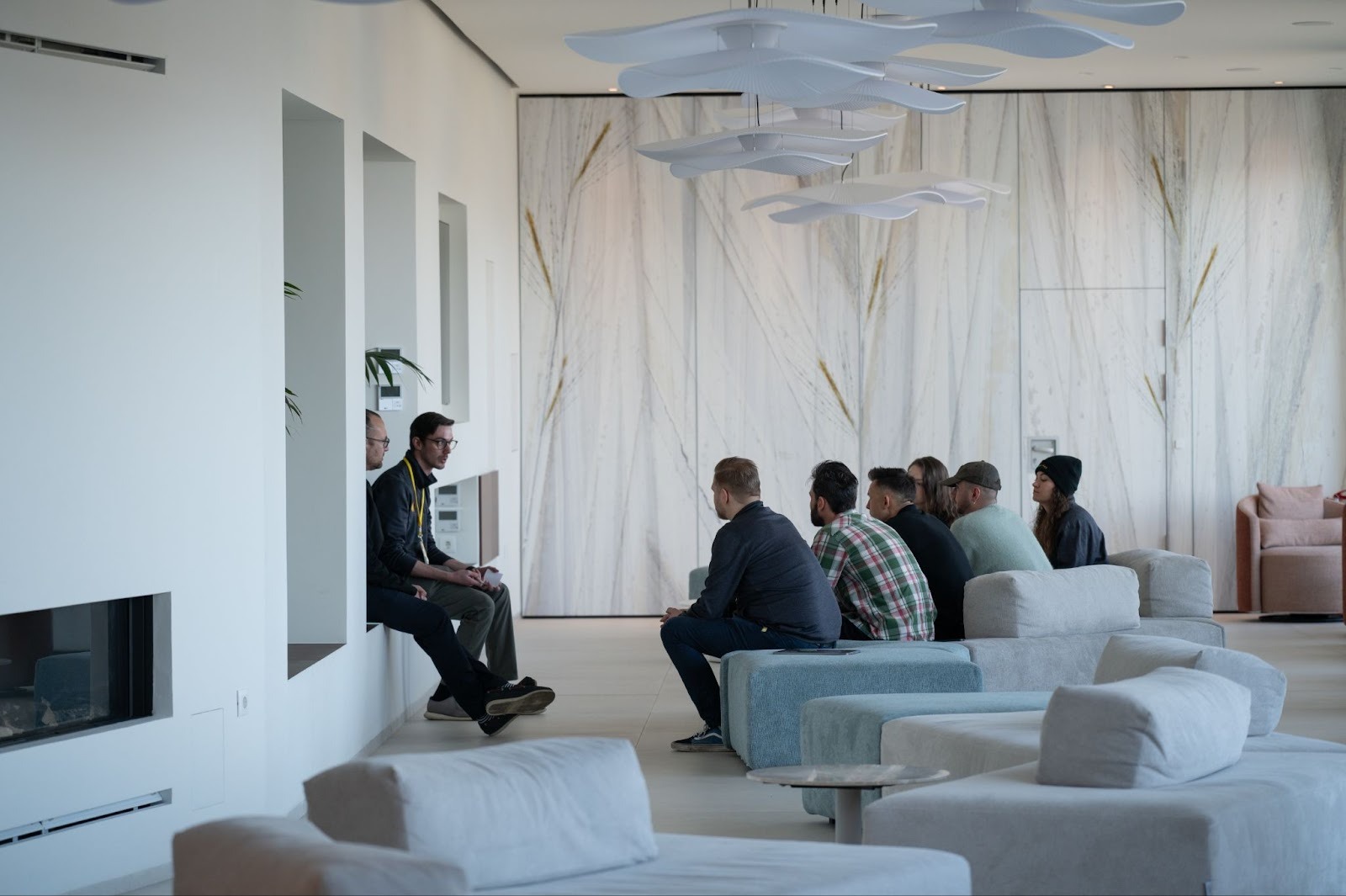
Many organizations are now facing the silent rise of social atrophy: the weakening of collective trust and empathy that occurs when teams interact exclusively through 2D interfaces.
In 2026, many leaders are noticing their teams are hitting their KPIs, yet the “vibe” is off. People are more defensive, silos are hardening, and innovation has slowed down. This isn’t a lack of talent or a failure of AI; it is social atrophy.
Just as a muscle withers when it isn’t used, the “trust muscles” of a team degrade when they are stripped of high-fidelity human signals like tone, presence, and shared experiences.
The result isn’t just a “lonely” workforce; it’s a slower one. To stay competitive, leaders must move beyond the screen and invest in social infrastructure: intentional, offline environments designed to rebuild the human strength that digital tools naturally erode.
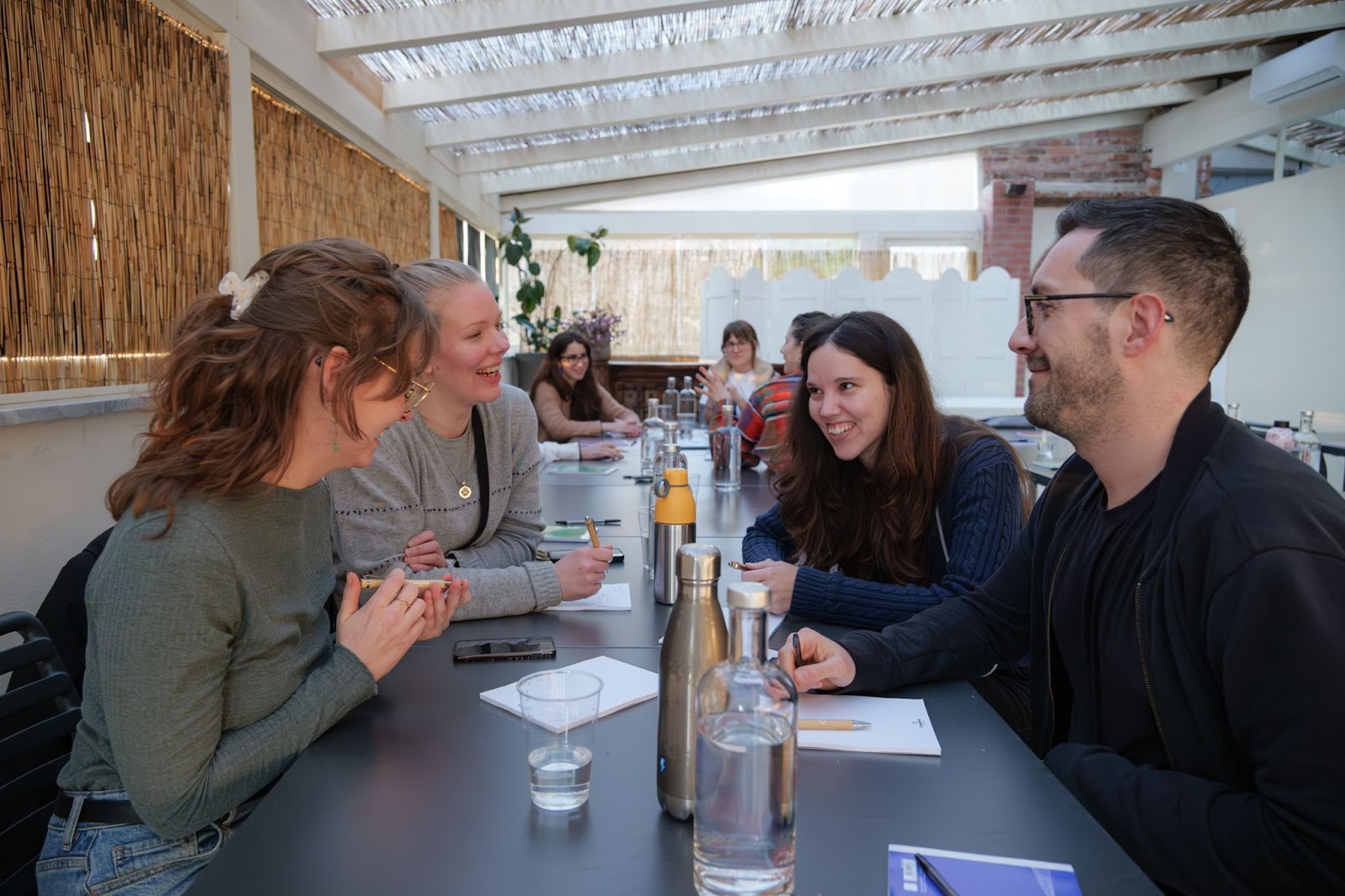
Trust isn’t a transaction; it’s a biological byproduct of time and consistent effort. It is forged in “micro-interactions”: the small, unscripted moments where we show up authentically, communicate clearly, and allow ourselves to be vulnerable. When these moments are filtered through a screen, the foundation of trust begins to crumble.
In 1971, Psychology professor Albert Mehrabian shared groundbreaking data regarding how we communicate feelings and attitudes. He found that when our words don’t match our delivery, we rely on a specific hierarchy of cues: 55% on facial expressions, 38% on tone, and a mere 7% on the actual words spoken.
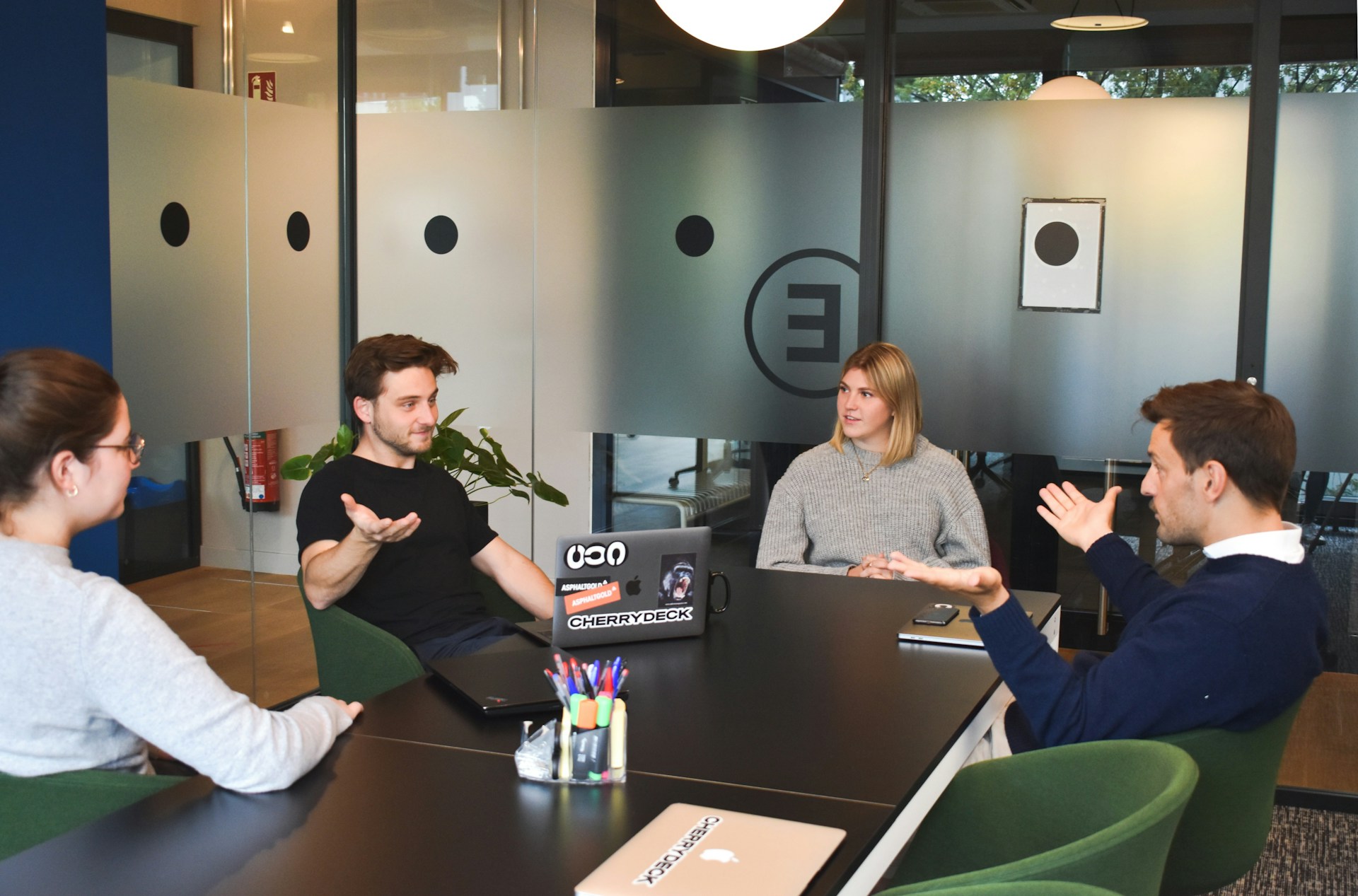
When we move our culture into Slack, Zoom, or email, we are essentially trying to build a relationship using only 7% of our available toolkit. We lose the “high-resolution” data, the slight hesitation in a voice or the micro-expression of a frustrated colleague, that triggers our natural empathy. Without that data, our ability to connect starts to atrophy.
When “transactional” digital communication becomes the default, the core behaviors that Gallup identifies as trust-builders begin to wither from disuse:
By relying on low-resolution tools to do high-resolution work, we aren’t just communicating less effectively; we are letting our “trust muscles” waste away.

You cannot fix social atrophy with another Slack channel or a virtual happy hour. These are 2D solutions to a 3D problem. To reverse atrophy, you need a “social gym”, a high-fidelity environment where the trust muscles are forced to engage.
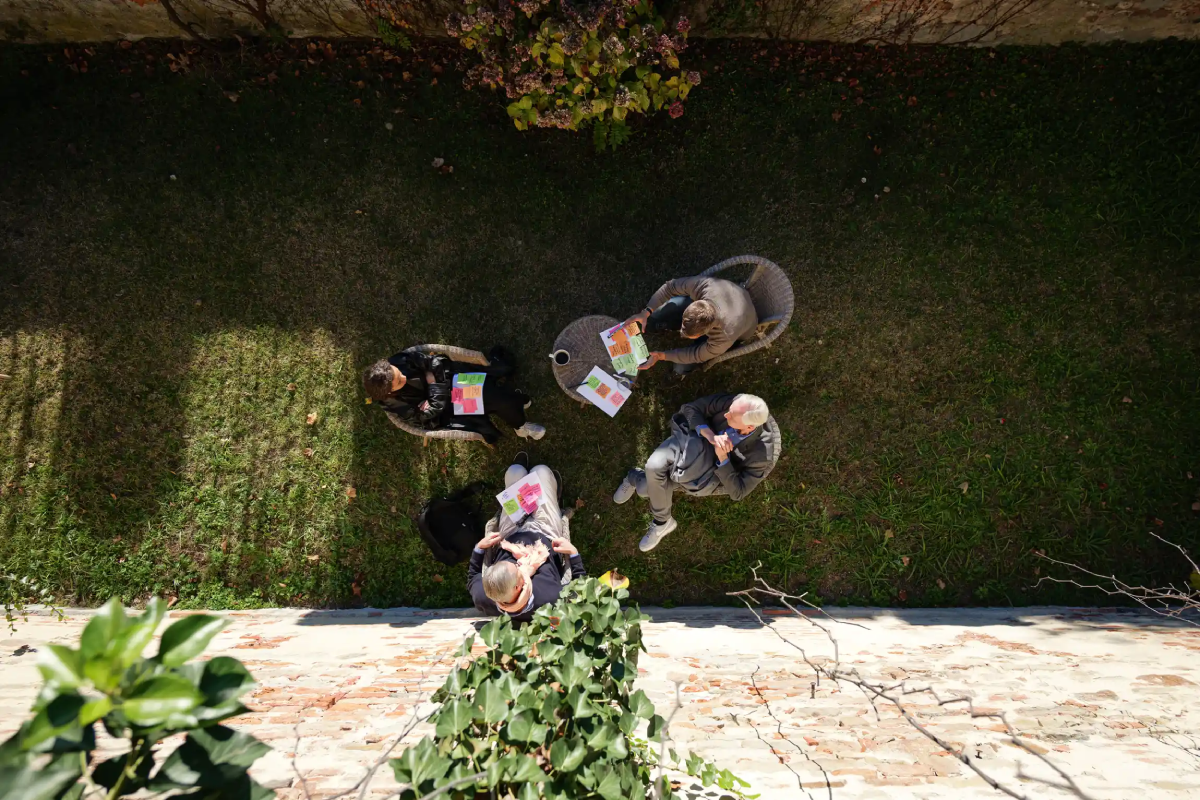
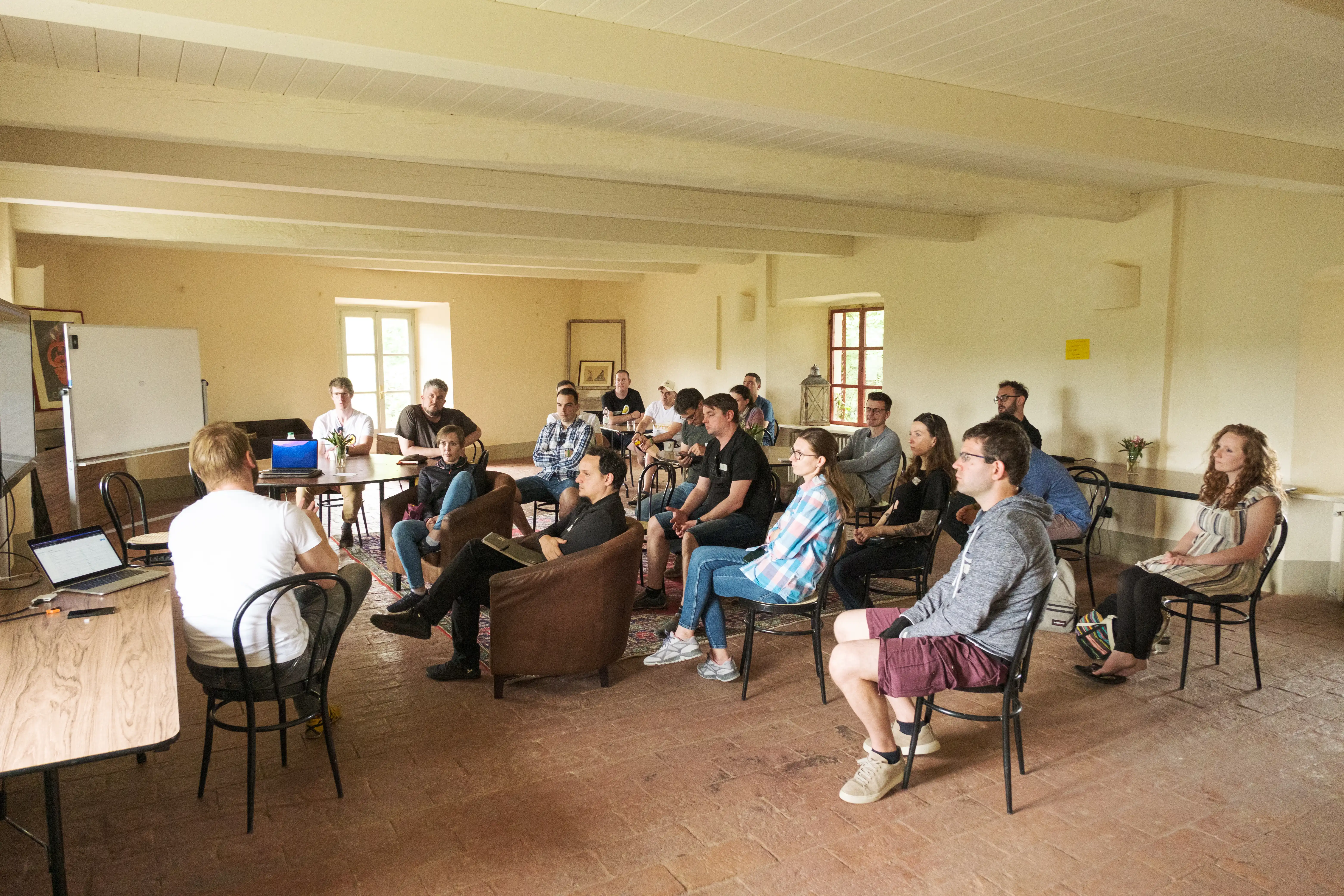
Most offsites fail because they keep the corporate “on”. Fluorescent lights and swivel chairs signal the brain to stay in “transactional mode.” A high-fidelity human connection requires a sense of safety. Nature isn’t just a scenic backdrop; it is a biological tool. Research shows that natural environments lower cortisol and shift the nervous system from fight-or-flight to rest-and-digest. When the biological stress of the “office” is removed, the corporate mask slips, allowing for the genuine vulnerability and psychological safety that digital interfaces naturally stifle.
We need to stop treating retreats as just a “break” and start seeing them for what they truly are: a tool. Shared analog tasks such as cooking, navigating a trail, or building a shelter create a “common history.” These aren’t just games; they are the physical building blocks of trust. When a team faces a high-pressure cycle six months later, they don’t draw on a Slack thread; they draw on the lived experience of having solved tangible, real-world problems together.

The success of a retreat lies in eliminating friction in the months that follow.
In a world where AI can mimic our logic and automate our tasks, the "Human Premium" is what we are left with to make a difference. But we cannot expect teams to innovate, take risks, or move fast when their primary connection to one another is a 2D interface that filters out most of human empathy. As we move deeper into 2026, the most successful leaders will be those who stop trying to "download" culture and start investing in the analog environments where it actually grows.
From practical insider warnings to new secret locations, get our monthly, genuinely spam-free newsletter.
Subscribe now