It may have started as a gaming technology, but virtual reality (VR) and Augmented Reality (AR) have now been adopted across various industries, including business, technology, healthcare, education, and, of course, the business travel and retreat industries.
In this piece, we will explore the power of both VR and AR and how they are entering the world of corporate retreats, as well as the benefits and challenges they can bring to companies, venues, and third parties.
Augmented reality enhances what you see around you by using digital information, such as 3D images or animations. It does not replace but "augments" the real world. All you usually need to experience it is your smartphone, tablet or smart glasses. Tools that allow you to visualize furniture in your living room through your camera, for example, utilize AR.
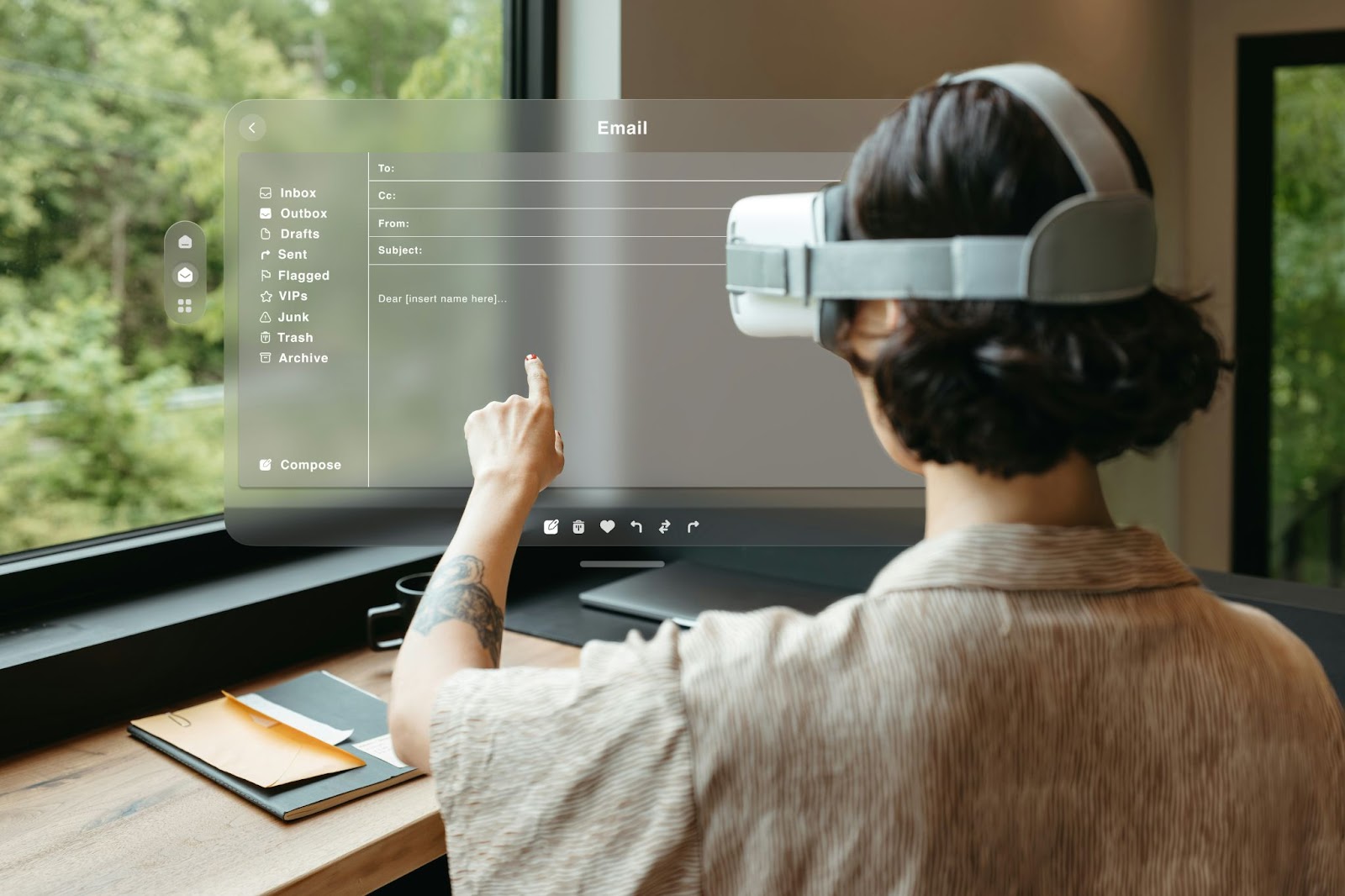
In contrast, Virtual Reality is fully immersive. It creates whole environments that replace the real world, using headsets (with or without gloves or controllers) to enter and interact with this fictional world.
In essence, AR supplements your current reality with digital content. At the same time, VR transports you to a wholly different, immersive digital environment. Whether you choose one or another depends on your goal and budget, as VR is more accessible than AR when it comes to gear and hardware.
VR and AR are making their way into both the travel and team retreat industries, changing how destinations and group experiences could be marketed, planned, and delivered.
A particularly promising and valuable feature is that they offer immersive previews and virtual tours. This allows travellers to explore a venue or step inside hotels as a way to preview locations before booking, helping them make more informed decisions and setting realistic expectations.
This new way of showcasing destinations and venues makes promotional content more engaging and interactive.
However, VR and AR can also be utilized on the ground, during trips, with interactive city guides, gamified tours, and real-time translation, supporting a more seamless exploration while walking through the streets of Rome or exploring Kyoto.
These are just a few examples of the uses for VR and AR. It is easy to understand why, in 2025, VR in the tourism market is already valued at $7.50 billion and projected to reach $27.50 billion by 2029, while AR is estimated to grow from $29.58 billion to $109.13 billion.
Looking at the team retreat industry in particular, it is easy to see how VR and AR can be put to good use both before and during a retreat:
Planning a retreat can be a headache. Especially if you decide to go "DIY" and it is added to your list of tasks, as it can take hours of work to find the right venue at times.
Imagine then being able to use VR to explore the different sites, understand the layouts of the location and the outdoors, and start planning with your team without having to rely solely on pictures and Google Earth views. You'll even be able to simulate different scenarios for logistical and safety reasons.
Both VR and AR can truly empower retreat planners in designing tailored experiences that depend on the group's size and goals.
VR and AR are definitely adding to team-building company retreats by creating immersive, engaging, and scalable experiences that foster connection and teamwork, especially for remote and hybrid workforces. Does that mean it is the end of retreats as we know them?

While VR and AR will continue to evolve and create even greater impact and connections, it is doubtful they will ever fully replace traditional getaways.
Indeed, companies usually plan to take their team on a retreat because they seek out:

In addition, there are still some shortcomings with VR and AR:
While both hold transformative potential for team experiences, these limitations mean that AR and VR are tools best used alongside traditional methods rather than as a full replacement. They are, in particular, great add-ons to address new dynamics such as remote and hybrid teams. Indeed, many companies find it interesting to combine VR with physical or hybrid retreats, leveraging the immersive benefits of remote collaboration while still hosting in-person networking and casual interactions.

Because it is new and trendy, it might be tempting to jump on the bandwagon without much more of a second thought. But as always, deciding when to implement some virtual experiences depends on your team's retreat goal and any constraints you may be facing.
It might not be the best idea if:

However, AR or VR might come in handy when:

If we are going down that path, there are many questions to ask to ensure that technology actually enhances rather than distracts from the experience, and that adding these experiences aligns with the practical and emotional goals of each retreat.
If you are working with a retreat planner or facilitator, these are great questions to address together with them ahead of booking your activities.
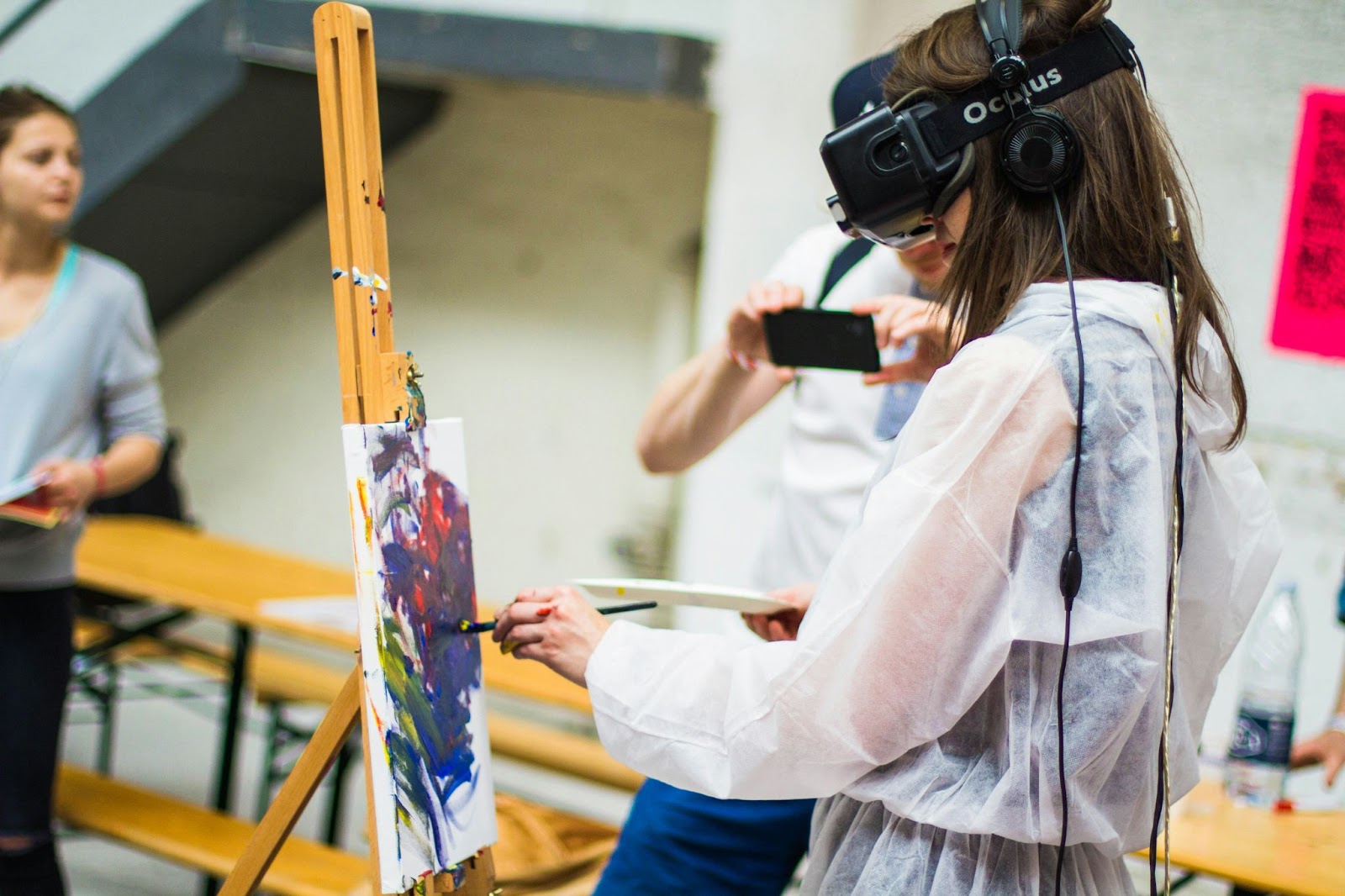
As we end this piece, we want to note that it is essential to keep in mind that while AR/VR adoption for team retreats is a significant emerging trend, it is by no means yet a standard or frequent request in the broader market, especially outside large enterprises or technology-focused companies. Currently, it is predominantly large companies that utilize VR and AR for team retreats and team-building activities, as they can innovate and invest at scale. Smaller companies will probably follow once things become more affordable over time; however, at the end of the day, we believe Humans will always want to meet in person, free from the tech that surrounds us in our everyday lives.
Although it is still relatively niche, the emergence of VR and AR will undoubtedly play a role in enhancing the team retreat landscape. However, while the virtual can mimic many "real" benefits, the in-person connection to the outdoors remains unique, and technology is best viewed as a powerful complement rather than a complete substitute for authentic nature-based team retreats.
From practical insider warnings to new secret locations, get our monthly, genuinely spam-free newsletter.
Subscribe now
%20(4).jpeg)