Home
>
Blog
>
Retreat planning
>
Matching Retreat Styles to Team Goals: A Guide to Choosing the Perfect Retreat

If you have read our exhaustive corporate retreat guide, you know purpose comes first. Everything will stem from that, so define it wisely!
Once you have your goal, going through the rest of the decision-making list will be much easier. That will clarify what comes next: matching your goal to the right type of gathering and retreat location. Let's go over some basics:
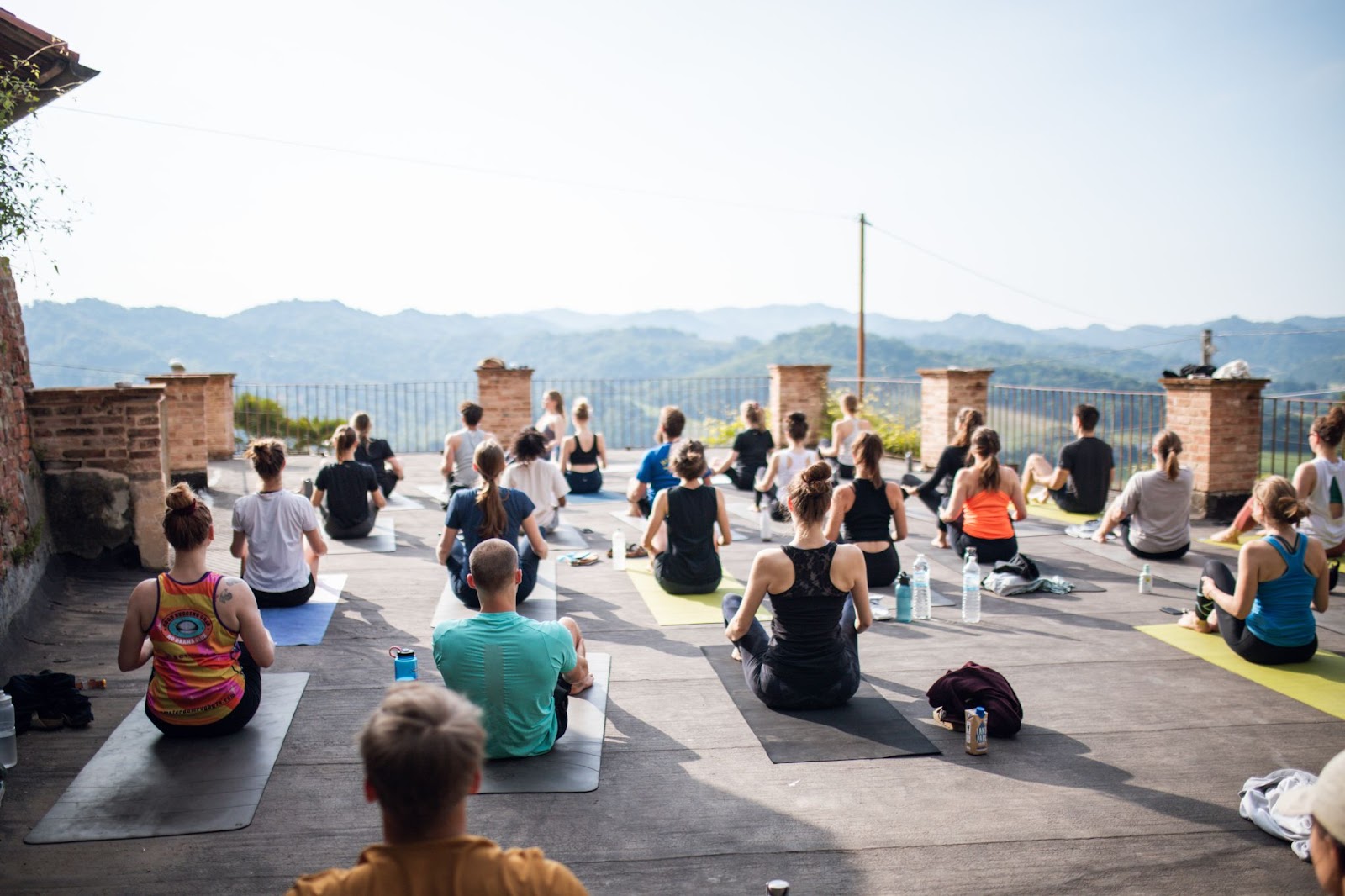
We identified 11 main types of goals or purposes for a retreat. There are surely more, but this should cover your bases.
Clarify your strategy in inspiring surroundings.
It is a retreat designed to tackle the pivotal questions that shape purpose-driven leadership and collaborative success.
Who: the company's leadership team and/or key stakeholders
Why: Stepping away from daily operations distractions allows them to focus on long-term decisions and business strategy.
Duration: 2-3 days
How: through facilitated creative thinking, collaborative planning, and deep dive sessions to define or refine the company's vision/mission, set long-term objectives, identify key challenges and opportunities, and develop actionable roadmaps.
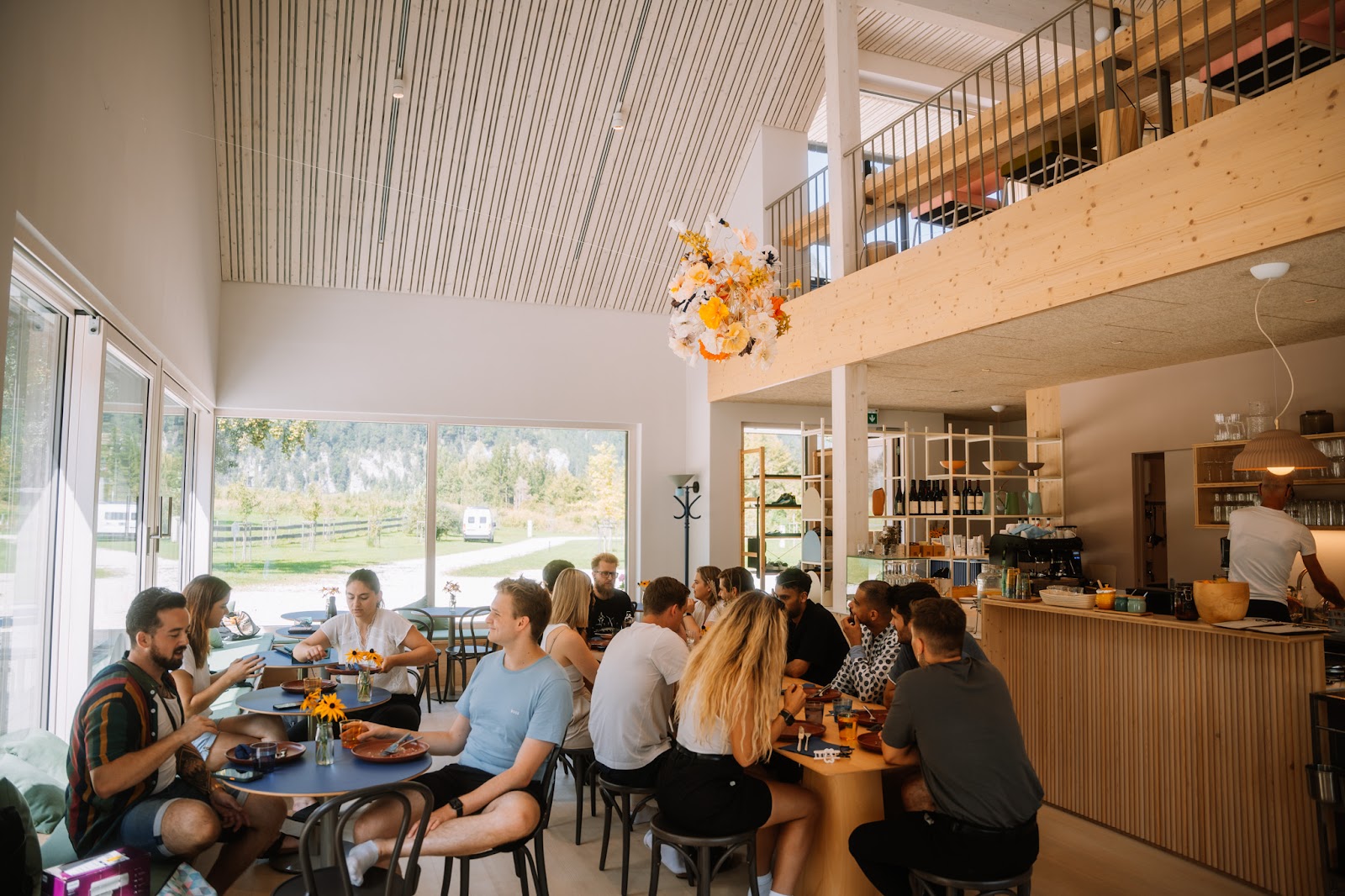
As the traditional office evolves into something more akin to a myth than a place, our retreats offer a sanctuary for teams worldwide to do something revolutionary: actually enjoy being together.
Who: Everyone or by department, depending on the company's size.
Why: to strengthen company culture and enhance team cohesion outside of the day-to-day routines by doing things they don't usually do together, such as cooking or playing.
Duration: from 3 to 6 days
How: Facilitate shared experiences in a new environment that nurtures collaboration and communication through entertaining games, outdoor group activities, or hands-on workshops.
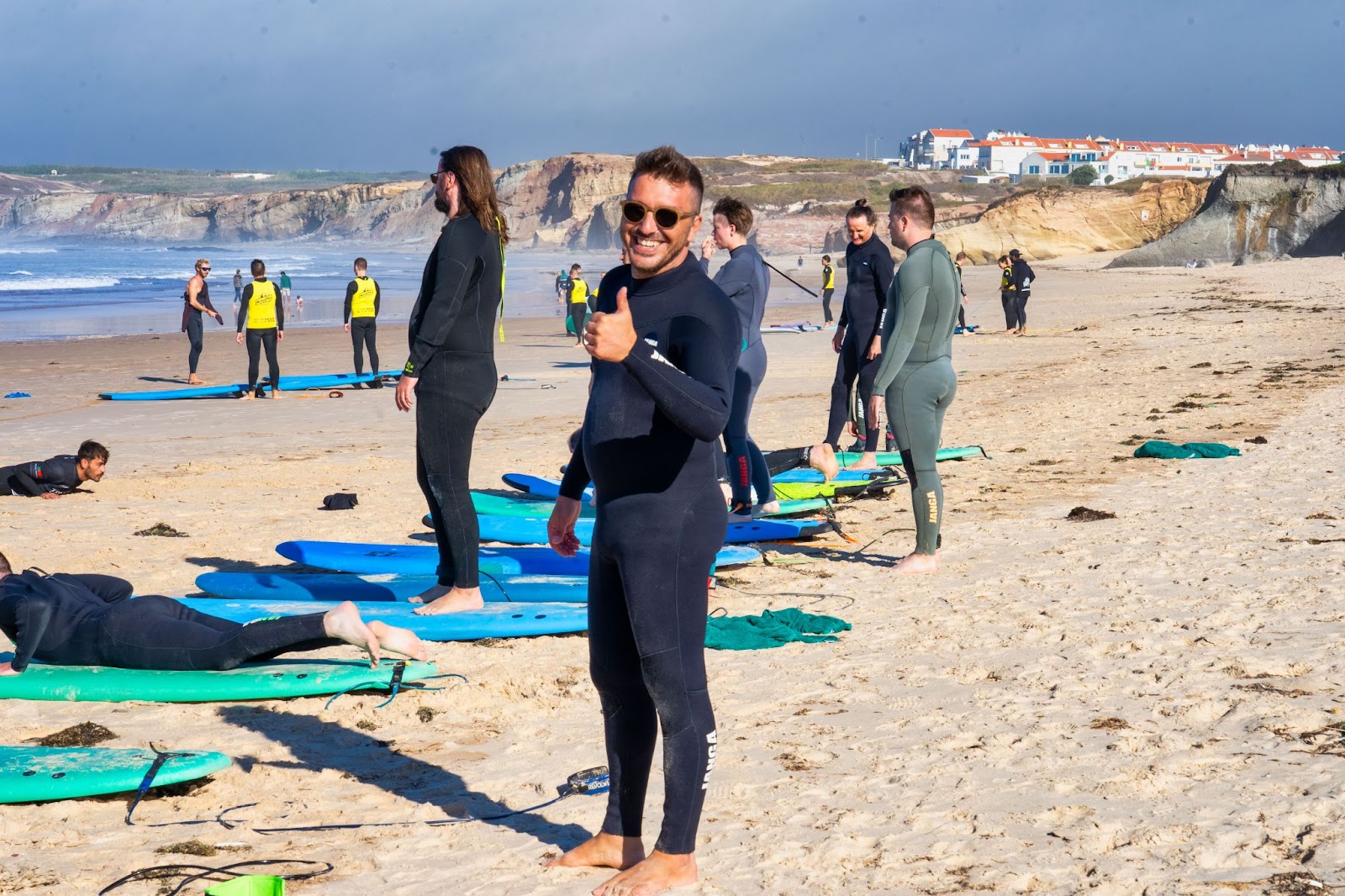
Things are changing fast. Staying on track and knowing how to empower your team demands work and commitment.
Leadership retreats are an excellent way to ensure you remain aligned and work on strategy, as well as a wonderful opportunity to receive guidance from coaches and facilitators.
Who: usually members of the leadership team, executives and managers.
Why: an opportunity to come together to gain perspectives, align vision, enhance collaboration and strengthen cohesion.
Duration: 2 to 5 days
How: In an inspiring environment through team building activities and facilitated strategic sessions, and creative workshops.
Learning something new is exciting, but it can also be draining. Taking a course or launching a new project in a beautiful natural setting together as a team is a great way to start on the right track!
Who: Depending on the department or company, it can be anyone from a team, including new hires, senior leaders, or the entire team.
Why: to accelerate professional development and foster a culture of continuous
Duration: 2 to 3 days
How: structured training sessions, seminars and workshops, group exercises, break-out sessions, peer-to-peer learning, teamwork and presentations.

In moments of crisis, the instinct might be to hunker down and focus solely on the whirlwind of issues at hand. While it's essential to address challenges head-on, stepping out into nature with your team can foster resilience, encourage creative problem-solving, and strengthen bonds in ways that the confines of an office cannot match.
Who: This can apply to everyone. These retreats are typically attended by teams experiencing high levels of stress in their day-to-day business.
Why: to help organizations prepare for, respond to and recover from crisis situations. These gatherings aim to foster leadership skills crucial in crisis situations.
Duration: 2-5 days
How: training workshops to identify risks and challenges, sessions around resilience, flexible thinking and adaptability, crisis leadership skills or decision-making under pressure, and mindfulness sessions such as meditations and yoga.
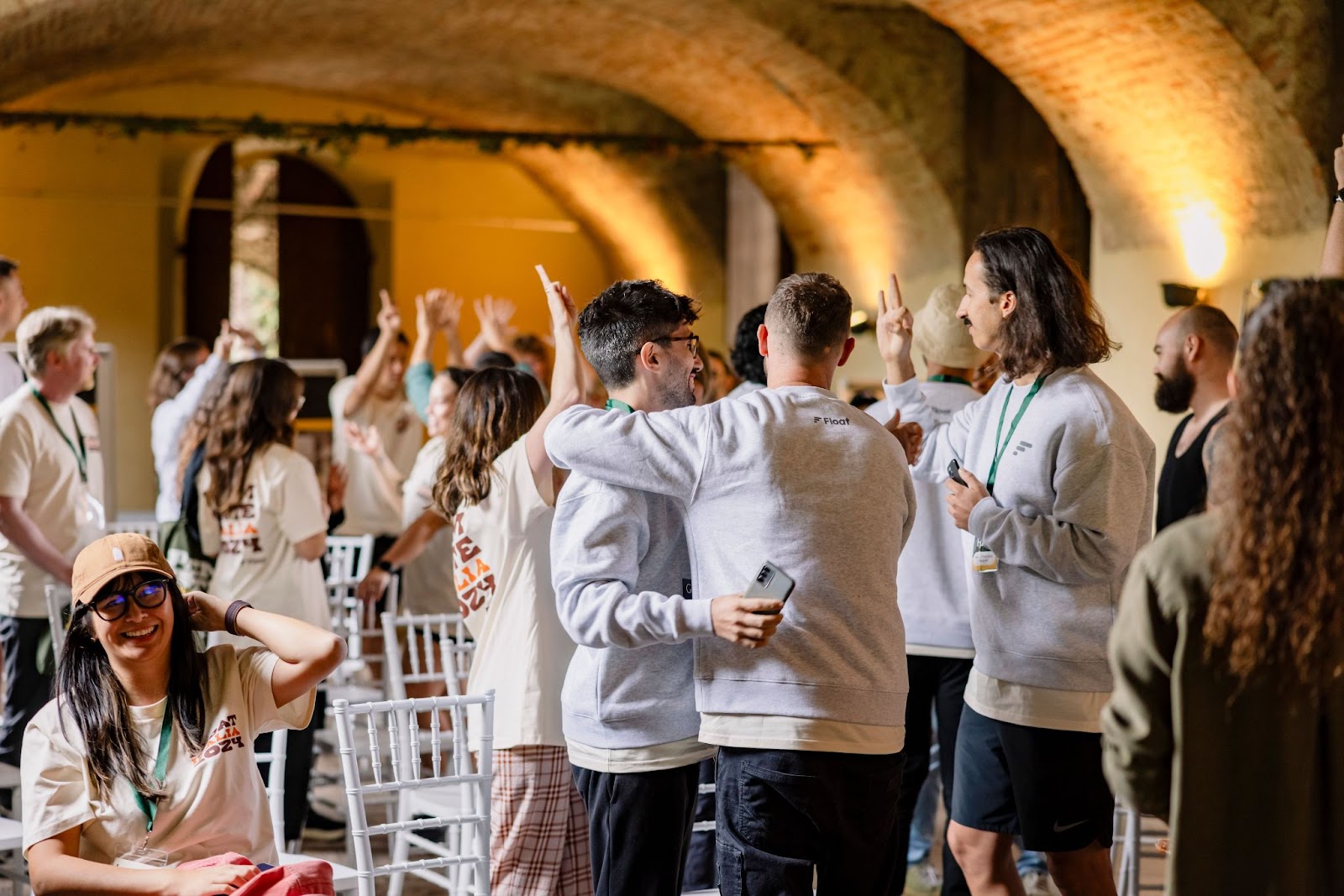
The launch of a new product, the start of a new project, an anniversary, a significant milestone, a win, and even a f*** up, why not? There are always reasons to get together.
Who: Technically, that could be anyone, but the incentive retreats are often rewards for top performers, high-achieving teams, or employees who have met or exceeded specific targets.
Why: an event designed to reward, motivate or acknowledge your team's work. The goal is to provide a memorable and enjoyable shared experience. They boost morale, increase motivation, and foster loyalty.
Duration: 1-6 days
How: These retreats often feature leisure, adventure, cultural, or wellness activities, a big celebration, and a few work-related sessions.
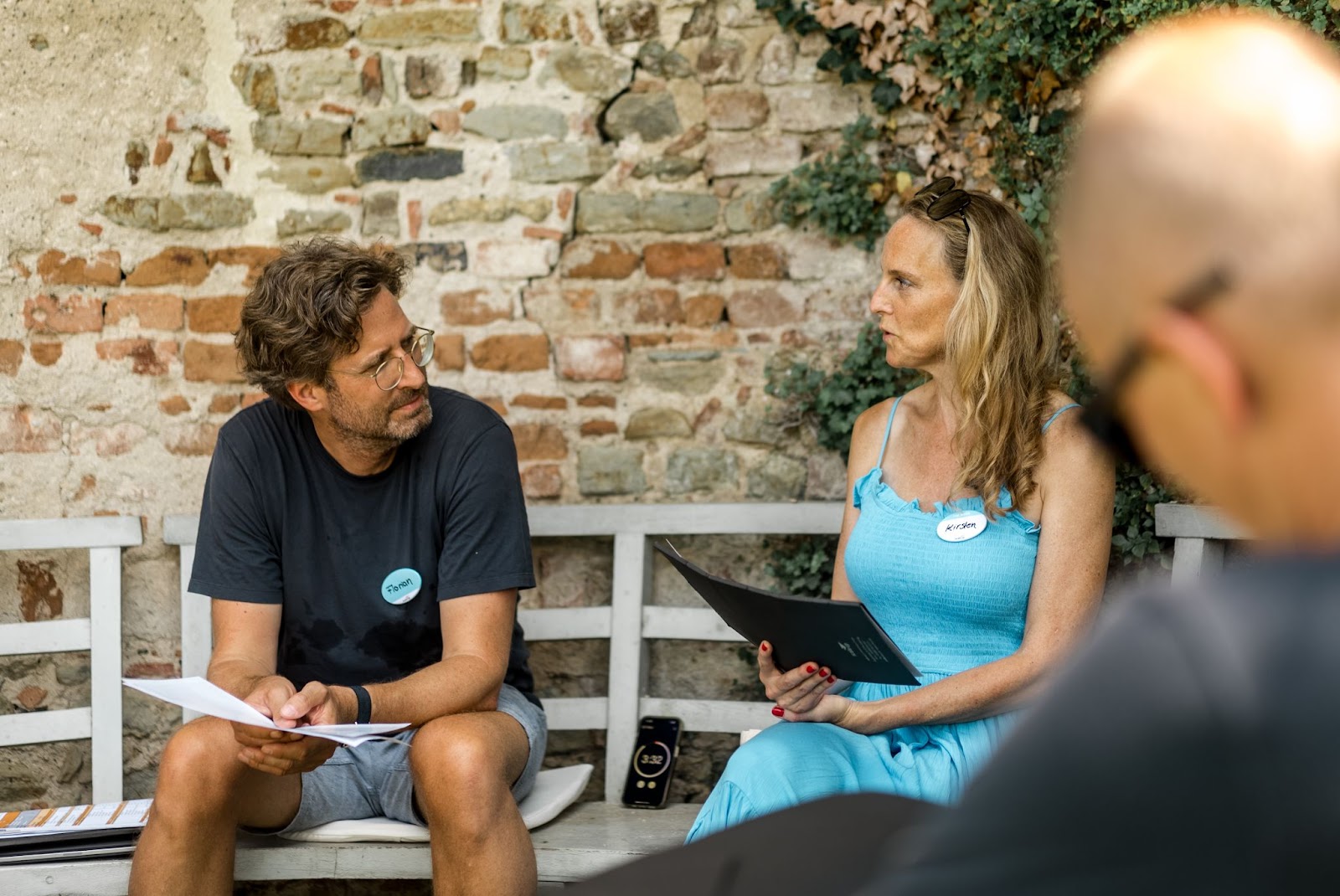
Who: Business owners and entrepreneurs, Sales and marketing professionals, Business development managers or Anyone responsible for driving growth and aligning sales and marketing efforts
Why: to give time and space to review current sales and marketing strategies, assess performances and set new goals.
Duration: 3-6 days
How: They usually include workshops and sessions aimed at enhancing sales techniques, marketing and leadership skills, in addition to networking and team-building activities.
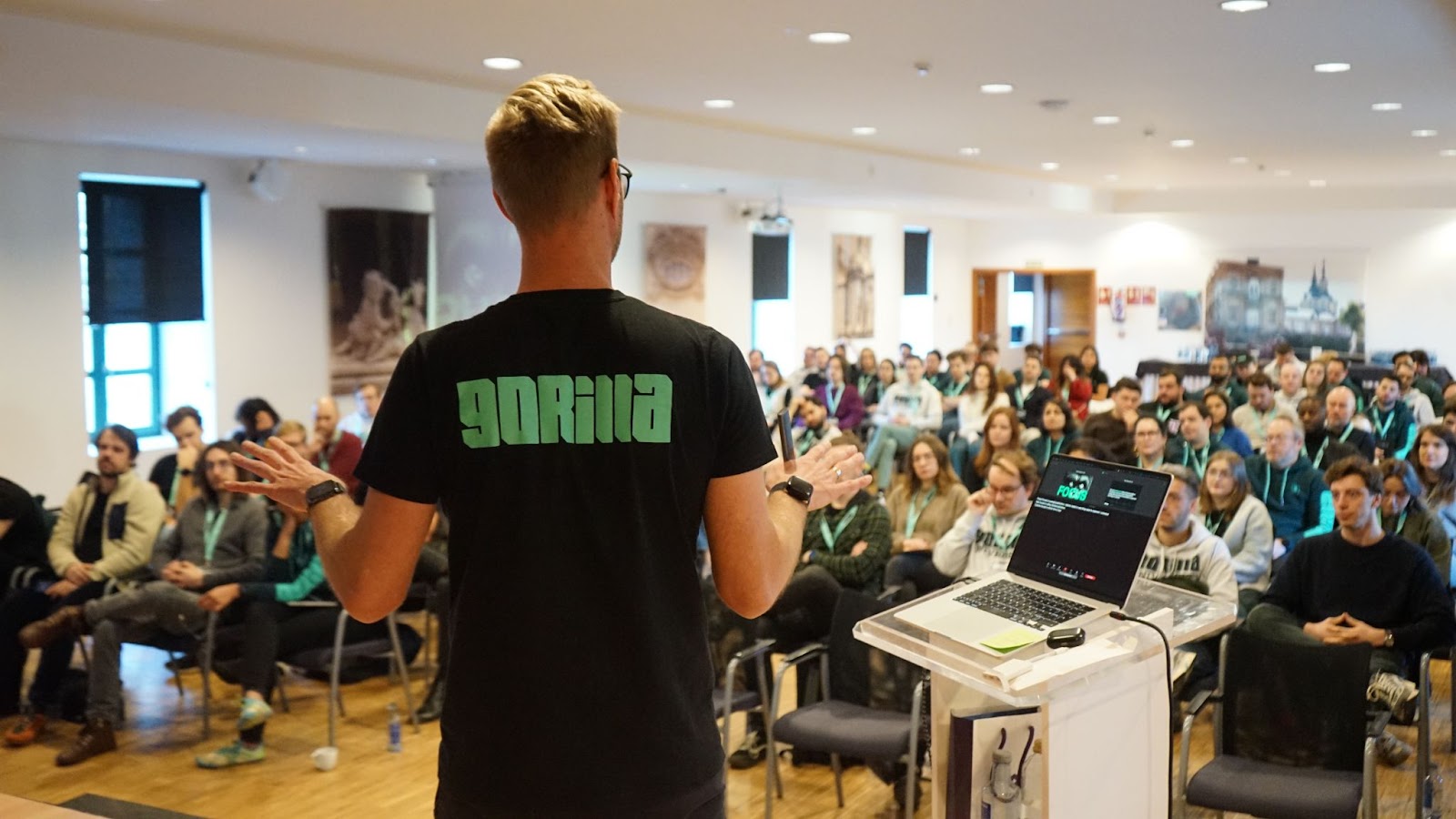
Who: These retreats are designed for individuals across various teams, including R&D, product development, leadership, and key decision-makers.
Why: The goal is to strengthen team collaboration, encourage outside-the-box thinking, and unlock creative potential that will drive innovation.
Duration: To avoid creativity fatigue, we recommend a maximum of 2-3 days.
How: design thinking workshops, brainstorming sessions, hackathons, sprints, creative games, friendly challenges.

It is the perfect way to welcome new team members.
Who: new hires across departments or within a team, key team members and managers, HR representatives, and key senior leaders.
Why: It's a way to accelerate integration and make new hires feel valued and connected from the outset. It also clarifies roles, introduces company culture and encourages retention and engagement in the long run.
Duration: Depending on the number of new people, it can be between a single day to two or three days long
How: welcome sessions and introductions, ice breakers, team building games, mentorship and networking sessions, as well as workshops and presentations around company culture.
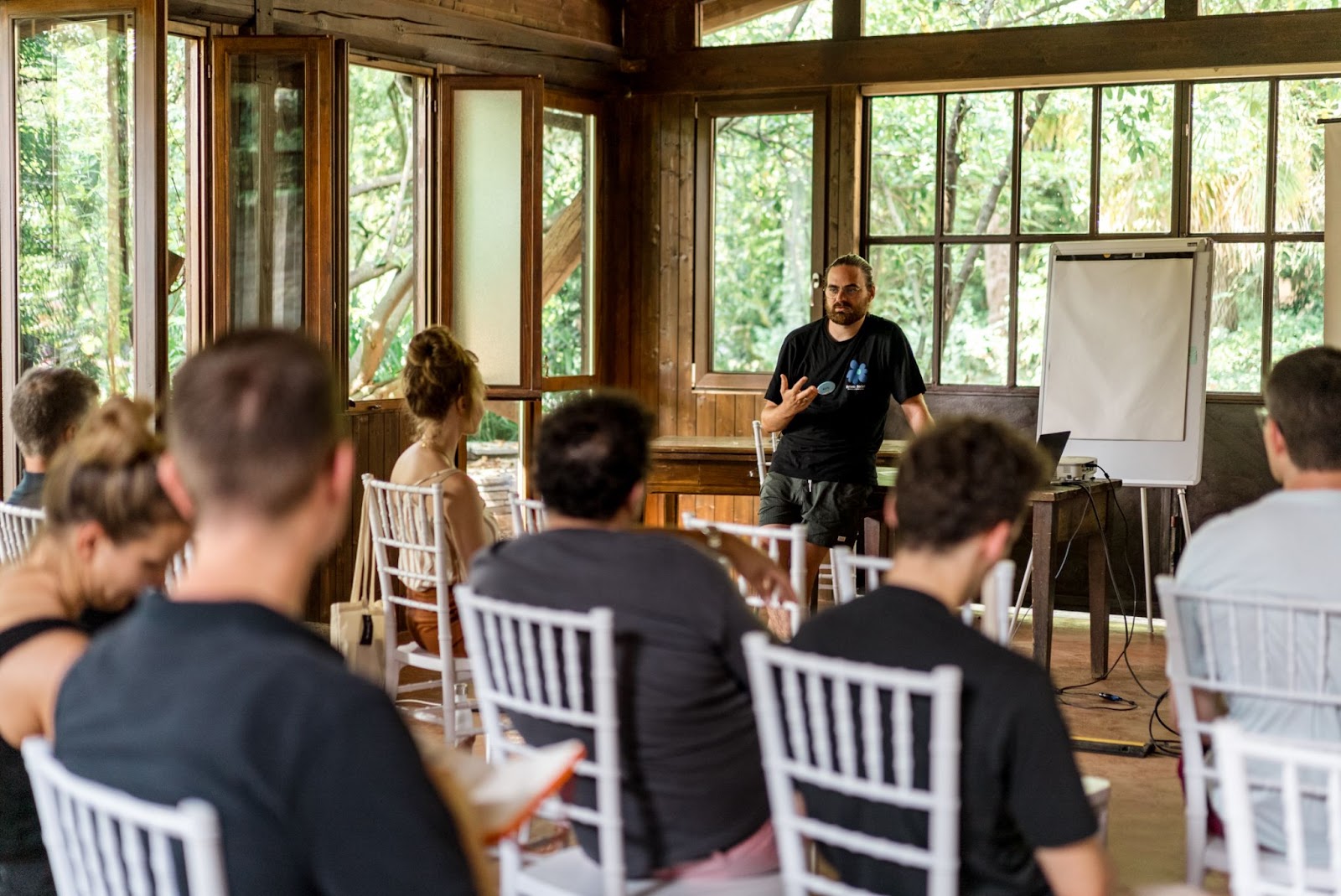
Who: the team members involved in the project, as well as team leads, project managers, and potential stakeholders.
Why: to make sure everyone is aligned on the project's objectives and timeline, to clarify roles, identify potential risks, and bring momentum and trust.
Duration: typically 1-2 days
How: stakeholder presentations, Q&A, role mapping, timeline planning, risk assessment sessions, goal setting workshops, team building exercises…
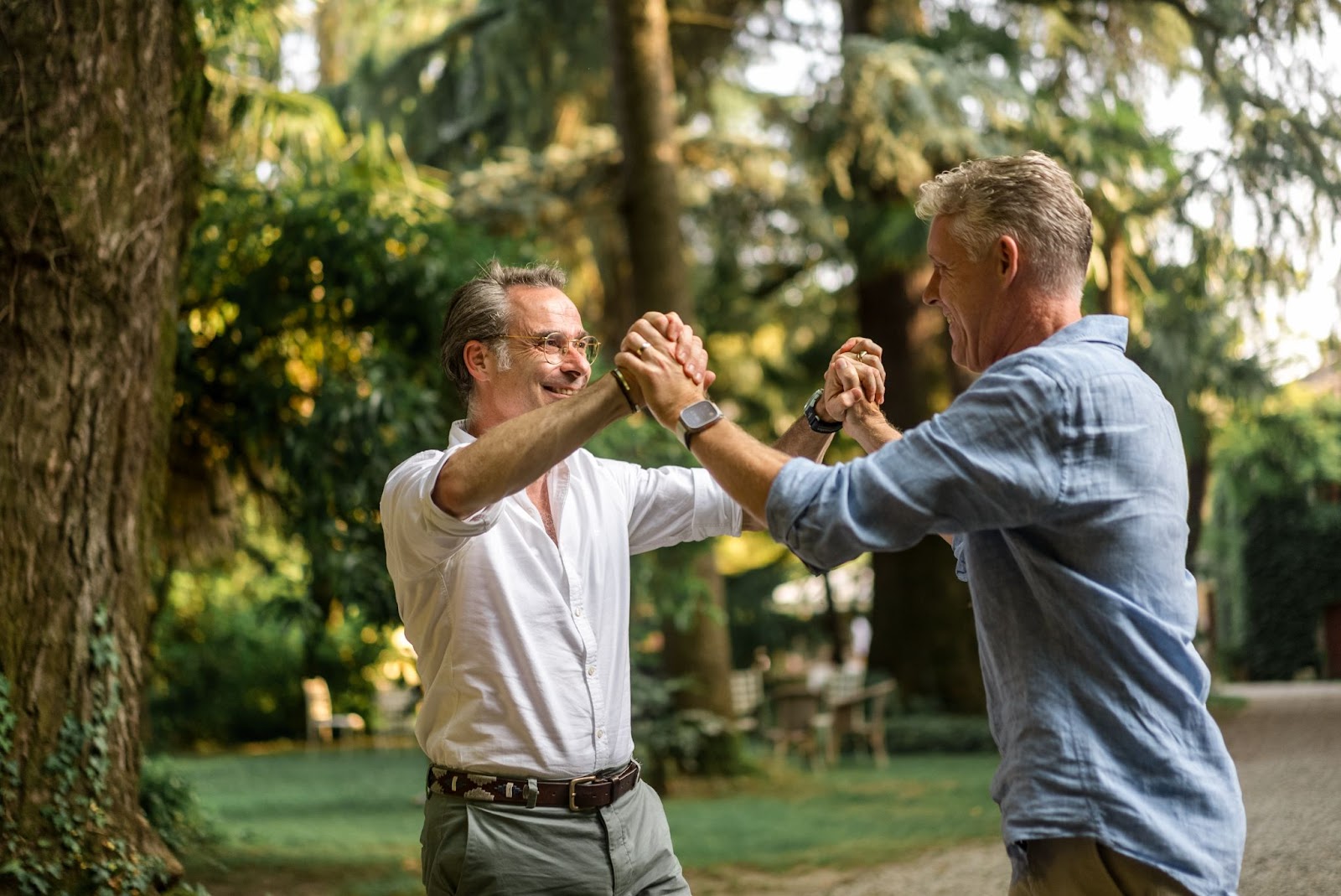
Who: your company's key representatives and your client or strategic partners
Why: to showcase your expertise, nurture a long-term relationship, align on upcoming projects or identify potential opportunities for collaborations
Duration: typically 1 day, but may be extended to 2 days.
How: social activities such as dinners or excursions, presentations, strategic workshops on goals and opportunities, and brainstorming sessions.
Think about it this way: your purpose and venue are working together to ensure the success of your event.
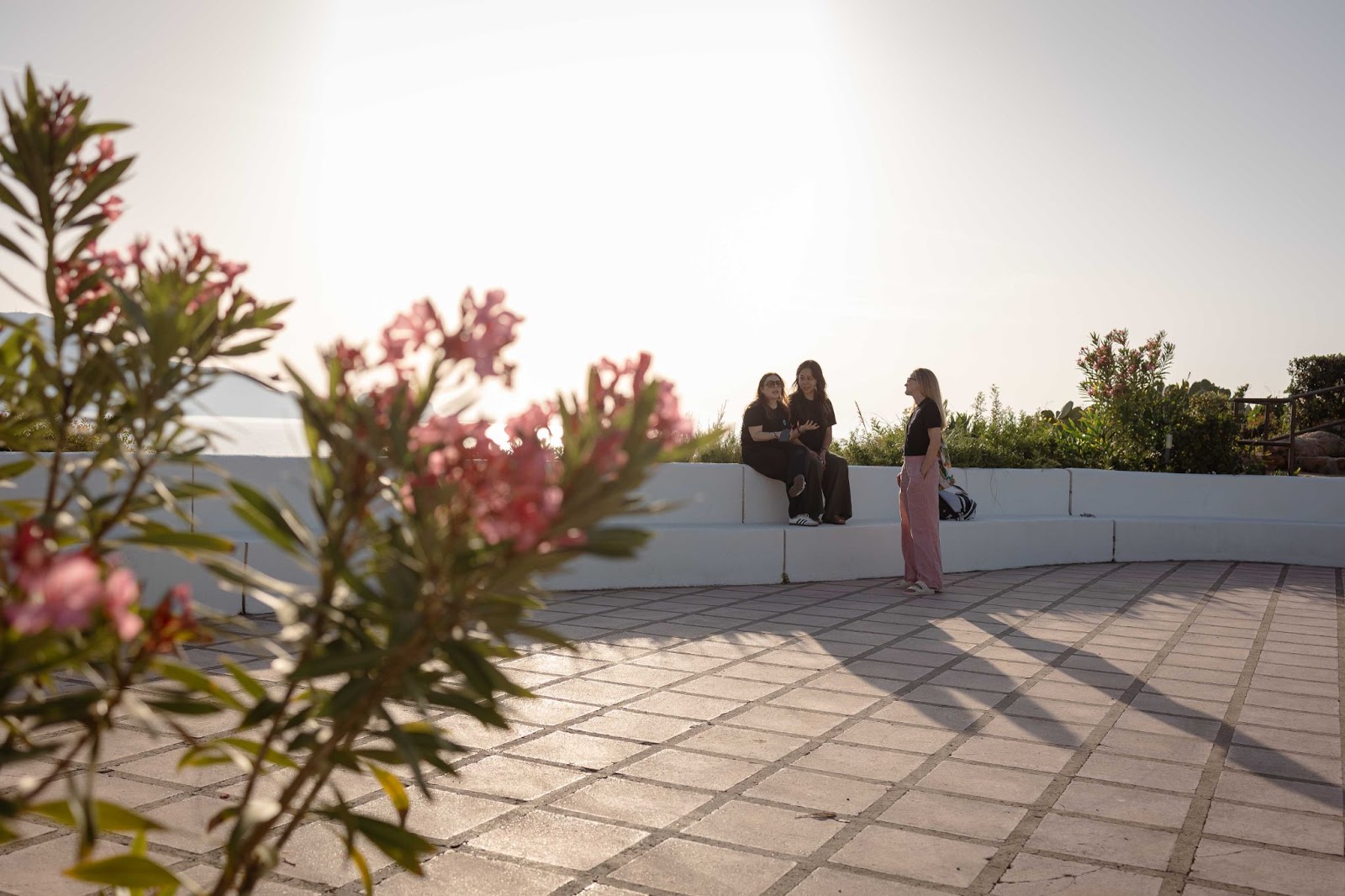
The venue and the environment it provides play an important role in your event. It is essential to get it right. And there is more and more to choose from:
That will be your rustic log cabins, summerhouses, converted barns, or purpose-built campus with direct views and access to nature and outdoor activities.
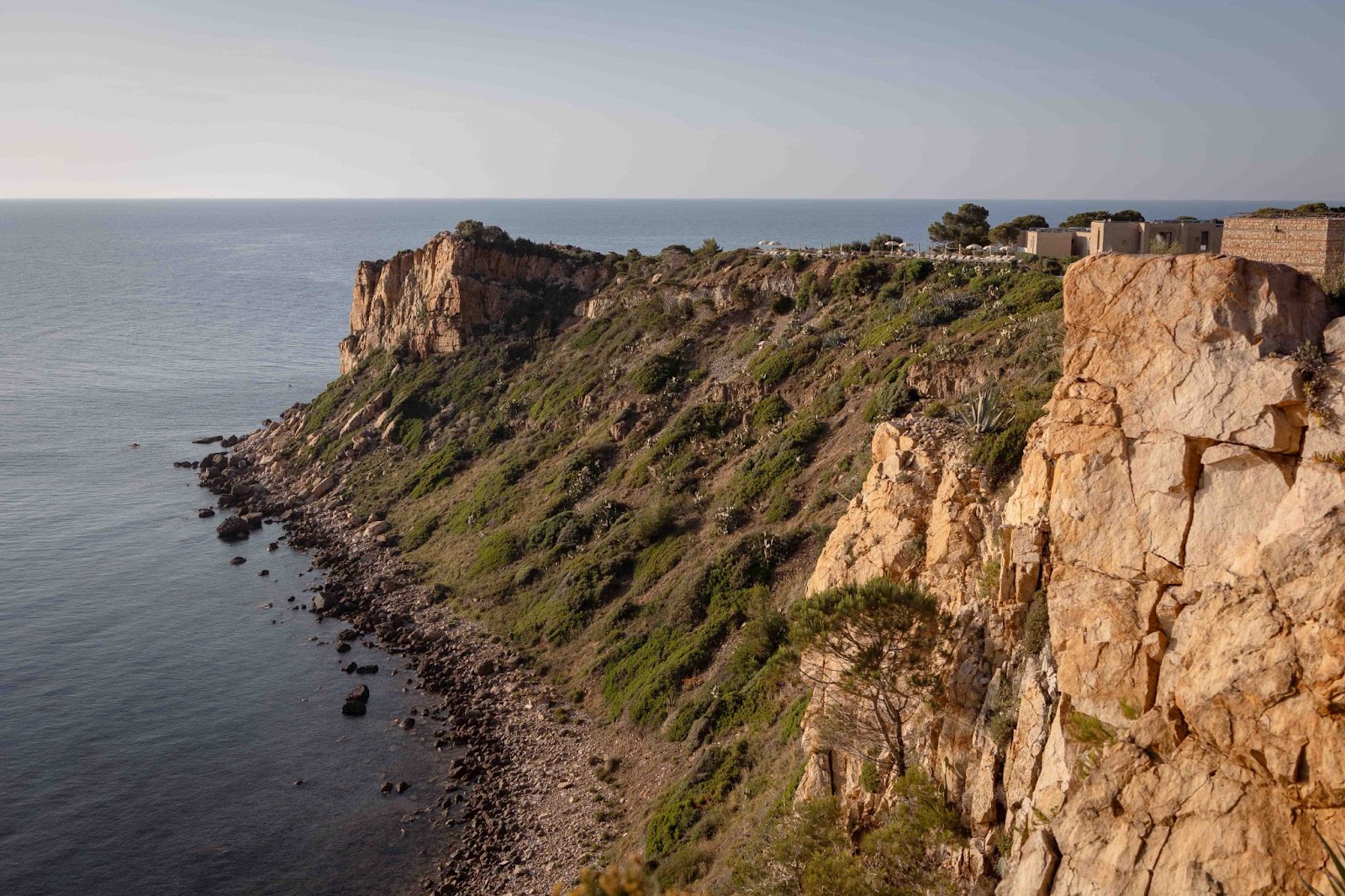
The ideal venues will include luxury villas and private estates, manor houses, boutique hotels, luxury lodges, as well as spa resorts and wellness centres.
Glamping pods, shepherd huts, tiny houses, yurts, treehouses, safari tents, or A-frame cabins in villages will be the ideal venue for a nature experience as close to nature as possible.

If you are in the city, you have a vast choice among hotels, palaces, boutique hotels, modernised historic houses, or even privatized museums.
Taking your team for a relaxing beach retreat means finding the perfect modern beach houses, villas, coastal cottages, converted Farmhouses or serviced apartment complexes with a view.
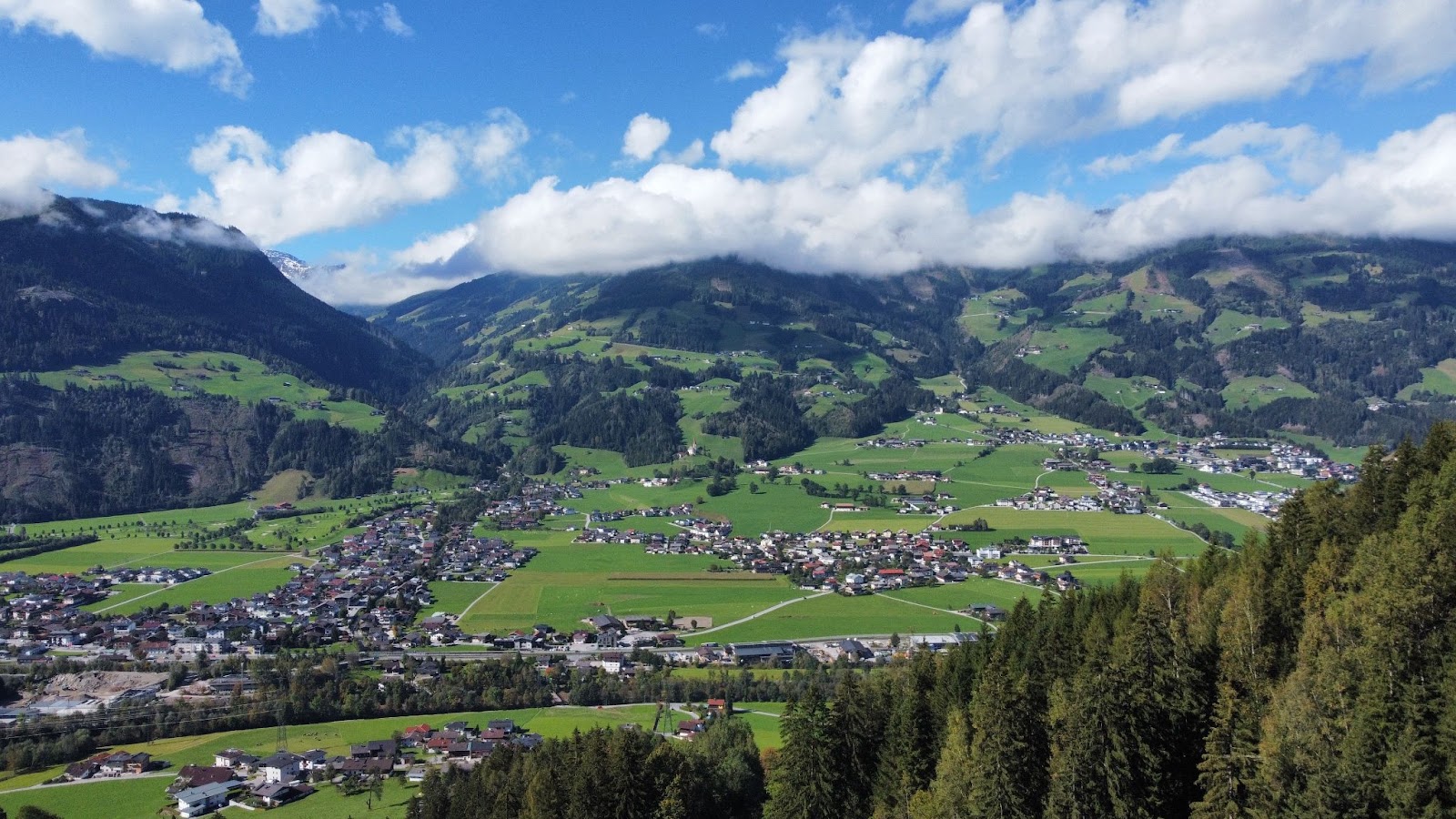
If you want to give your gathering some gravitas, why not host it in a manor house or a country estate? Have your pick among historic townhouses, mansions, converted heritage buildings and iconic landmark hotels.
Unique and unusual spaces are always great for nurturing creativity. Look for artist studios, warehouses, industrial lofts, purpose-built art centres, gallery spaces or hybrid venues.
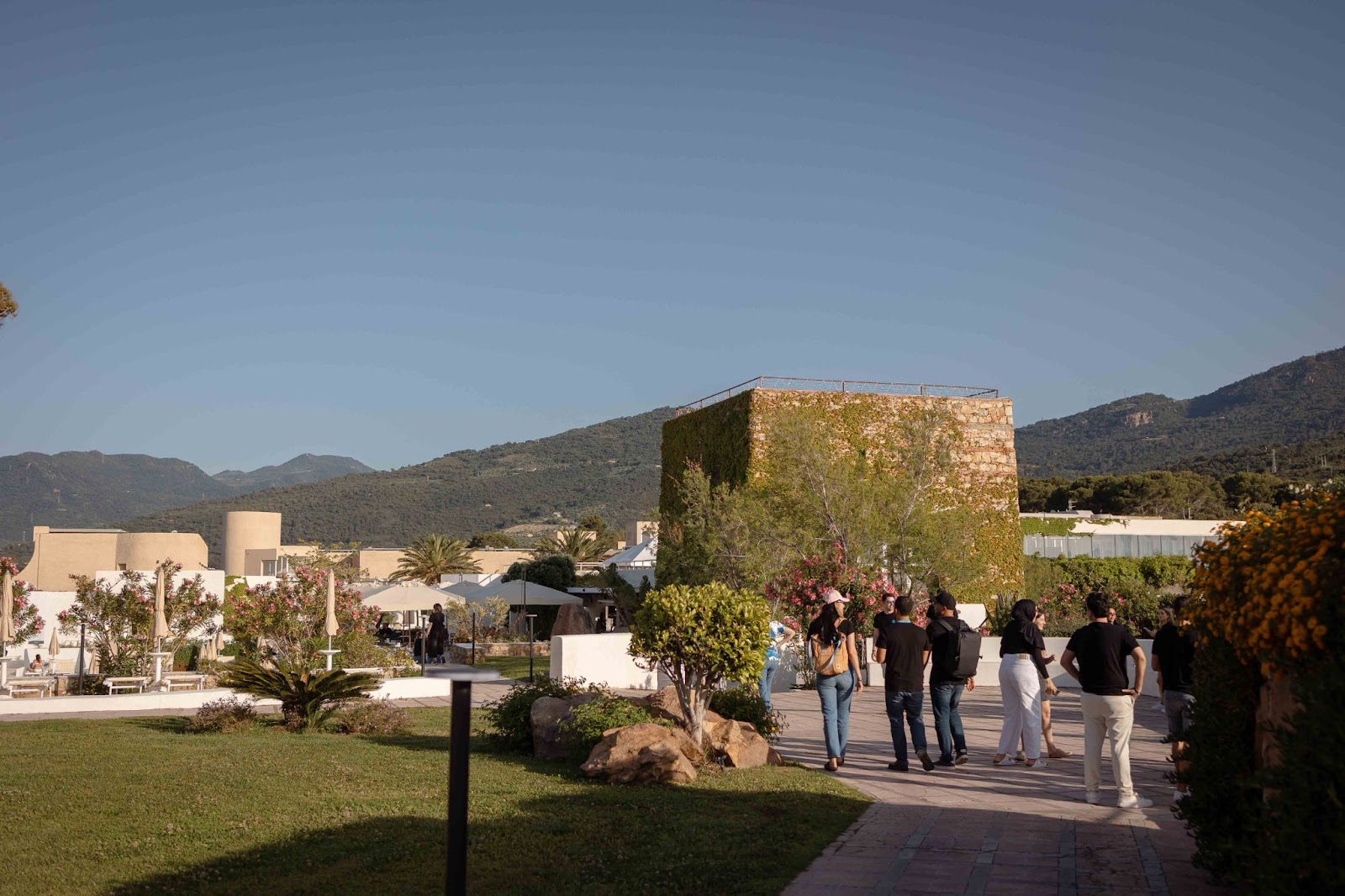
First of all, remember there is no right or wrong. This is not a scientific approach but rather a collection of tips and lessons learned from our experience.
The elements that will guide your decision should be:

You can get some inspiration using our suggested pairing "menu" below:
Need: privacy, comfort, inspiration
Best match: Luxurious spa, mountain lodge, historic venue
Needs: memorable, unique, fun
Best match: glamping, beachfront, boutique hotel
Needs: fun challenges and team activities, creating memories
Best match: outdoor/nature, adventure, glamping
Needs: modern amenities, dynamic environment, creative inspiration
Best match: Urban, boutique hotel, artistic space
Needs: Wellbeing, mental health, calm
Best match: Wellness centre, outdoor in nature
Needs: equipped facilities, engaging environment
Best match: urban, mountain, historical venue
Needs: privacy, comfort, deep thinking
Best match: wellness centre, mountain lodge, historic venue
Needs: one-of-a-kind environment
Best match: artistic space, urban, glamping
Needs: comfortable, encouraging relationship building, welcoming
Best match: boutique hotel, nature
Needs: relaxation, calm
Best match: spa, wellness centre, beachfront
Needs: creative, lively environment
Best match: urban, artistic space, boutique hotel
Needs: stability, tradition
Best match: historic venue, mountain lodge
Needs: impressive, comfortable, memorable
Best match: Luxurious spa, boutique hotel, historic venue
There is a lot of work that goes into organizing a successful company retreat, even before considering the logistics and facilitation of it all. Getting your basics right and getting professional help where needed will set the tone for a gathering that will deliver!
From practical insider warnings to new secret locations, get our monthly, genuinely spam-free newsletter.
Subscribe now
%20(4).jpeg)