That's it; you're convinced that corporate team retreats and team buildings are the way to go to enhance collaboration, productivity, creativity and team morale.
Now, who will take on the role of the gracious Organiser?
Depending on the size of the company, it usually falls onto the founder, the CEO, the head of operations or the HR representative. It is added to their already busy schedule and long to-do lists.
However, planning and delivering quality retreats and interactions that create long-term value is an art that goes beyond the logistics of choosing a venue and caterer.
It's a significant responsibility and a considerable amount of work. It begins with determining the budget and dates, and then delving into the logistics and communication surrounding the gathering, including interactions with the team and the venue. It does not end there; once on a site, the work continues, including keeping track of time, coordinating with transport and other vendors, and so on.
In this piece, we examine the various options and levels of support you can seek out, and their implications, as well as the advantages and disadvantages they offer.
It is time for a crucial decision to be made: should we go "DIY" style or "all-inclusive"? Or is there an option for somewhere in between?
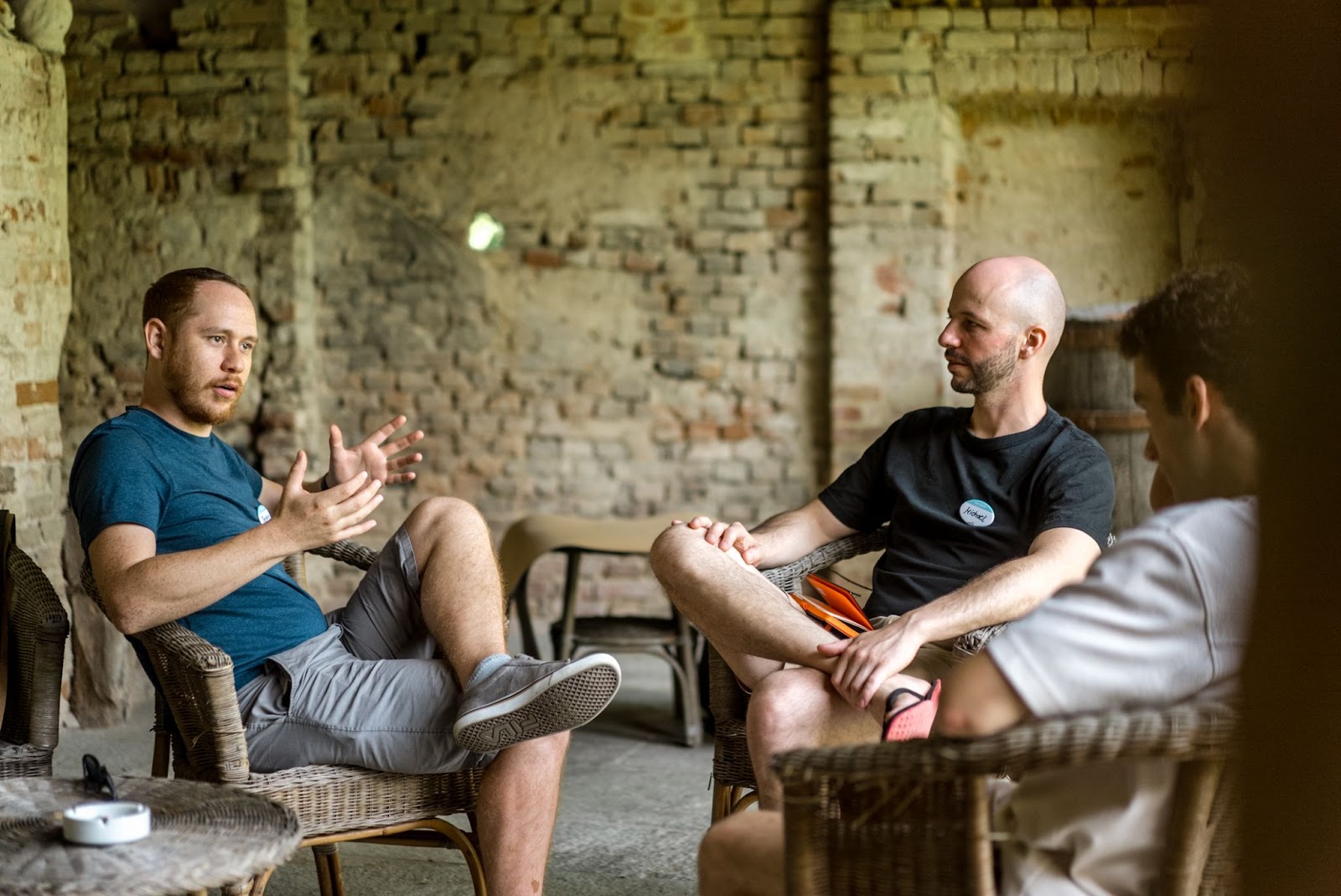
It is all in the name: it means doing it all yourself. The reasons to choose those options are numerous and attractive:
But it does come with hidden costs:
Translated into work hours, for a medium-sized company (between 50 and 100 employees), we can estimate the overall planning to amount to anything between 80 and 150 hours of work if we consider the initial planning and research, venue sourcing and booking, travel and accommodation coordination, agenda and activity planning, communication and coordination and all the troubleshooting in between. And that does not even account for the time spent working on the logistics during the event.

As an organizer, people will see you as the authority and not necessarily as one of them. It's a compromise you will have to accept. There is a need for a leader during these events, and that means not always being part of the "gang." When the CEO or HR representative also serves as the facilitator, it is challenging not to let preconceived notions about individuals interfere with the task at hand. How do we ensure that we treat everyone the same way when we already know so much about them, including how they work, what they like, and what they usually complain about? Staying objective can be a real challenge, but it is an essential component of a successful retreat. Because you are always alert, reading people's cues, and thinking about the next point on the agenda, it becomes a little bit difficult for you to fully relax and appreciate the present moment with the rest of your team. You are always one step ahead, anticipating potential issues and ensuring everything goes smoothly for the group.
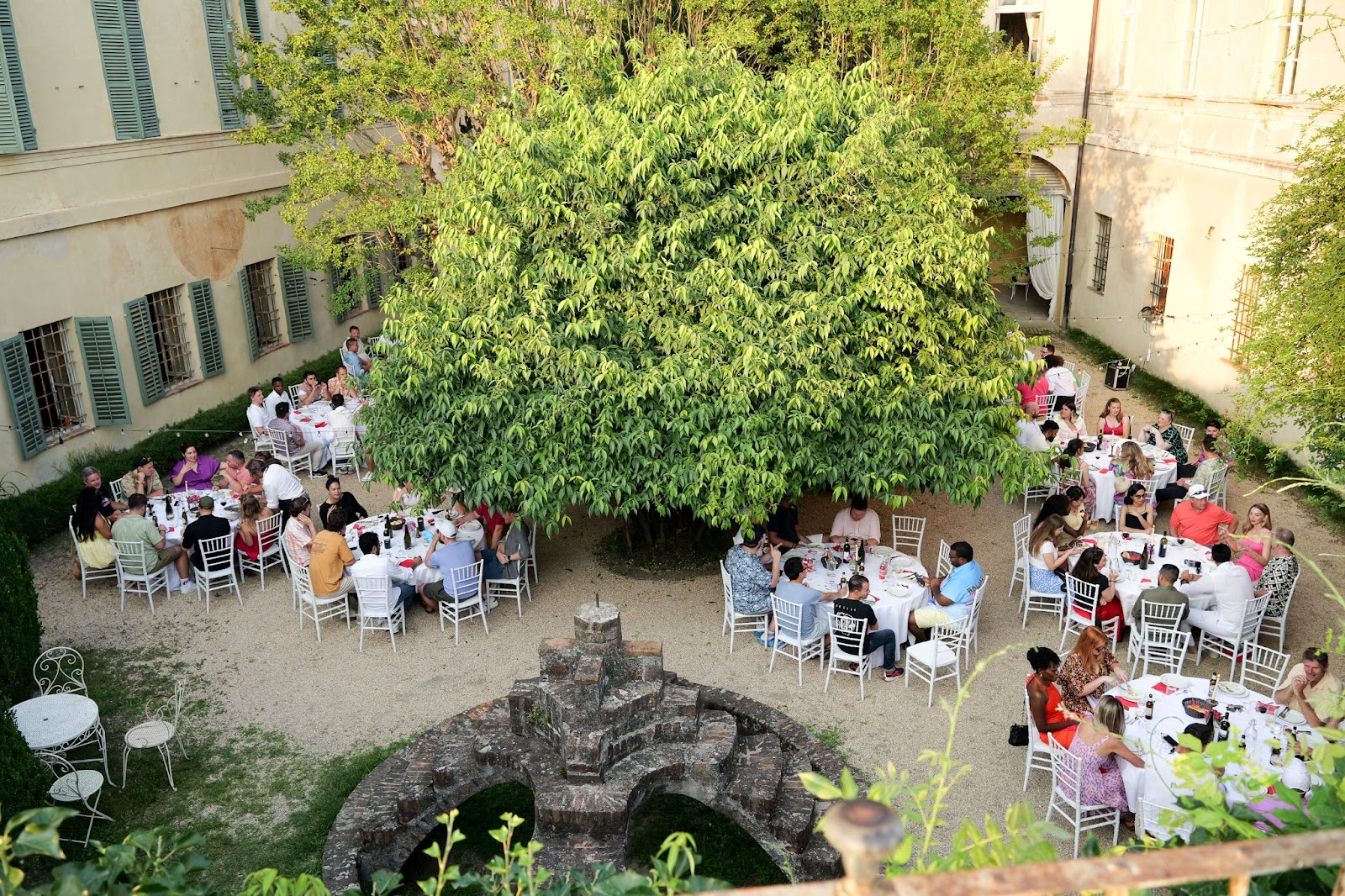
It's all in the name: it means everything is included, and someone is doing it all for you: venue, meals. Drinks, team-building activities, tech, on-site recreational activities and tours, travel, and agenda. And it is usually all bundled into one upfront cost.


This approach allows for a blend of DIY and professional support, enabling you to retain control over key aspects while delegating logistics and other complex or time-consuming tasks.
That could mean that the company handles the agenda, team goals, and participant communication while hiring someone or a company to take care of external vendors, venue, catering, and facilitation.
Some Team retreat hosting companies also offer customizable packages, allowing clients to pick and choose or mix and match different services. Ensuring they build the necessary support and retreat while staying on budget.
That helps reduce the workload and is efficient, while allowing the client to retain control over critical aspects they want to be flexible with.
We have had several clients who chose to book their travel but asked us to handle workshops, catering, and facilitation. In contrast, others prefer to delegate the travel planning and handle the activities themselves.
The hybrid approach is gaining popularity, particularly among startups and companies with remote or hybrid work arrangements, offering a balance of flexibility, customisation, and cost-effectiveness.
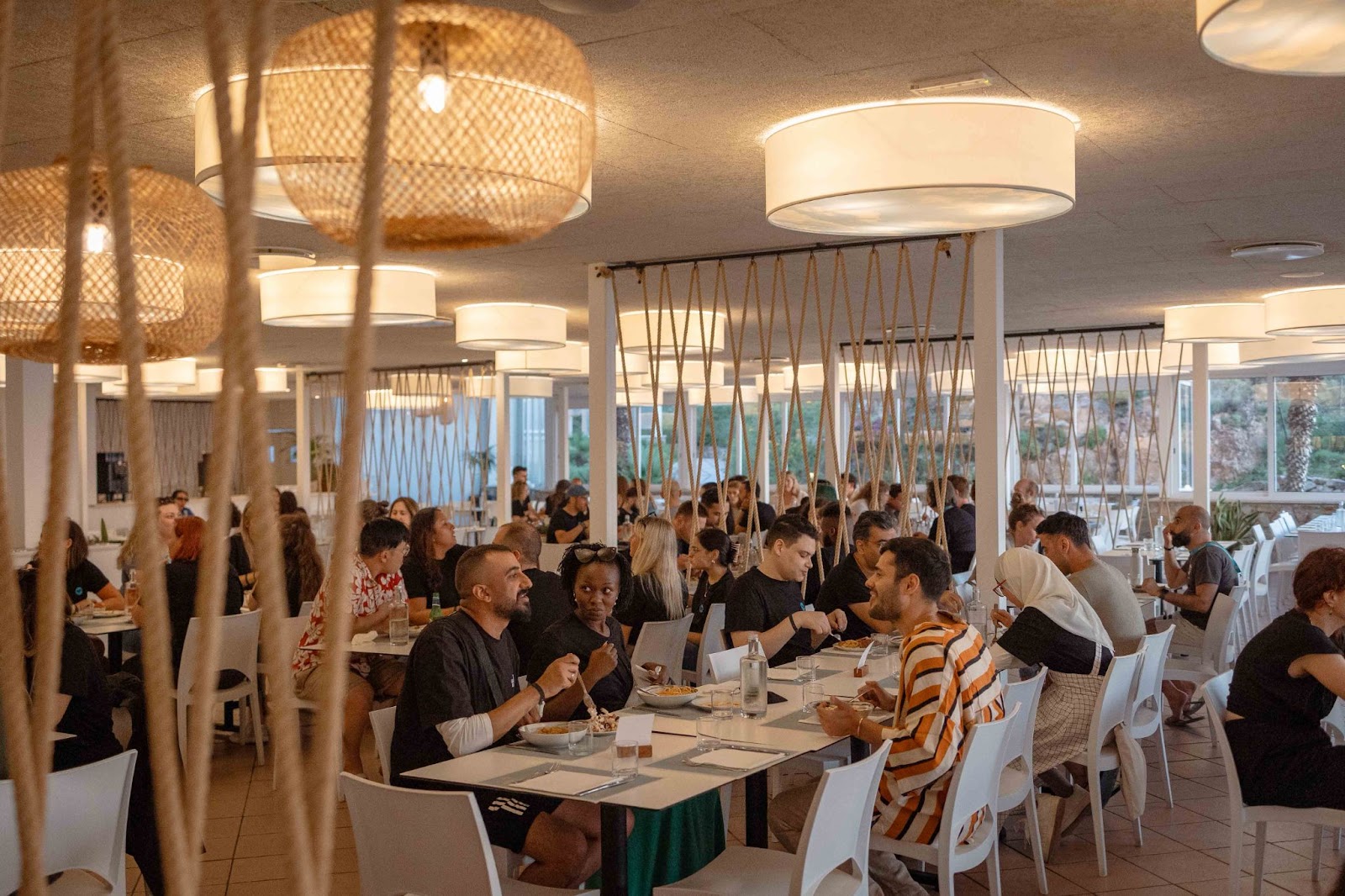
As always, it comes down to your purpose for this corporate retreat, the time, workforce, and budget at hand.
As we know, choosing the right venue, serving good food, providing proper facilitation, and engaging in fun team bonding activities are key to the success of your retreat. Before you dive into anything, assess your team's needs, resources, and goals, and contact several vendors to request quotes and inquire about the type of support they provide, making informed decisions.
Ultimately, it is crucial for you to feel confident with the solution you choose. Regardless of your decision, there are always resources available, both online and offline, to support you and your team during your retreat or workation.
From practical insider warnings to new secret locations, get our monthly, genuinely spam-free newsletter.
Subscribe now
%20(4).jpeg)