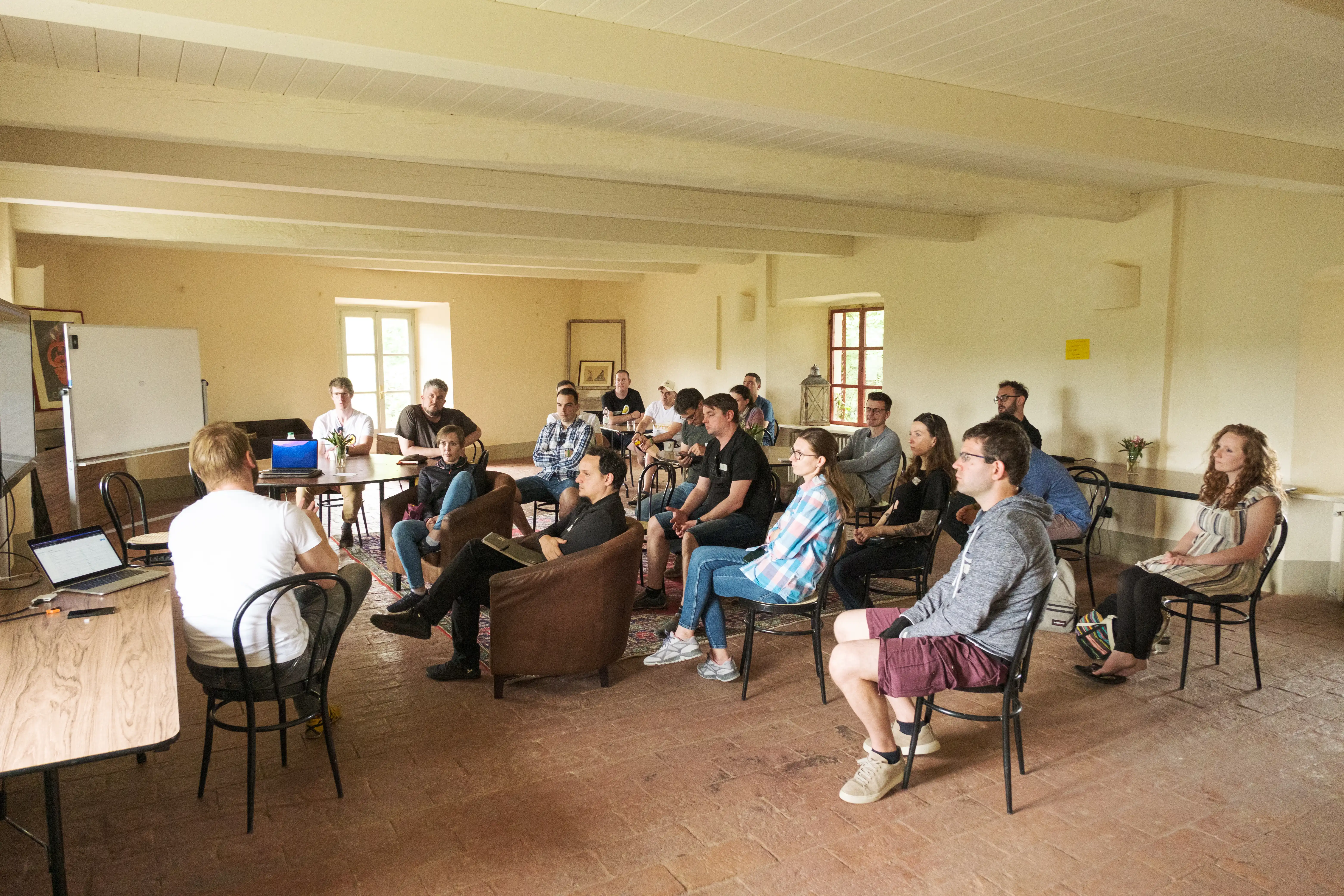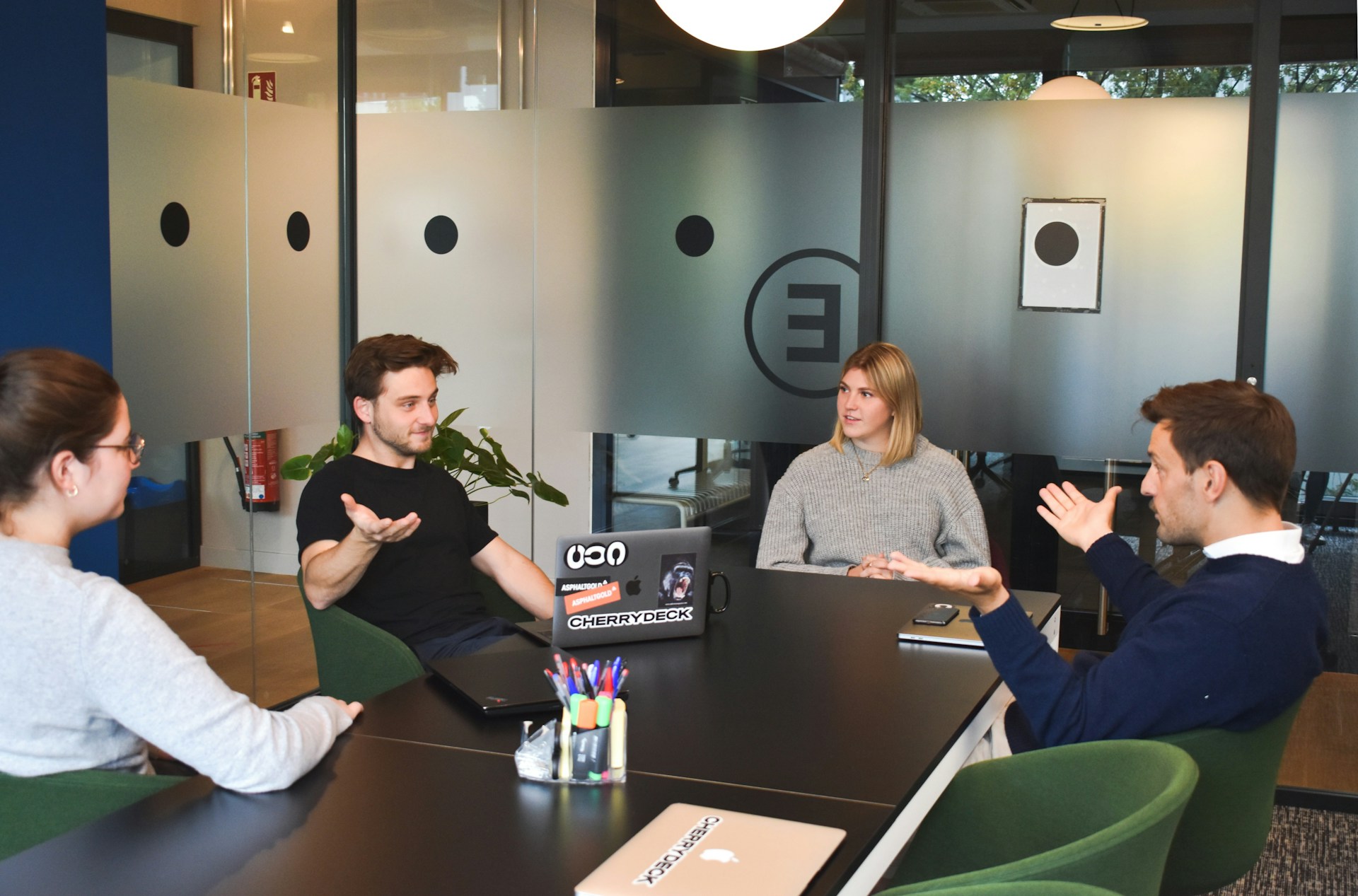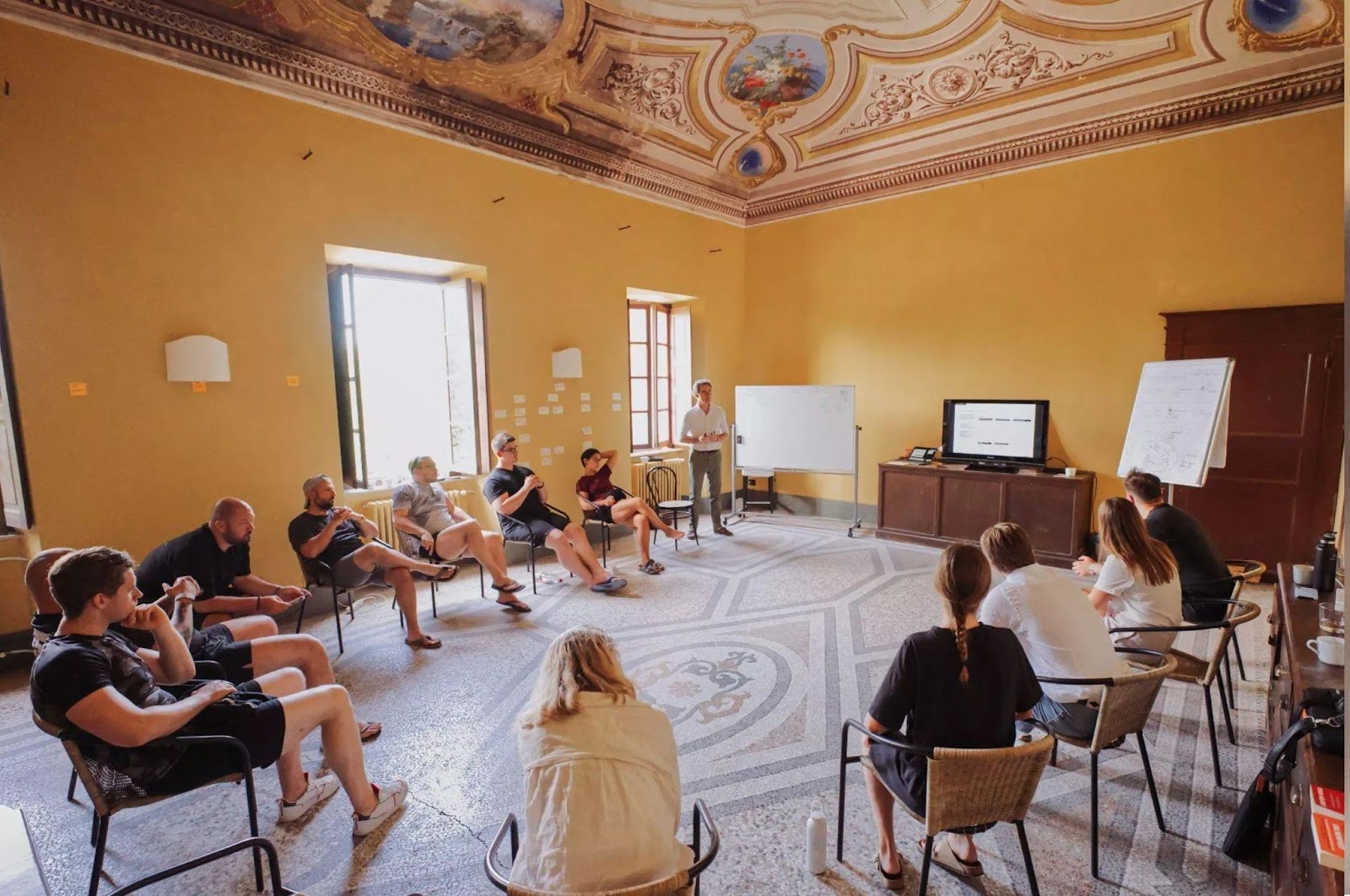
If you're interested in hosting events, you've probably come across "The Art of Gathering" by Priya Parker. It is a fantastic gathering (pun intended) of lessons and tips for hosting the most impactful events.
As retreat hosts and facilitators, we took a deep dive into her work early on. While we consider ourselves constant students, we have now acquired a strong understanding of what makes and breaks team retreat facilitation.
As Parker teaches us, a good facilitator requires a delicate balance of leadership, authority, compassion, and empathy. In this piece, we explore this topic in more detail.
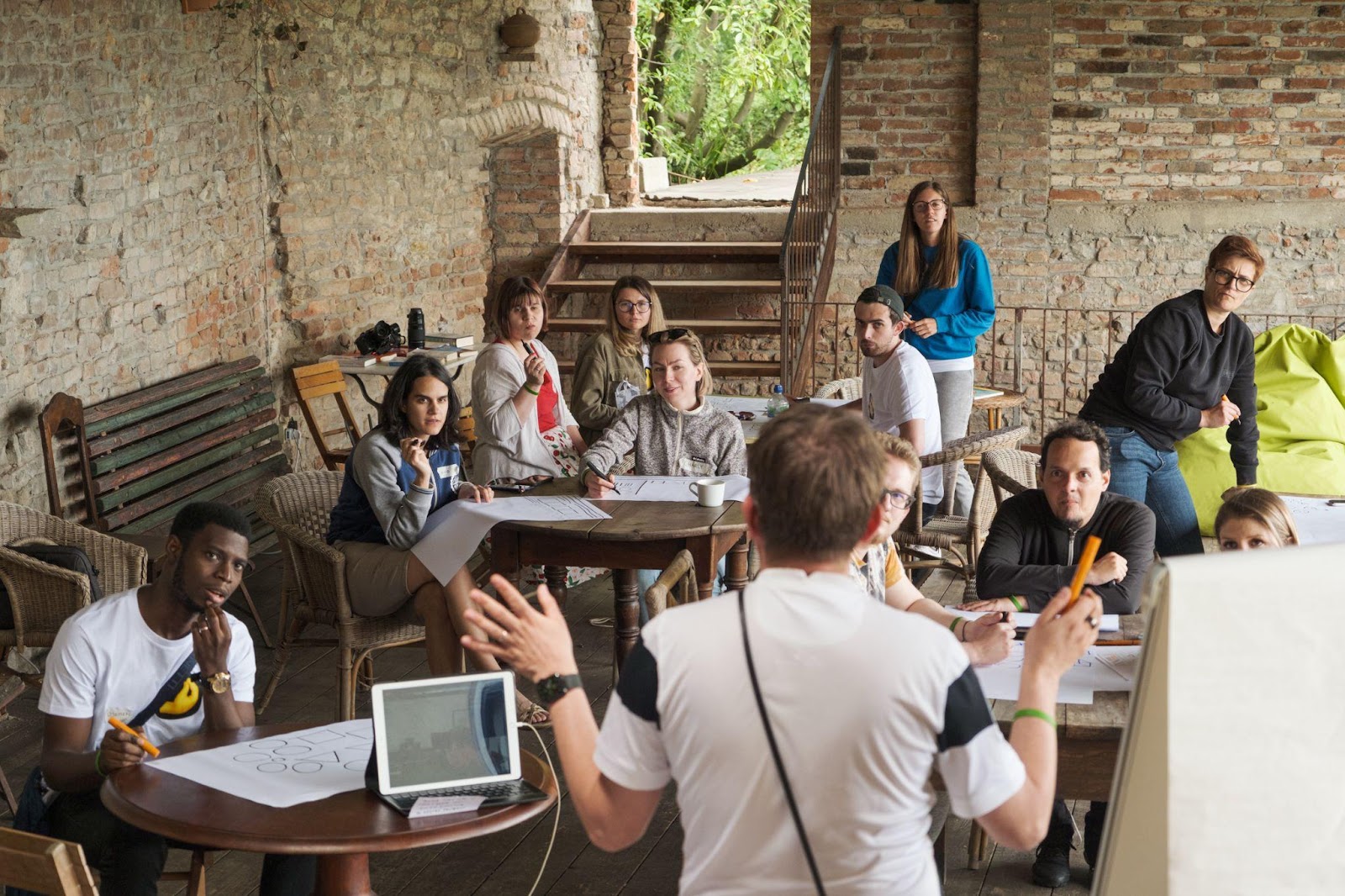
Facilitate comes from the Latin word "facilis," meaning "easy." In a straightforward way, facilitating means making things easy.
In the context that interests us here, “to facilitate” refers to helping a group reach its objectives by creating an environment that nurtures participation, collaboration, and communication.
This requires skills and techniques to help guide discussions, handle group dynamics, and ensure everyone feels safe and heard.
Facilitators play a neutral but essential role; they are not there to deliver information or teach but to encourage engagement and help refocus the conversation on the matters at hand.
For corporate team retreats, facilitation intervenes at every level. It can be taken on by different key people at various times: during the planning of the gathering (from leading the calls, asking the right questions to understand the needs and planning the logistics accordingly, to early engagement from the participants on and offline), during the retreat itself of course, but also post-retreat (by gathering feedback, reflecting on successes and challenges...).
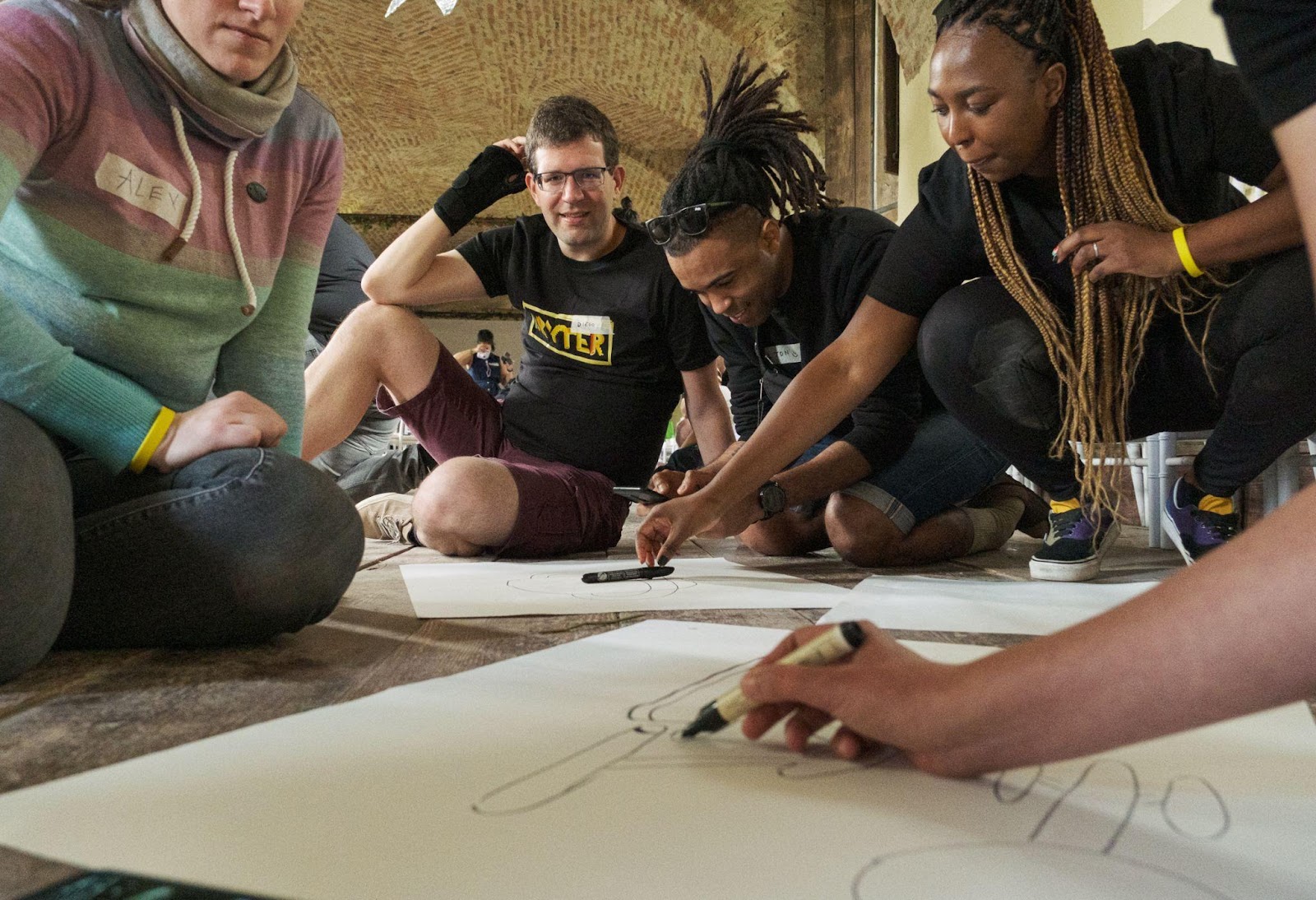
The facilitator's role during a corporate team retreat is multifaceted. Depending on the offsite length and the group size, having more than one facilitator can be recommended.
According to Pryia Parker, the facilitator has three main objectives:

Now that we understand the facilitator's role, what skills does one need to master the art of team retreat facilitation?
At the risk of stating the obvious, great facilitators don't become great overnight. It takes proper theoretical and practical training. Facilitators study techniques of active listening, conflict resolution, role-playing, concept mapping, consensus decision-making, and tools to enhance engagement and deep listening.
Being a good facilitator also demands a great mix of hard and soft skills, such as:
Being organized is an essential skill. Facilitating demands a lot of energy and requires being present and grounded in the moment, so having a good plan is critical to staying on track.
This skill goes hand in hand with the one above. When several people are engaged in an activity or a workshop, they easily lose track of time. To ensure sessions are not delayed and the agenda is followed, the facilitator needs to have a good sense of how long each activity will take and stick to it, even if it means interrupting and offering to reconvene later.
It is also the role of the facilitator to document what is happening, the learnings, insights and challenges the team faces as it navigates the different sessions. The facilitator needs to be able to lead, assess, and report almost simultaneously.
Being a facilitator requires constantly balancing mental strength and deep empathy. One must be able to regulate anxiety, model calmness, pay attention to subtle cues, and foster vulnerability and integrity all at once.
It is essential for the facilitator to genuinely connect with the team and establish a relationship while also maintaining objectivity and focus.
A good facilitator is self-aware. They recognize their own biases and emotional state and know how to adapt accordingly to stay objective and on track.
While the role of a facilitator is to plan ahead, it is essential to understand that not everything can be controlled. It is about knowing when to be firm and when to let go. Having a plan is key, but that doesn't mean you have to stick to a roadmap when participants clearly need to explore another path.
The facilitator must be attentive to people's cues, both verbal and nonverbal, their needs, personalities, and boundaries.
For some, simply attending a group event is a significant step, while others will want to dive deeper. The facilitator needs to know when to push and when to let go.

Not all team retreats have a facilitator, and some of them are successful without one.
However, especially when going abroad, in a new location, and/or when gathering a large group of people, not having a facilitator can pose several risks:
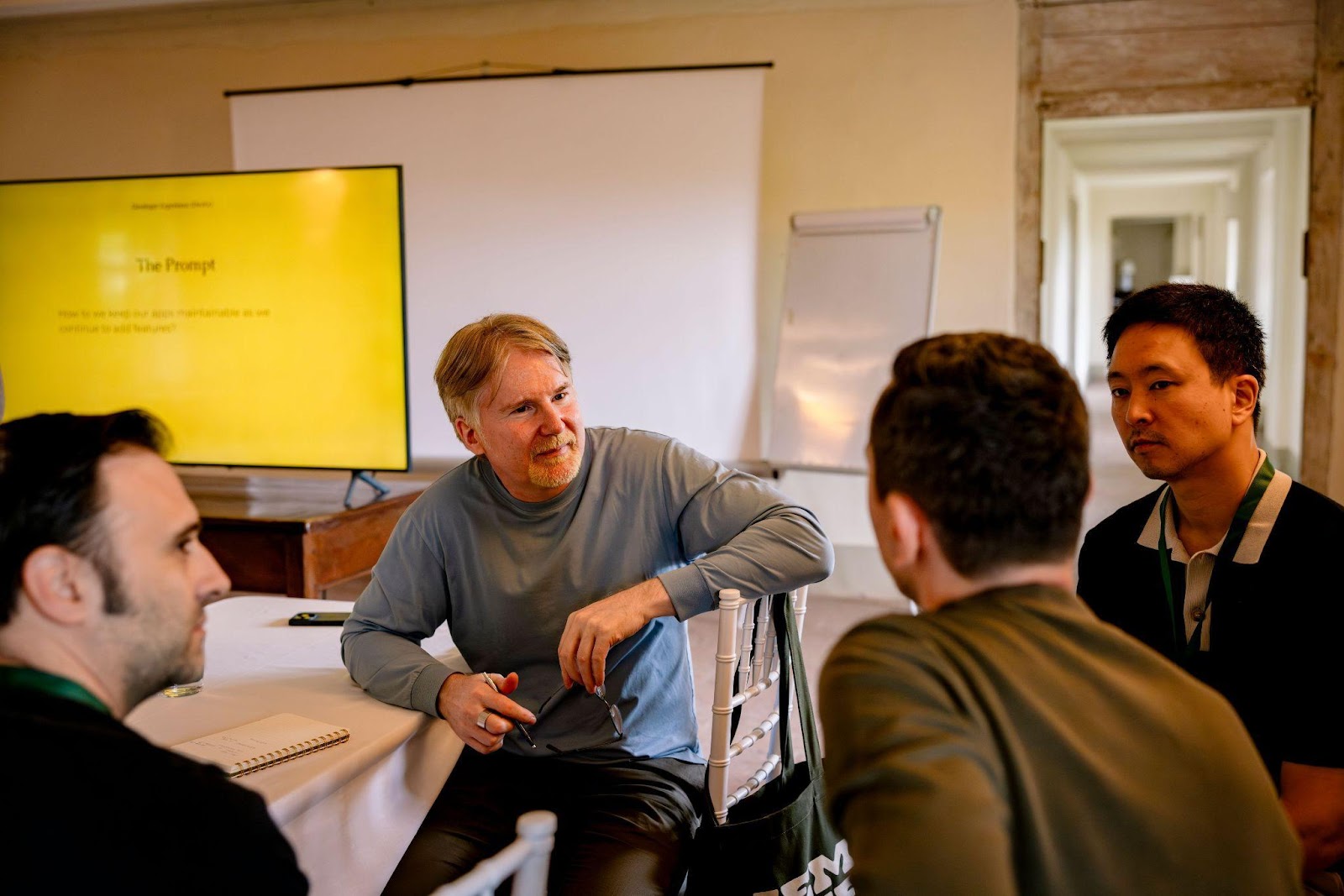
Internal facilitators can, of course, work in some situations, but having an outsourced professional facilitator outside the company will increase your chances of hosting a successful event.
They will focus on guiding the process, taking the burden away from leadership, who will be able to participate fully and connect with their team on a more even plan. They will bring a fresh perspective and their learnings from other contexts, all the while maintaining unbiased and objective guidance as they are unaware of internal political biases.
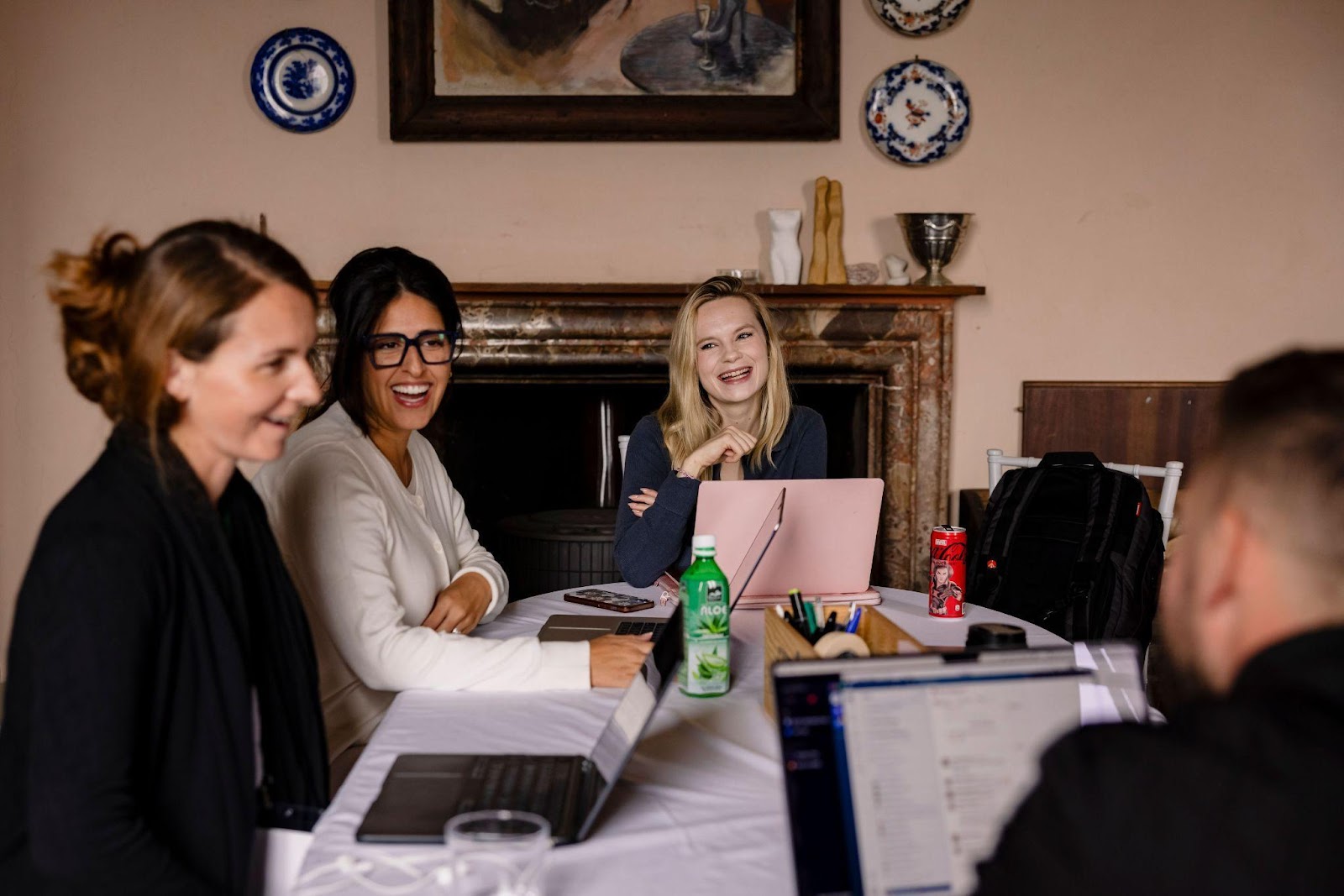
Facilitating is a full-time role that demands a combination of hard and soft skills. Some people are born facilitators, and others become great through experience. Some companies choose to select someone from within the team, while others decide to outsource and fully experience the journey as part of the team. Whatever the choice, facilitation is key to any successful team retreat and should not be disregarded.
From practical insider warnings to new secret locations, get our monthly, genuinely spam-free newsletter.
Subscribe now
%20(4).jpeg)