Home
>
Blog
>
Trends and insights
>
Biophilic Work Architecture: Reclaiming the Biological Basis of High-Performance Teams
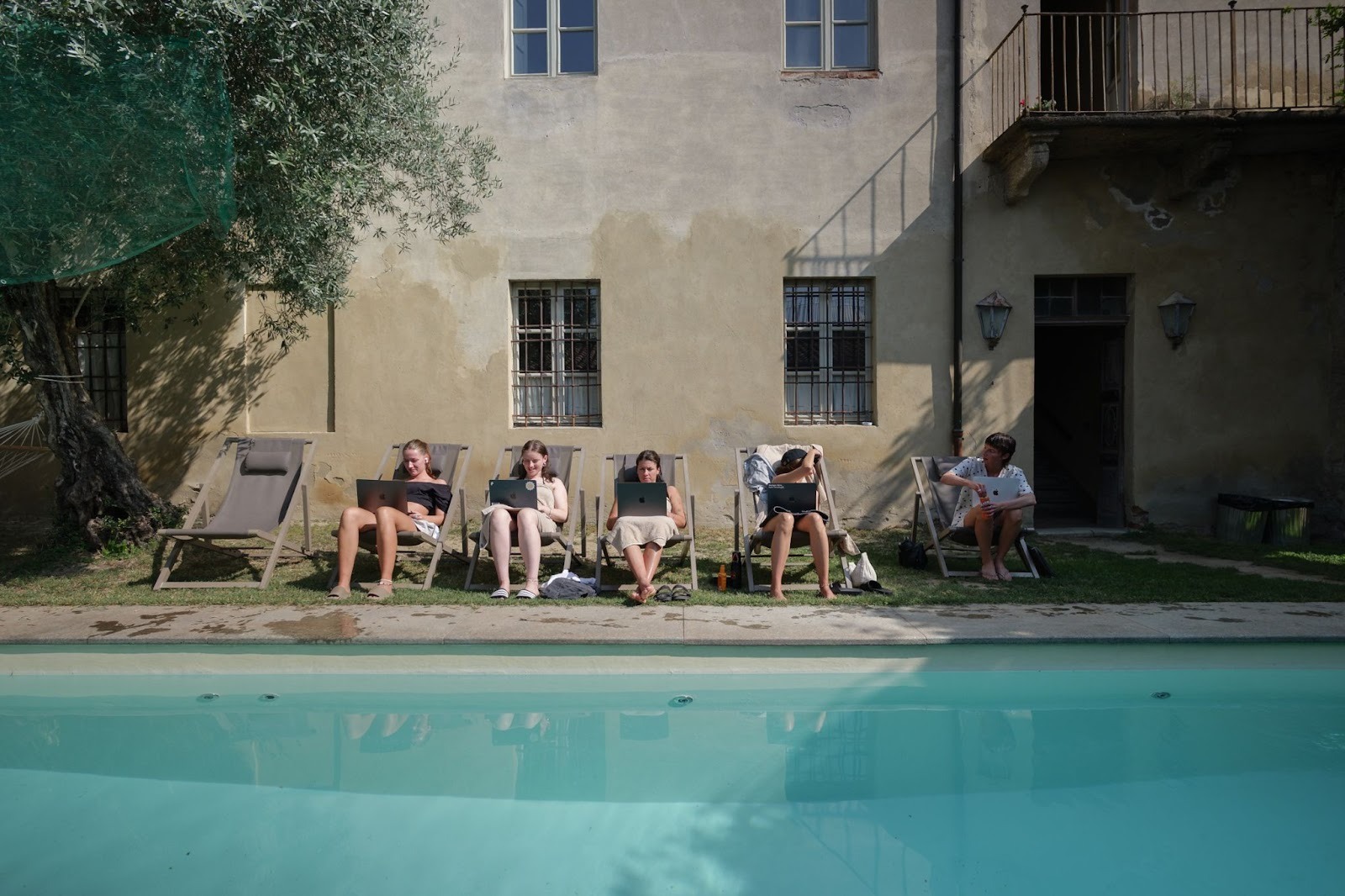
Most jobs today are designed for a version of ourselves that does not even exist.
While evolution prepared us for life outdoors, we now spend our days stuck in flat, stressful digital spaces.
By now (2026) it is clear that the "always-on" work culture has pushed us to the brink. We have made our software businesses faster, but forgotten about the people behind the screens. This has quietly led to scattered focus and weaker relationships.
What if the solution was Biophilic Work Architecture? Beyond adding plants, it’s about rethinking how we work to fit our bodies and minds, and, by doing so, maximize focus, reduce errors, and turnover. This approach designs work environments to support our biology by matching physical spaces, digital tools, and work routines to our natural needs.
This is our focus for this month’s deep dive.
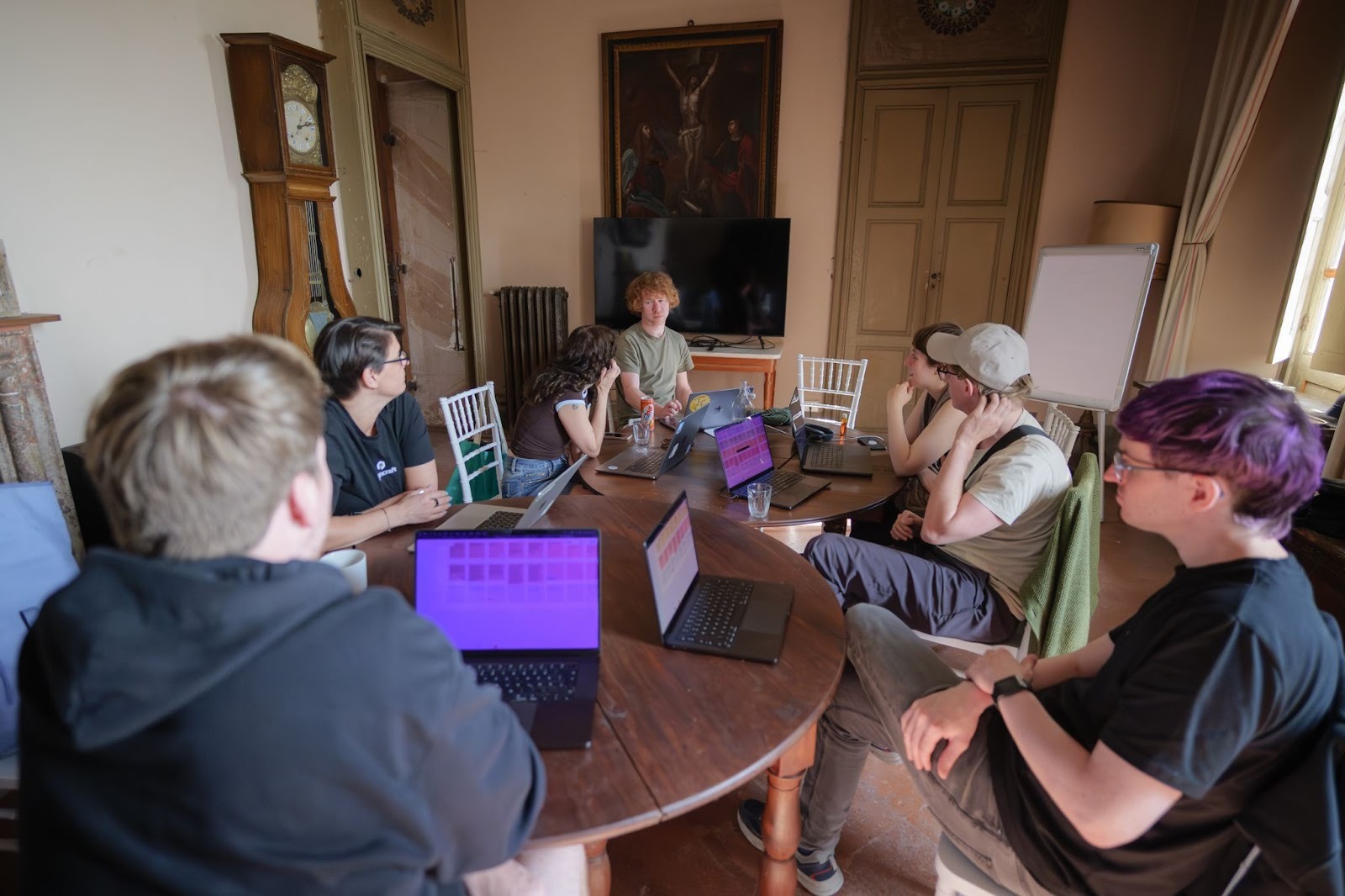
Why do we feel so tired by mid-afternoon, and why does it seem like our minds are always on high alert?
It might sound cliché, but to understand our struggles with today’s work environment, we need to look back at our hunter-gatherer roots. We’re more distracted now than hunter-gatherers ever were, even though our brains are basically the same. The difference is that our environment is now designed to constantly grab our attention, with little time for our minds to rest.
Our attention systems evolved for small groups and outdoor life, with bursts of focus for things like tracking prey or reading social cues. While hunter-gatherers did shift their attention often, it happened in a natural setting with far fewer fast, artificial distractions than we face today. Their attention demands were slower and matched our natural design, unlike the constant, rapid task-switching we now do on screens.
Today, Slack and other “pinging” tools force us into “Continuous Partial Attention.”
We’re always waiting for or interrupted by new information, which keeps our minds anxious. CPA is not exactly the same thing as multitasking, which some people seem able to manage quite well, switching from one task to another quickly to get things done faster.
Continuous Partial Attention, however, according to author Linda Stone, who coined the term back in 1998, is more about constantly scanning and dividing our attention between emails, social media, and apps because we are afraid of missing something. We are desperate to stay connected and productive, leading to anxiety and, well, not accomplishing much in the end.
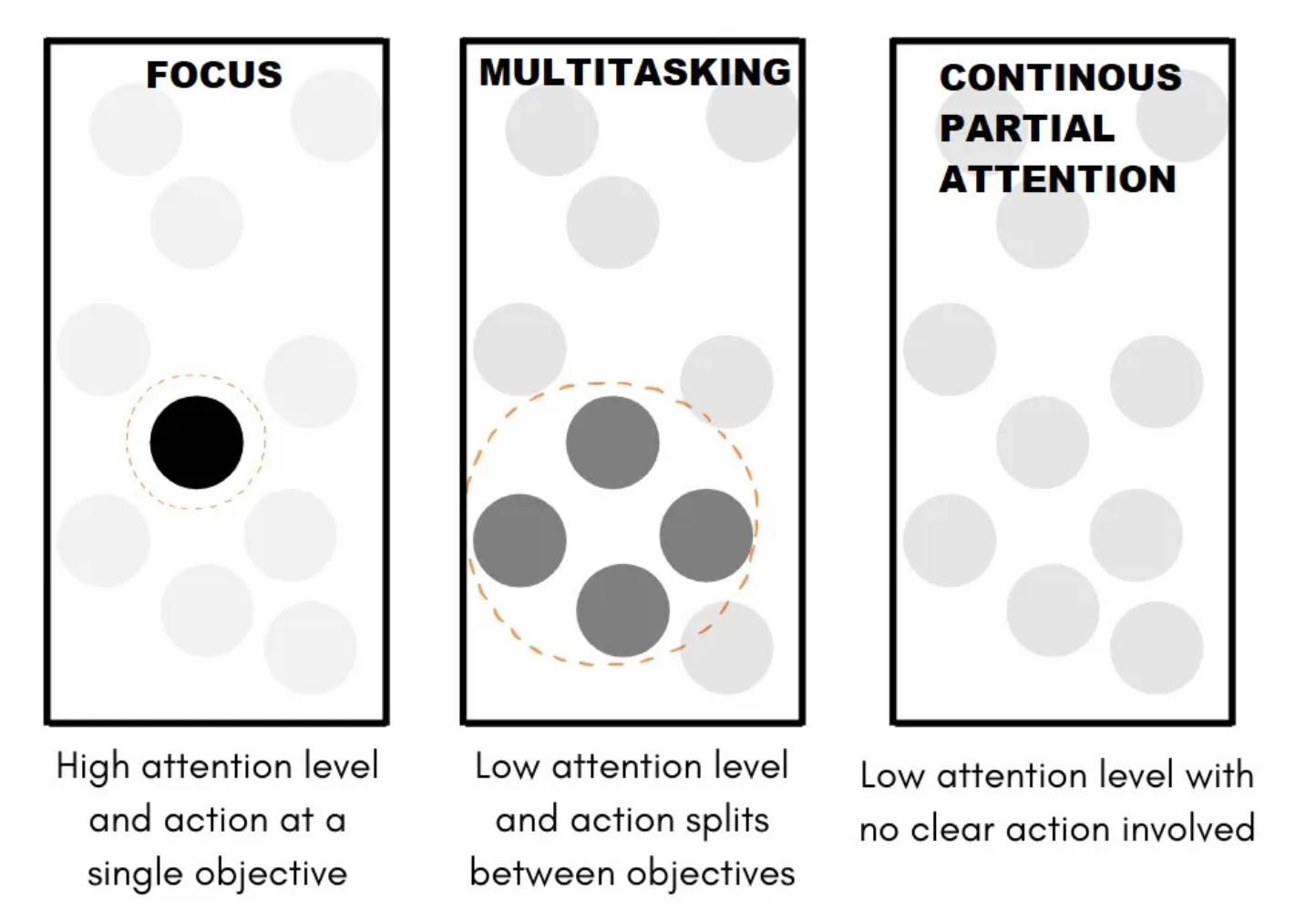
Most of us today are mostly doing that, rapid task‑switching. Exhausting our brains by toggling between email, chat, social media, documents, etc. Studies show that this constant switching is cognitively expensive: it overloads working memory, increases errors, reduces deep learning, and can cost up to 40% of productive time.
Going back to the prehistoric version of us, communication necessitated the whole body. We didn’t just listen to words; a raised eyebrow, a sensed stress, and changes in someone’s voice mattered. Without these physical signals, our brains often assume the worst. It is still the case for many of us today. That is why, for some, a full stop at the end of a message like “Fine.” can feel like a sign of rejection instead of just punctuation.
In addition, in the wild, survival involved short bursts of stress, such as hunting, followed by long periods of rest, such as sitting by the fire. Today’s work culture has mostly removed that rest part. Applications like Slack keep us in a constant state of alert, with no real downtime. Without recovery, we burn out because our bodies aren’t built to be available all the time.
In the past, your social status decided your access to food and safety. Now, in the age of instant messaging apps, being quick to respond has become a sign of value. Some people even get hooked on the feeling of always being needed.
Seeing a “Read Receipt” with no reply, or watching a colleague start typing and then stop, can trigger a powerful sense of social threat. On some level, we might feel like our place in the group is in danger.
So how much is all of this “costing us”?
In this piece, we define “biological debt” as the cost of choosing an easy solution now that causes problems later.
At work, we’re definitely racking up a bill. This happens when our jobs demand more than our bodies and minds are built to handle.
At the center of this debt is cortisol, the body’s primary stress hormone. Basically, your body can “borrow” energy from your immune system, your digestion, and your long-term creative thinking to fund a momentary burst of survival speed. (To outrun a predator for example) Once the threat passes, you rest, and the loan can be repaid.
The issue with today’s “Open Door” policies and constant notifications is that the sense of threat never goes away. Every Slack message or quick question interrupts us, and our brains treat them as urgent. This causes small bursts of stress hormones over and over. When this happens dozens of times a day, our bodies never get a break, and we end up in a constant state of stress.
When we quantify this debt, we see the real impact:
While “Open Door” policies are meant to promote collaboration, from an evolutionary standpoint, when taken too literally, they can sometimes create an environment that lacks frontiers. For our primal minds and bodies, no boundaries means that a threat can come from anywhere. Which means our brains stay on high alert. Instead of just being accessible, we feel exposed. The real cost is all the mental energy we spend just keeping watch, rather than focusing on our work. In her book The Art of Gathering, strategic facilitator Priya Parker discusses the importance of “closing the door to create the room,” creating a space where people can feel safe. This is relevant to building a healthy work culture and a sense of belonging within a team.
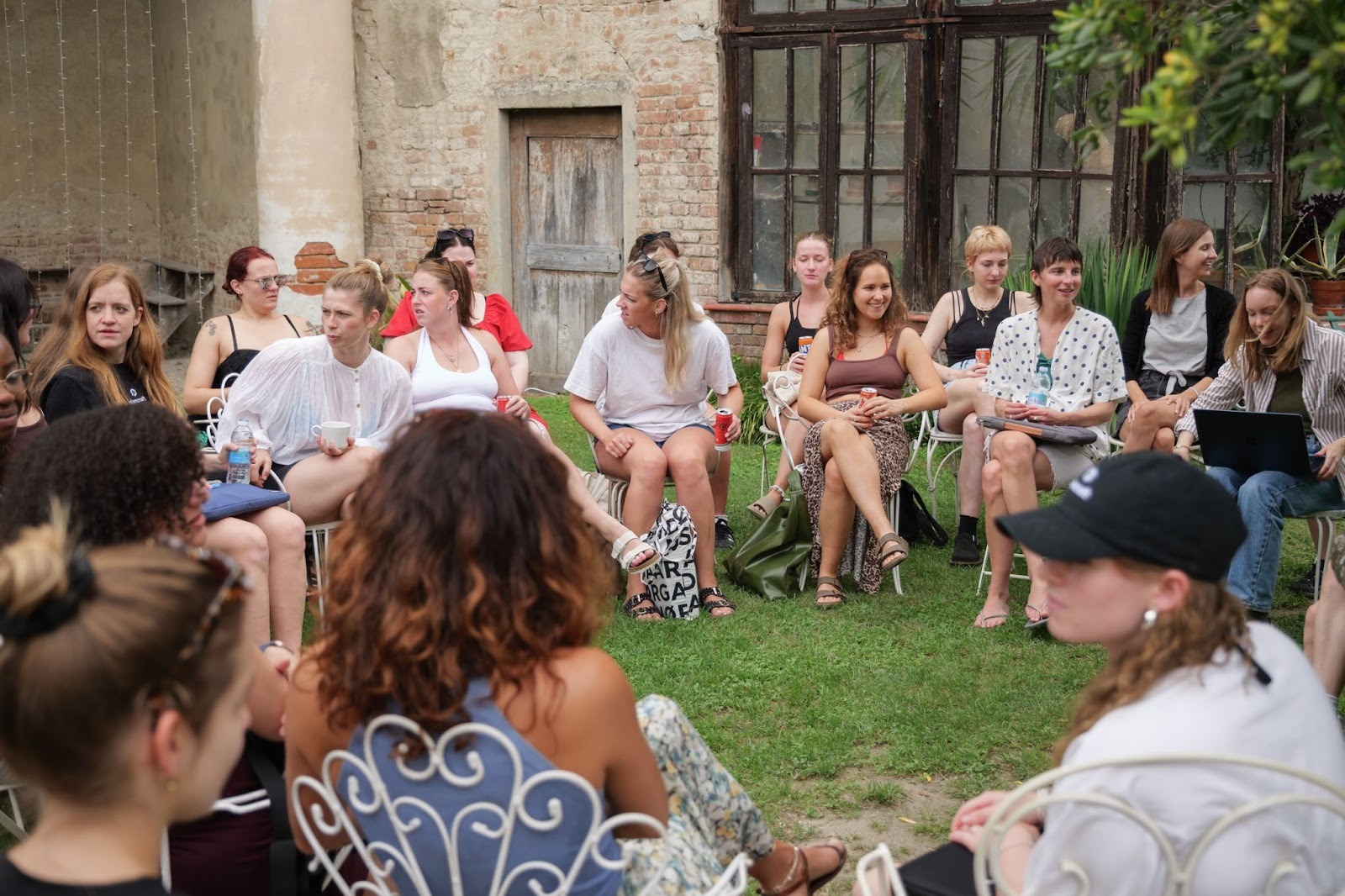
Back to our hunter-gatherer tribe, survival didn’t just depend on individual intelligence; it depended on neural coupling. This is the biological process where the brainwaves of a speaker and a listener physically align. When we interact in person, our brains begin to oscillate at the same frequency, creating a shared mental state that supports intuition, trust, and rapid problem-solving.
In a forest or a shared physical space, our nervous system is flooded with data: the micro-rhythms of a teammate’s breathing, the scent of the shared environment, and the 180-degree peripheral awareness of our surroundings. Digital tools like Zoom or Slack offer only a weak substitute for a real connection. On a screen, you can’t make real eye contact; you’re either looking at the camera, the other person’s eyes, or even your own image, but never all at once. This mismatch keeps our brains from truly syncing up.
This helps explain why we feel so tired after a day of video calls. Our brains are searching for the non-verbal cues we’re used to, like body language, warmth, and a feeling of shared space. When we can’t find them, our minds stay on high alert. We’re trying to build a team with only a small part of what we naturally need.
We’ve built work environments that go against our biology, and it’s taking a toll.
Our nervous systems, which evolved for movement and community, are now stuck in digital spaces that don’t fit how we’re made. But if the problem is rooted in our biology, shouldn’t the solution be as well?
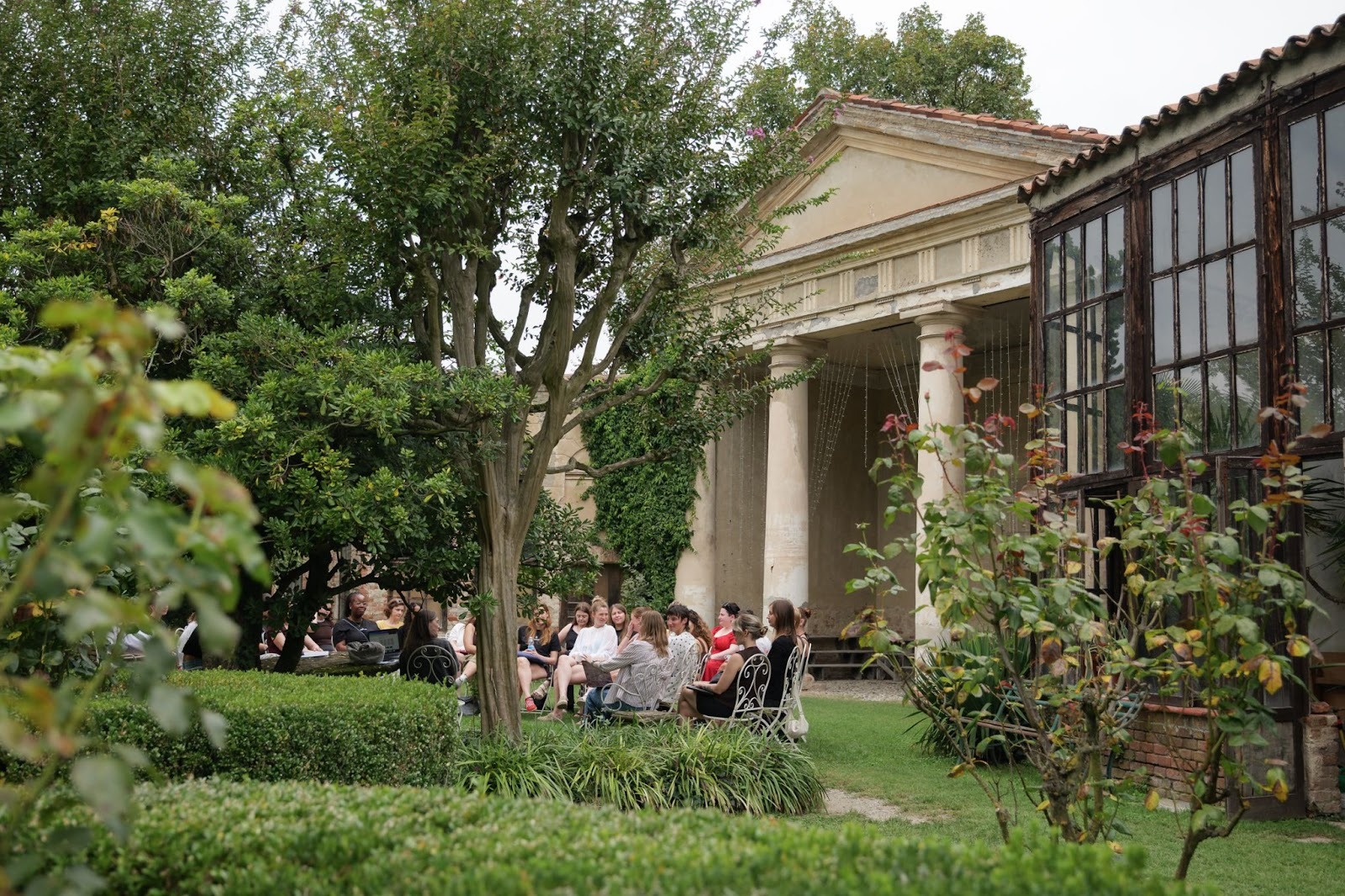
Now that we see there’s a mismatch between our biology and our work, it’s time to look for solutions. Many believe biophilic design is the answer. This approach is not just about extra plants (even if we are all for it). It is backed by research and real-life examples. Studies show that biophilic design can improve cognitive performance, reduce stress, and increase productivity. Companies using these ideas report better employee performance and wellbeing.
Biophilic design is the translation of our innate affinity for nature, biophilia, into the built environment, so that buildings and spaces actively support human health, cognition, and wellbeing. It increases people’s felt bond to the natural world through immediate nature (light, plants, water), indirect nature (materials, forms, patterns), and the way space and place are organised.
Many people think biophilic design just means shoving more plants in the office or letting in more daylight. While those are important, the earliest ideas from Edward Wilson and Stephen Kellert go much deeper:
They also identify three categories in biophilia:
What if we applied biophilic design principles throughout the entire work experience? Imagine designing the entire workday, not just the office space, as a place that supports our biology.

If biophilic design is about making good habitats for people, then work architecture means applying that idea to everything: physical spaces like layouts and materials, digital spaces like notifications and interfaces, and even how we use our time, such as focus periods and meetings.
In biophilic design, 15 patterns have been identified that affect our stress levels, cognitive performance, and moods, organised in 3 main areas:
Reducing the "Hyper-Vigilance" of the Open Office.
In nature, animals feel most stressed when they’re exposed and can’t see what’s around them. The modern open office creates this same feeling of constant exposure.
Ending the "Perpetual Hunt" of the Screen.
Our digital tools are built for fast software, but our senses are built for a slower, more natural pace.
Aligning Workflows with Circadian Reality.
The "always-on" culture treats people like machines that work in straight lines, but our biology works in cycles.
When these three pillars are aligned, we create a Restoration Loop:
Yes, this makes the office look nicer, but more importantly, it improves how people work. By designing for real human needs, we stop building up stress and start gaining benefits like creativity, energy, and stronger teams.
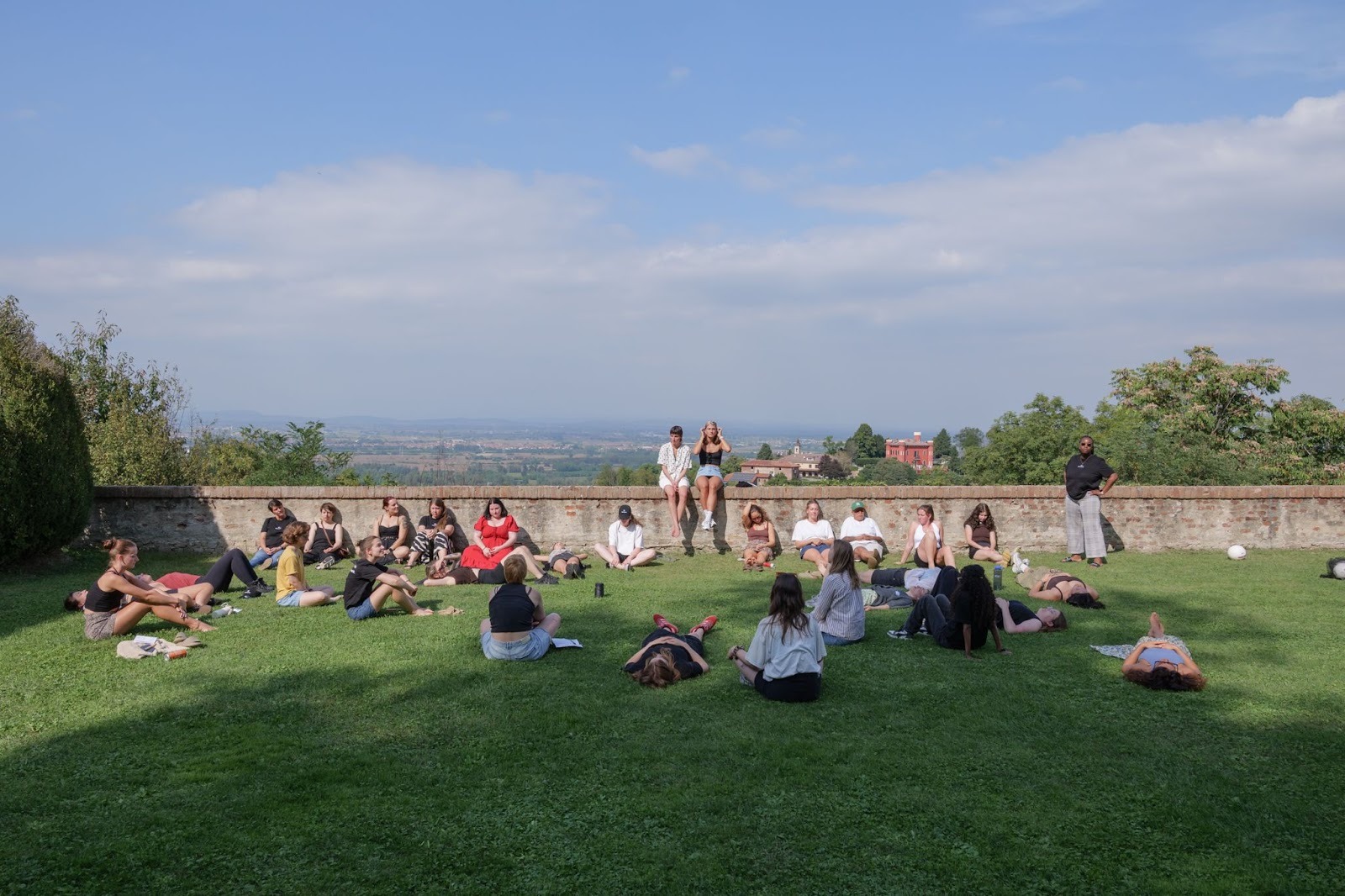
If the Three Pillars give us a better work environment, Attention Restoration Theory (ART) guides how to use it. Even in the best setting, our focused attention, the mental energy we use for important tasks, runs out quickly. In most offices, we’re already tired by midday.
In a modern office, we rely almost exclusively on Directed Attention. This is a biologically expensive process located in the prefrontal cortex. Its primary job is inhibition: the ability to ignore the ping of a notification, the conversation at the next desk, or the urge to check an email while writing a strategy.
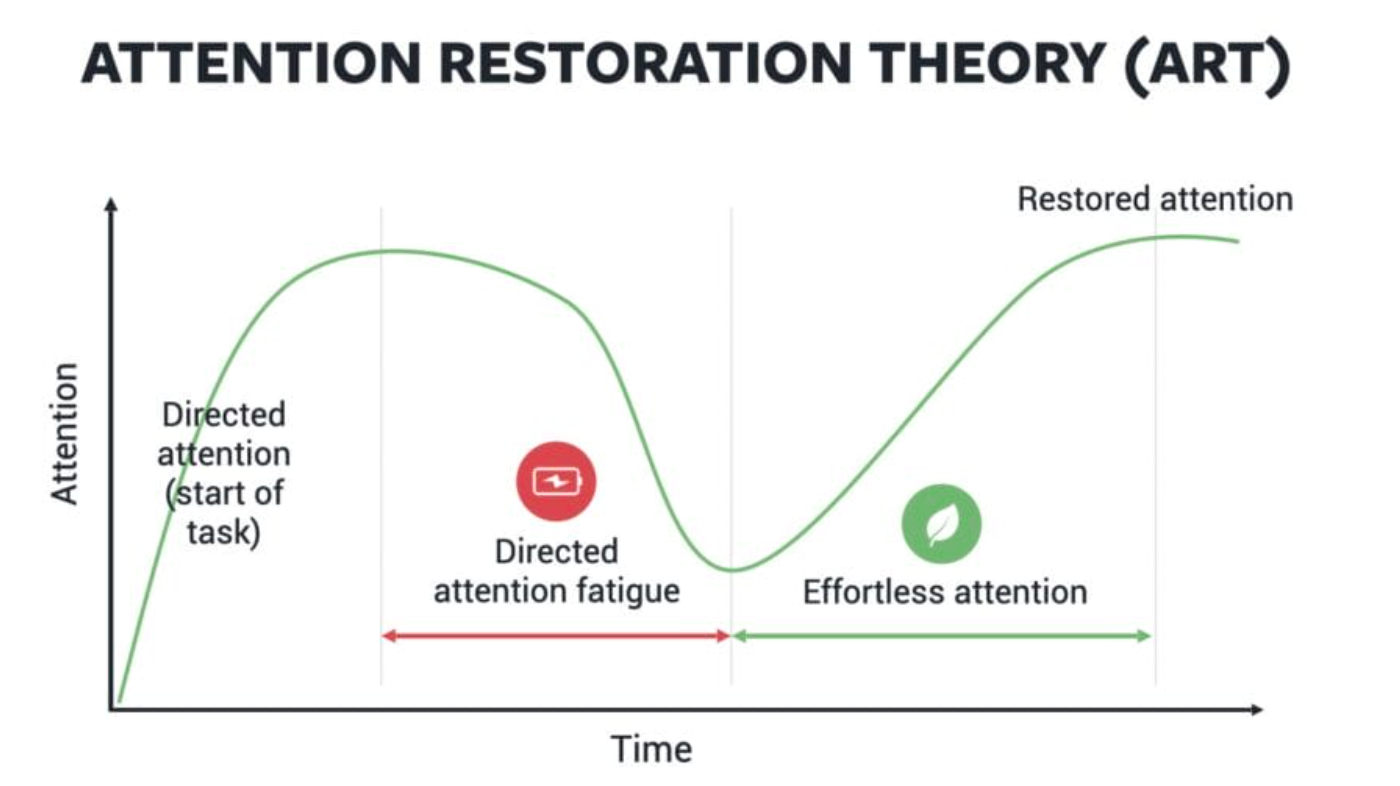
Ignoring distractions is like using a muscle. Each time you stay focused, that muscle works. But if you’re always switching tasks, it eventually gets tired and stops working well. That may explain why you feel so tired by mid-afternoon: Directed Attention Fatigue. When our mental filters stop working, we get irritable, act on impulse, and feel foggy, making even simple choices seem hard. We often try to fight through attention fatigue with coffee or willpower. But research shows that mistakes, impatience, and lost creativity from fatigue cost businesses far more than taking a 20-minute break to prevent them.
If Directed Attention is a muscle that fatigues, Soft Fascination is the restorative recovery that heals it.
Most modern breaks don’t really give our brains a proper rest. Scrolling through Instagram or reading the news actually demands a lot of attention, with fast-changing and intense information. Our brains never get a real break because they’re still filtering out distractions.
Biophilic environments do the opposite: they offer gentle, calming experiences. Watching leaves move, clouds drift, or noticing patterns in wood gives our brains something to enjoy without working hard. This lets our minds truly rest and recharge.
To repay the "Biological Debt" and maintain high-performance levels throughout the day, Work Architecture must incorporate three restorative shifts:
For years, we’ve treated people like machines, forgetting that our brains are designed to work best in natural environments.
Biophilic Work Architecture is simply a smart business move.
We saw here that offices with views of nature can boost processing speed, improve memory and attention, and increase wellbeing. Better wellbeing means fewer sick days and more savings, while fewer mistakes and faster problem-solving help the business succeed.
By designing spaces that support how we focus, we help teams work better and feel more energized. When we design for the biology we have, rather than the machines we wish we were, we don’t just work better. We finally find our way back to the campfire.
Is your team currently operating in 'Biological Debt'? At Campfire Company, we help leaders audit their work architecture to reclaim focus and high performance.

From practical insider warnings to new secret locations, get our monthly, genuinely spam-free newsletter.
Subscribe now


%20(1).jpeg)


