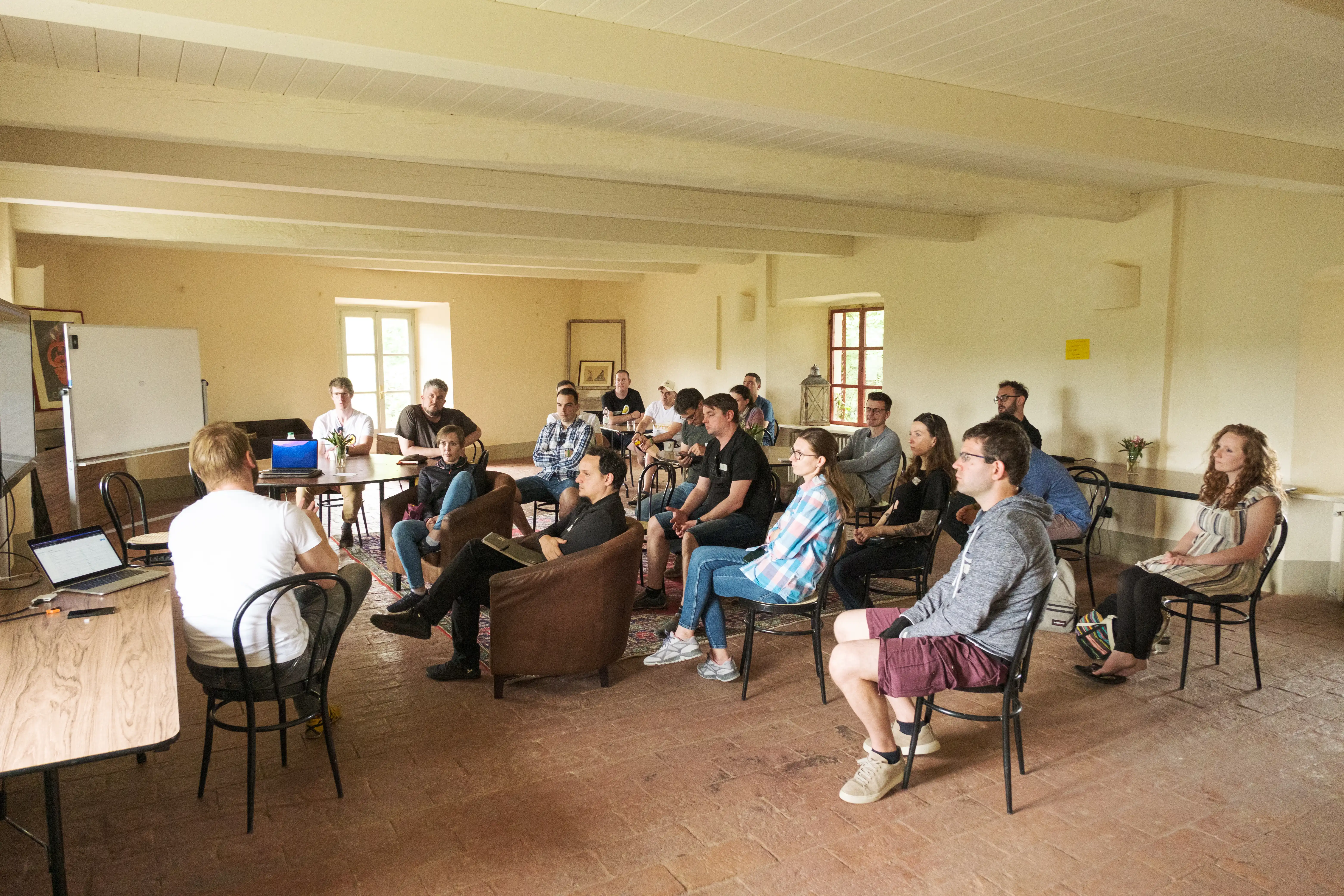
For years, the return on investment for team retreats has been categorized under "Culture," often the first area to face cuts when budgets are reduced.
In 2026, the math has changed.
With European tech facing a Voluntary Turnover rate of 17.4% and the cost of replacing a single mid-level manager rising to 200% of their annual salary, the campfire isn’t just a place for s’mores. It’s a unique tool for protecting your most expensive asset: your people.
To a CFO, there is a massive difference between Planned Attrition (letting a role expire to save costs) and Voluntary Turnover (losing a high-performer you intended to keep).
In Europe today, the direct and indirect cost of a voluntary departure (recruitment fees, onboarding time, and the 6-month “productivity lag”) is staggering:
Then you also have to take into consideration the cost of “Secondary Attrition,” which occurs when remaining staff burn out while covering an empty role.
The maths is simple: if a €30,000 retreat prevents just one mid-level manager from leaving in the next 12 months, the investment yields a 400% return in avoided losses.
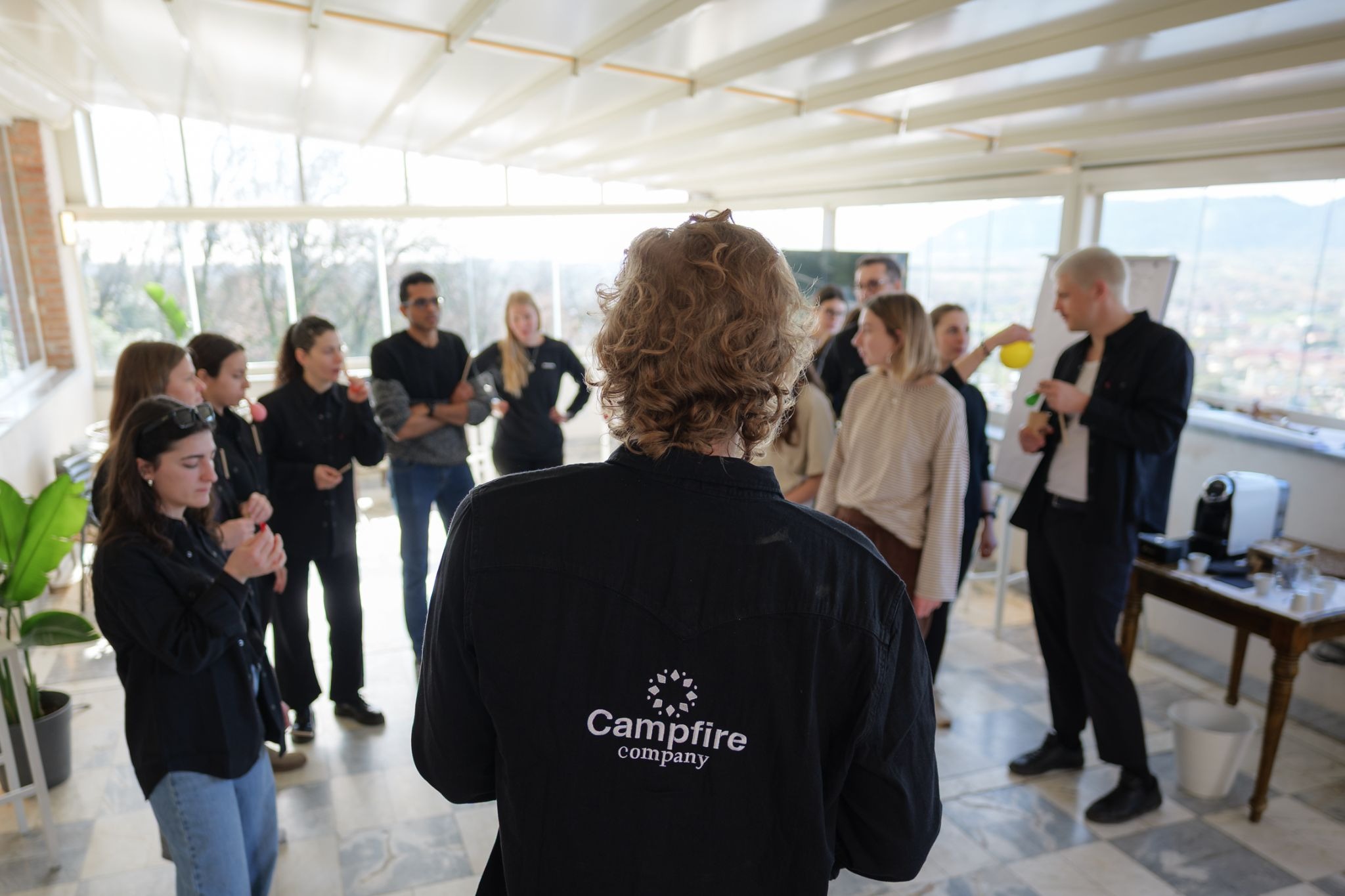
A common critique is that retreats are “time away from work.” But in reality, they are just time well spent.
Spent on nurturing key ingredients for a successful business: team engagement, collaboration, alignment, and a bit of that magic serendipity that makes everyone feel fuzzy inside.
In Europe, a disengaged employee represents a “hidden expense” of roughly 34% of their salary in lost productivity. A meta-analysis report by Gallup comparing teams on profit, productivity, retention, safety, quality, and wellbeing showed that teams with higher engagement scored better on almost every outcome. While a retreat acts as a structural “reset” for this engagement.

It might sound too simple, but it really is all about sharing moments together. Studies show that more (positive) shared experiences increase cooperative behaviors within a group. Especially if these include activities with synchronous and complementary movements (rowing, yoga, dance, fitness, paired sports...).
Retreats offer numerous opportunities for shared moments and activities, synchronous or not, such as meals, which are also known to nurture bonding and trust-building. And team members who trust each other work better together.And of course, if your retreat is nature-focused, you get the benefit of the power of biophilia as well.
You can be sure that if your plan is to “wait and see”, it will end up costing you more than a well-planned nature-based team retreat.
According to a 2025 Emburse study, 73% of employees at high-performing companies report feeling excited about offsites. If your team is part of the 27% remaining, it might be time to plan something new for clarity, trust, and purpose.
Retreats aren’t parties; they’re investments in keeping your top talent from leaving.
From practical insider warnings to new secret locations, get our monthly, genuinely spam-free newsletter.
Subscribe now