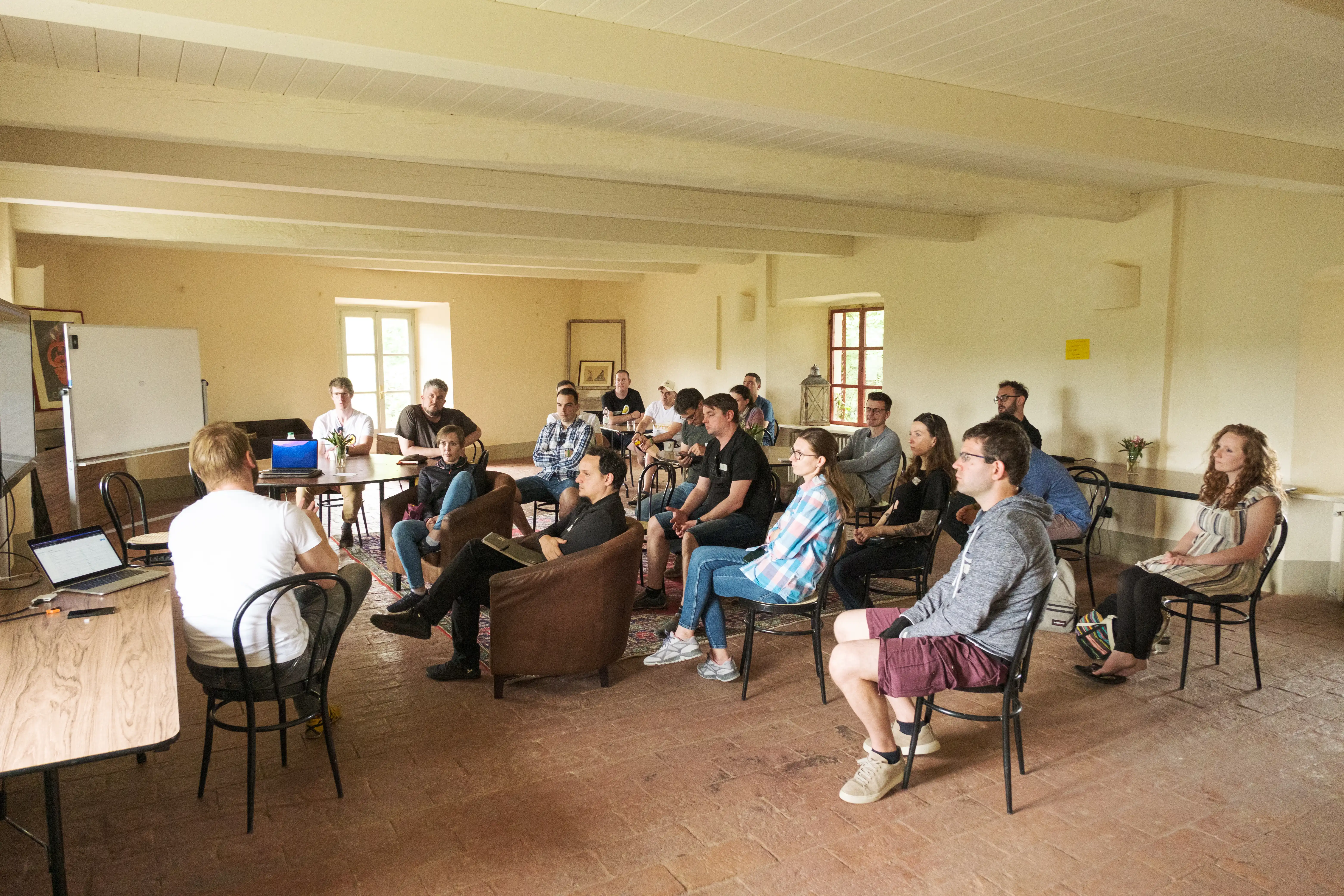
Engagement isn't something you can simply "service" once a year and shelve like an old project file. Anything that involves people is emotional, dynamic, and requires attention long after everyone returns to their desks. The impact of a retreat lingers only if it awakens a more profound sense of connection and belonging, things you can't measure on a balance sheet, but that quietly influence everything that is.
So, next time you plan your retreat, look beyond the spreadsheets. ROI isn't just the productivity you can count; it's the emotions you can't, and the long-term results those feelings create.

The world of work has shifted. While distributed teams offer many perks, many employees also feel isolated, unmotivated, or emotionally detached from their teams. Hybrid set-ups and back-to-back virtual meetings have made connections feel transactional. The result? Engagement has evolved from a "nice perk" into one of the most critical investments any company can make.
Disengaged employees cost organizations an estimated $8.9 trillion annually in lost productivity, a figure that has nearly doubled since pre-pandemic years. Teams with high engagement don't just feel better; they perform better. Workplaces with higher trust enjoy 50% more productivity 6and are 76% more engaged. Engaged employees are 21% less likely to quit (in high turnover companies, according to Gallup). High-trust organizations also benefit from 74% less stress and 13% fewer sick days.
In short, engagement pays dividends. The modern employee expects purpose, personalized communication, and a sense of belonging. If your organization isn't creating that space, your most valuable resource, your people, will find one that does.

Retreats are designed to help teams step away from daily distractions, including endless notifications and the flood of digital chatter, and reconnect with what truly drives collaboration. But the magic doesn't come from a packed agenda or endless workshops in windowless rooms. It comes from deep intention and thoughtful design.
Psychological safety is where authentic engagement begins. When people feel safe expressing their ideas and emotions without fear of judgment, creativity takes hold, collaboration flourishes, and innovation follows.
Yes, AI tools can help plan your logistics. Still, only a human facilitator can genuinely read the energy in the room. They sense unspoken needs, manage subtle tensions, and protect the emotional safety of participants, ensuring that everyone feels seen and respected.
A skilled facilitator helps dissolve invisible hierarchies, encouraging quieter voices to speak up and bolder ones to listen more attentively. Leaders with high emotional intelligence are better at creating this safety and encouraging innovation. Teams that cultivate this safety see a 12% boost in productivity, and turnover rates drop by more than a quarter.
White space isn't wasted time; it's where connection and creativity take root. Over-scheduling is one of the biggest mistakes leaders make. Research shows that leaving structured gaps allows the mind to reset and relationships to naturally form, even among colleagues who rarely interact with each other. Remote work has largely eliminated most spontaneous "water cooler" interactions. A retreat reintroduces them, those organic, meaningful exchanges that happen during a walk, over coffee, or while stargazing after dinner. That is the job of the retreat planner. Think of white space not as the absence of structure, but as the presence of possibility. The most memorable moments often occur outside the planned sessions. It's the room your team needs to breathe, reflect, and reconnect.

Never underestimate the power of shared meals to bond. They're not filler time; they're connective tissue. Unless otherwise planned, do not let everyone go off and scatter around for lunch or dinner. The meal is an integral part of your program. When everyone sits down together, formalities melt away and real conversation begins.
Eating communally activates endorphin pathways associated with trust and bonding hormones, such as oxytocin and dopamine. The result? People feel closer, safer, and more open to collaboration.
Engagement requires acknowledging that your team is comprised of unique, complex individuals. Activities that promote bonding, collaboration, and creativity, such as adventure challenges, collaborative problem-solving, or storytelling, make the experience memorable, enjoyable, and unifying. Make sure to create moments and spaces for appreciation and recognition that elevate team energy and motivation. This is critical for making every individual feel seen and appreciated.
The first step in planning is not deciding the venue, but defining a clear purpose. Have a clear purpose and communicated objectives for the retreat to ensure that participants understand the intention, whether it is building, planning, or celebration. And don't keep them to yourself! Communicate these objectives well in advance.
Including your team in planning and activity options means there is a much greater chance that they will feel involved and more engaged throughout the retreat.
Ultimately, the ROI of a corporate retreat isn't measured by the post-event report or the spike in productivity the following week. It's an invisible yet powerful current of trust, safety, and authentic connection that carries the team forward, long after the retreat has ended. The feelings your retreat generates today are the foundations of tomorrow's culture, innovation, and loyalty.
From practical insider warnings to new secret locations, get our monthly, genuinely spam-free newsletter.
Subscribe now