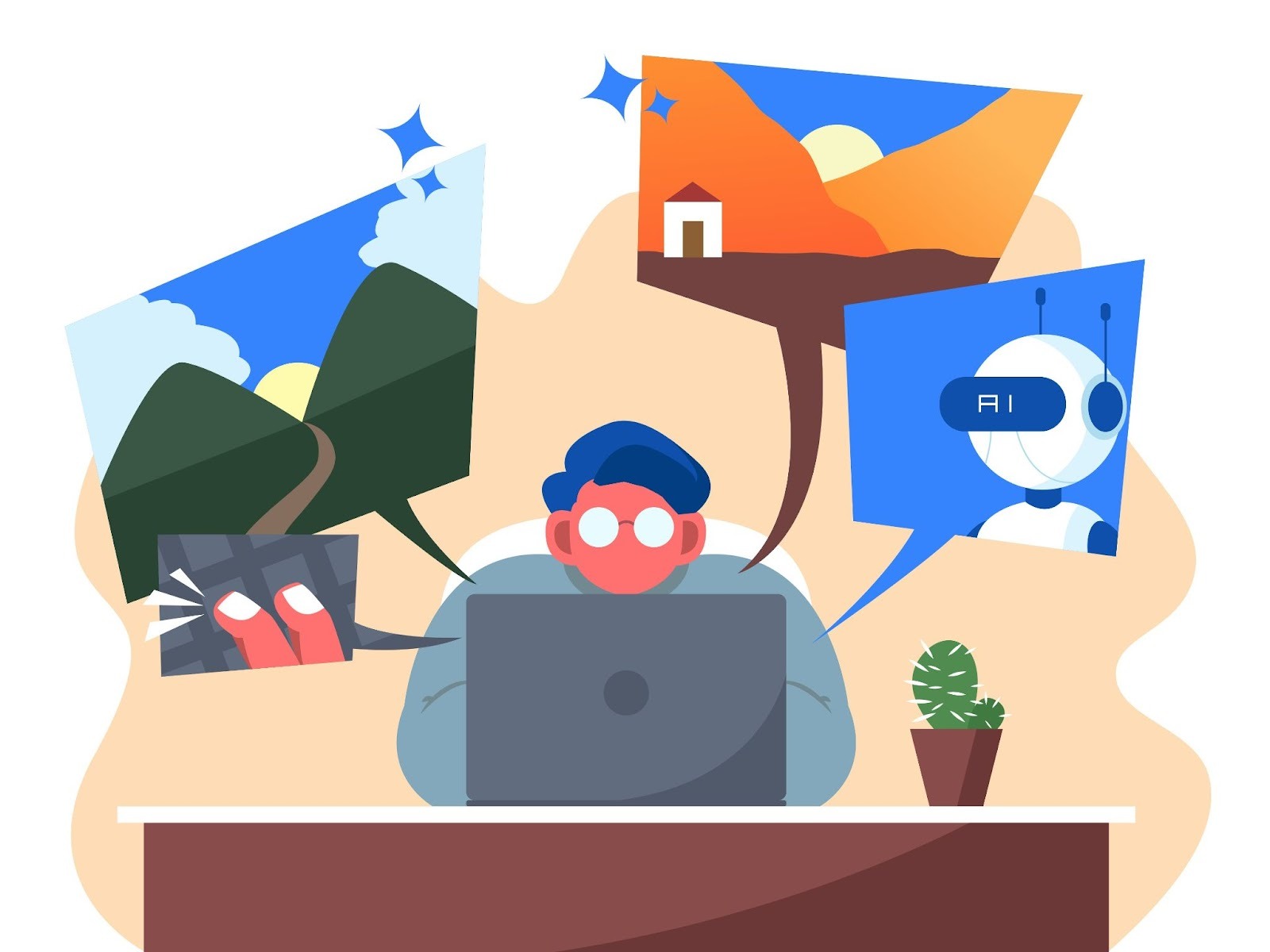
In 2026, more and more leaders feel that AI agents are beginning to outperform humans on technical tasks. Technical excellence is becoming less of a competitive advantage and more of a baseline. When every company has access to the same high-level AI coding and data, the “technical gap” between competitors disappears.
So what will make a real difference? It’s the ability to read the room, manage friction, ethical considerations, and the emotional energy of the people using the AI. Soft skills, unlike technical skills, don’t expire; they continue to enrich relationships and grow businesses.
The concept of differentiating between hard and soft skills originated in the US military in the 50s. The hard skills referred to anything related to ammunition, machinery, and, basically, steel, while the soft skills covered everything else that did not involve using machines and weapons.
Over time, the terms have shifted in the workplace to mean technical skills, such as coding or spreadsheet use, rather than human ones, such as empathy or conflict management.
For many years, hard skills have been prioritised for results and productivity, but the rise of AI has accelerated the realisation that soft skills have greater value and power than previously thought, and they are finally getting the attention they deserve.
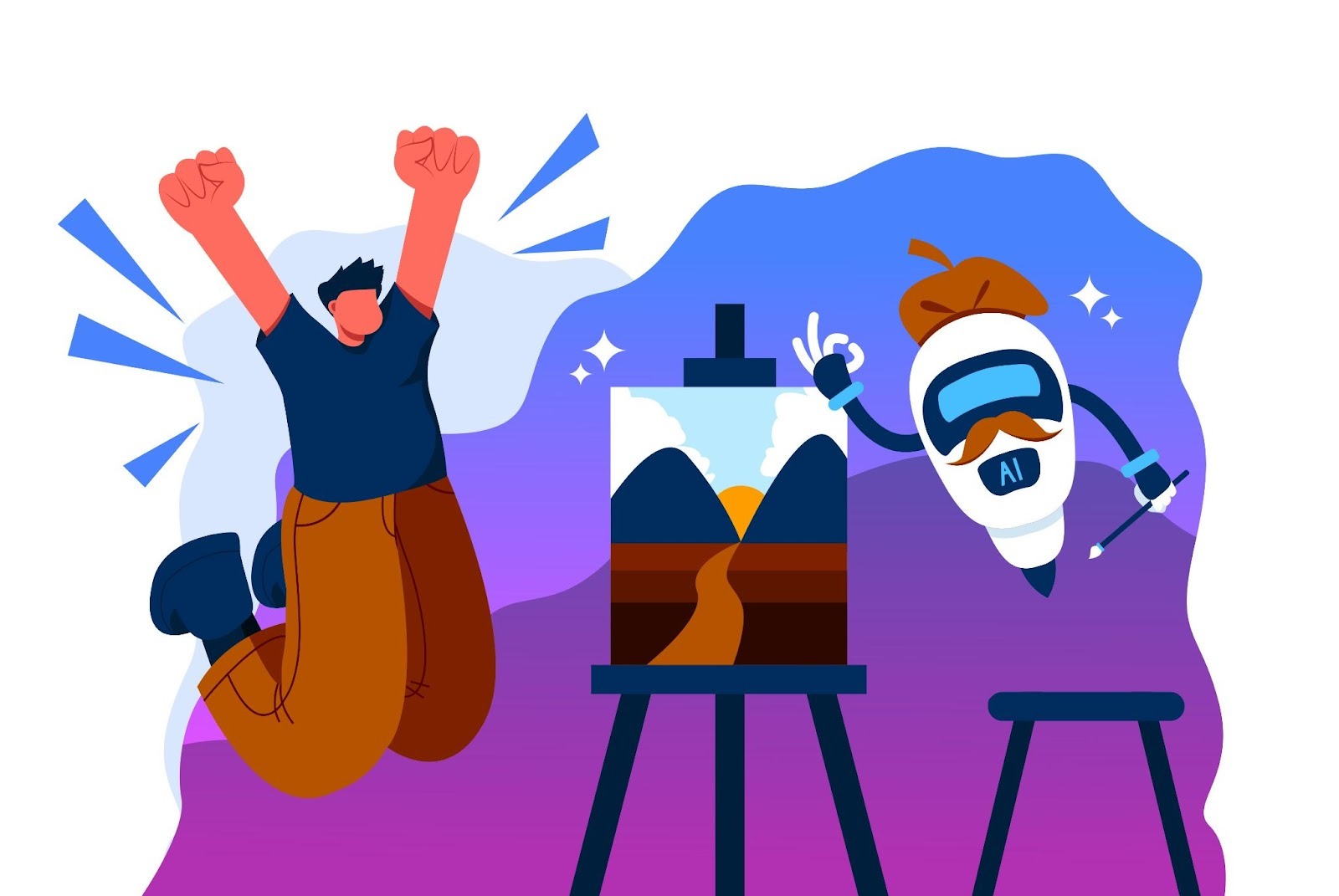
Indeed, AI is making “hard” skills “easier” with instant executions and calculations. Things that used to take even the most talented of us hours or days are now ready in seconds. The mastery of soft skills, on the other hand, still requires the nuance, empathy, and lived experience that AI cannot deliver.
Many are now talking about durable (soft) and perishable (hard) skills. Referring to the fact that, with rapid technological advancements, hard skills are now seeing their “half-life” (the amount of time it takes for something to lose 50% of its value) shrink to about 4 years, down from 10 or 40 years ago.
In the early 2000s, information was the premium; in the 2010s, it was technical skills such as design and coding. Today, with AI delivering both information and tech immediately, the “human touch” is the new premium.
The theory of Human Premium is defined in a Deloitte report as “Human premium is the idea that human interaction or services become a valued premium offering because they stand in contrast to automated AI experiences.”
These interactions are at the source of the soft skills we discussed above, and they offer what AI cannot (yet?) genuinely deliver on:
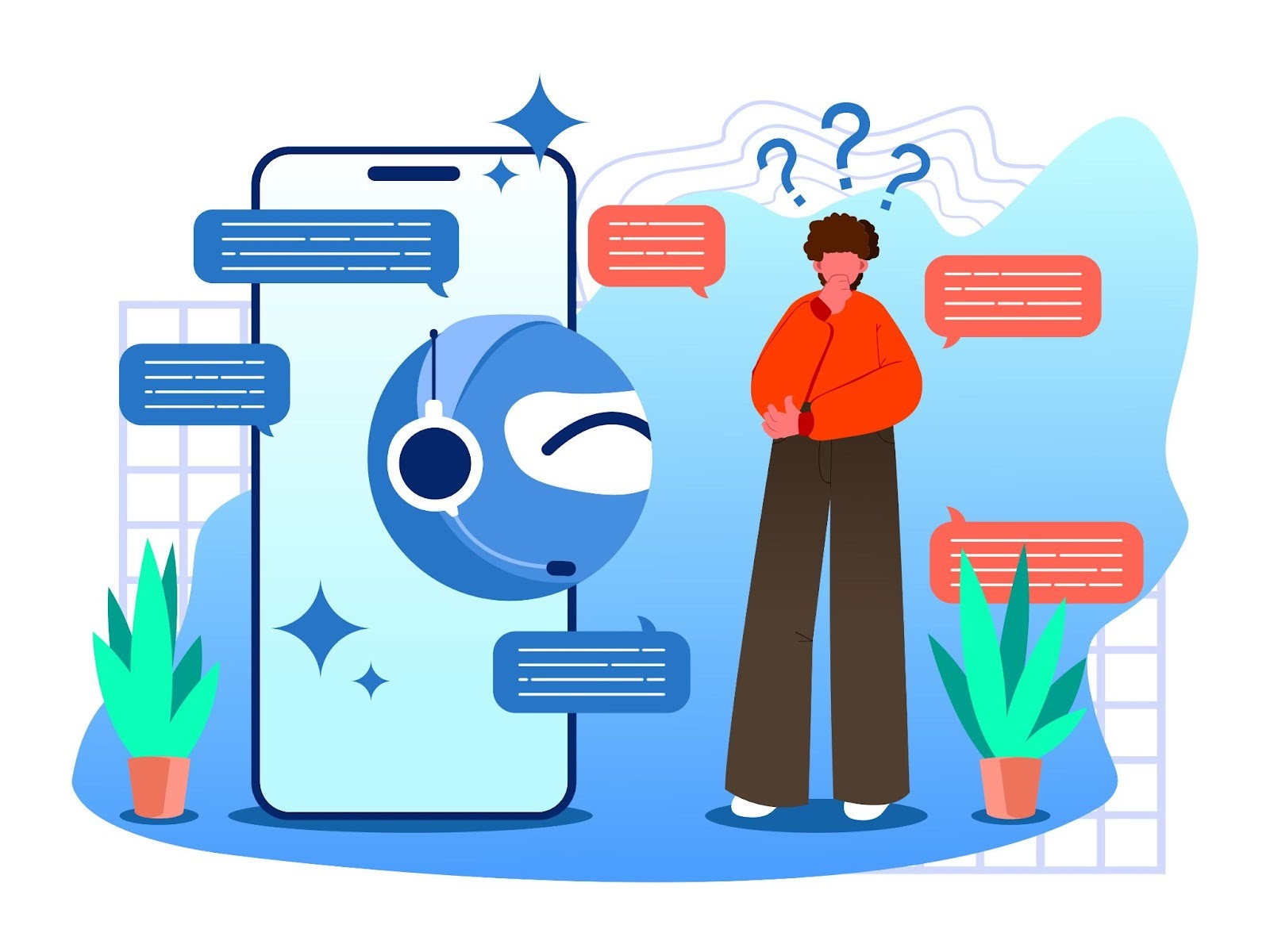
We are still, after all, talking about running businesses. Productivity and ROI matter. Investing in soft skills isn't about 'being nice'; it’s about reducing the 'friction tax' on your business.
Research and data agree: while a 2026 study found that teams working exclusively via AI tools reported a 22% drop in perceived empathy from their leaders, low empathy can lead to lower retention, collaboration, and even innovation over the long term. Research has shown that both employees and employers benefit from soft skills training.
So, where does one get some of those “soft skills,” you ask?
That’s the thing. You can’t learn empathy from a webinar. Unlike hard skills, soft skills are rarely mastered by reading a manual. They are experiential and behavioral. They are also subjective, as “clear communication” depends heavily on how your interlocutor perceives it. What matters here is the ability to adapt to the person.
Another level of complexity with soft skills is that you are never done learning, and you probably will have to unlearn years of doing things one way (being defensive, interrupting others...) first!
Because soft skills are tied to personality and habits, they are best learned in small, repeated increments. It’s about practicing active listening in every 1-to-1 until it becomes a "muscle memory" response.
The best way to improve your soft skills is to interact with others, observe people with high empathy and strong listening skills, work on your self-awareness, embrace feedback, and reflect on how you could have addressed a situation differently.
Obviously, those experiences require emotional labor and are best conducted in a safe environment with people you trust.
What does any of this have to do with team retreats?
The way we look at it, team retreats in nature are your gym for durable skills. It is a unique opportunity to practice “being human together” in a safe place. Unlike Zoom calls and Slack threads, natural surroundings and unique retreat centers offer a high-bandwidth environment that allows time for trust to build through face-to-face moments that include body language, sharing meals, and even serendipity.
So the next time you worry that your agenda isn't packed enough, remember that the whole stay is an opportunity for human skills training and empathy muscle-building! And like every coach will tell you, muscles need recovery time to grow.
From practical insider warnings to new secret locations, get our monthly, genuinely spam-free newsletter.
Subscribe now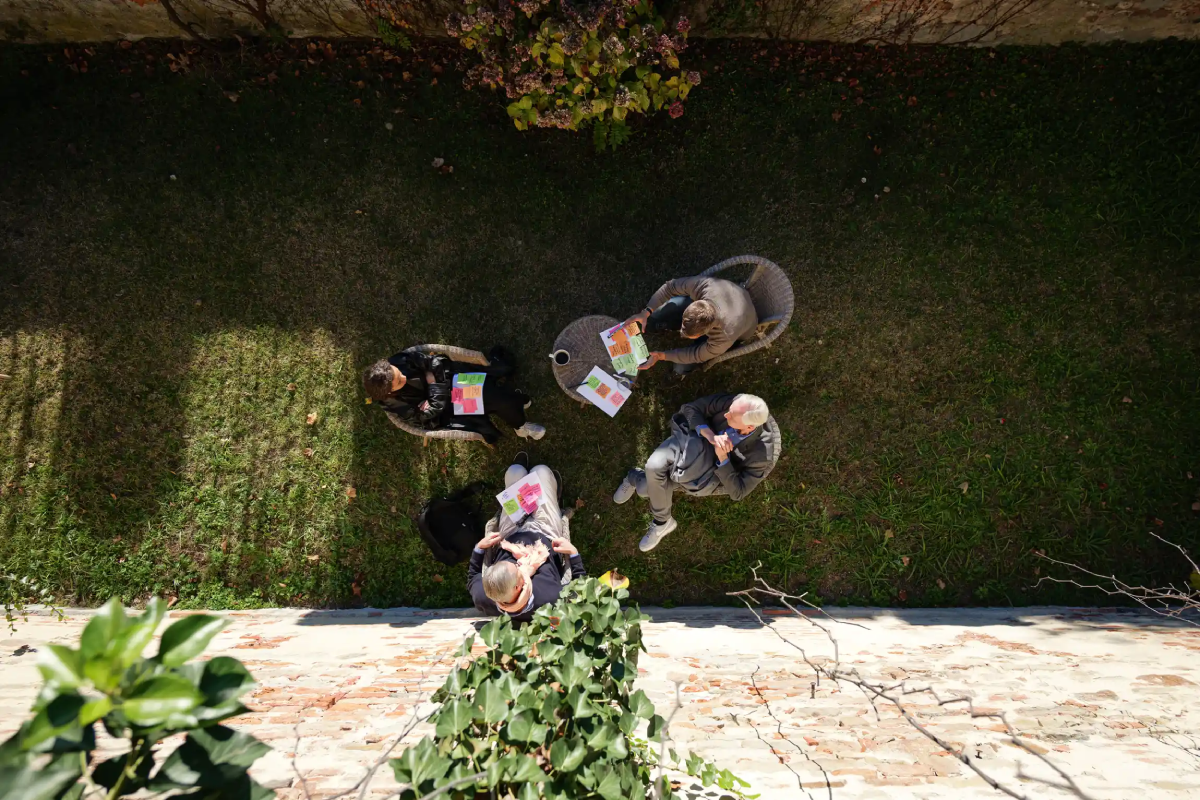

The Architecture of Psychological Safety: Why Workplace Mental Health Needs a Physical Reset
Read more


