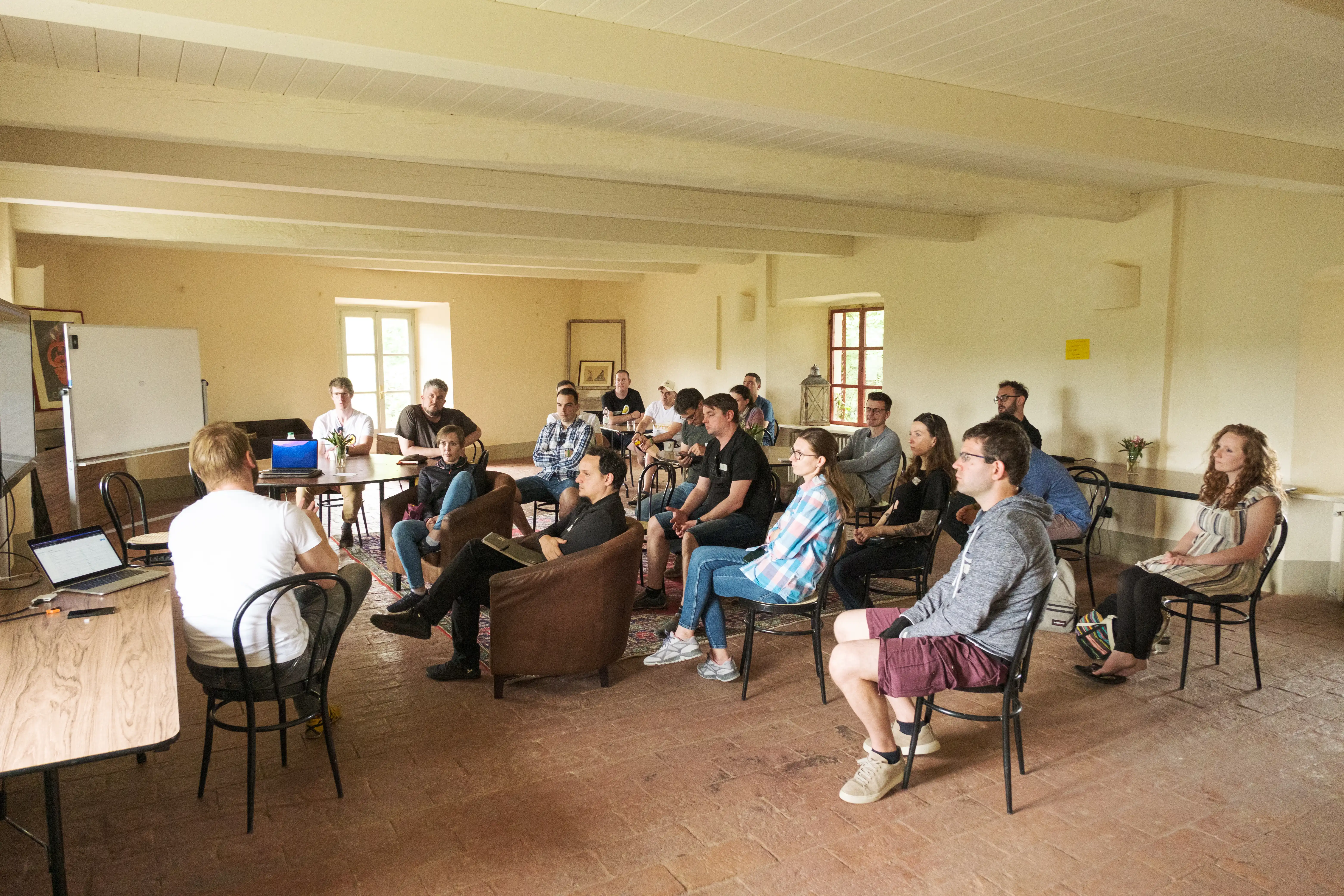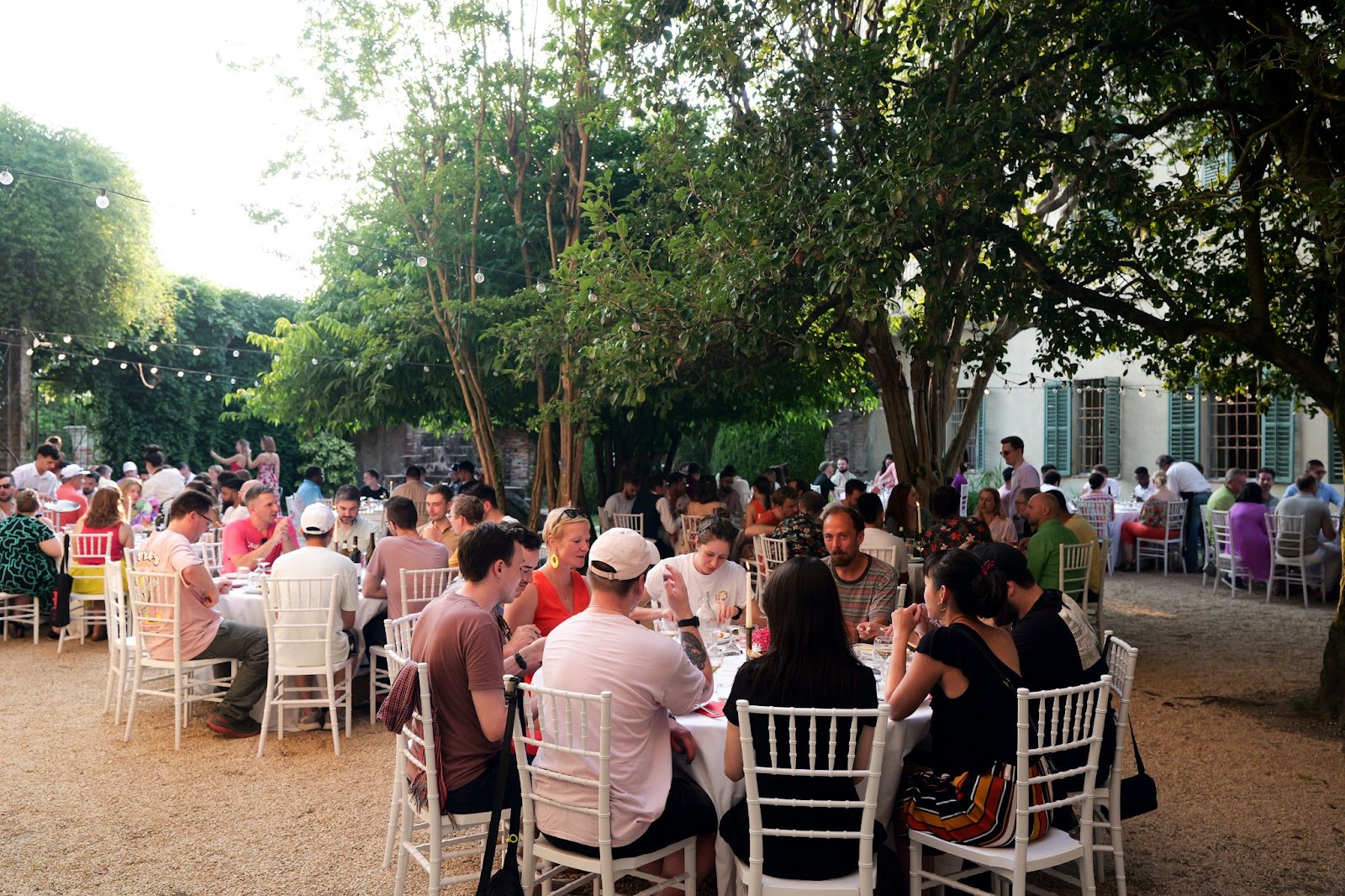
Teams are built around the table. However, if you're considering a meeting room desk, think again. We're talking about the dining table here.
We have often heard that we are what we eat. But how about who we eat with, and how does that impact team dynamics?
Canadian architect and Cohousing expert Grace Kim says it all in her TED Talk:
"The easiest way to start building a community is simply to eat together. Breaking bread is a human action. "[...] "Those who eat together more frequently exhibit higher levels of communitas. It turns out that when you eat together, you start planning more activities together. When you eat together, you share more things".
Mealtimes create "face time" and foster informal interactions, which are crucial for developing relationships and building trust. It nourishes much more than your body.
No matter how different we are, there are a few things we all have to do, including feeding ourselves. In most cultures, meals play a significant role in celebrations, social connections, and showing respect to guests. It is no surprise, then, that research shows that eating together:
Connections are built through repeated encounters in spaces that encourage open and vulnerable communication. Eating together goes beyond nourishment; it is a social activity that serves as a catalyst for strengthening connections.
It creates a sense of belonging to a group; for that moment in time, at the very least, it reduces feelings of loneliness. It also encourages more open communication through the informal setting that shared meals create. And suppose we are going all "sciency" on you. In that case, research shows that eating communally activates endorphin pathways in the brain linked to trust and bonding hormones (oxytocin and dopamine!). So we can scientifically explain why people feel closer after sharing a meal.
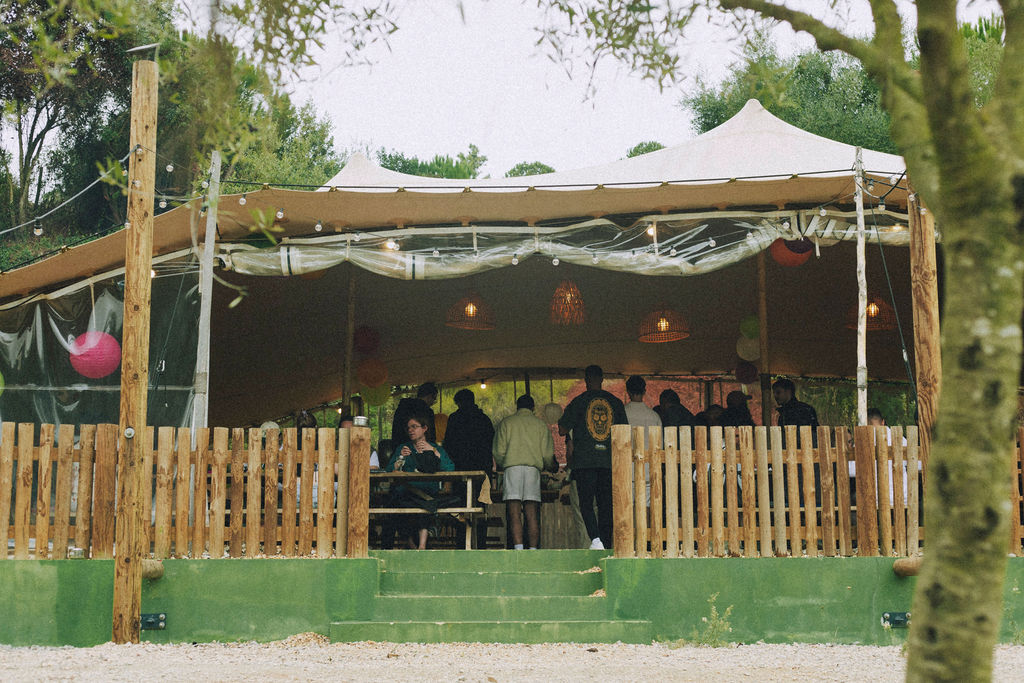
When you share a meal with people, you are all sitting around the same table, eating the same things, stripped of name tags and titles. When you engage face-to-face over food, rather than work, the informal atmosphere contrasts with the office and workshop setting, allowing more voices to be heard and conversations to flow more easily.
The added ritual of passing dishes and serving one another, regardless of titles, also reinforces a sense of belonging, cooperation, reciprocity, and equality.
Breaking bread also breaks the ice.
Meals are an excellent time for casual conversations, the informal, costless, and non-binding communication that doesn't sound like it weighs much on big team decisions, but can still have an impact on interactions and collaborations. Because it is casual and non-binding, people feel freer to share their thoughts, ideas, and opinions, which serves as a great training ground for more essential discussions later on.
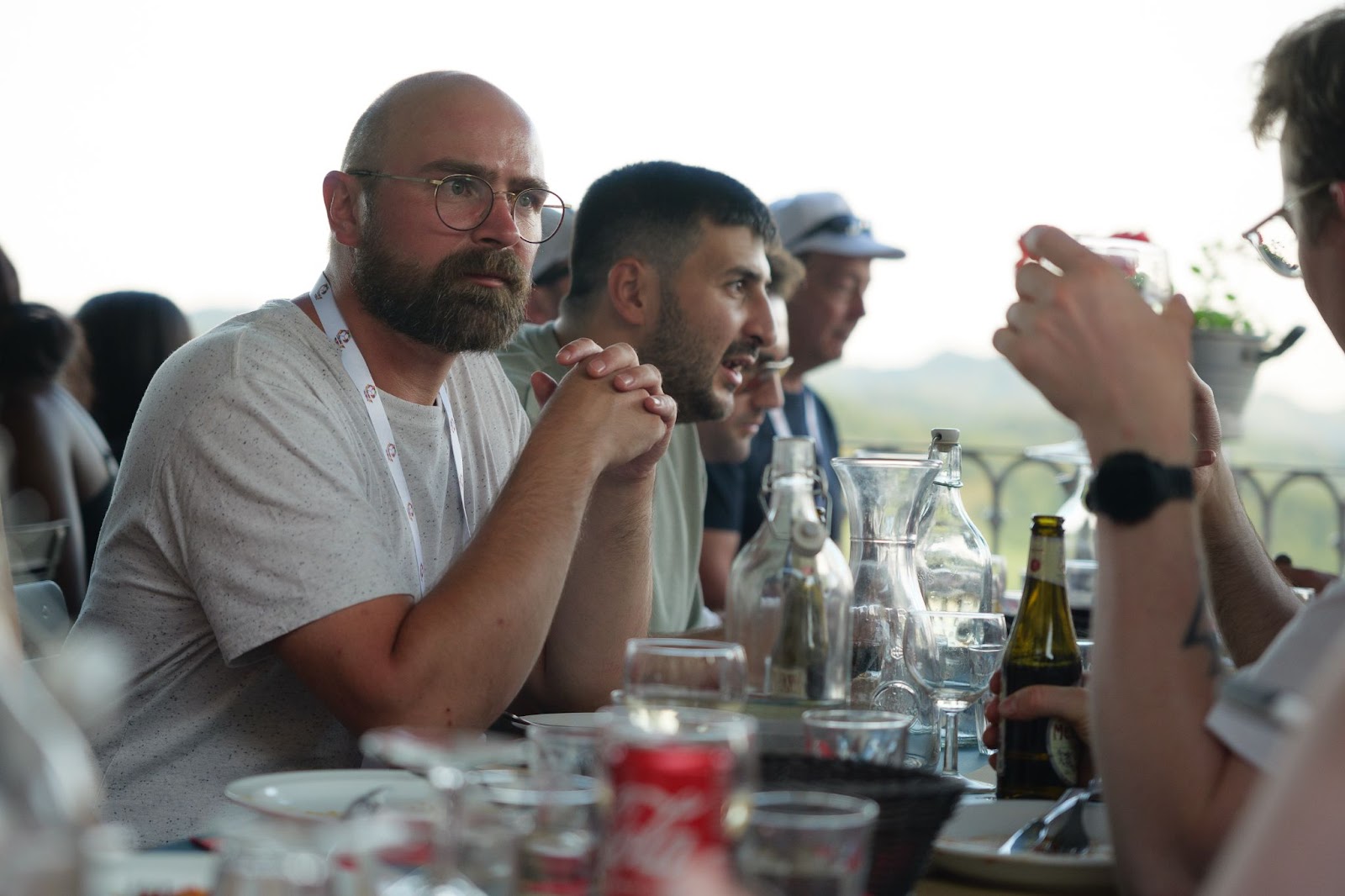
As we saw earlier, behavioural science has proven that eating together boosts the release of the bonding hormone oxytocin and reduces stress hormones, thereby enhancing feelings of trust and group cohesion. As we saw above, mealtimes create an environment where team members are more likely to express their thoughts, concerns, and creativity without fear of judgment, which is the basis for building psychological safety and trust.
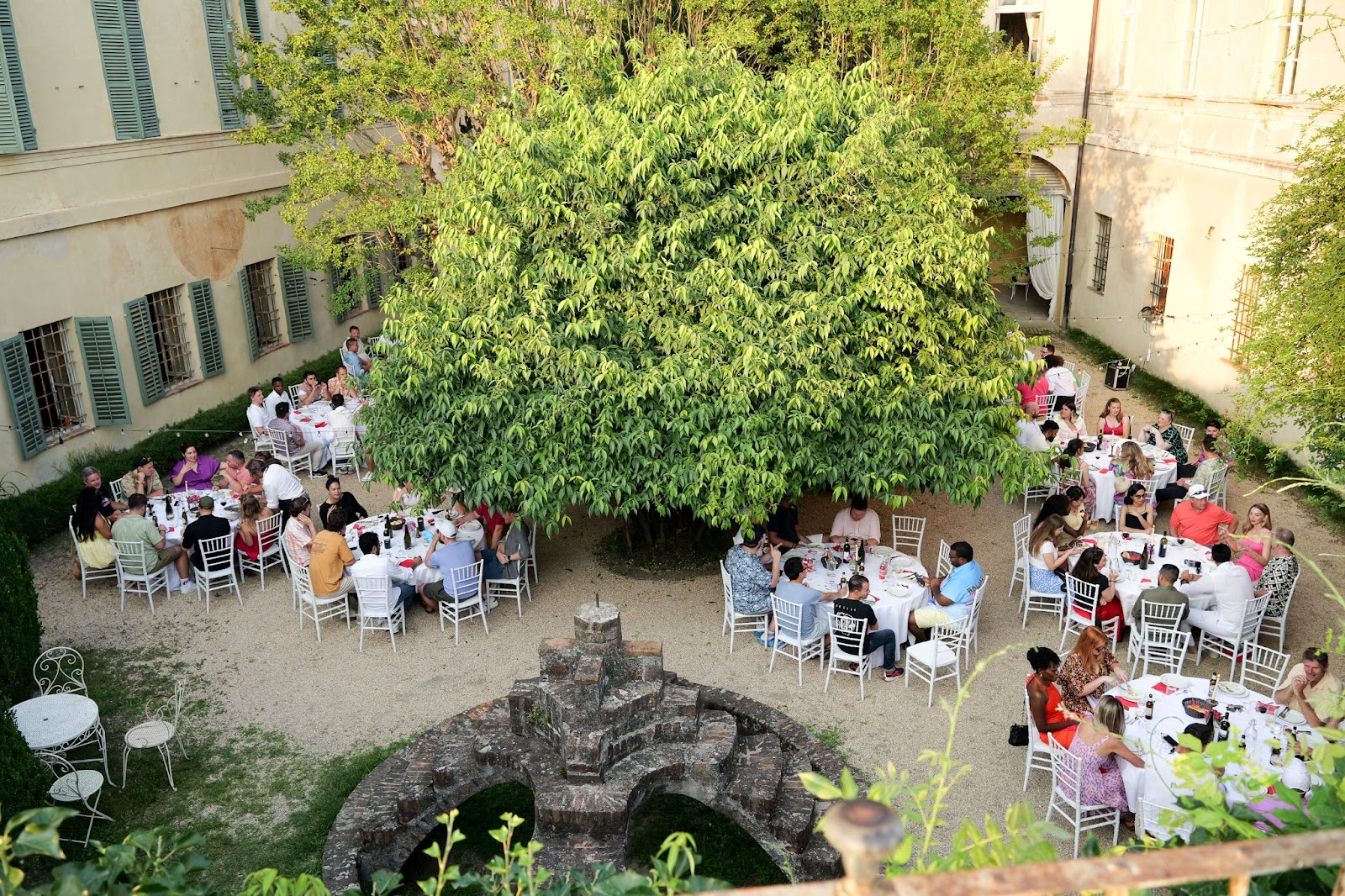
Provided that the food is good, people tend to be happy when they eat, become more relaxed, and are more prone to sharing (if not their food, at least some stories). Add up everything we mentioned above (a trusting team that communicates well, regardless of titles, and feels like it belongs). You get a happy and engaged group!
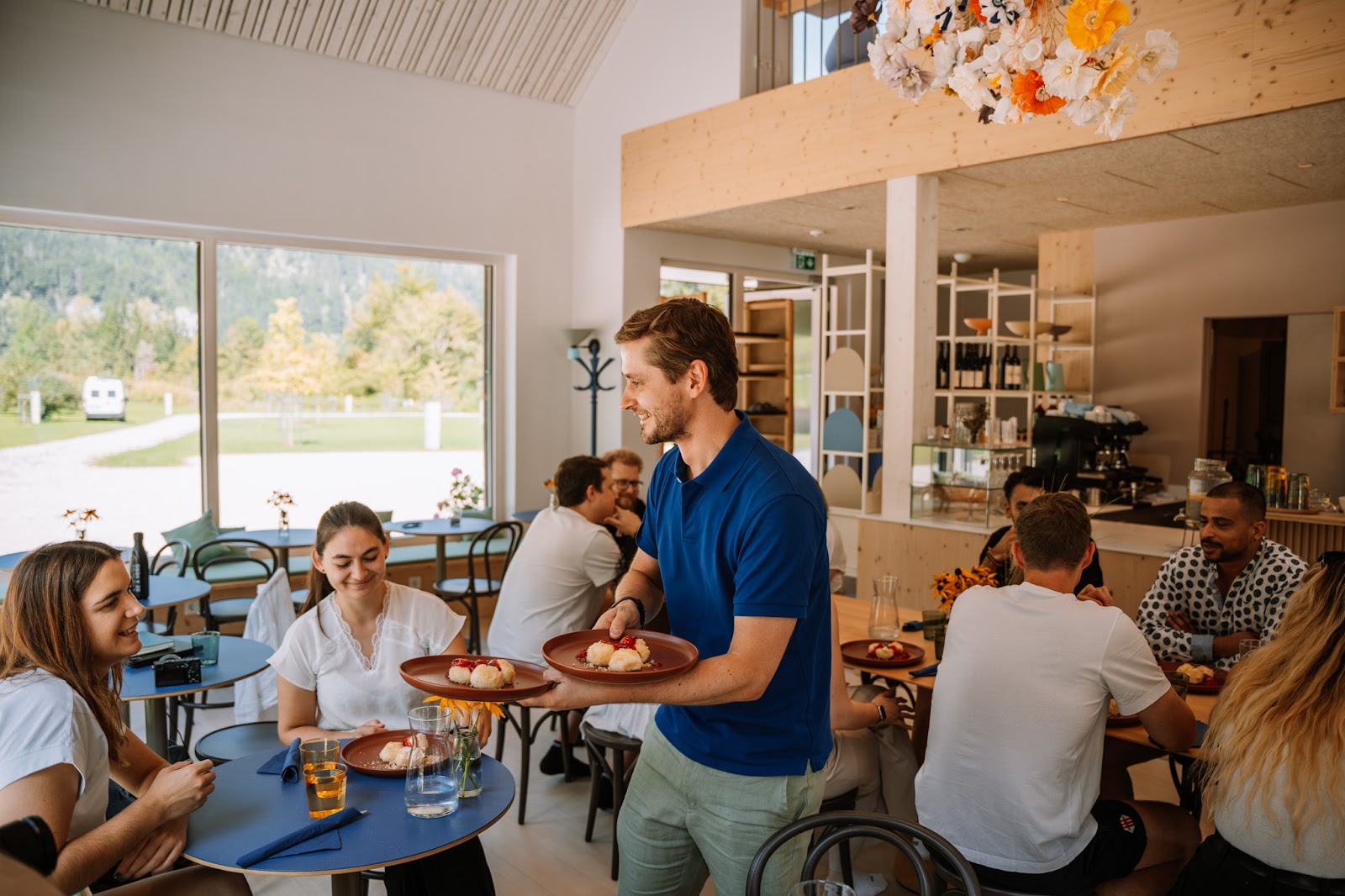
Before we go off and plan intricate team bonding activities and games (which can absolutely be a lot of fun too, of course), we always advise really thinking through those meals:
Meal times are often squeezed when it comes to team retreat agendas. Our main advice would be: don't rush through them to go back to the drawing board. Sometimes the napkin is the drawing board.
Unless purposely planned that way, do not let everyone go off and scatter around for lunch/dinner. The meal is an integral part of your program. Consider the location and plan how to lead everyone there.

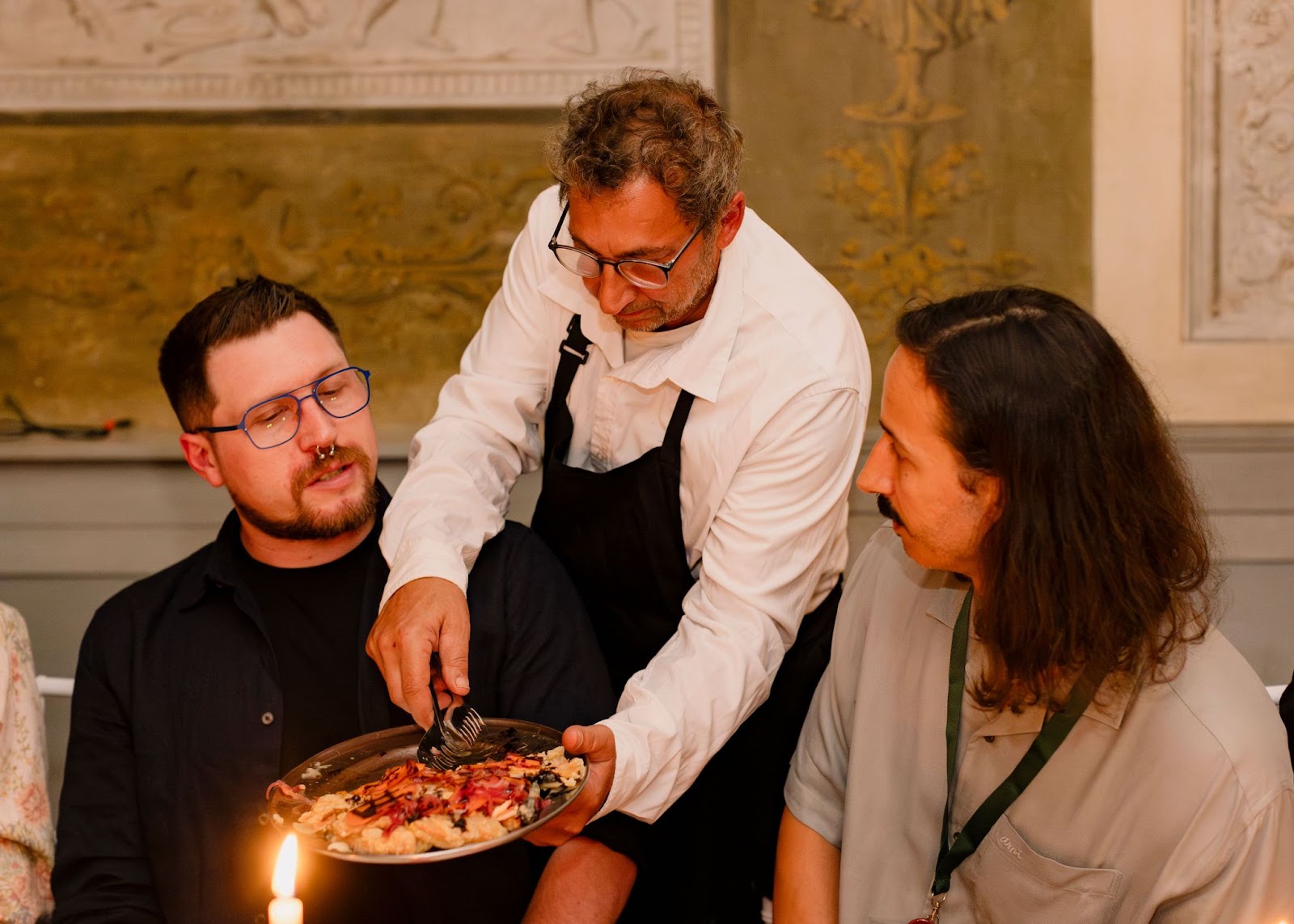
It is not just about sitting together around the table. Consider what food will be served. What you feed your people shows how much you care about them. Plus, it is a great and simple way to implement sustainable thinking by working with local producers and businesses. Ask the chefs to present the food and tell the story of how it came to be on the table.
Beyond sharing a table, those who share their food are more effective at collaborating.
An even more powerful way to utilise mealtime as a team-building activity is to have your team participate in the preparation of the food itself, creating a sense of pride and accomplishment when it's time to eat.
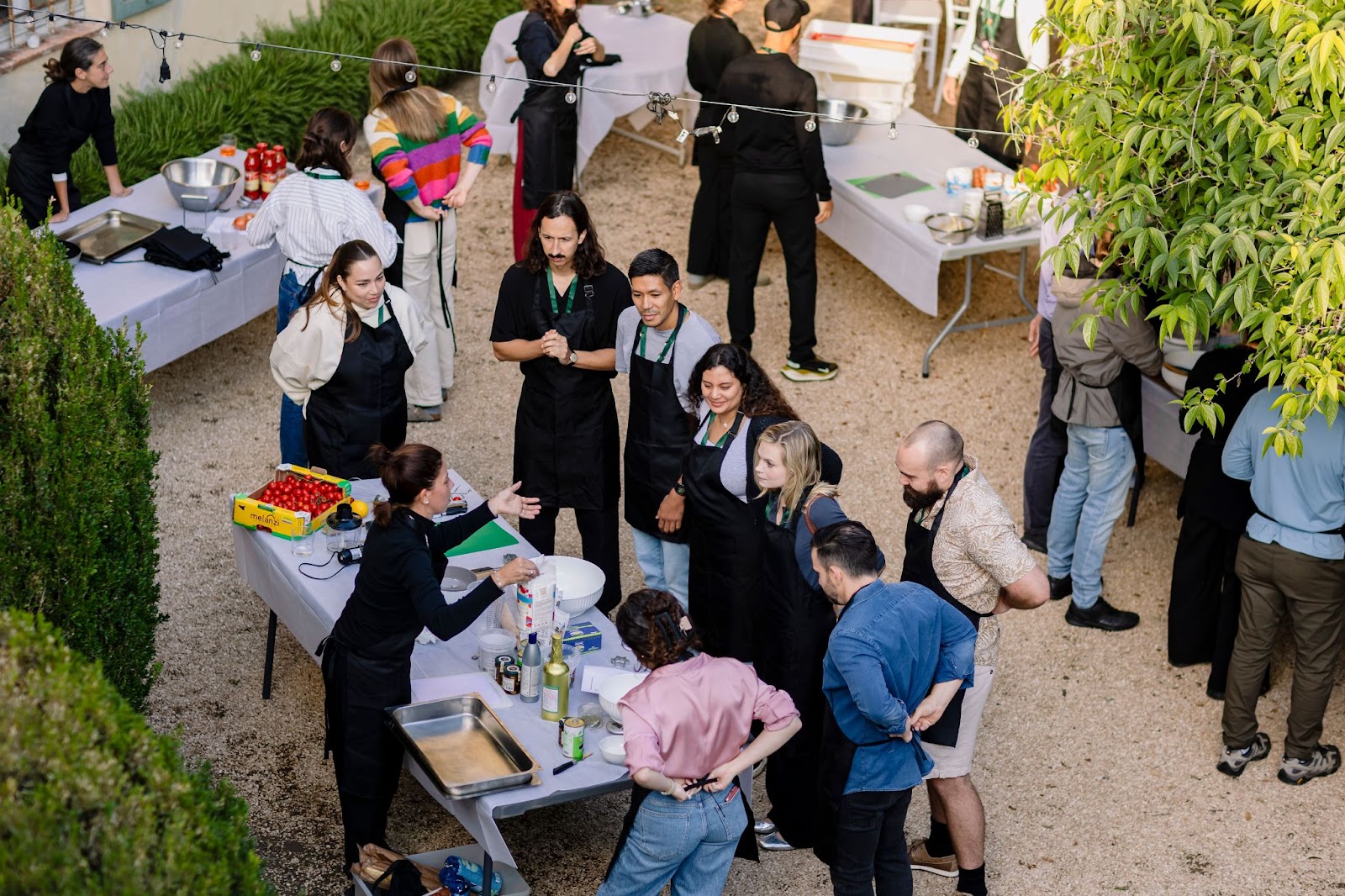
Encourage it, lead by example, but do not force it - meals are also a time for people to relax. The last thing they want is to be forced to spend that time socialising when they are not ready for it.
Make it safe (address dietary restrictions), comfortable (allow enough time and pick the right space), and inclusive (introduce the remote staff to the people who already know each other).
You're all set, bon appétit!
From practical insider warnings to new secret locations, get our monthly, genuinely spam-free newsletter.
Subscribe now
%20(4).jpeg)