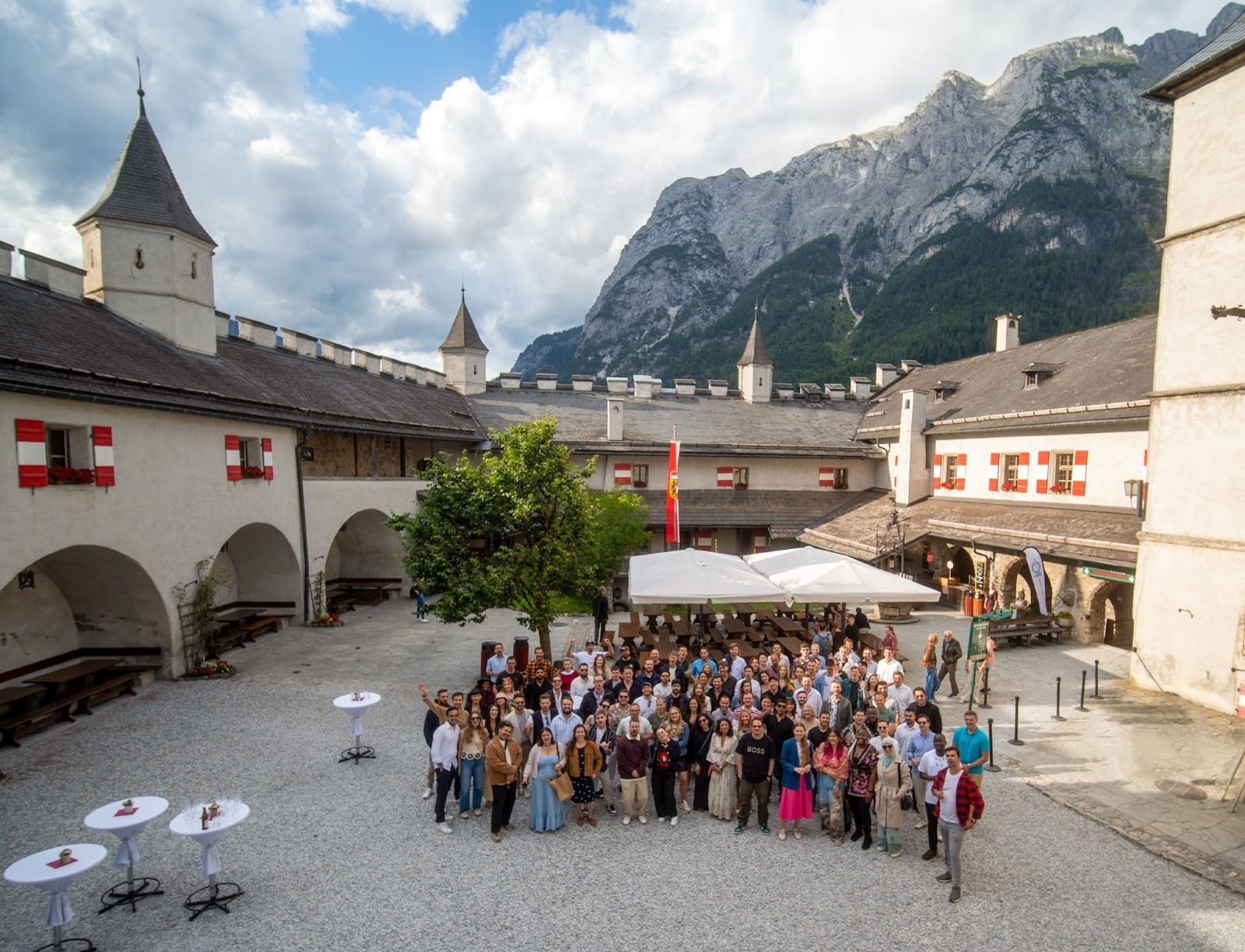
New Year, New Trends. That’s the world we live in. In reality, most of the trends from 2025 are still going strong: hybrid work, mental health focus, creative differentiation, deep work sessions, and sustainability.
But we’re already noticing subtle evolutions that signal the 2026 corporate retreat landscape.
It’s more and more around the campfire, and less and less around the boardroom, that teams are discussing strategy, connection, and responsibility.
Retreats now serve as the primary in-person touchpoint for hybrid and remote groups, emphasizing alignment, trust, and culture over packed agendas. As much as possible, no one gets left behind.
Corporate retreat design now tends to favor purposeful downtime combined with local experiences such as coastal walks or mountain hikes rather than overscheduling workshops and missing out on what the destination has to offer.
Sustainability is maturing into regenerative practices: low-carbon travel, eco-certified venues, and activities that actively give back to nature are being sought after. ESG-savvy HR leaders are demanding it. Community outreach projects and local producers are becoming the FAQ when looking for the perfect venue.
Many companies are ramping up frequency and budgets, shifting from a single annual event to multiple offsites each year to sustain cohesion in distributed teams.
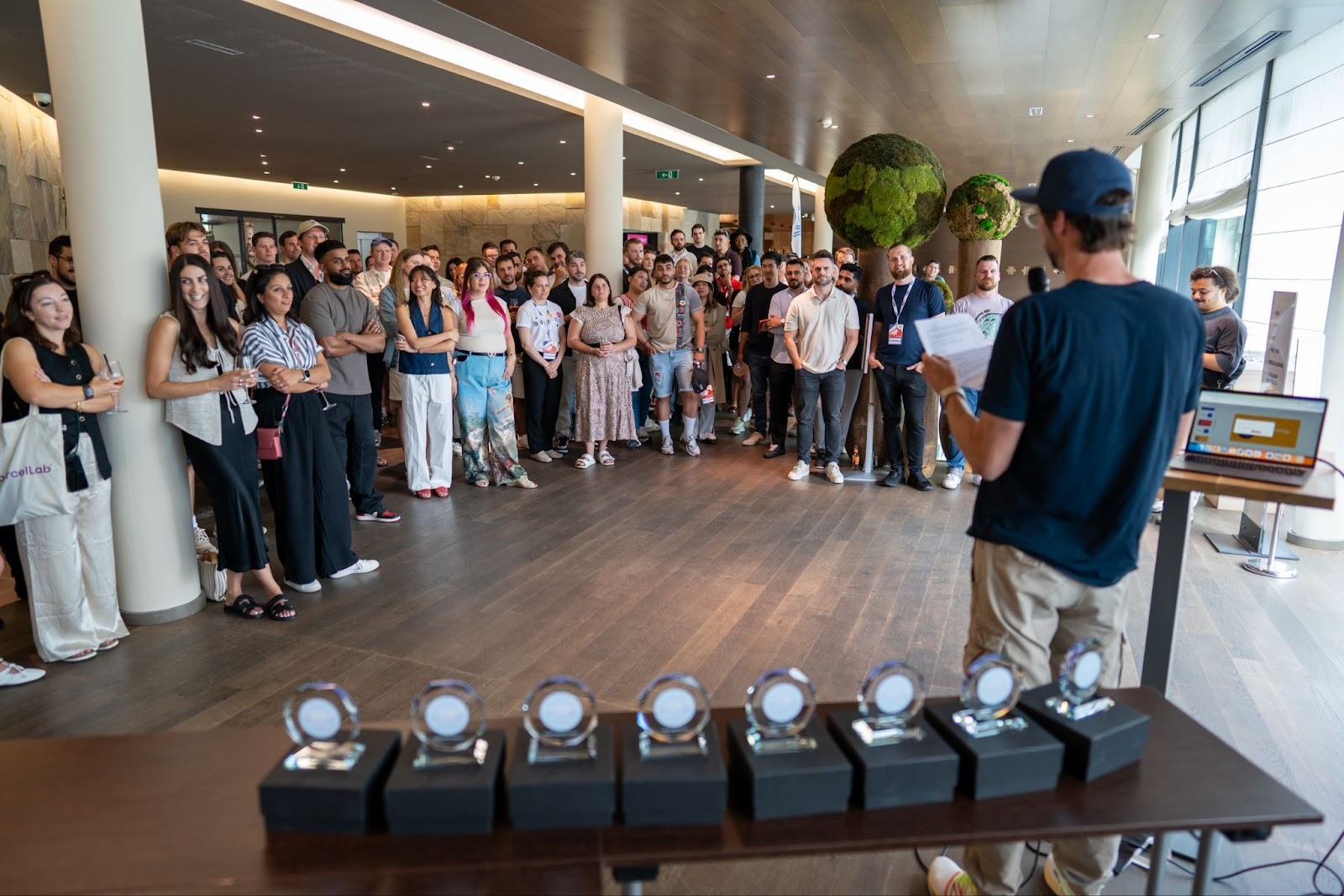
“Work-from-retreat weeks” are extended retreat formats, typically 4–5 nights, where teams maintain their regular remote work schedules during core hours but layer in structured offsite elements, such as group reflection, strategy sessions, and local experiences, into that routine.
Wall-to-wall meetings fade; half the time is spent on social and experiential activities, with shorter strategy bursts to sustain energy and spark creativity.
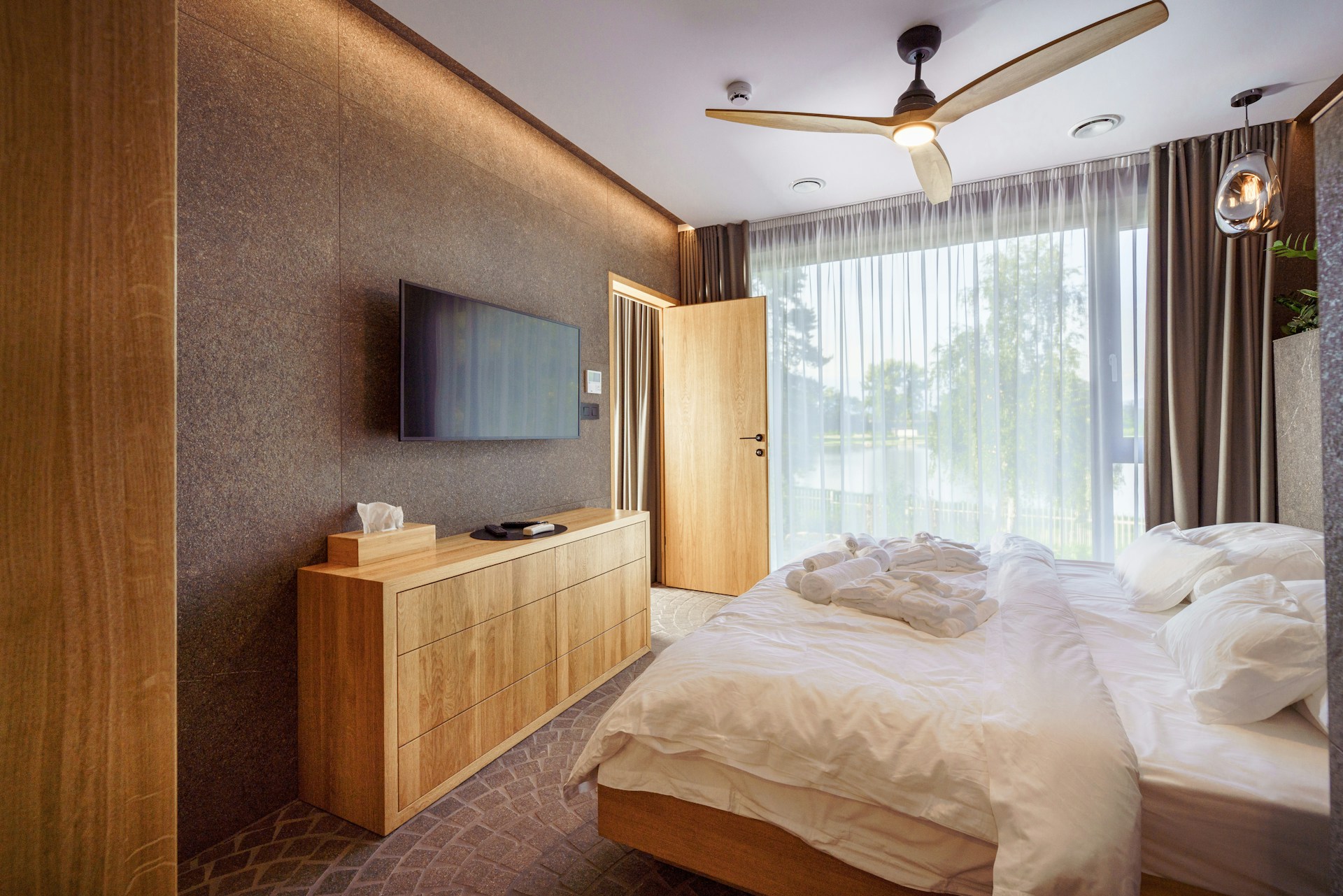
Rural hideaways with strong Wi-Fi are moving to the top of the list, think ditching generic conference centers for mountain or coastal spots that mirror company culture.
Local nature, food, and culture become programmed highlights, not add-ons, fostering stories teams share long after.
As people are more and more connected, lonely and stressed, the demand for natural locations or secondary cities is rising. The retreats are now pockets of deep bonding and personal wellness.
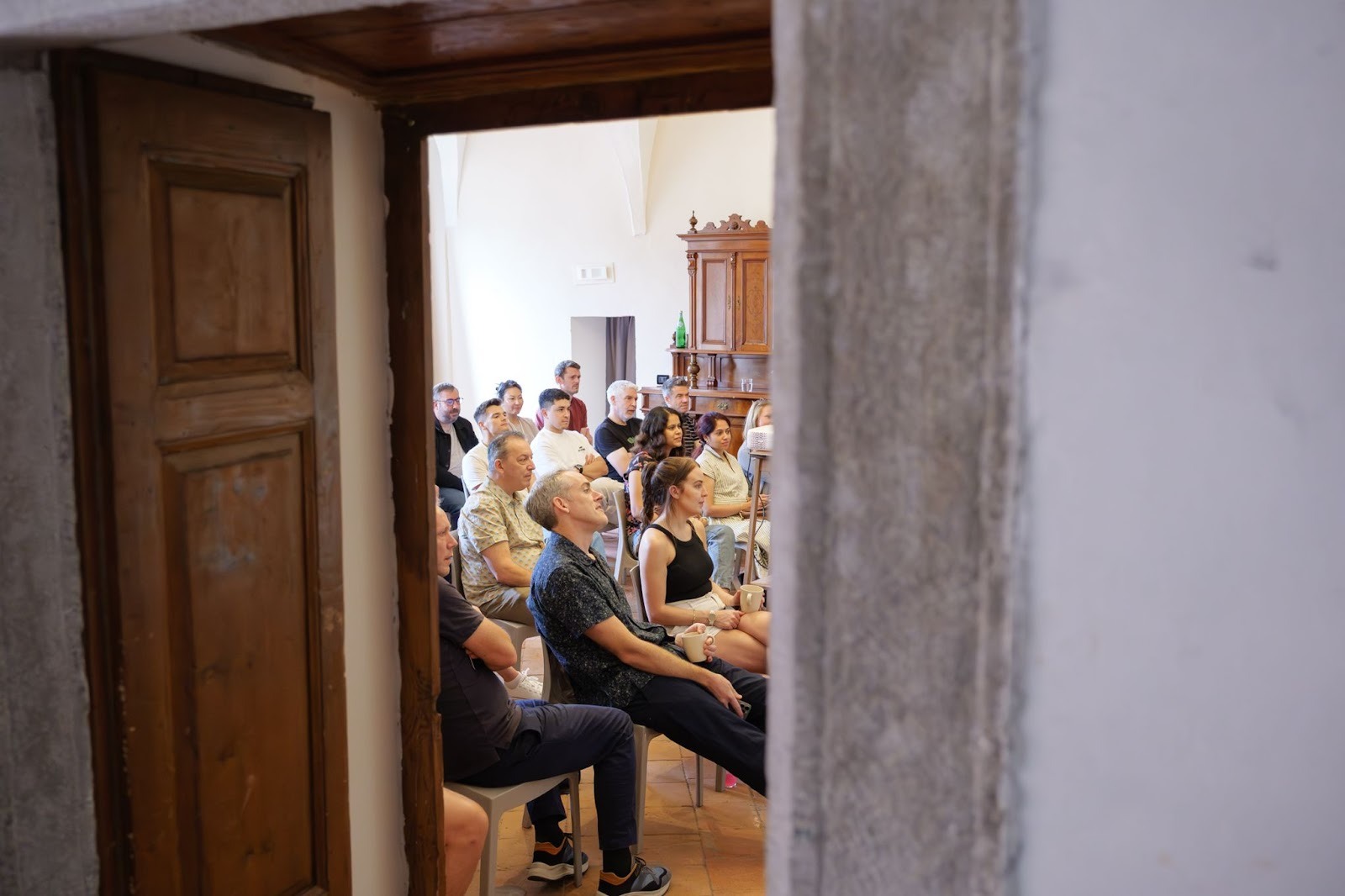
Flexible bookings and hybrid tools (virtual participation, async follow-ups) address headcount fluctuations and ensure inclusivity.
“Return on experience” is key. Every team and retreat organiser wants to track the outcomes of the gathering through sense of belonging, retention, and engagement to prove retreats as strategic investments, not perks.
Last but not least, retreats grow increasingly complex when you include hybrid logistics, ESG math, and multi-country curation... That is why we see more and more companies asking for the help of third-party planners. Understandably, most internal teams lack the bandwidth to source transports, local providers, and answer catering questions, all while planning non-cringy ice breakers. That is why specialists are experts at handling “logistical terror” (dates, budgets, vibes), freeing the client team to focus on outcomes.
These shifts make the 2026 retreats actual turning points. Ready for yours? Let’s plan a Campfire gathering that ignites your team’s next chapter.
From practical insider warnings to new secret locations, get our monthly, genuinely spam-free newsletter.
Subscribe now
The Architecture of Psychological Safety: Why Workplace Mental Health Needs a Physical Reset
Read more


