Discover actionable insights on fostering a workplace culture that inspires and engages—trusted by over 24,000 subscribers worldwide.
Thank you! Your submission has been received!
Oops! Something went wrong while submitting the form.
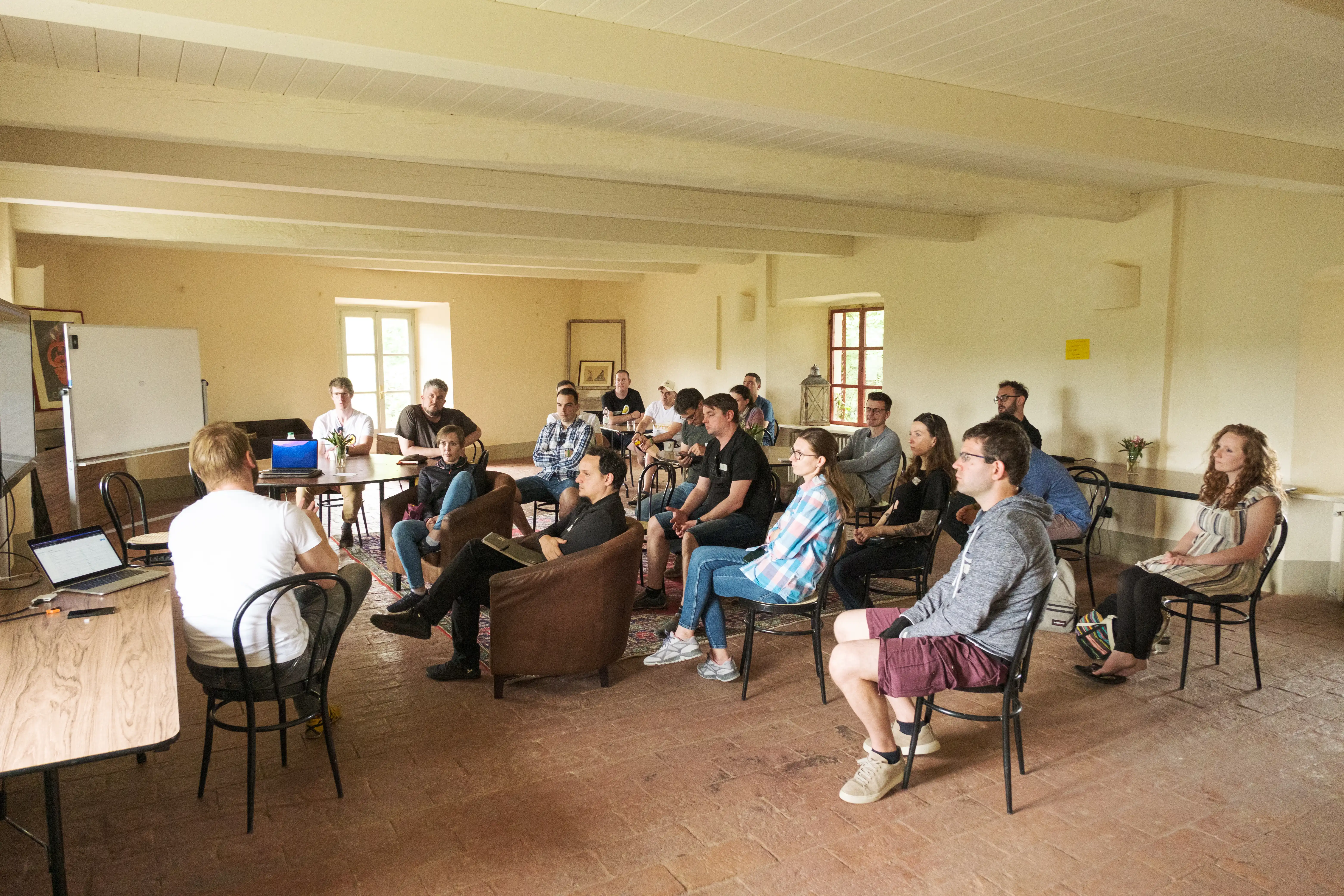
We’ve long been advocates for a different kind of team retreat, one rooted in nature, time, and stories that venues help bring to life.
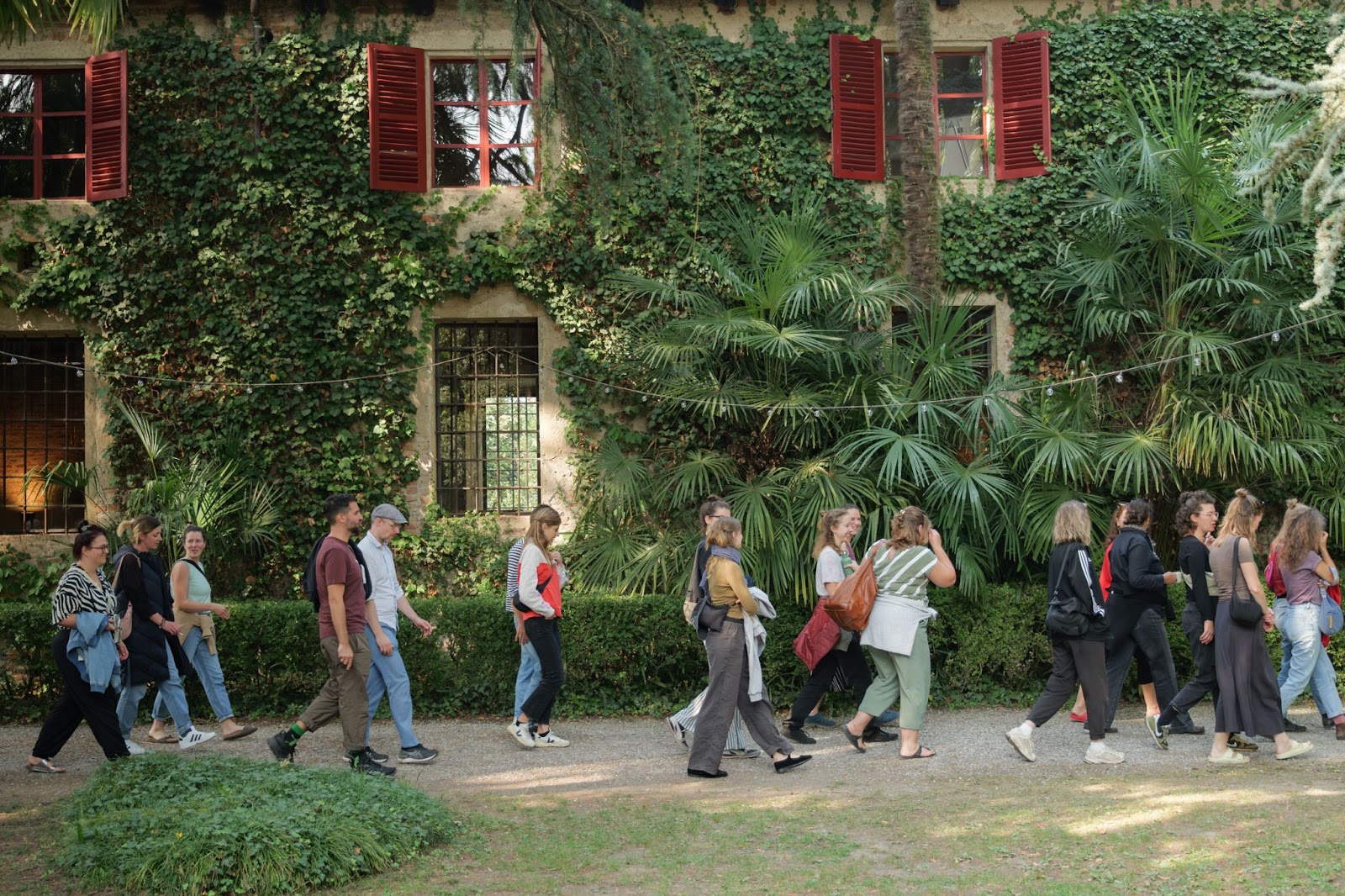
But there is another reason these unique venues are the way to go. It is a mutually beneficial relationship: while your team gains focus, connection, and creativity, we help historic castles, mills, and farms gain economic resilience, preserve their heritage, and explore new business models.
In this piece, we explore how rural retreat venues and modern teams can thrive together.
Benefits of Rural Corporate Retreats for Teams
Why do rural retreats work so well for modern teams? Why are countryside venues more beneficial than the standard city hotel?
There are many reasons we have covered in other pieces, but here are some of our favorites:
Deep focus and creativity
Fewer urban distractions allow for more mental space.
Unique, characterful buildings (barn conversions, manors, castles) feel different enough to signal “new ideas welcome” or “let’s think outside the usual box”.
Stronger connection and culture
Shared living-style setups encourage communal cooking, walks, fireside chats, and other out-of-the-ordinary activities among colleagues, which deepen trust and break down hierarchy.
Informal, home-like spaces support vulnerable conversations and strategic thinking better than sterile meeting rooms.
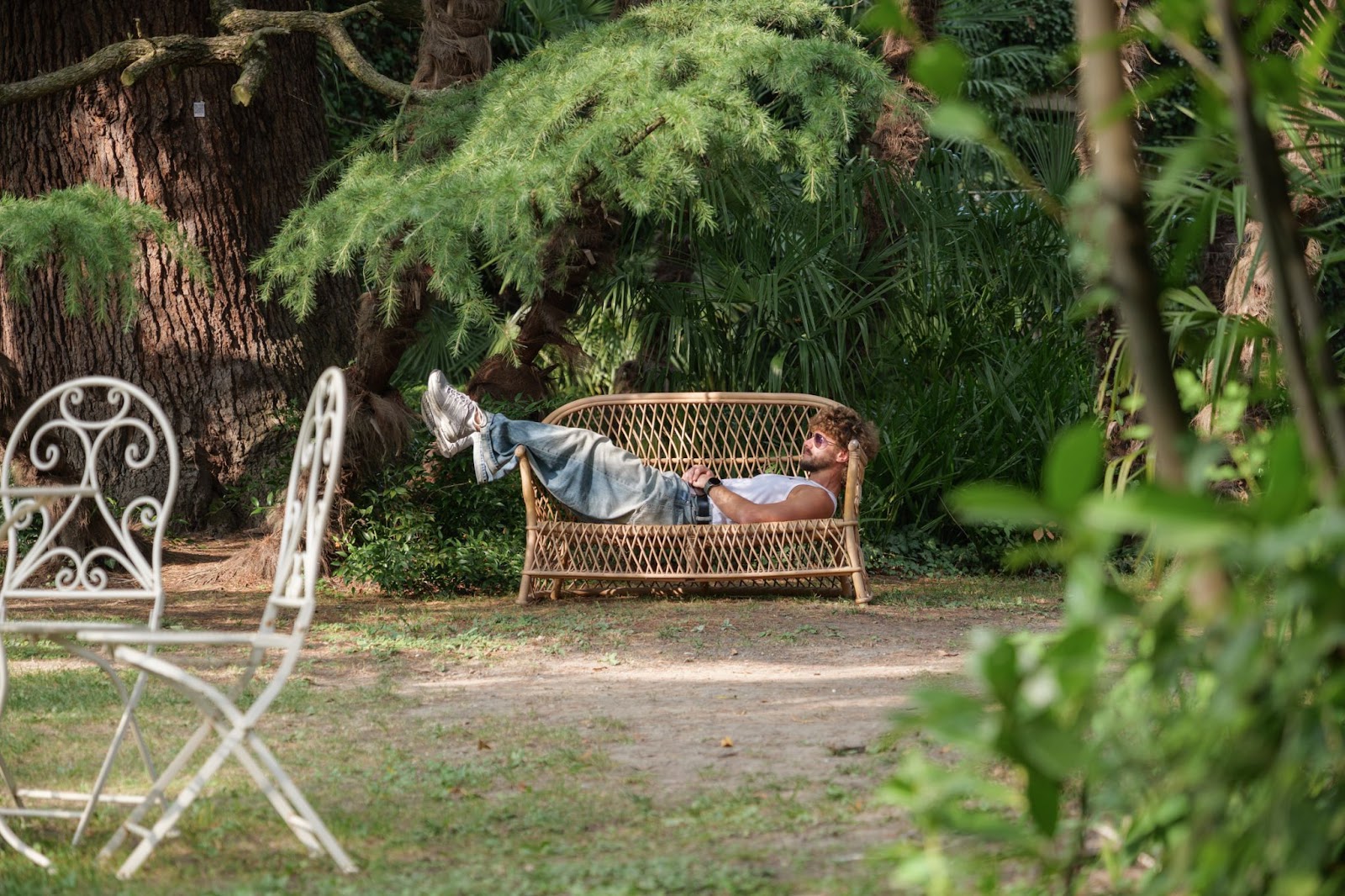
Wellbeing and reset
Time in nature reduces stress and supports mental wellbeing (from walks to yoga, cold swims, or mindfulness moments).
Rural settings work exceptionally well for distributed teams who rarely meet in person. They have the space to meet without feeling constrained by an impersonal conference room where socializing takes place only in fragmented setups, at the bar, or in the lobby during coffee breaks.
But the impact flows both ways; every great retreat strengthens not only the team but the place that hosts it.
How Corporate Retreats Give Historic and Rural Venues a Second Life
Retreats in rural spaces support both team wellbeing and the long-term future of these properties and local communities through:
Financial resilience and new revenue streams
Castles, farmhouses with several buildings, and former mills with a lot of land require a lot of capital just for upkeep. New revenue streams are becoming necessary for families seeking to keep these venues.
Corporate retreats bring weekday bookings and longer stays, which are more predictable than weddings or seasonal tourism.
Higher-value bookings allow investment in restoration, sustainability upgrades, and staff.
Preservation of heritage and identity
Converting old castles, manors, mills, and farms into retreat venues keeps them maintained and occupied rather than allowing them to decay or be sold off.
Teams become temporary “stewards”, helping fund the preservation of architecture and landscape simply by choosing these venues.
Regeneration of local communities
Retreat guests spend at local restaurants, outdoor activity providers, artisan workshops, etc., spreading income through the area.
Venues often partner with local guides, chefs, and wellness practitioners, creating micro-ecosystems of rural work.
Emotional payoff for owners
Owners see their family properties or long-abandoned farms come alive again, now with teams brainstorming strategy in old dining halls or doing yoga in former granaries.
From transaction to Partnership
When done well, it is a real “win–win–win” situation: teams gain connection and clarity; venues gain sustainable business models; local communities gain economic and cultural vitality. All the while, companies wanting to invest in wellbeing, sustainability, and community can do so simply by choosing where they gather.
How to Choose a Rural Corporate Retreat Venue That Supports Your Team and the Local Community
It starts like any other retreat planning, but with a few key questions:
Clarify your retreat goals first.
Clarify your retreat goals first: culture, strategy, wellbeing, creativity, these affect the kind of rural venue you choose.”




%20(4).jpeg)