Home
>
Blog
>
Strategy and ROI
>
The New ROI: Investing in Mental Health Through Wellness-Focused Team Offsites
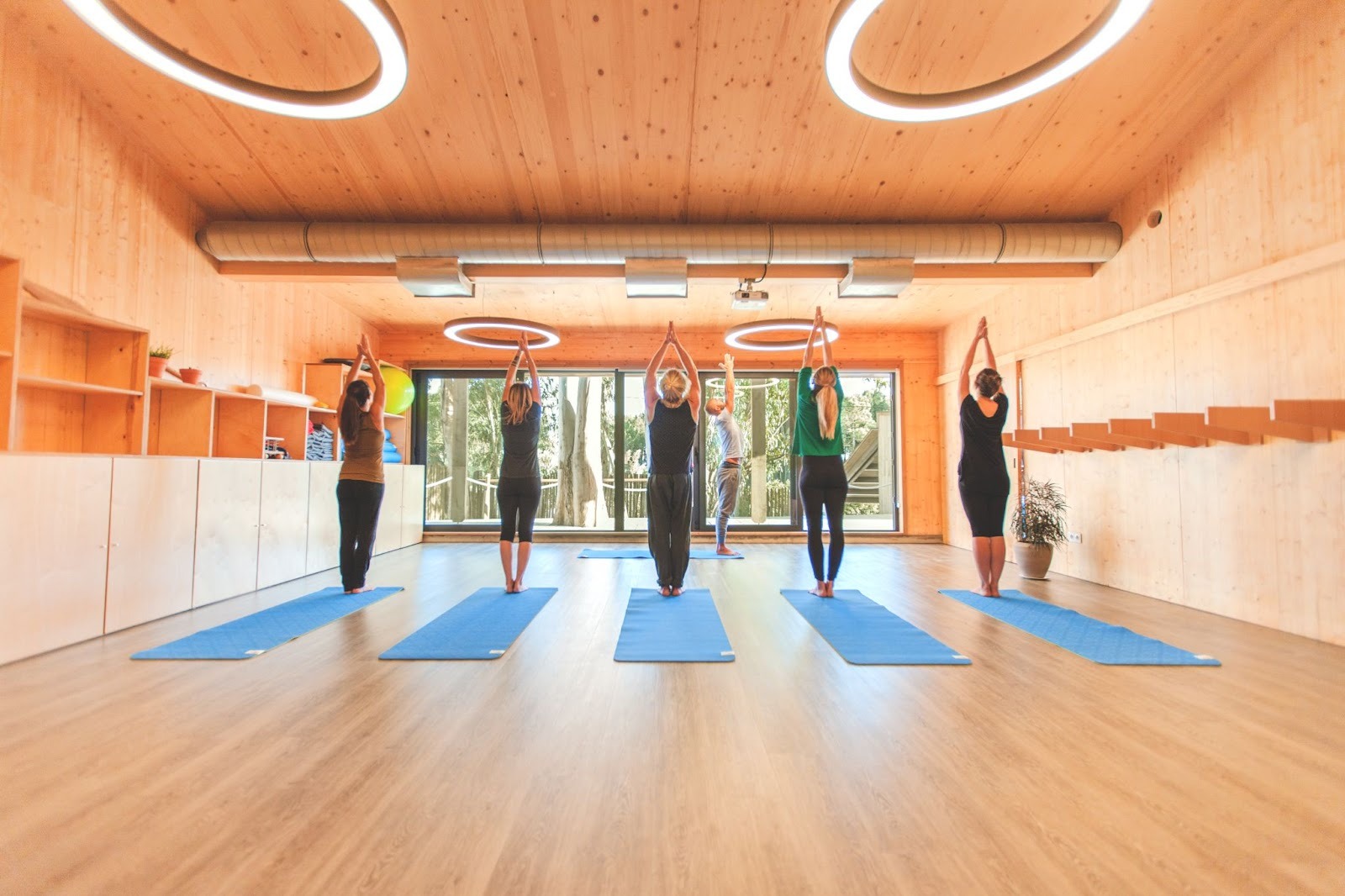
Remote work brings a lot of exciting opportunities from talent acquisition to more time for personal and family life, but it can also lead to burnout and isolation as teams struggle to build genuine connections. 91% of Gen Z (which represents about 27% of the workforce today) wish they had more balanced interactions between online and offline, and miss face-to-face connections, according to a 2025 report by The Harris Poll - Freeman.
Companies are becoming increasingly aware of the need to address these challenges. They are seeing that prioritizing mental wellbeing can directly impact productivity and retention.
As a result, team retreats have evolved into strategic investments in employee mental health, resilience, and well-being.

Like most “trend”, this wellness focus did not come out of nowhere. It was brought forward by the collapse of something else: mostly, our health. Ironically, or sadly, the progress made in tech has not been able to stop us from spiraling down, it seems. As we are more and more able to work from anywhere, we’re creating new challenges:
The "always-on" culture and blurring of work-life boundaries exacerbated by hybrid/remote work have led to increased chronic stress. More and more employees are suffering from "digital fatigue" due to the constant presence of communication tools, making it nearly impossible to truly disconnect, fueling anxiety, poor sleep patterns, and potential burnout, which severely impacts long-term health, engagement, and productivity.
The casual and spontaneous interactions we used to have at the coffee machine or in the hallway have become extinct in remote setups. It might seem like nothing of significance, but this lack of organic connections leads to isolation that can degrade team cohesion. When collaboration is down to strictly transactional without any social buffers, it can be harder for teams to build the trust and empathy needed for effective productivity and problem-solving situations.
Younger generations (especially Gen Z and younger millennials) prioritize mental health and flexibility above all when it comes to finding and staying in a job. People are increasingly evaluating potential employers on wellbeing, culture, and work-life balance. By not prioritizing these aspects, businesses will struggle to attract and retain talent.
The question for leadership today is no longer “if”, but “how” to address wellbeing.
And one essential part of the answer lies in redesigning the traditional corporate offsite, seeing wellness not as an add-on but as an integral part of the retreat. The modern wellness retreat is defined not by its budget, but by its intention: a strategic, holistic intervention built around restorative design, intentional disconnection, and a schedule philosophy that prioritizes healing over the hustle.
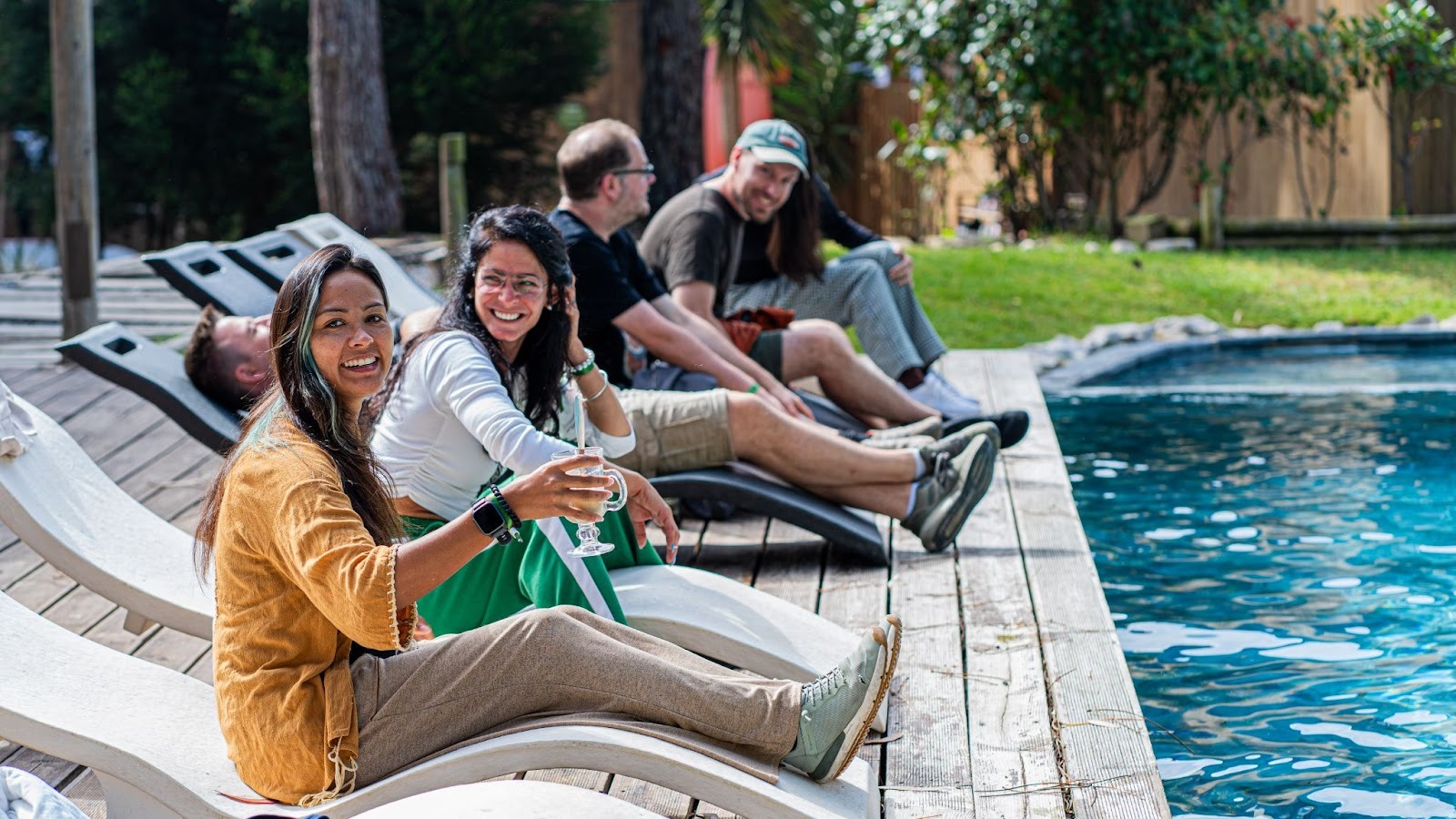
Let’s look at the three main areas to focus on to design a retreat with wellness in focus:
Don’t think “where” does not matter. The venue plays a crucial role in setting the scene and atmosphere.
serene, natural settings (mountains, coastlines, secluded properties). Venues are designed for calm, natural light, green spaces, and minimal distractions.
Even if you plan to get work done during the retreat, try to stay away from the computer, phone, and even Wi-Fi for long periods of time as much as possible. Planned digital detox periods help address digital fatigue by encouraging employees to unplug and fully engage with colleagues and their environment.
Don’t fear empty slots in the calendar. Wellness does not always mean “ a meditation class”; it can also simply be a nap under a tree or a coffee with a colleague to chat about life. Without having to check the clock.
Stress the need for an unhurried itinerary that leaves significant unstructured time for rest, reflection, and spontaneous social interaction. The goal is to recharge, not just switch tasks.

When building a wellness program for a team retreat, it is important to address all aspects of “wellness”. Many will throw in a yoga class and call it a day. But wellness is more than downward dog at sunrise.
Activities can be organised into three core categories:
Focus on activities that help with stress reduction, emotional regulation, and improve concentration:
Let’s not forget the body! A retreat in nature is the perfect opportunity to combat sedentary work, improve energy levels, and provide physical stress relief through:
Finally, an essential aspect of wellbeing is connection to others.
Build trust, reduce isolation, and foster a culture of psychological safety through:
Structured, professionally facilitated conversations about mental well-being in the workplace (voluntary and confidential).
Group cooking classes (collaborative, low-stakes).
Book clubs or film discussions on wellness topics.
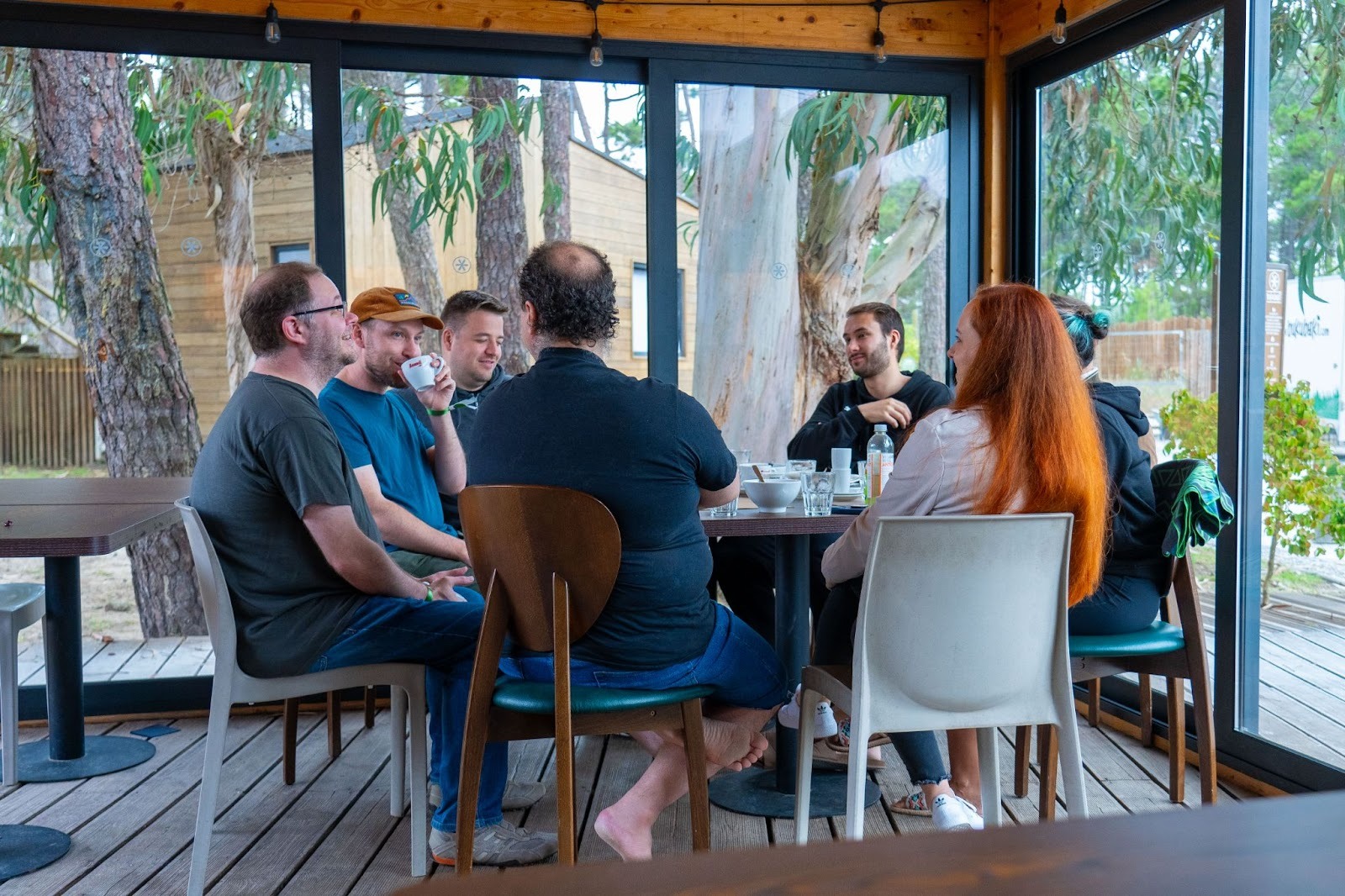
These might sound like “good to have” benefits to the untrained eye but more and more companies have long understood that they have quantifiable impact on the bottom line.
All of it is an investment in your company’s future:
Wellness retreats are no longer a luxury perk but a necessary strategic investment in human capital. The most successful organizations of the next decade will be those that prioritize rest and resilience as much as revenue and targets. We are convinced that the future of the corporate retreat is holistic, human-centric, and focused on sustainable well-being.
From practical insider warnings to new secret locations, get our monthly, genuinely spam-free newsletter.
Subscribe now
%20(4).jpeg)