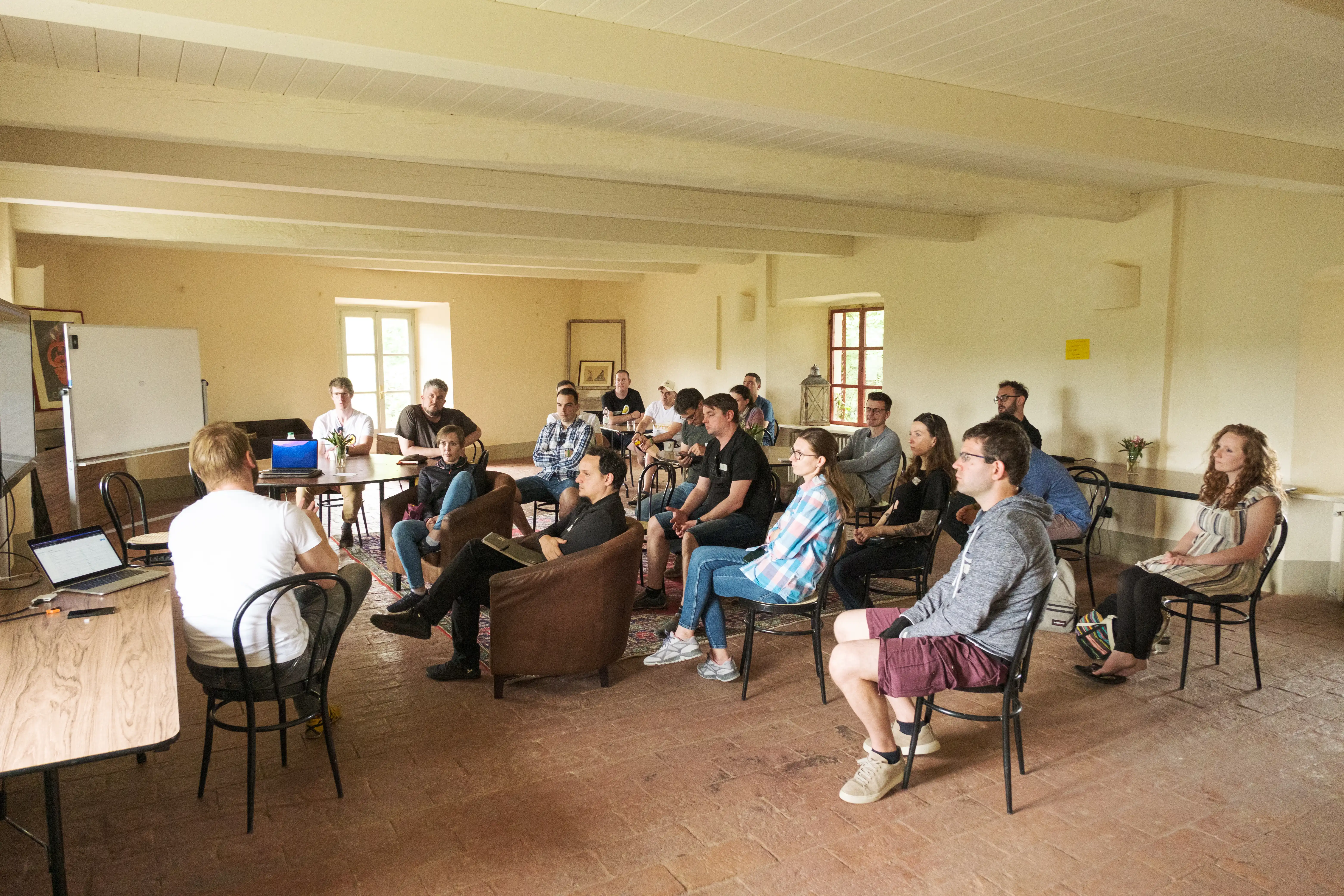
Morale, unlike happiness, is a long-term emotional state. Your team morale is a collective feeling that reflects the attitude, enthusiasm, optimism, confidence, and overall atmosphere shared and created by the group. It is critical as it will directly impact your team's productivity, creativity, and even turnover.
Indeed, strong team morale often leads to team members feeling confident and motivated, resulting in greater dedication and effectiveness in their work tasks. It also fosters an environment for improved collaboration with coworkers and provides greater space for brainstorming ideas and innovation. This overall positive atmosphere tends to reduce absenteeism and employee turnover, which, in turn, will reduce costs for the company.

Many companies have identified these challenges, but not everyone has found the right way to address them.
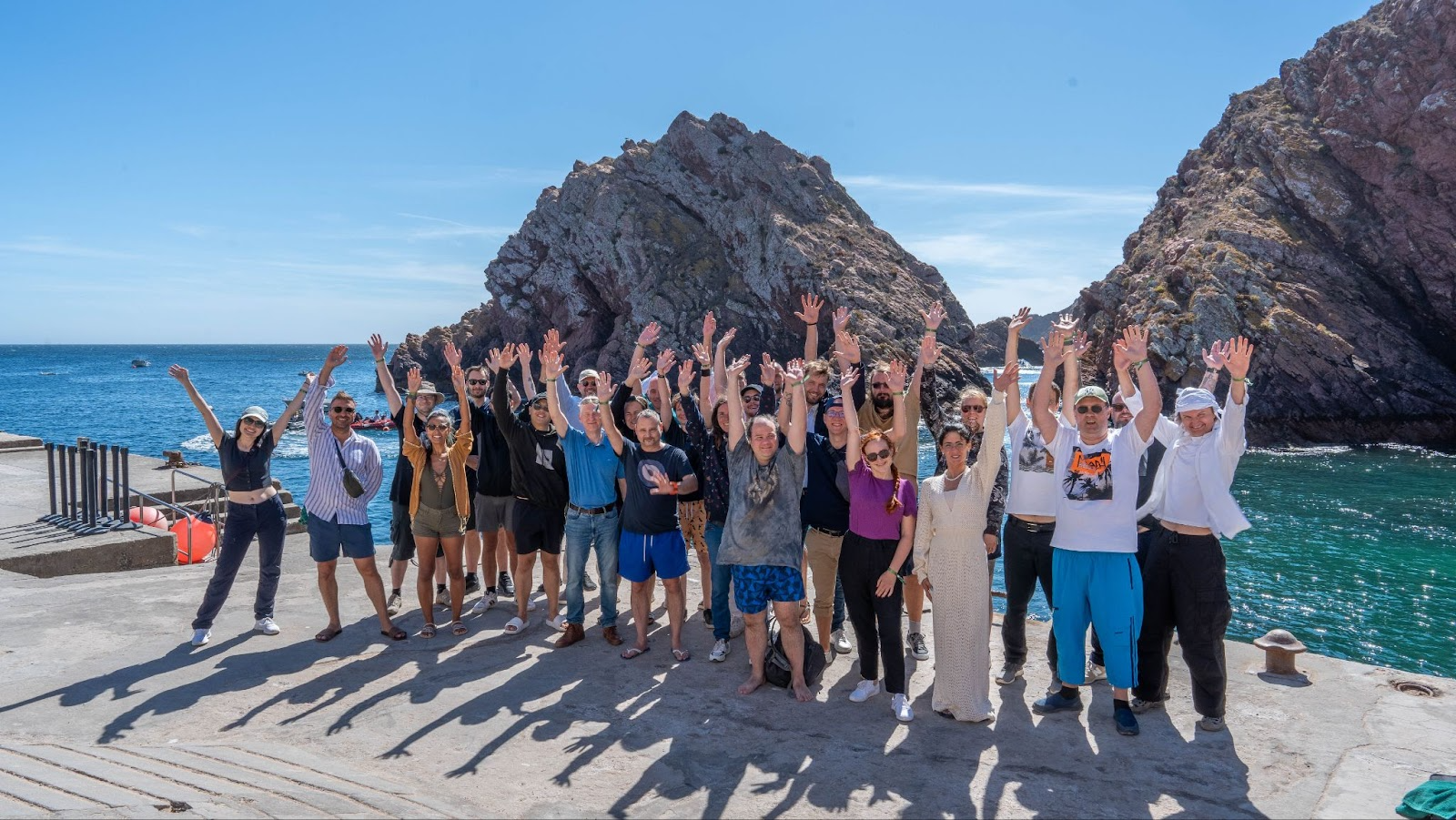
Companies that choose to ignore the true importance of team morale and see these investments as unnecessary expenses usually come up with quick fixes that often don't really work or provide only short-term relief.
Mediocre efforts
Pizza night and other meaningless perks. Don't get us wrong, we love pizza or a branded cup. But those are perks that will not fix low morale. At best, it will provide a temporary respite. Building team morale goes beyond the free pizza (we'll take it, though).
One-off Team Building Activities
Occasional fun events, such as game nights or parties, may temporarily boost spirits, but they don't address the underlying issues that will affect morale in the long term.
Superficial Praise or Recognition
Offering generic or insincere praise without meaningful acknowledgment or follow-up can feel hollow to employees, encouraging gossip and cynicism.
Ignoring the Root Causes
Trying to "fix" morale without taking a deep dive to figure out the real problems, such as a lack of trust, poor management, unclear goals, or a toxic work environment, will always yield the wrong solutions.
Failing to Address "toxic employees"
Allowing problem employees or negative behaviors to persist can drain team morale faster than anything else.
Empty Promises
Promising changes or opportunities without real follow-through undermines trust and morale.
Too many team leaders still use these tactics, hoping to see long-term results.
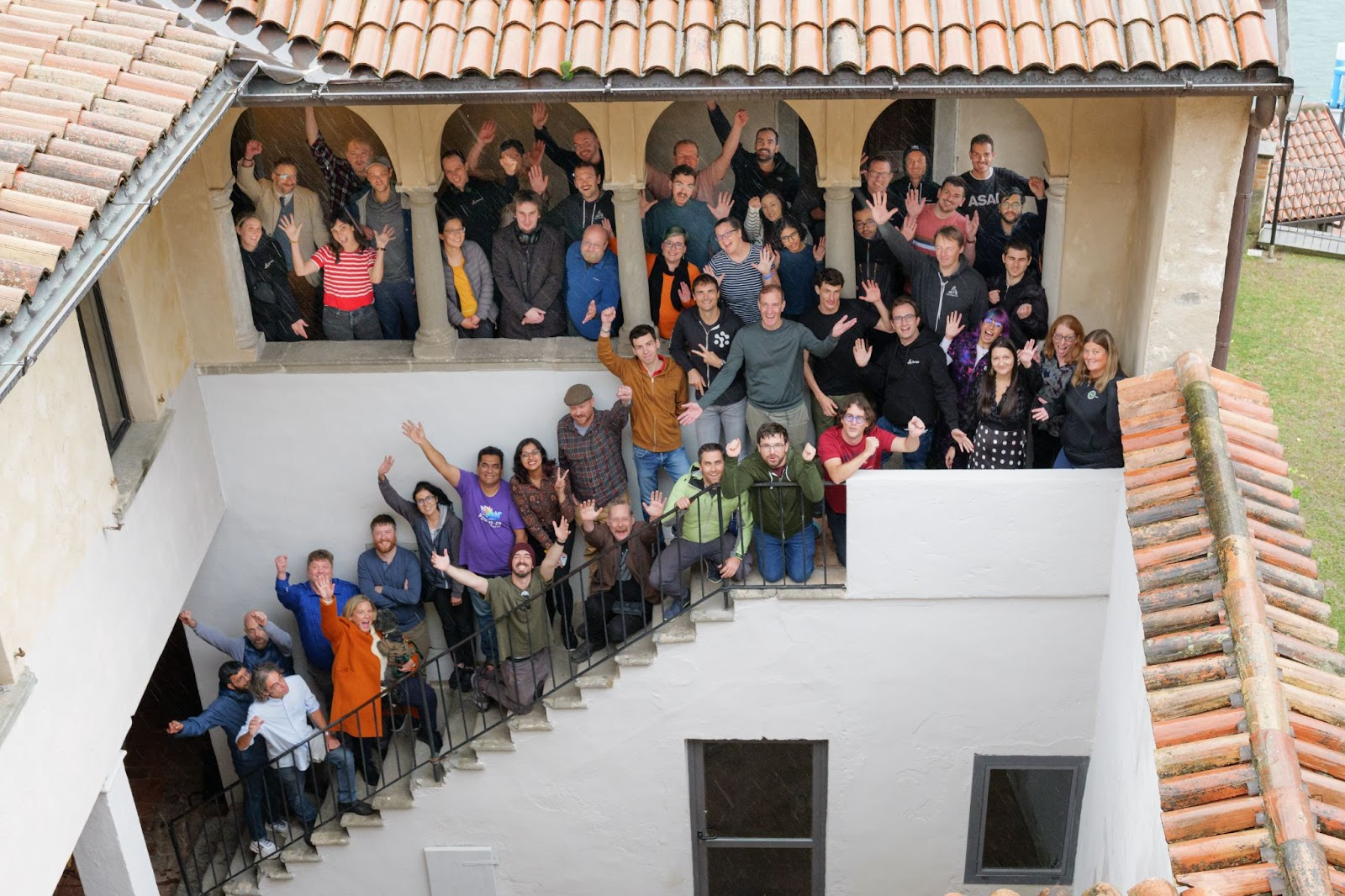
What truly makes a difference demands much deeper groundwork, and it is not a unique action but a combination of:
Yes, fun plays a role in team morale, but as we saw above, not just any fun.

Team retreats are a great tool to boost your team's morale, provided they are correctly done and followed up on when everyone returns to the office (or their homes).
We are happy to report that team retreats in nature can play a significant role in boosting team morale. We have seen it time and time again how being in nature offers unique benefits that contribute to strengthening relationships, improving communication, and increasing the team's collective energy. Outdoors, people feel more relaxed and open, and they can practice fun activities that will create new bonds beyond the meeting room. The entire retreat becomes a new shared memory, building a common history for the company and solidifying the team culture.
Did you know that research shows that in most organizations, people tend only to say 92% of what they mean to say and keep the remaining 8% to themselves, out of fear of conflict or negative repercussions in the workplace?
Nature retreats can help bridge that gap by creating a less formal atmosphere that helps break down hierarchical barriers and encourages open and genuine connections. When done well, this nurtures psychological safety and makes it easier for team members to speak freely and honestly.

Don't turn your offsite into a one-time quick fix! Make the most of it even when everyone has gone home. That is when your team most needs to be reminded of what they just experienced.
The post-retreat time is no time to rest on your laurels after an event well done. It is the moment to integrate, learn from feedback, and implement the new ideas and suggestions.
So, next time you're organizing a pizza party, ask yourself: Is this a one-off event to cover up a bigger problem, or is it simply a small expression of our healthy company culture? And if in doubt, you might want to discuss it all around the campfire on a team retreat in nature.
From practical insider warnings to new secret locations, get our monthly, genuinely spam-free newsletter.
Subscribe now
%20(4).jpeg)