Home
>
Blog
>
Trends and insights
>
Emotional Intelligence in Leadership: How EI Drives Successful Team Retreats
.webp)
For the first episode of our Podcast show, Tribe Talks, our Head of Marketing, Sanjay Sankara, welcomed British author, coach, and leadership consultant Todd Eden. Among his many accomplishments, Todd is recognized for his expertise in leadership development and emotional intelligence. In this piece, we explore what EI is and how it plays a role in successful corporate team retreats.

While the concept was first introduced as early as the mid-1900s, it gained popularity in the 90s. Since then, many have studied Emotional Intelligence and even created models and ways to measure it. Emotional Intelligence (EI) is typically defined as the ability to perceive, understand, and manage one's own emotions, as well as perceive and understand the emotions of others.
Three main models are internationally recognized:
We quite like Todd's definition as the beginning of the show: Emotional Intelligence is being aware of and connected to your emotions and thoughts, and how they interact with each other. It is bringing the two together, accepting and being aware of your emotions without letting them run the show. It is the space between the feeling and the action that is when you have a choice.
Why is having EI good, you ask? It helps with relationships; it has even been shown to improve mental health and coping with change, which are excellent skills to have in life, as they allow individuals to grow both personally and professionally.
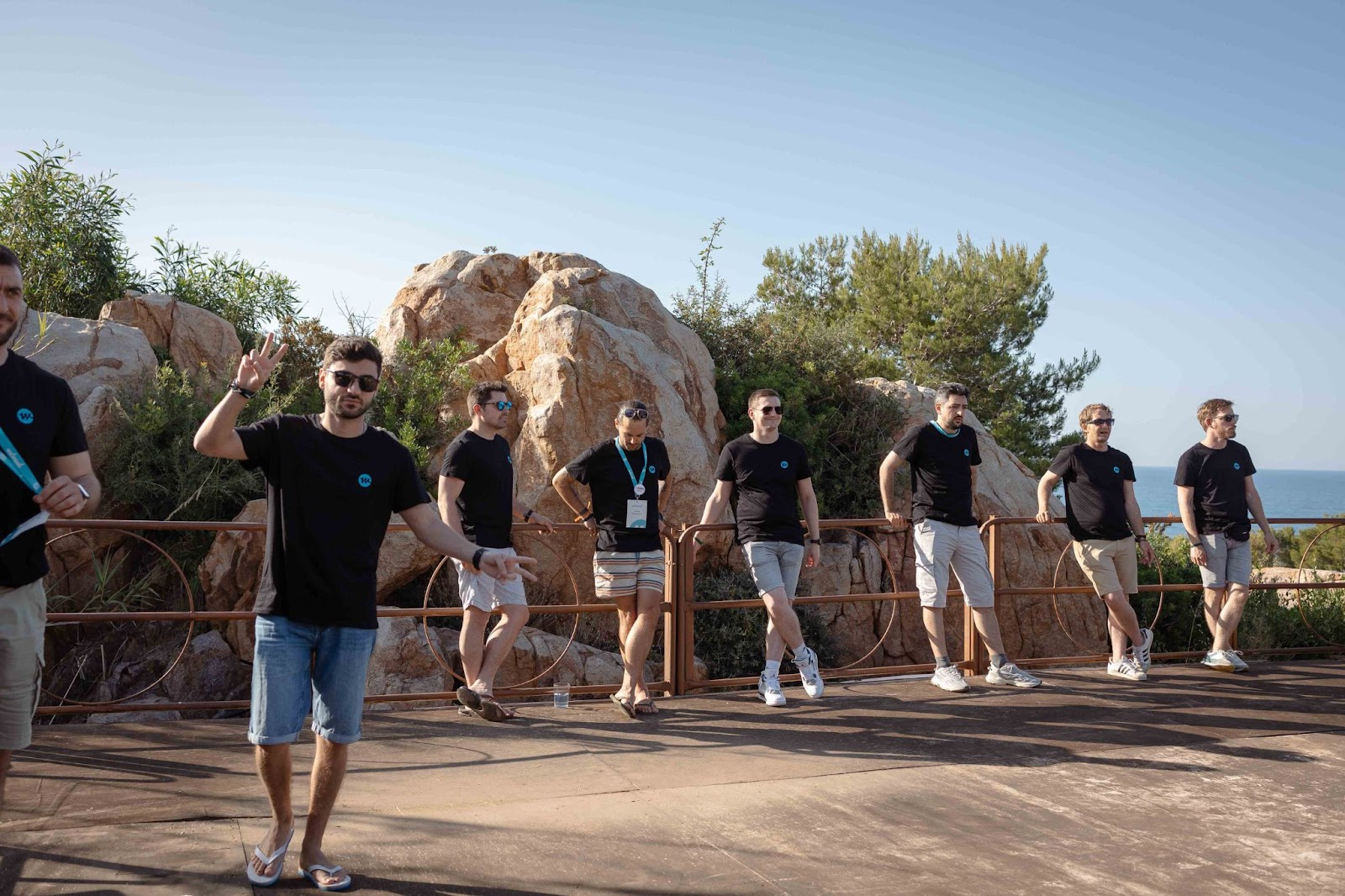
Without surprise, levels of emotional intelligence will impact leadership skills, as well as team dynamics, engagement, and the overall success of both the team and the company.
The good news, Todd Eden tells us, is that EI is something we can learn to help us build social relationships and handle challenges.
His work demonstrates that emotionally intelligent leaders are more effective in managing relationships, influencing others, making decisions, and enhancing overall effectiveness and quality of life. He points out that adults with high emotional intelligence perceive better career advancement opportunities, lead more effectively, and maintain stronger personal and professional relationships.

So how do they do that?
Leaders with a high level of emotional intelligence can genuinely listen to their team's concerns and help resolve conflicts and misunderstandings more effectively.
They recognize when not all voices are heard or when cultural differences lead to misunderstandings and tensions, and can rectify the situation.
They understand others' feelings and can demonstrate empathy in their responses or actions when delivering difficult information or feedback.
Emotionally Intelligent leaders are better at maintaining their composure under pressure and avoiding overreaction. It is easier for them to identify each individual's strengths and encourage collaboration. The list could go on.
That way, emotionally intelligent leaders are better at:
- creating psychological safety
- encouraging innovation and communication,
- building trust and fostering a healthy and inclusive culture,
- improving morale and retention.
- hiring new team members
- recognizing opportunities
Research shows that teams with high EI are overall more successful, more productive, and even happier.
If Emotional Intelligence is so essential in building a company culture, does it also impact the success of company offsites?

Emotional intelligence plays a significant role in corporate team retreats by fostering self-awareness, empathy, resilience, and improved interpersonal communication among participants.
Now, how to design a retreat with emotional intelligence in mind? You may already be doing so by organizing activities and providing settings that nurture self-awareness, empathy, and healthy communication, such as group discussions, mindfulness practices, and collaborative problem-solving tasks, which enable participants to learn how to manage emotions, resolve conflicts, and appreciate diverse perspectives. Providing a supportive environment with nourishing meals, free time for connection, and spaces for deep conversation also nurtures emotional intelligence.
Here are some simple examples of activities that focus on developing self-awareness, empathy, and communication that you can incorporate into your retreat agenda:
It is essential to allow time for both the group and the individual to reflect and make connections.
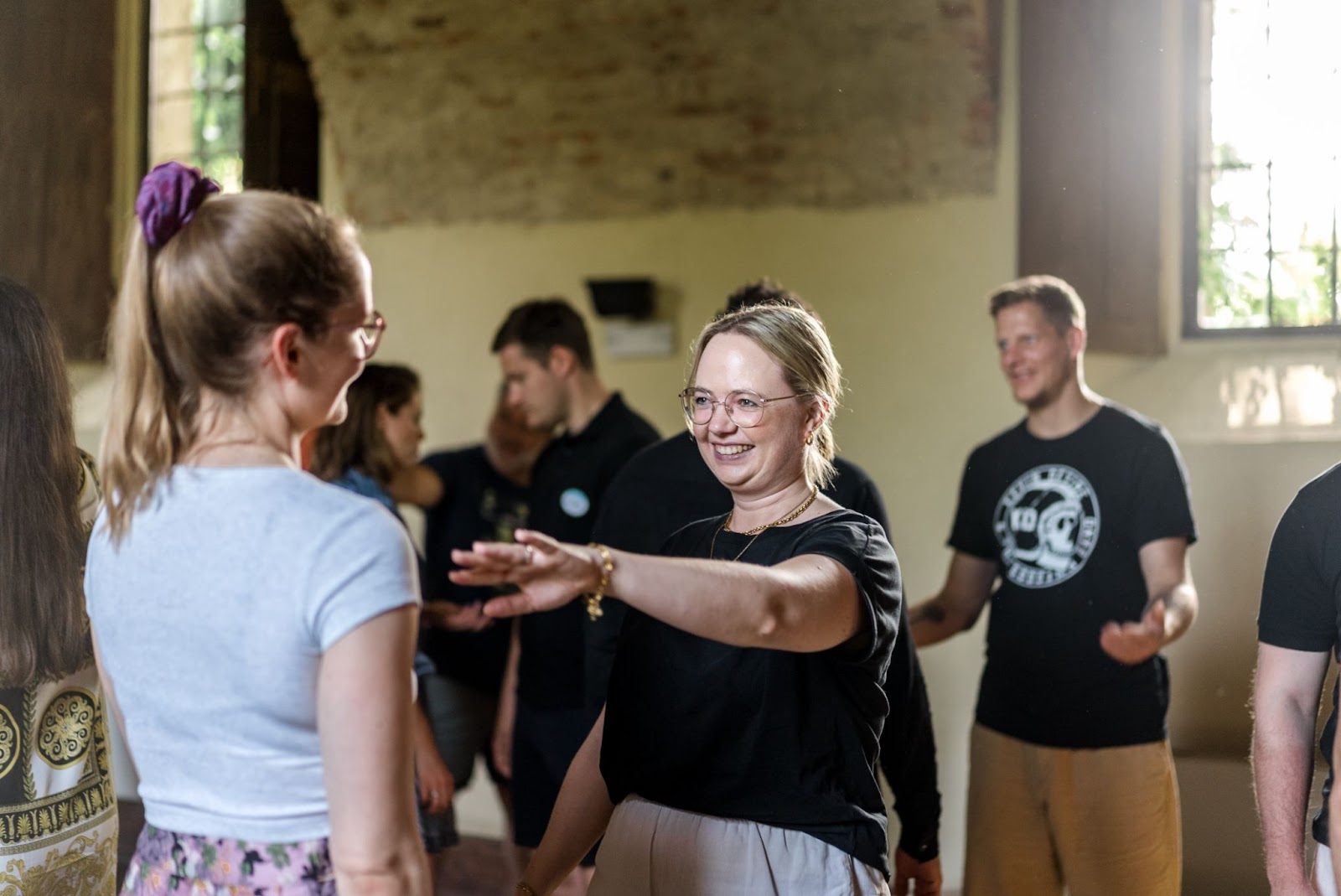
Several assessment tools have been developed to measure EI through self-assessment or ability-based tests, so if you are curious about your team's EI, you can look into:
These assessments can be given before the retreat or EI training to establish a baseline and then again afterward to measure growth and the effectiveness of the program.
While measuring your team's EI is a great way to measure progress, it is essential to remember that there is no single, infallible EI measure. It is best to view the results as an indicator to help you grow, rather than a score to reach.
Emotional Intelligence is an essential soft skill for every thriving company with a healthy work culture. It is a skill that can be learnt, like a muscle, should be trained and used regularly.
It is essential to consider EI when planning your company retreat and ensure you allocate time for situations that require emotional intelligence to encourage your team to put it into practice in a safe environment. If you are unsure about how to include it in your agenda or how to host a dedicated workshop, never hesitate to reach out to an expert facilitator.
From practical insider warnings to new secret locations, get our monthly, genuinely spam-free newsletter.
Subscribe now
%20(4).jpeg)