Home
>
Blog
>
Trends and insights
>
The Currency of Connection: The Behavioral Evolution of Incentive Travel
Incentive travel is often described as a reward, but that only tells part of the story. In practice, when used wisely, it has become a very effective tool for strengthening motivation, building loyalty, and creating a shared sense of identity in an increasingly fragmented workplace.
We know that hybrid work has changed the way people connect, how culture is experienced, and how recognition is felt. Salary still matters a lot, of course, but a trip , an experience that is carefully designed, socially meaningful, and emotionally memorable, can do something cash alone often cannot: create a story people carry with them.
In this piece, we take a deeper look at the evolution of the incentive travel industry and what it means today, both for teams and for companies that facilitate it 🙋.
If you are reading our blog, chances are you already know that, but just in case, here is a recap.
MICE is the industry term for Meetings, Incentives, Conferences, and Exhibitions. It describes a sector of group business travel built around professional gatherings, corporate events, and organized experiences rather than individual leisure.
The four parts of MICE are related, but they serve different business purposes:
That distinction matters because it changes not only the emotional purpose of the trip, but also the way the trip is organized and where it takes place.
For the sake of keeping it simple, a meeting is about work. A conference is about information. An incentive trip is about recognition.
While incentive travel shares the same logistical infrastructure as a conference or meeting, it differs fundamentally in intent and execution.
Meetings and conferences are usually mandatory, or at least strongly encouraged. Incentive travel is different: it is a management tool designed to motivate people to hit specific targets, such as sales quotas, retention goals, or partner performance benchmarks. Because it is a reward, the experience tends to be more “exclusive,” with premium venues and fine dining than you would expect from a “standard business event.”
That being said, it often requires the same professional services as other MICE events behind the scenes. Even when the experience feels leisure-led, it still relies on serious event infrastructure:
If you want to better understand the differences between an offsite, an incentive trip, and a team retreat, see our dedicated post.
Incentive programs are often shaped in two ways: by who is traveling and by what kind of experience is offered.
By audience structure, incentive travel may be:
By experience type, programs may be:
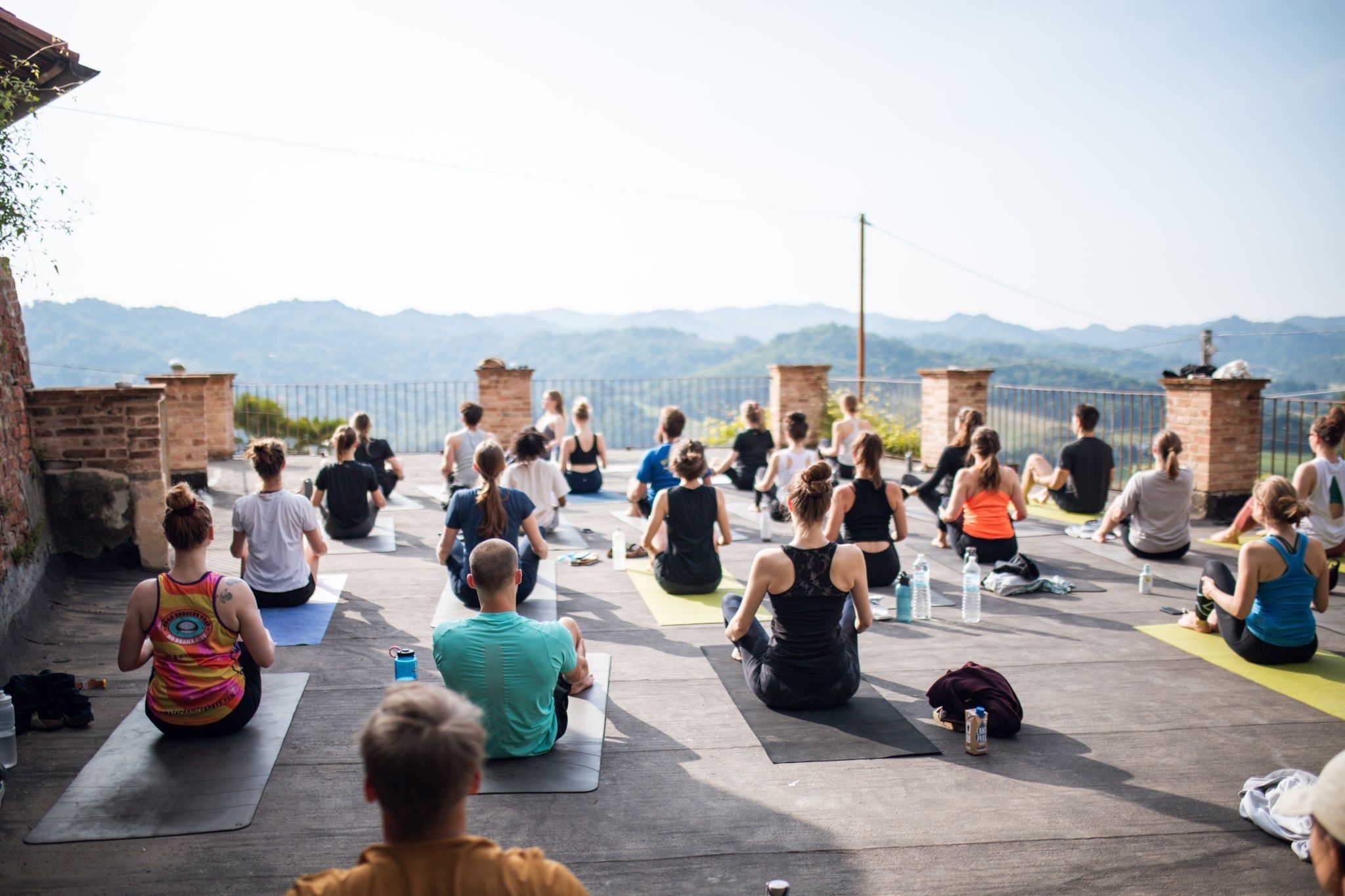
The strongest programs align rewards with the audience. What feels aspirational to one group may feel irrelevant to another, which is why the design phase matters so much.
Talk to us about incentive travel design.
As we saw earlier, incentive travel tends to be a premium form of business event.
Research from the Incentive Research Foundation also highlights just how significant incentive travel spending can be. Per person, the financial footprint of an incentive trip is often much larger than that of an ordinary leisure break. According to the IRF European Top Performers Study, high-achieving companies invest an average of €5,564 per person on a standard incentive trip, with elite top-tier programs reaching €13,183 per person. That is a very different spend profile from the average international leisure trip, which global tourism data places far lower once you account for flights, accommodation, and daily expenses.
There is also a strong economic effect at the destination level. Incentive travelers typically spend more per capita than other MICE segments because the trip is already framed as a “once-in-a-lifetime” experience. That drives higher spend into local premium sectors and supports a different kind of destination economy.
The elevated spending is not random. It comes from a mix of corporate strategy, psychology, and the unique logistics of reward travel.
When someone goes on an incentive trip, the employer covers the major costs. Flights, accommodation, and core meals are already paid for, which changes how the traveler thinks about any additional personal spending. Because their baseline vacation cost is effectively zero, they often see their own spending as “play money.” That makes high-end souvenirs, spa treatments, premium upgrades, and extra excursions feel easier to justify.
If a trip is meant to motivate, it cannot feel generic. Companies often choose exclusive experiences that carry premium price tags precisely because they are unusual. That might mean renting a castle or museum after hours, chartering yachts or helicopters, or bringing in celebrity chefs or private entertainment for the group.
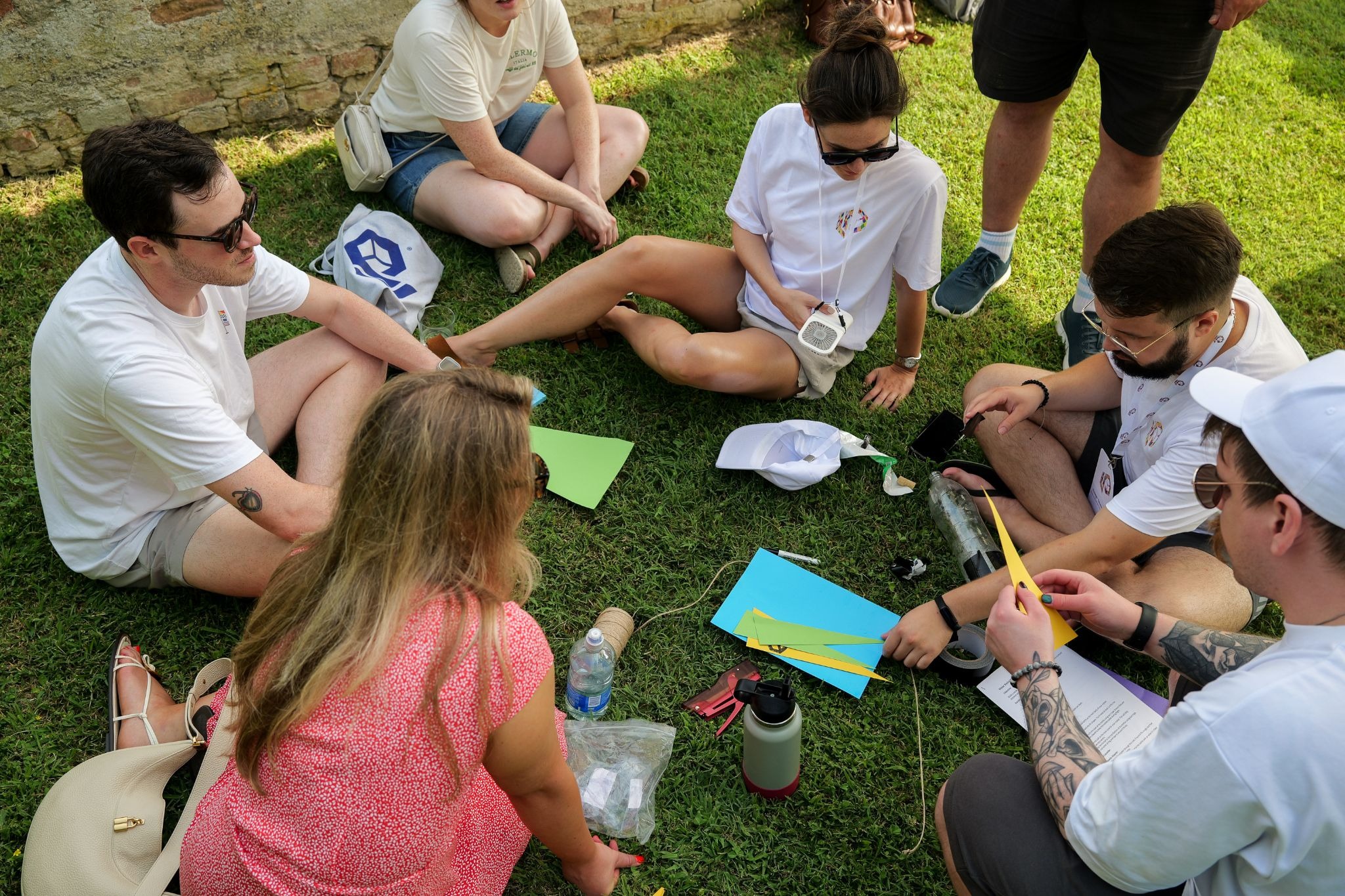
The people who qualify for these trips are usually top performers, senior leaders, or high-earning channel partners. That audience already has a higher-than-average disposable income, which means they are more likely to spend on premium lifestyle experiences while traveling. The reward does not lower their willingness to spend; in many cases, it reinforces it.
Incentive travel often happens in peer groups, and that social element matters. People want to celebrate together, which can drive extra spending on dinners, drinks, golf, shopping, or other shared activities outside the formal itinerary. The trip becomes part reward, part social occasion.
When a company hosts an incentive trip, it is also reflecting its brand. Cutting corners can make the program feel underwhelming and undermine the point of the reward. That is why many corporate buyers choose premium vendors, high-end welcome gifting, and flawless logistics. The quality of the trip communicates the quality of the company behind it.
Now, to understand why a week in the mountains can outweigh a figure on a pay check, it helps to look at how people value effort and reward.
Money usually triggers market norms: transactional, calculated, and finite, while travel tends to trigger social norms: warm, reciprocal, and relational. That distinction matters because the way a reward is felt is often just as important as the reward itself.
A cash bonus may be useful, but it is also easy to absorb into bills, groceries, and everyday obligations. Once it is spent, it rarely leaves much of a trace. By contrast, a trip creates anticipation, experience, and memory. It becomes part of a story, beyond a bank statement.
There is also an entitlement effect. When cash bonuses are repeated, they can become expected. If the bonus is later reduced or removed, it may be experienced as a loss rather than a reward, which can damage motivation. Experiential rewards are different because they do not depreciate in quite the same way. Their value often increases over time through memory and recall.
And while incentive travel often gets framed through the lens of premium hotels and money-can’t-buy experiences, luxury does not always look the same. In some cases, the most powerful rewards are the ones that feel quieter, more natural, and more connected to place.
See how Campfire turns travel into connection.
When people hear “incentive travel,” they often picture five-star resorts, polished gala dinners, and the kind of trips that signal value in a very obvious way. And yes, those experiences still belong in the category. But a premium does not always need to look flashy to feel exceptional.
In other words, the real luxury is not always in what is visibly extravagant. Sometimes it is in the experience's rarity: being somewhere beautiful, remote, and thoughtfully designed, with a group of people who have worked hard to be there.
Don’t get us wrong, incentive travels still very much want to dazzle. But the dazzle should come from the quality of the experience, not just the size of the spend. The best ones create space, presence, and connection. They take people out of the everyday, give them room to breathe, and make the reward feel meaningful rather than merely expensive.
That is where incentive travel becomes especially powerful. It is not about getting lost in the “show me the money” side of things. It is about designing an experience that feels worth remembering for the right reasons.
That matters because the emotional power of incentive travel does not come from flash alone. It comes from how the experience makes people feel, and how long that feeling lasts.
The appeal of incentive travel is not just that it is enjoyable. It is that it touches several human motivations at once.
The first is anticipation, which creates momentum before the trip even begins. The second is the experience itself, which interrupts routine and makes the reward feel distinct. The third is memory, which extends the value long after the return journey.
There is also the question of permission. Many employees feel more comfortable enjoying a premium experience when it has been given to them as recognition rather than purchased for themselves. That makes luxury feel less indulgent and more justified.
Finally, there is social signaling. A trip is something people can talk about, share, and remember with colleagues. That gives it a cultural value inside the organization that a bank transfer usually does not. In some cultures, talking openly about money is considered uncomfortable or even inappropriate, while sharing stories and images from a trip is more socially acceptable and often actively encouraged.
These psychological triggers are powerful, but they do not land the same way everywhere. The “exchange rate” of what counts as a meaningful reward varies across the global map.
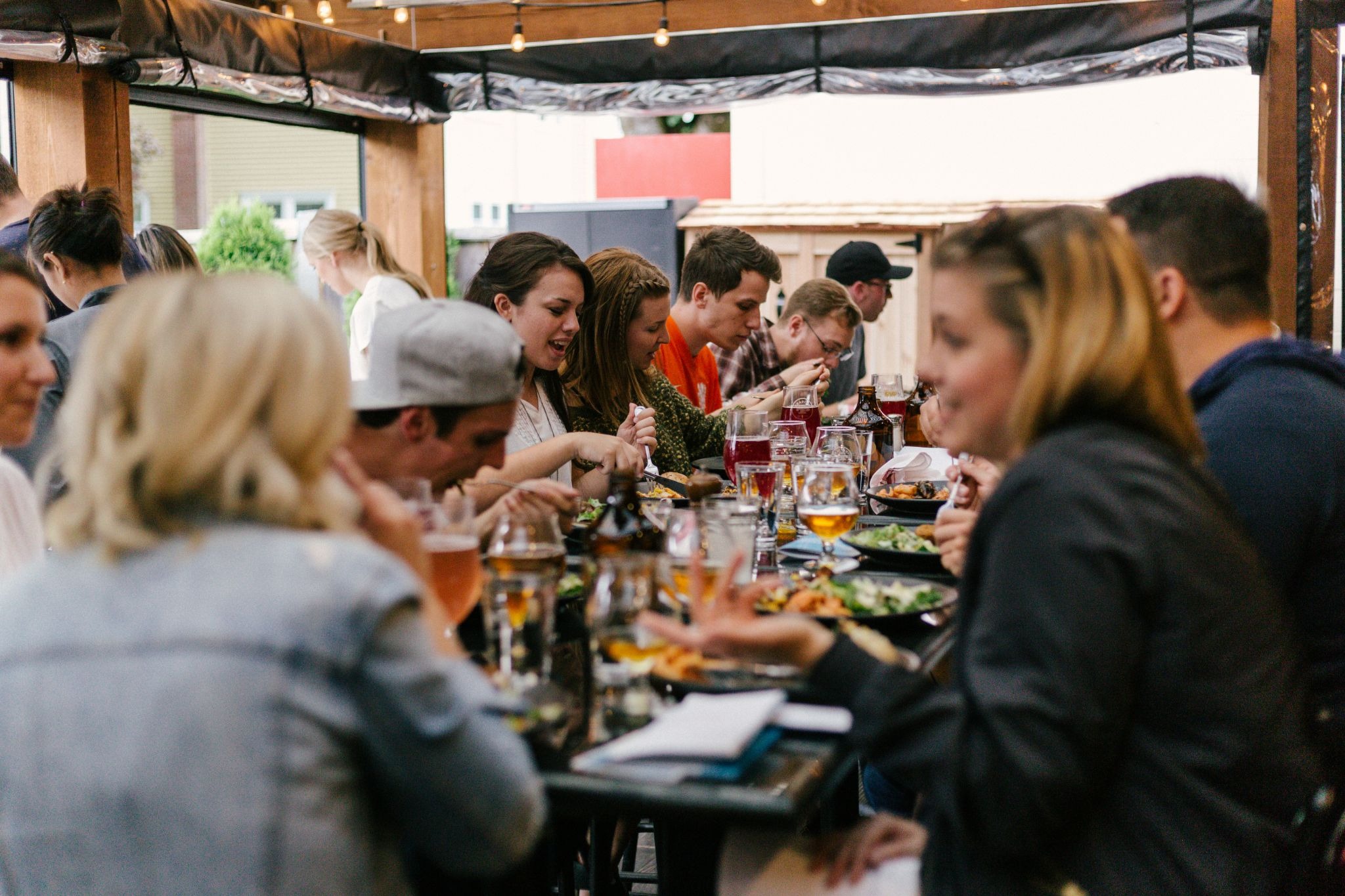
The Western, educated, industrialized, rich, and democratic model of reward tends to assume that effort should be exchanged for cash. But that is only one cultural framework.
In more individualistic cultures, personal recognition and solo rewards can be highly motivating. In more collectivist cultures, however, the reward may carry more value when it includes family, peers, or group recognition. In those contexts, the ability to bring a spouse or children, or to be celebrated as part of a wider team, can be more meaningful than a private prize.
A trip that feels highly motivating in the US or UK may need to be rethought for audiences in South Asia, Latin America, or the Middle East, where relationships, inclusion, and shared status often matter more than individual distinction.
As companies realized that connection cannot be treated as a one-size-fits-all transaction, the post-2025 landscape forced a total rethinking of what a corporate retreat is supposed to do.
If the last few years have taught companies anything, it is that connection does not happen automatically.
As the physical office has become less central, the annual retreat has increasingly become one of the few moments when company culture exists in three dimensions. People are no longer just names on a screen or voices in meetings. They are present, visible, and part of a shared environment.
That is one reason incentive travel has gained so much traction. It has become a cultural repair kit for fragmented, hybrid workforces. It does not replace everyday work, but it does restore something that digital systems alone cannot fully deliver: in-person belonging.
One of the most interesting shifts in incentive design is the move from passive vacationing to active, co-created experiences.
This is where the IKEA effect becomes useful. People tend to value things more when they have helped build them. In incentive travel, that means the experience can become more meaningful when attendees have a role in shaping it, whether through collaborative challenges, itinerary choices, or activities that leave a positive mark on the destination.
The best modern incentive programs are not just about being hosted. They are about participating. That can mean contributing to a local community project, taking part in a team challenge, or helping shape the experience in a way that creates ownership as well as enjoyment.

Like any gathering, travel can fail if the design is too narrow.
A trip that focuses too much on a winner-takes-all model may encourage competition, but it can also create resentment or reduce collaboration if the reward feels inaccessible.
There is also a risk of escalation. If every year’s trip has to be bigger than the last, the reward can become less meaningful over time and harder to sustain. That can shift the focus from recognition to expectation.
Another common issue is over-reliance on one metric. If incentive travel is tied only to sales volume, for example, it may encourage the wrong behavior. The most effective programs balance motivation with broader organizational health.
And as we mentioned earlier, incentive travel is not equally effective in the same format everywhere.
This is also where flexibility becomes valuable. A good incentive strategy adapts the experience to the audience, the region, and the values the company wants to reinforce.
Navigating those risks requires more than a logistics mindset. It requires a strategic view of the retreat as part of a company’s central bank of culture.
This is where modern retreat design becomes especially relevant.
What makes incentive travel effective is not just the destination. It is the design. The best programs start with a clear objective: are they meant to motivate performance, reward loyalty, rebuild connection, or strengthen brand culture?
Once that is clear, the experience can be matched to the audience. A sales team may respond to prestige and competition. A cross-functional team may respond better to inclusion, reflection, and shared time. A partner audience may need a different mix again. That is why the planning stage matters so much: the more precisely the experience reflects the group, the more meaningful the reward is likely to feel.
Design also matters in the smaller details. The flow of the itinerary, the balance between structured and free time, and the quality of service all shape how the trip feels. A memorable incentive program is usually thoughtful rather than overproduced. The goal is not simply to impress people for a day, but to create an experience that feels curated, coherent, and worth remembering.
This is where a more strategic approach to retreats and incentive travel becomes important. Companies are increasingly looking for partners who understand that these experiences are not just about logistics. They also address emotional impact, team dynamics, and brand perception. In that sense, good design is the mechanism that turns travel into value.
The future of incentive travel is likely to be shaped by three major shifts: personalization, sustainability, and deeper integration with employee experience strategy.

Ultimately, the evolution of incentive travel reflects something broader about how people and organizations work.
Cash is the baseline for survival, but connection is the baseline for excellence. A salary may keep people in place, but a shared experience can help them feel part of something larger than themselves.
In an AI-driven economy, the things that cannot be automated or commoditized are still the most human ones: trust, memory, recognition, and the feeling of sitting around a fire with your team, celebrating a year of collective effort.
That is why incentive travel endures. It does not just reward performance. It turns performance into belonging.
From practical insider warnings to new secret locations, get our monthly, genuinely spam-free newsletter.
Subscribe now