Discover actionable insights on fostering a workplace culture that inspires and engages—trusted by over 24,000 subscribers worldwide.
Thank you! Your submission has been received!
Oops! Something went wrong while submitting the form.
Let’s be real, you’ve probably been using these words interchangeably all the time. To most people, they all just sound like "we get to leave our desks, hopefully no cringeworthy ice breakers are involved."
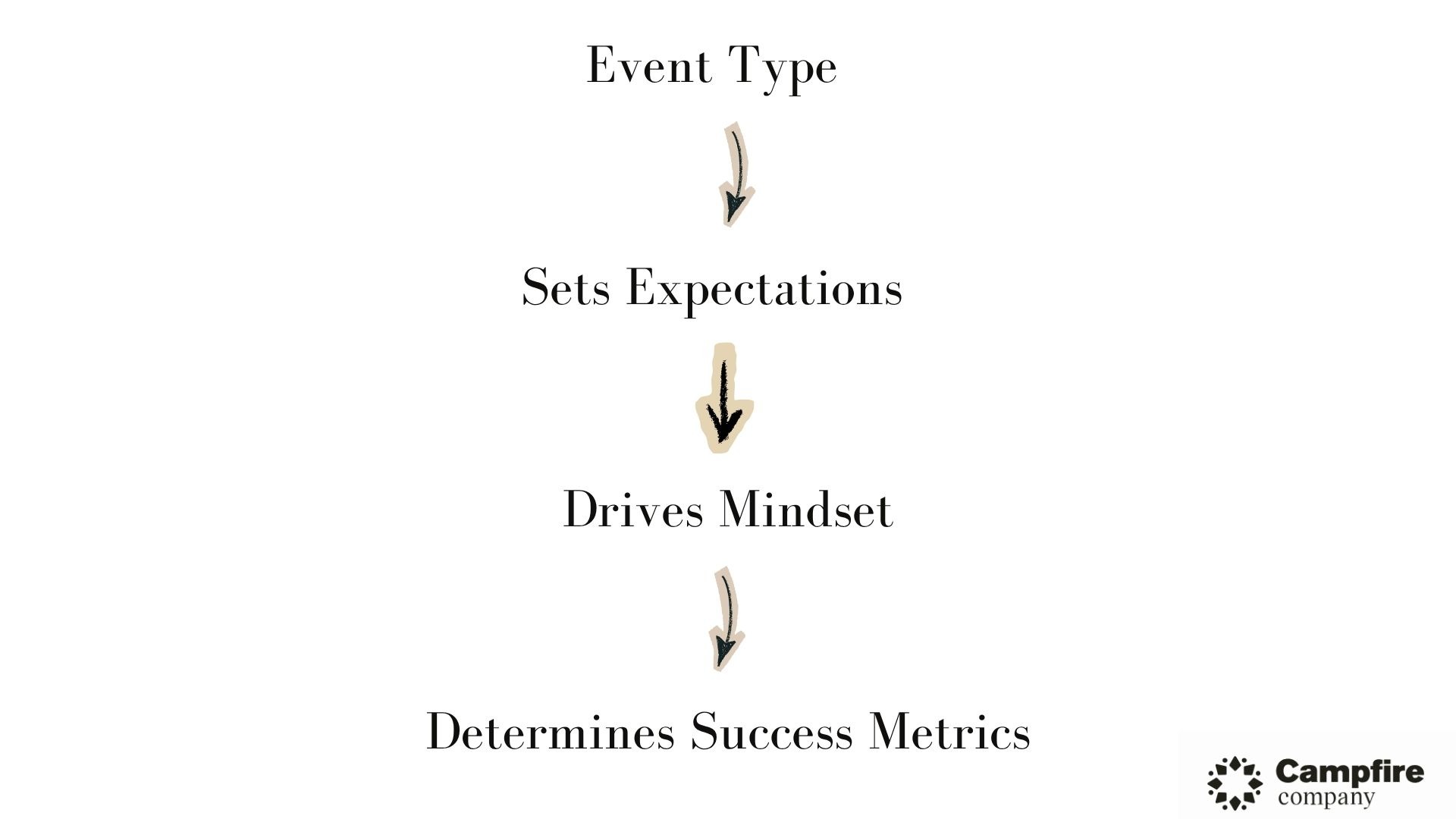
But looking at it from the perspective of the person organizing the event, planning the agenda and the logistics, selecting the venue, it actually makes a difference what an event is called. They require different budgets, different venues, and achieve completely different business goals.
Using the right terminology matters because mixing up these terms creates a mismatch between what employees expect and what actually happens, but also between HR (or whoever ended up having to organize the next “gathering”) and the service providers.
When communication is vague, it hurts morale, wastes money, and can ruin the experience.
1. The Expectation Gap
Imagine: you tell your team they are going on a "Company Getaway" or a "Team Retreat”. Most probably, they mentally pack for relaxation, social time, and casual clothing.
So when they receive the agenda and realize it is 9-to-5 packed with slide decks and quarterly performance reviews, they will feel like they’ve been tricked. If you expect a highly productive "Strategy Offsite" but call it a "Getaway," employees may show up mentally checked out, frustrated when asked to work during what they thought was a perk.
2. Wardrobe and Packing Nightmares
It sounds trivial, but it is a major source of friction for employees. Packing for an intensive, business-casual workshop in a hotel conference room looks entirely different than packing for outdoor team-building challenges or lounging by a resort pool. Clear terminology tells your team exactly what to put in their suitcase.
3. Setting the Right Psychological Boundary
Different events require different mindsets:
An Offsite requires a sharp, critical, problem-solving mindset.
A Retreat requires vulnerability, openness, and a willingness to connect socially.
A Getaway requires letting your guard down and resting.
Using the correct term primes your employees' mindsets weeks before they even arrive at the venue.
4. Budgeting and ROI Alignment
From a management perspective, defining the event type dictates the budget allocation and how success is measured ($ROI$ vs. $ROE$ - Return on Experience).
For an Offsite: Success is a finished product roadmap or an approved budget. You spend money on top-tier meeting spaces and AV tech.
For an Incentive Trip: Success is high retention and a motivated sales team. You spend money on luxury hotels and fine dining.
If you don't know what you're hosting, you will inevitably overspend on the wrong things.
5. Inclusion and Accessibility Planning
A "Workation" or "Hub Meeting" implies that regular daily work is still happening, meaning reliable Wi-Fi and quiet workspaces are non-negotiable. An "Unconference" requires highly collaborative, flexible spaces where people can move chairs around dynamically. Mislabeling the event means booking the wrong venue style, which directly derails the event's actual purpose.
So let’s dive into the definitions of these terms so we understand what they focus on, who the audience is, and the vibes once and for all.
1. Team Offsite
The Focus: Work, alignment, and problem-solving.
The Audience: A specific department, cross-functional team, or leadership group (rarely the entire company).
The Vibe: Productive and structured.
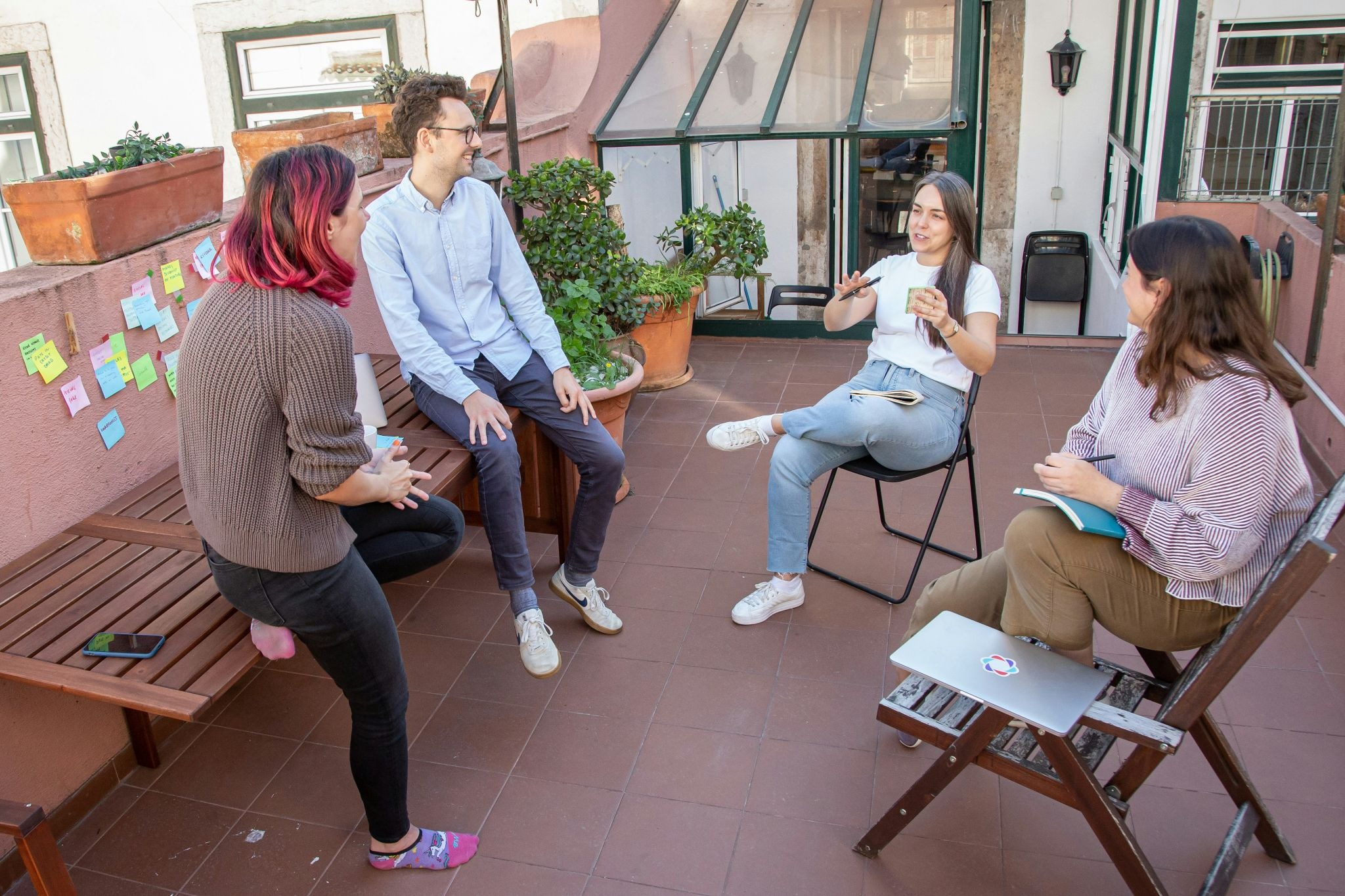
What it is: A team offsite takes employees out of their day-to-day work environment to focus on high-level objectives that are hard to tackle during regular office hours. The itinerary is usually heavy on workshops, quarterly planning, or deep-dive brainstorming sessions, balanced with a casual dinner or light team activity at the end of the day. They are often shorter events lasting a couple of days and frequently take place not too far from the “head office,” if there is one.
2. Team Retreat
The Focus: Culture, connection, and bonding.
The Audience: A full team or a small-to-medium-sized company.
The Vibe: Relaxed, collaborative, and relational.
What it is: While an offsite focuses on the work, a retreat focuses on the people. The goal of a team retreat is to build trust, integrate new hires, and strengthen company culture. It almost always involves travel to a scenic or distinctive destination (such as a mountain lodge or beach town) and spans three to five days. While there may be light alignment or vision sessions, the bulk of the schedule is dedicated to shared experiences, team-building activities, and unscheduled downtime.
3. Company Getaway
The Focus: Celebration, rest, and morale.
The Audience: The entire organization.
The Vibe: Casual, low-pressure, and celebratory.
What it is: A company getaway strips away almost all formal business agendas. It is a perk or a reward designed to combat burnout and celebrate milestones. Think of it as an extended, multi-day company holiday party. The company provides the venue, meals, and a few optional group events, but leaves plenty of free time for employees to relax, hang out by the pool, or explore a new city at their own pace.
4. Incentive Trip (Incentive Retreat)
The Focus: Reward, luxury, and retention.
The Audience: High-performing individuals, top sales earners, or executive tiers.
The Vibe: High-end, exclusive, and prestigious.
What it is: An incentive trip is a non-monetary bonus used to motivate employees to hit ambitious targets. It is highly exclusive; not everyone gets invited. Because it serves as a reward, the budget per head is typically much higher than a standard retreat, featuring luxury accommodations, fine dining, and VIP experiences. There is zero work on the agenda; the sole purpose is to make top talent feel valued so they stay with the company.
5. Workation
The Focus: Change of scenery, micro-bonding, and maintaining daily output.
The Audience: Individual remote employees, small sub-teams, or digital nomads.
The Vibe: Independent, flexible, and geographically fluid.
What it is: A workation (work + vacation) occurs when employees take their regular, day-to-day tasks on the road. Unlike a structured retreat, there are no special corporate itineraries, workshops, or forced team-building exercises. Employees work their standard hours from a coffee shop, co-working space, or rental home in a scenic location, using their evenings and weekends to explore. When done as a team, it is simply about sharing a workspace in an inspiring new setting to break up the monotony of working from home.
6. All-Hands (Company Summit)
The Focus: Macro-alignment, transparency, and top-down communication.
The Audience: The entire organization, from interns to the C-suite.
The Vibe: Formal yet high-energy, informative, and unifying.
What it is: An All-Hands or Company Summit is a large-scale event designed to get every single person in the company moving in the same direction. The agenda is heavily anchored by leadership presentations, financial health updates, product roadmaps, and major cultural milestones. While these often take place virtually monthly, annual in-person summits bring the entire global workforce to a central convention center or hotel to blend these critical presentations with large-scale networking and evening galas.
7. Unconference
The Focus: Peer-to-peer learning, organic collaboration, and breaking down hierarchies.
The Audience: Specialized teams, cross-functional innovation groups, or highly collaborative company cultures.
The Vibe: Democratic, informal, and high-engagement.
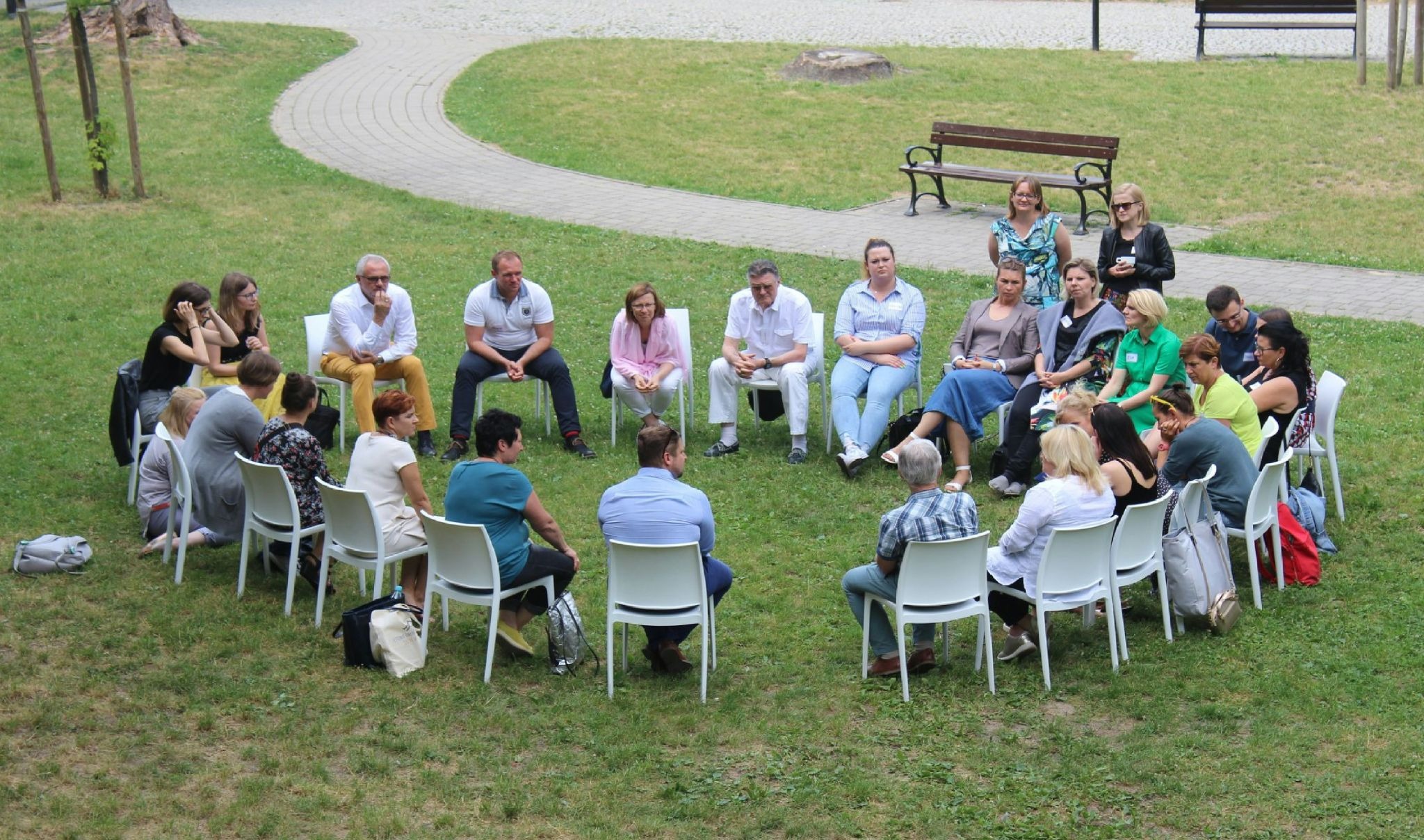
What it is: An unconference flips the traditional meeting structure upside down by completely ditching the pre-planned agenda. There are no designated keynote speakers or slide decks. Instead, attendees gather at the very beginning of the event to pitch topics they want to discuss or problems they want to solve. The group votes on these topics to build the schedule in real-time, and sessions operate as open, round-table discussions where everyone is an equal participant. This format is highly effective when embedded in the middle of a multi-day team retreat to spark unexpected innovation.
The Bottom Line: Pick Your Words, Then Pick Your Venue
At the end of the day, whether you are planning a high-intensity strategy offsite or a relaxed company getaway, the secret to success is transparency. Before you send out that calendar invite, ask yourself: What is the number one thing we need to achieve?
Once you have the answer, use the right word to describe it. Your team will show up with the right mindset, the right clothes, and the right expectations.



%20(4).jpeg)