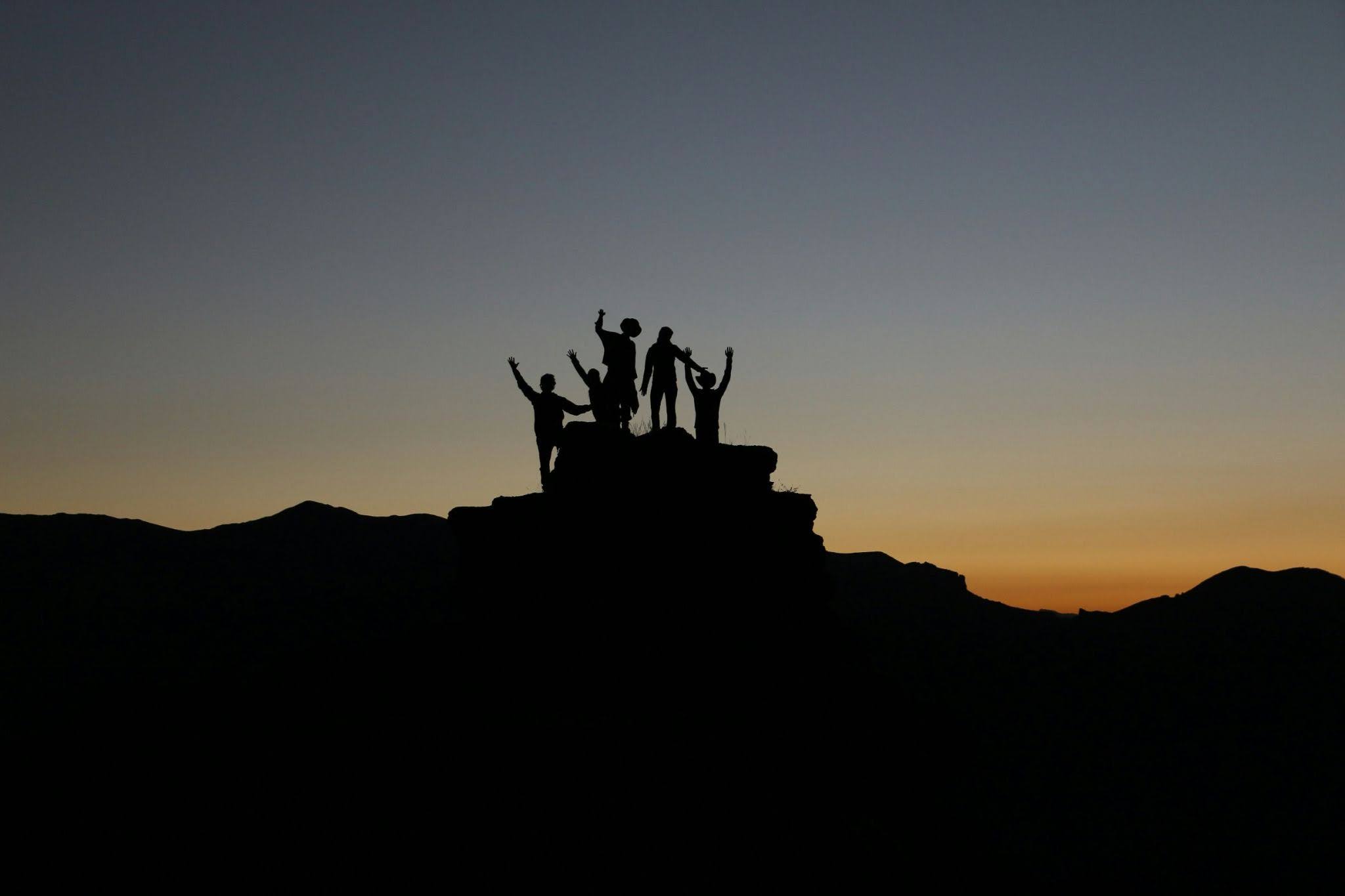
Small IS beautiful. And bigger is not always better. This playbook shows you how to design a successful offsite for small teams navigating social burnout and tight budgets.
You could also skip reading altogether and talk to a human: Book a Strategy Call with Campfire. Or take a deep dive into our Master Offsite FAQ guide.
Big or small, if there is an area where size does matter, it is in team retreats.
For a team of 30 people or under, going away on a retreat feels almost like a shared living experience, which has its pros and cons. It is easier to move as a group, no need for giant transfer coaches, complex third-party booking platforms, or to scroll down hundreds of Excel rows to find a dietary requirement. The main con is probably the risk of social burnout. It’s not as easy to slip away when there are only 20 of you as it is in a group of 100.
For a small team with a small budget, trains seem like the winning idea. It is easy to book a block of seats or even a carriage, and the journey becomes a preview to the retreat: people can socialize, rest, or even work much more comfortably than on a plane.
The logistics are much easier with trains, from arrival times to luggage weight limits. Booking ahead can also be a budget saver.
Look for a venue that is within a 3h train ride to the majority of your team.
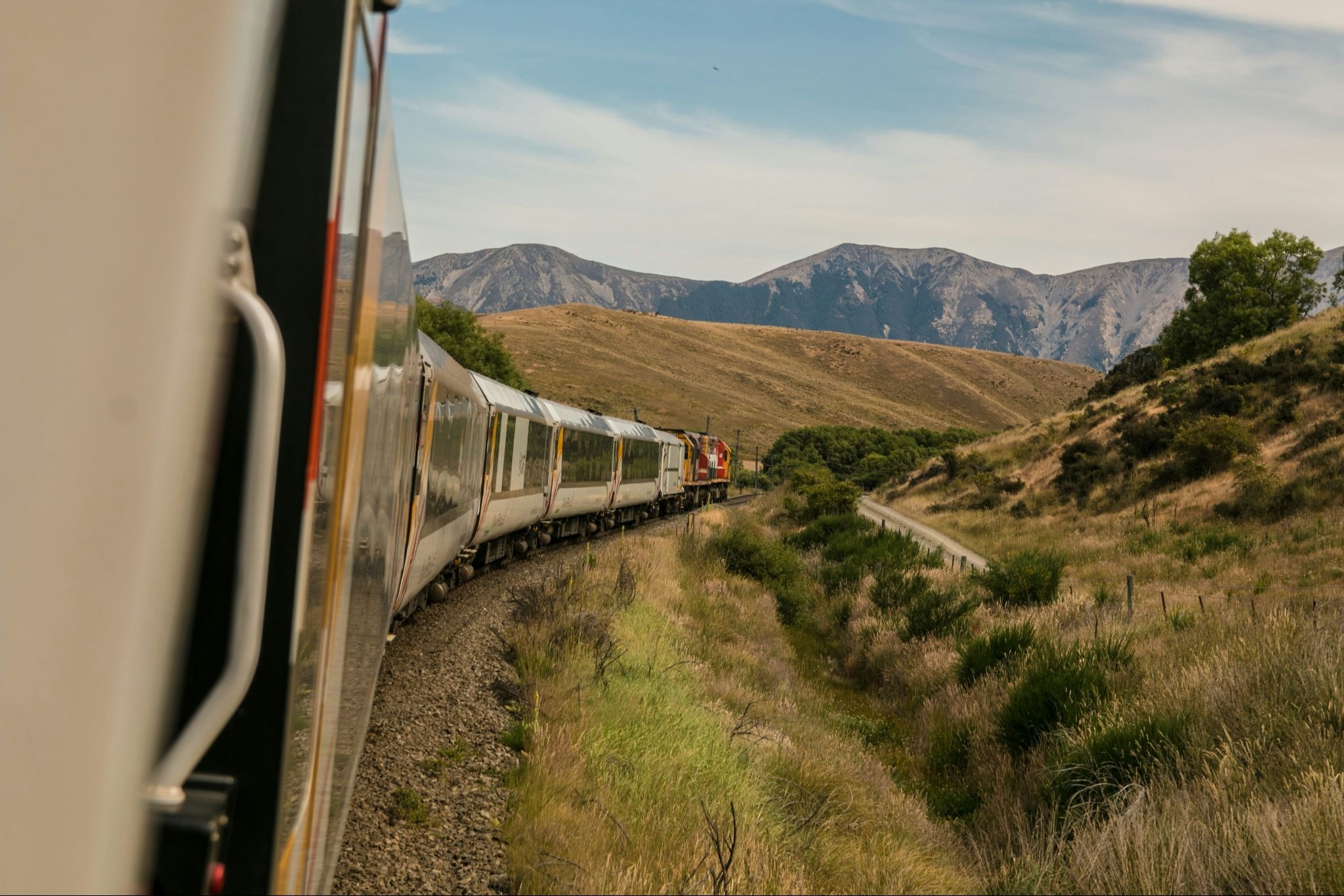
Train travel comes with amazing backdrop
The shoe must fit. You don’t want to be 30 people alone in a giant 200-bedroom hotel (unless you’re going for “creepy vibes” as a retreat theme), and it’s a bit awkward to find yourselves among other tourists.
That is why a private villa or estate is the answer for a team of 30 or fewer members.
You’ll get to own the space, which makes it very safe and comfortable for everyone to let their hair down.
That being said, make sure people are ok with the setup and that there are enough rooms and bathrooms for everyone to feel at ease.
With a smaller group, you can be a bit creative with the food if you wish.
While big groups have to follow strict logistics to make sure meal times are efficient, 30-person crews and under can turn the meal into THE team-bonding activity.
Consider hiring a private chef who will make everyone feel very well cared for, or have your team take turns cooking in groups using simple recipes and local ingredients. It becomes more about the experience than the food itself.
The team can gather around the kitchen island, as they would at a friend’s house, which keeps the atmosphere relaxed and conversational.
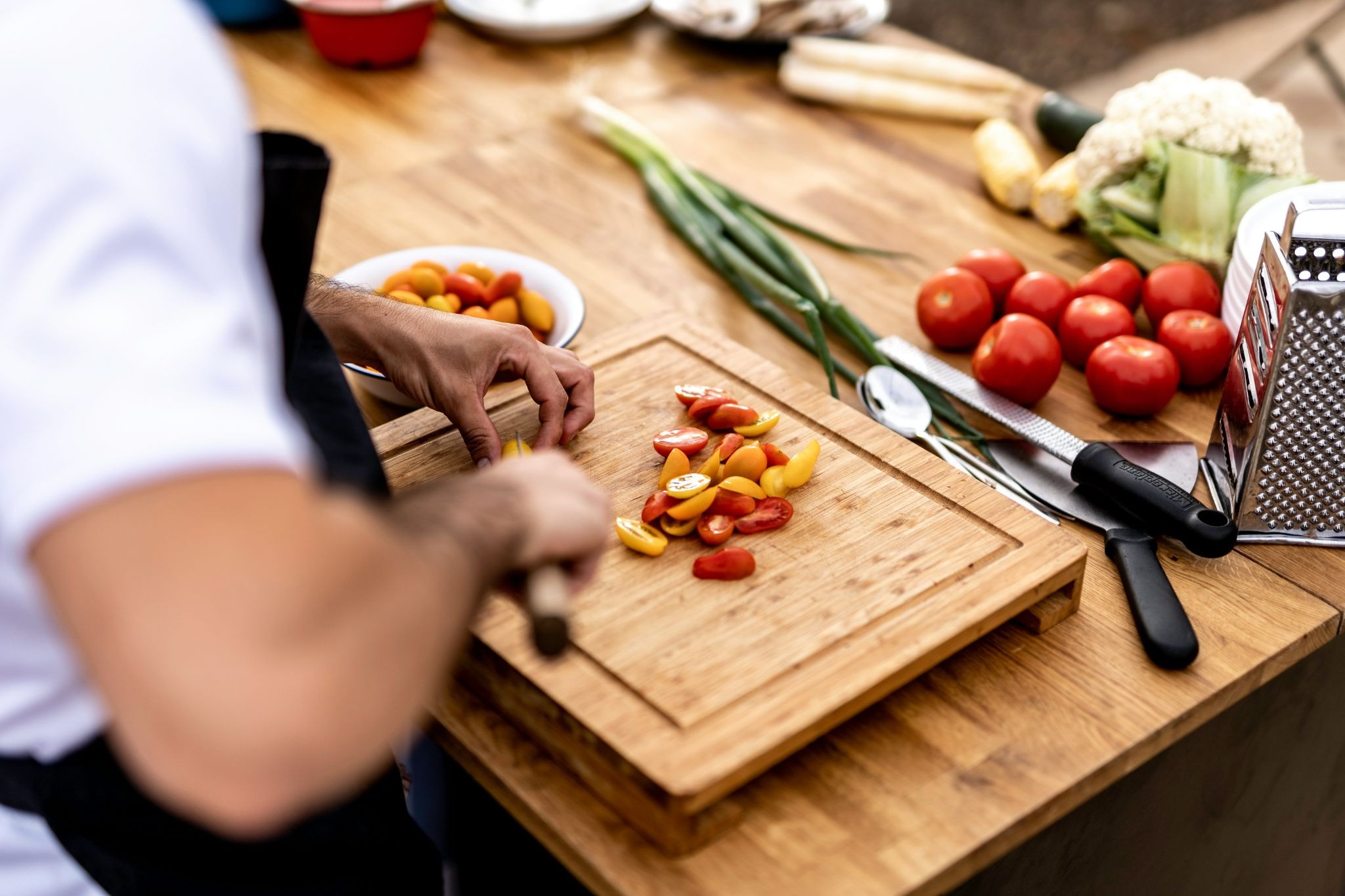
Food brings your team together. Make it count.
Take advantage of the small group to allow everyone to engage with the content. Keep your presentations and keynotes to a minimum and, when possible, replace your slide decks with open roundtable discussions, masterminds, brainstorming sessions, or mini hackathons. There is enough time, space, and few enough people to get everyone’s voices heard. It is a unique privilege!
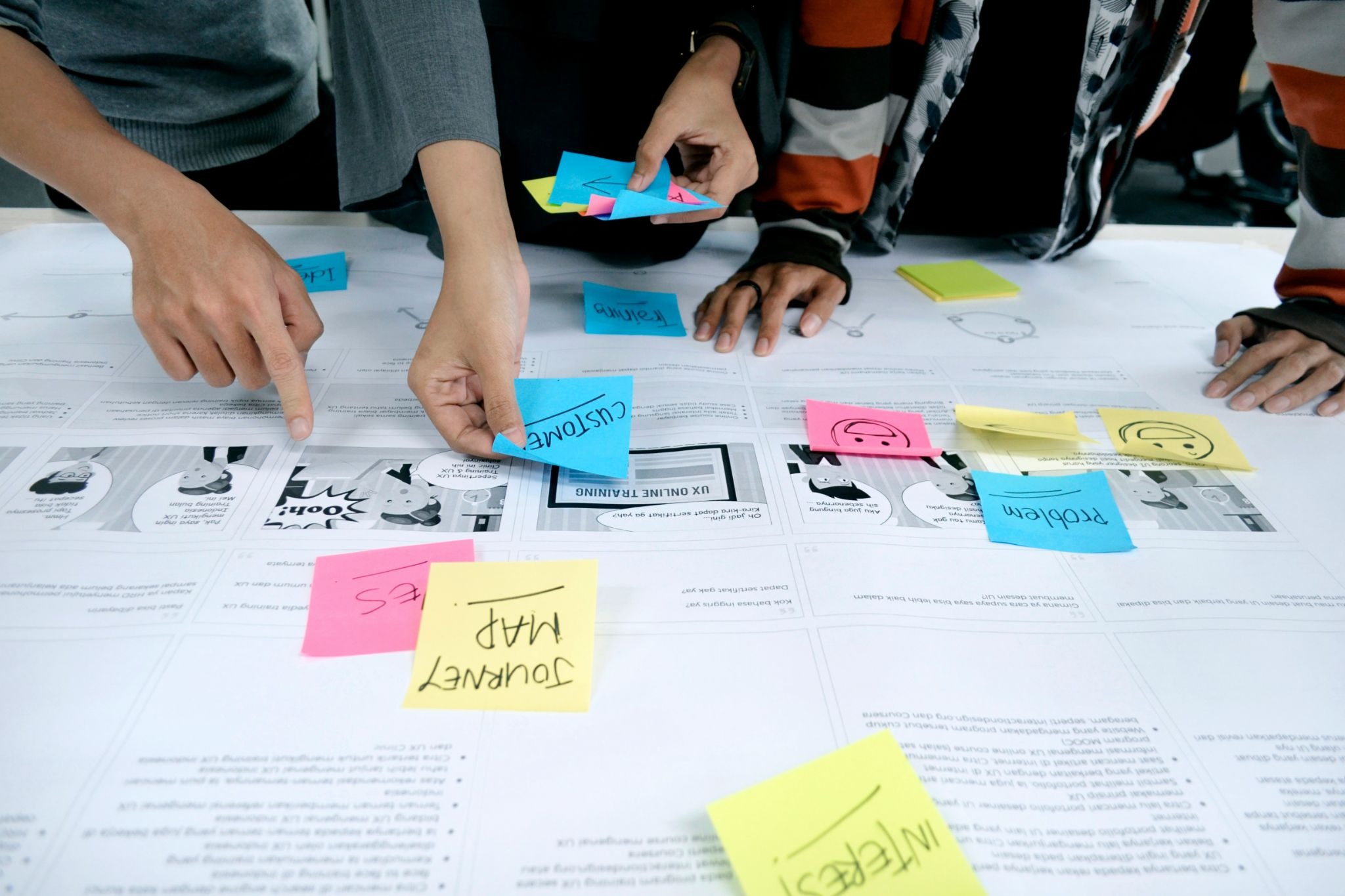
Get your team involved and moving.
Skip the 80+ hours of venue sourcing, train booking, and menu planning. At Campfire, we curate private estate buyouts and bespoke itineraries that keep your team connected and energized.
👉 Get in Touch with a Campfire Retreat Expert
👉Explore the Master Offsite FAQ Guide
From practical insider warnings to new secret locations, get our monthly, genuinely spam-free newsletter.
Subscribe now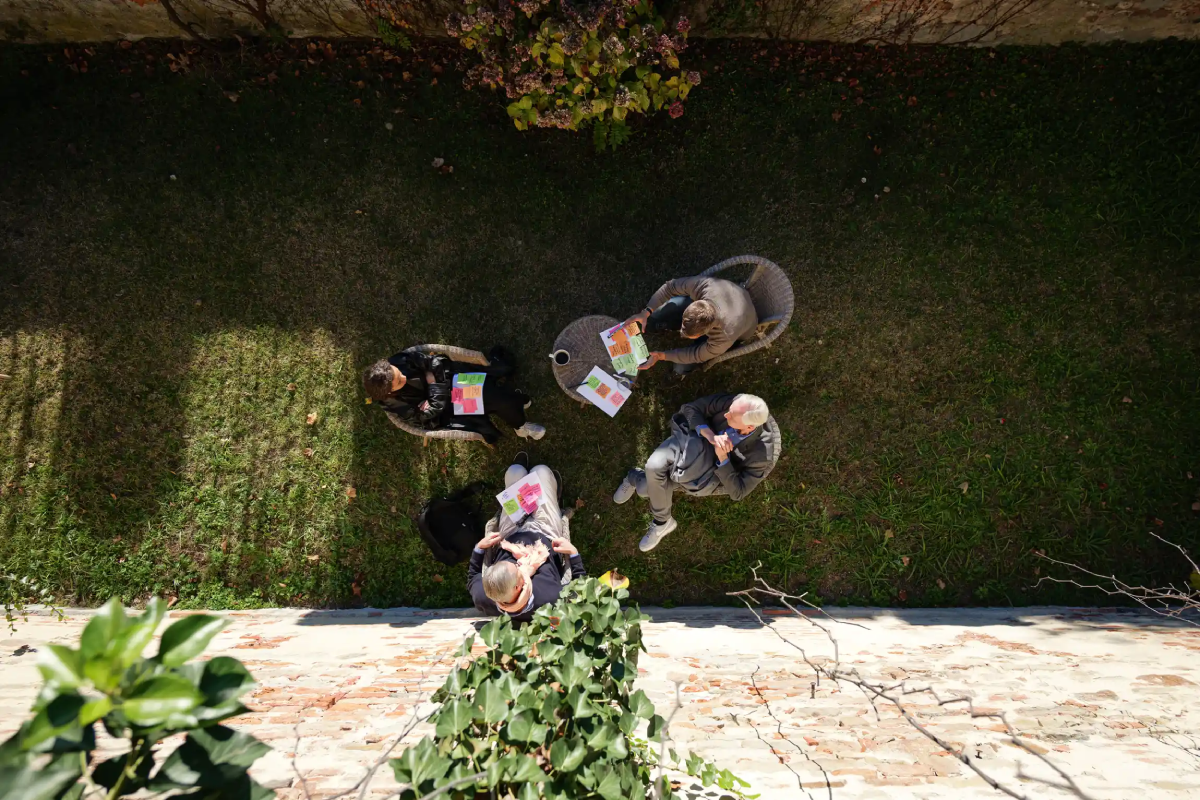
The Architecture of Psychological Safety: Why Workplace Mental Health Needs a Physical Reset
Read more


