"Alone we go faster, together we go further". We are all familiar with the saying. To bring our ideas to life, we need the support and skills of others. That is usually why we form teams: to gain more inspiration, intellectual and physical resources, energy, and skills.
However, bringing people on is a delicate exercise that, like most things in life, is all about balance. Not only do we want to ensure we share the same vision, but we also want to maintain a safe and inspiring environment where each personality can thrive without overshadowing others. If we do go further together, we might need to limit that number.
Yes. Team size has a direct impact on the effectiveness of team retreats.
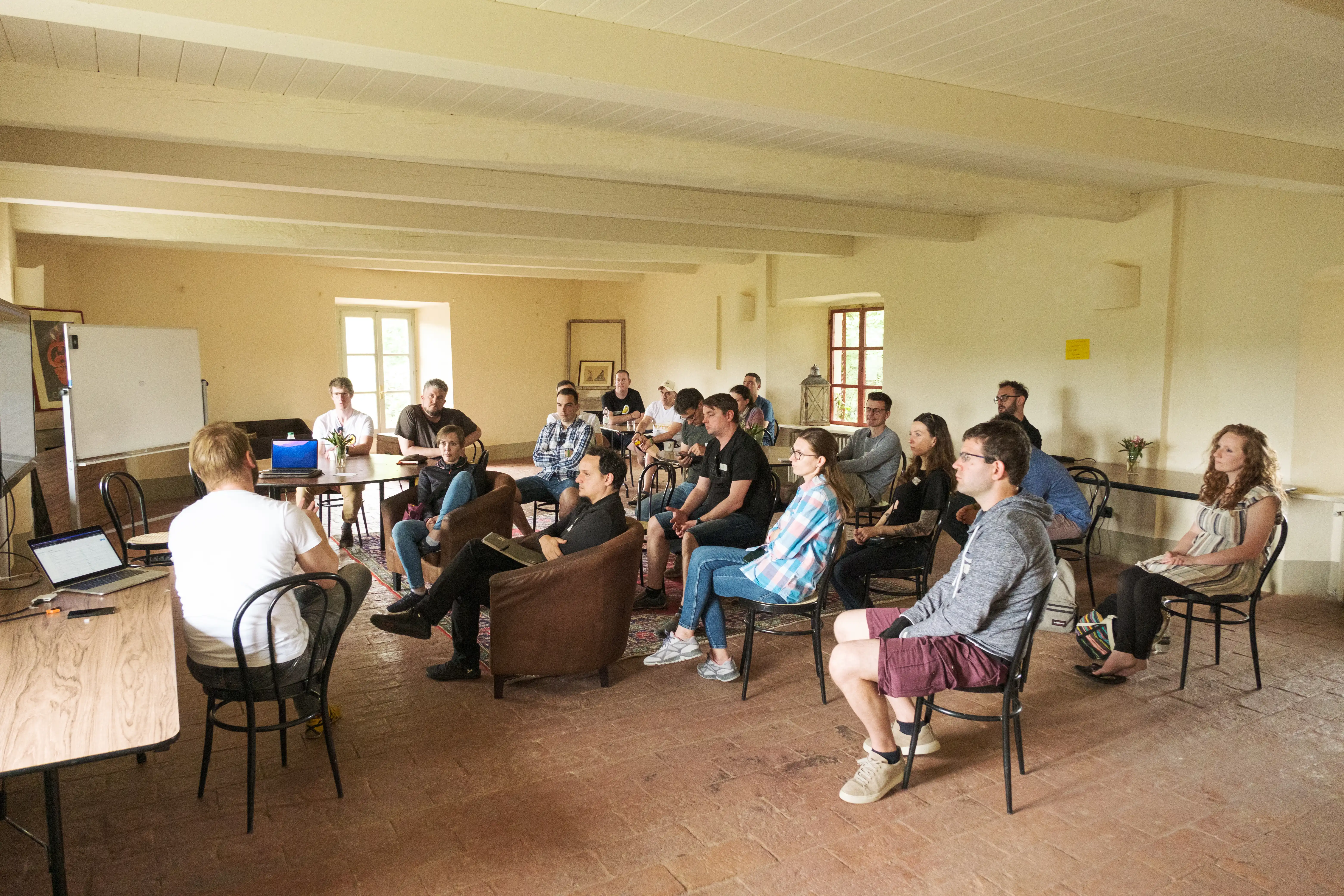
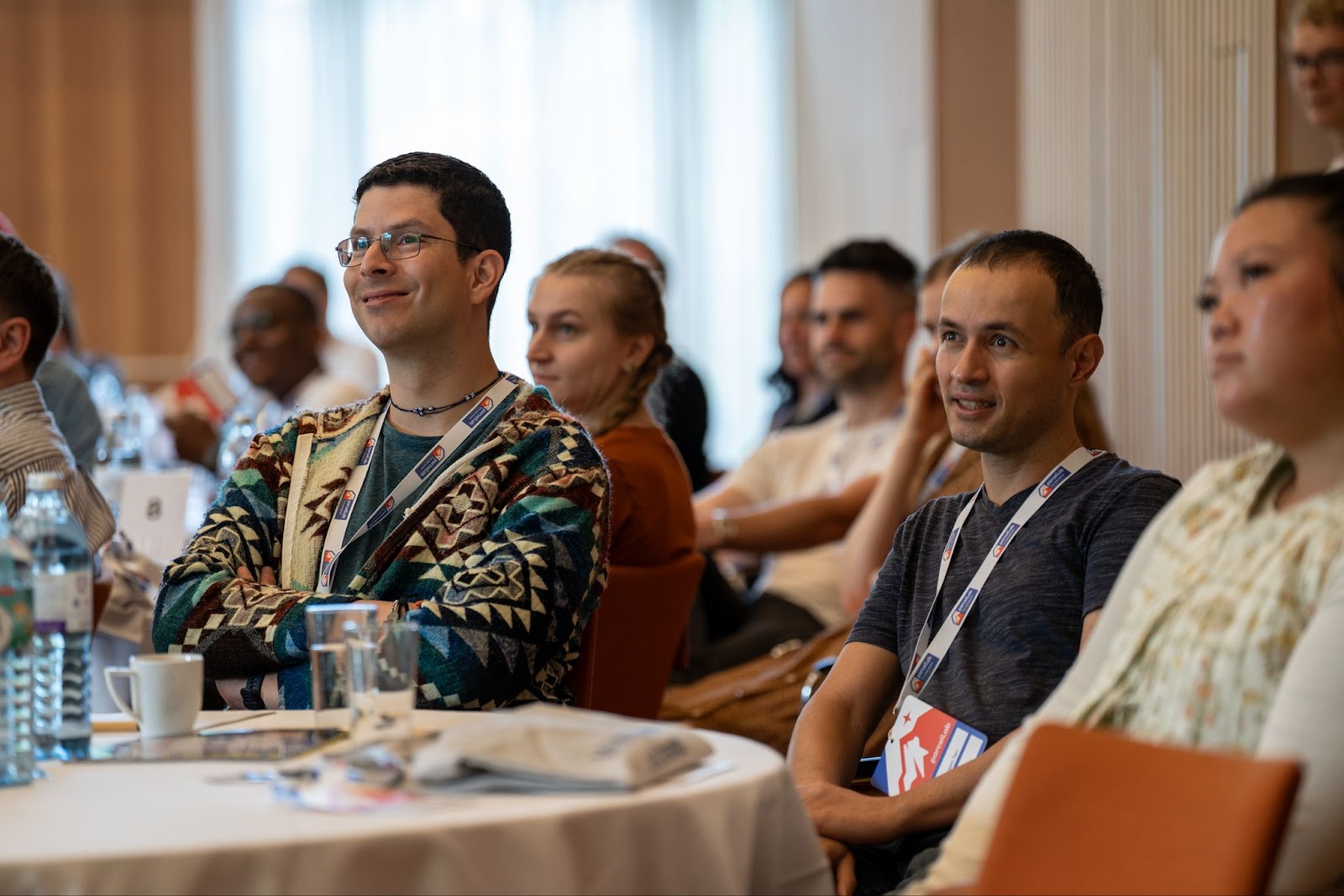
Smaller teams typically foster more active participation, stronger rapport, and greater commitment among members. In comparison, larger teams tend to require more effort to encourage engagement, as well as more formal communication and logistical support. Again, that is why it is essential to be fully aligned with the retreat's goal, the chosen venue and activities, and how you communicate all of this to the group ahead of the gathering.
According to French engineer Maximilien Ringelmann's findings in the early 1900s, there comes a point when adding more members to a team not only makes people less motivated but also makes it more difficult to cooperate and communicate, ultimately decreasing productivity.
Beyond the business aspect, there is the human relationship aspect. Robin Dunbar, a British anthropologist, theorized about the "cognitive limit to the number of people with whom one can maintain stable social relationships—relationships in which an individual knows who each person is and how each person relates to every other person" - This theory, known as the Dunbar's number not only set a "limit" of 150 as the number of relationships a human can maintain but also breaks down other levels of relationships into size groups.
When you combine Ringelmann and Dunbar's theories, you quickly understand that the size of your team will impact not only the personal well-being of each individual but also the company's overall productivity. That is why it is not something to disregard.
We all remember the 2-pizza rule for agile teams and meetings: a group should not be larger than one that can be fed by two pizzas. That's all well and fun in the startup world, but in reality, that is not how most scale-up companies can function.
The bigger the team, the more complex the ecosystem and the more fragile the balance. Closely following Dunbar's breakdown, In The Art of Gathering, Pryia Parker identifies "magic numbers" for different kinds of group interactions.
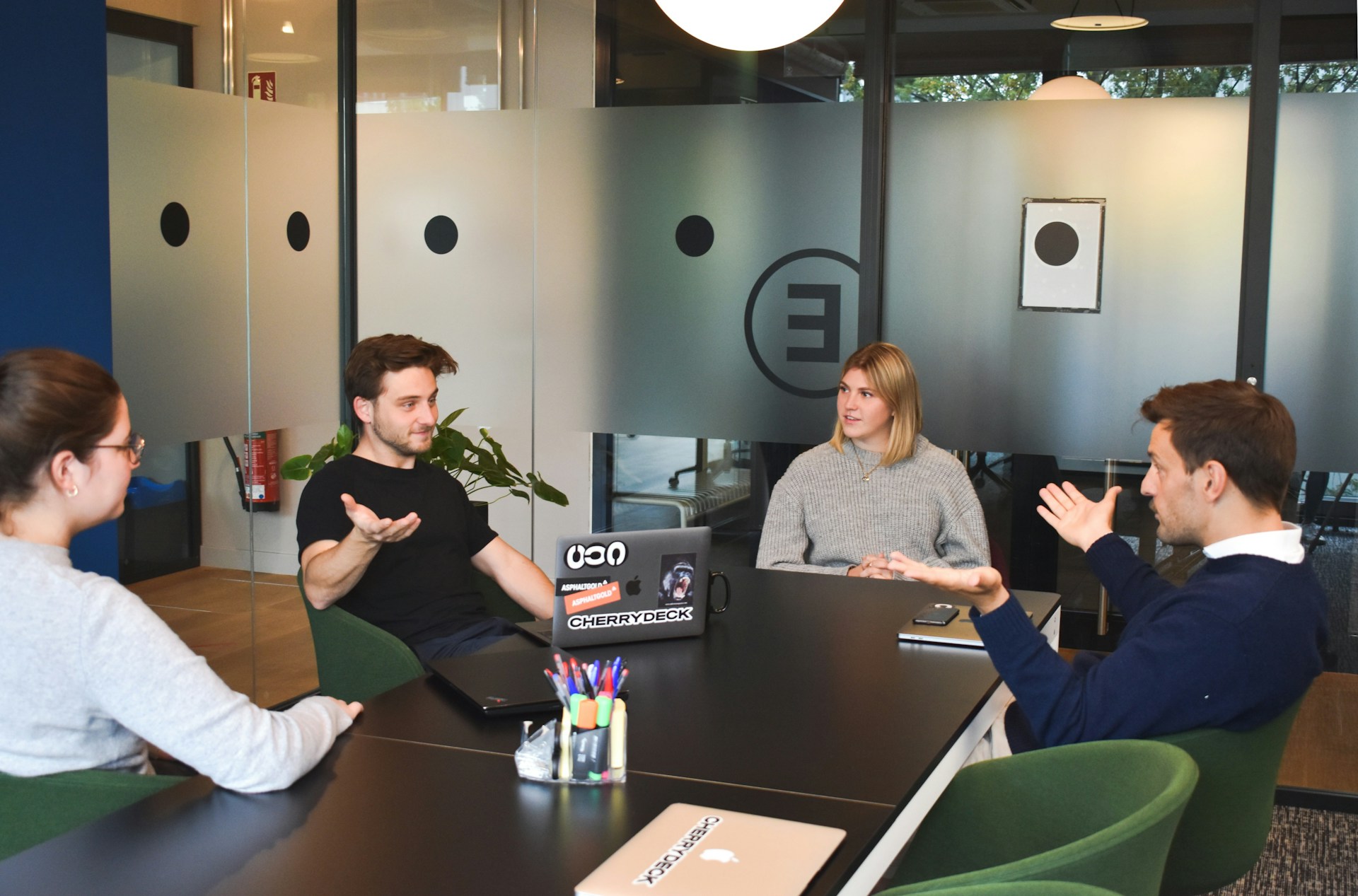
Up to six, you have the perfect size to create intimacy between people. There is time in meetings for everyone to share ideas and feedback; it is easy to get to know each other, and speaking up in front of everyone is less intimidating. It is easy to maintain a conversation that engages everyone.
This is still a small enough group to have trust and intimacy, and it brings more diversity of opinions.
It makes it harder to get to know everyone well, and smaller groups start to form. It brings more diversity and energy, but it also demands spending more time making sure everyone is up to date and still aligned on a shared vision.
There is still a sense of belonging, but a need to create subteams for deeper collaboration and greater productivity arises as the communication system becomes more complex and often much more hierarchical as well.

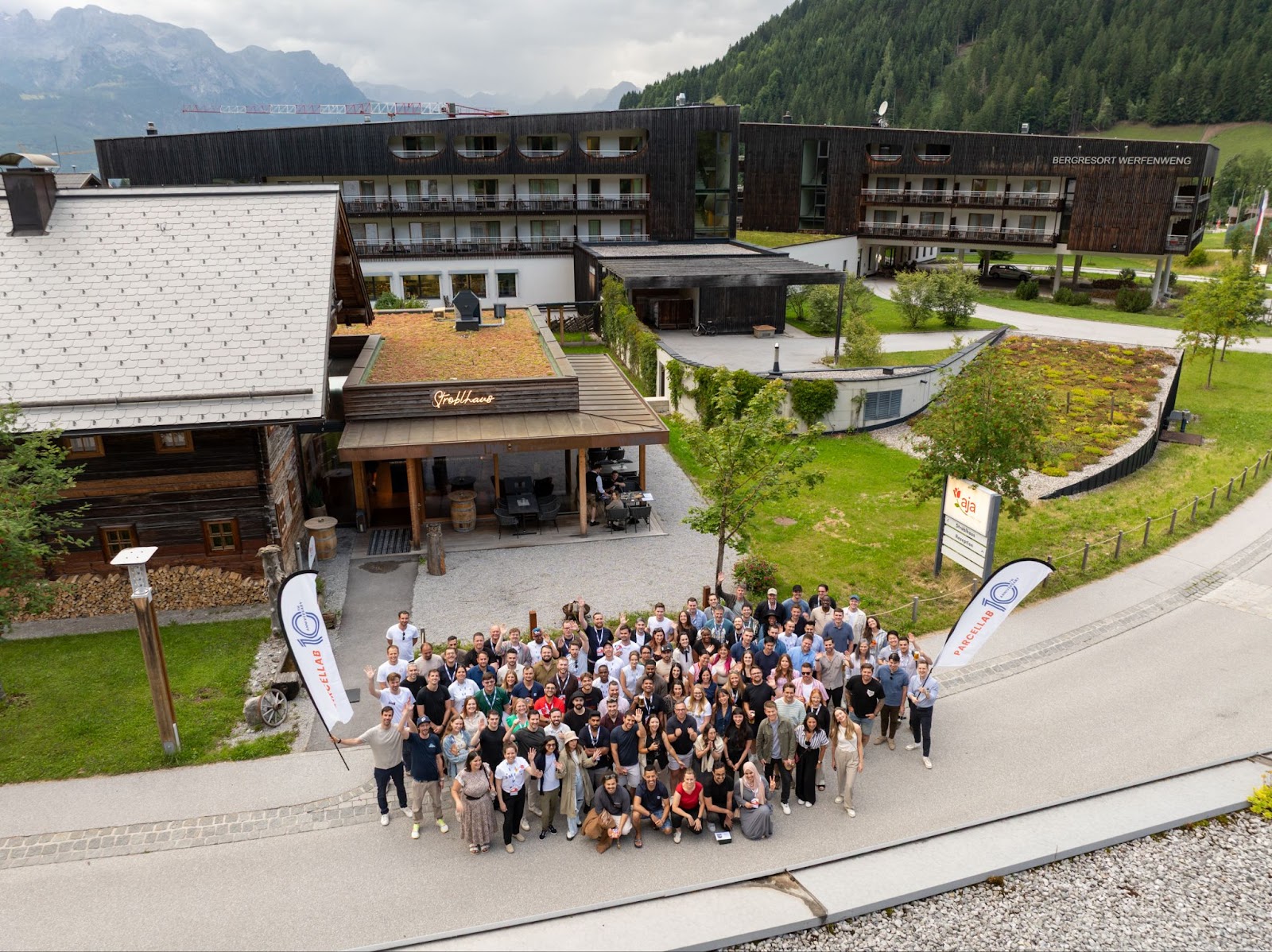
The number of people you will bring will impact the gathering and its purpose. With smaller teams (around 30 and under), you can focus on hosting tailored activities and fostering deep bonding. For medium-sized groups (30-70), you'll need sub-groups and simultaneous tracks of activities to achieve better inclusivity. Finally, for large teams (100+), you will need to focus more on logistics and work on broader engagement.
It makes sense to ask yourself: Who is the next team retreat for? The whole company? The whole department? This one team? Maybe just leadership? It is not just about budget; it's also about dynamics.
Additionally, the size of your group will determine the type of venue you book for your gathering.

For small teams, prioritize intimacy and meaningful conversation. Choose settings where everyone feels included and visible.
For large teams, structure is crucial. Divide into subgroups, ensure strong facilitation, and select activities that are scalable to accommodate everyone’s participation.
Our suggestion:
Small teams always have an amazing time at this Austrian alpine cabin venue with just 30 bedrooms. Nestled in the breathtaking Austrian Alps, this is a one-of-a-kind retreat destination where nature and innovation meet. Originally designed to embrace the beauty of the mountains, this modern venue offers a seamless blend of sustainable architecture, cozy accommodations, and panoramic views of pristine peaks and valleys.
Surrounded by nature’s best, the campus provides the perfect escape for teams to focus, connect, and recharge. The serene setting is complemented by top-notch facilities, from flexible meeting spaces to wellness areas designed to relax both body and mind. Whether brainstorming indoors or hiking nearby trails, every moment here feels like a breath of fresh alpine air.
Our suggestion:
We enjoy taking mid-size groups to this eco-conscious, relaxing getaway in Portugal. Tucked away in a lush pine forest, this venue is the ultimate spot for teams craving a mix of adventure, creativity, and relaxation. Designed with sustainability at its heart, this eco-resort offers a unique retreat experience with treehouses, glamping tents, and a focus on connecting with nature. Surrounded by stunning coastal scenery and some of Europe’s best surf spots, this venue is a haven for outdoor lovers and eco-conscious teams. Whether brainstorming in the serene yoga dome, surfing the Atlantic waves, or sharing stories by the firepit, every moment here fosters connection and inspiration.
Our suggestion:
For very large teams, we love the castle-inspired resort in Barcelona. It can accommodate up to 264 guests and has 20 meeting rooms!
Perched on a hillside overlooking the Mediterranean Sea, this venue blends history, nature, and modern comfort to create an inspiring team retreat. Originally a 16th-century watchtower, this elegant place offers a peaceful escape, making it the perfect mix of seclusion and accessibility.
Surrounded by lush gardens and coastal landscapes, the hotel features stunning sea-view meeting spaces, a rooftop pool, and Mediterranean-style courtyards ideal for unwinding after a productive day. Whether brainstorming in light-filled conference rooms, enjoying a wine-paired Catalan dinner, or taking a scenic hike in a natural park, every moment here feels effortless.
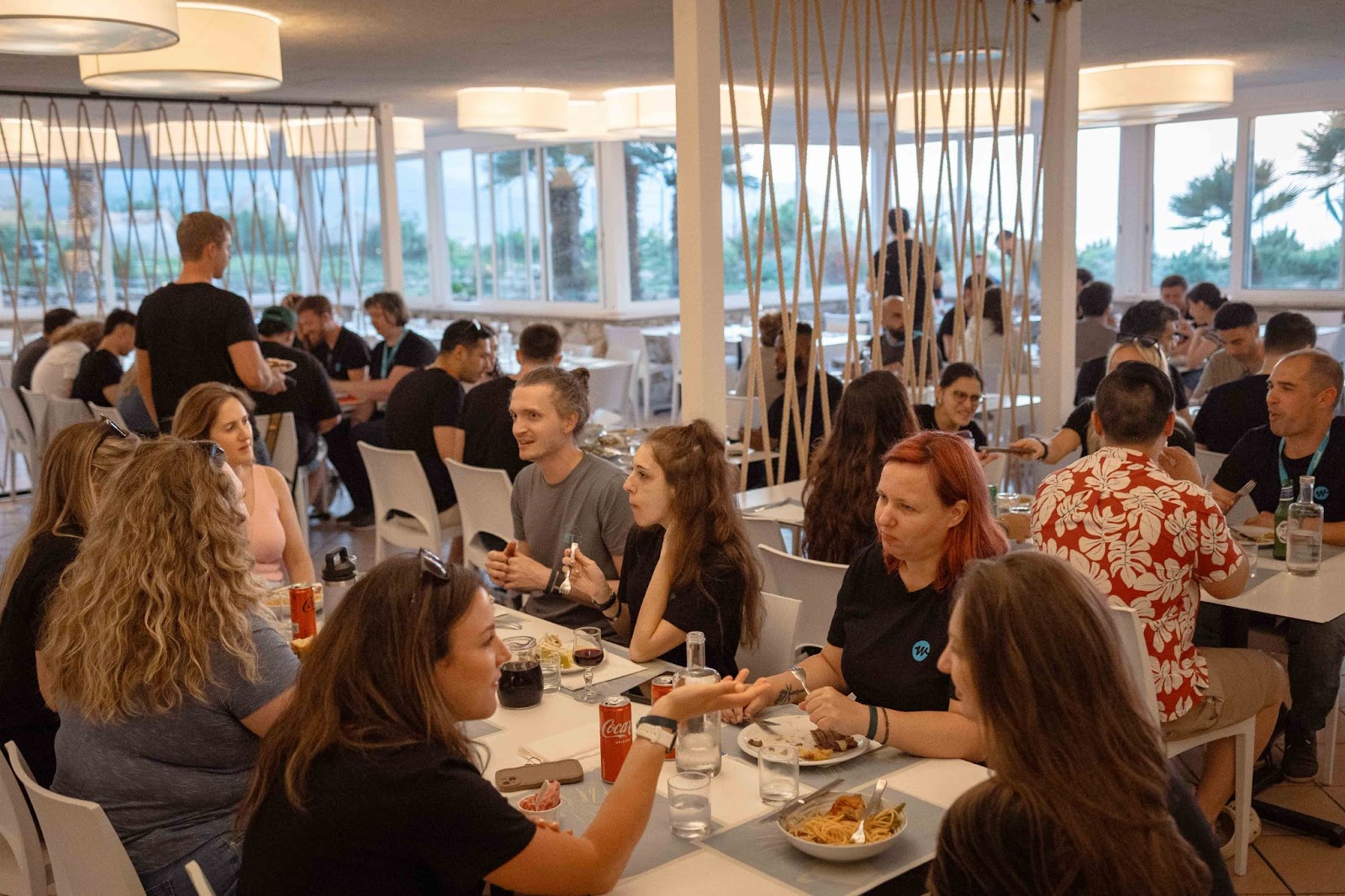
Regardless of size, you want to keep in mind some key elements:
Avoid falling into the trap of cookie-cutter events simply because you have a large team. Customizing your team retreat will create a much more meaningful experience for your team, regardless of its size. Obviously, the size will dictate how much tailoring you can bring, so keep in mind that at the end of the day, it is better to do a bit less but to do it well.
Retreats with large and very large teams should emphasize sharing company culture, aligning on big-picture goals, and encouraging cross-team networking.
Your agenda should be really thought through, including time to move the group from one location to another. Ensure that you vary the types of sessions to maintain high engagement and break into smaller groups to allow everyone's voice to be heard.
To support you in logistics and organisation, it is highly recommended to both delegate and hire professional facilitators. Communication about the program, goals, and expectations should happen early on, before the retreat, as last-minute changes will be challenging. That being said, never forget to leave space for informal connections and free time for people to rest and recharge in a high-social-interaction environment.
For smaller teams, retreats are ideal to focus on deep bonding, trust-building, and open communication. There is much more space for spontaneity and flexibility based on the group's energy and interest. It is also much easier to organise internally or with a single facilitator.
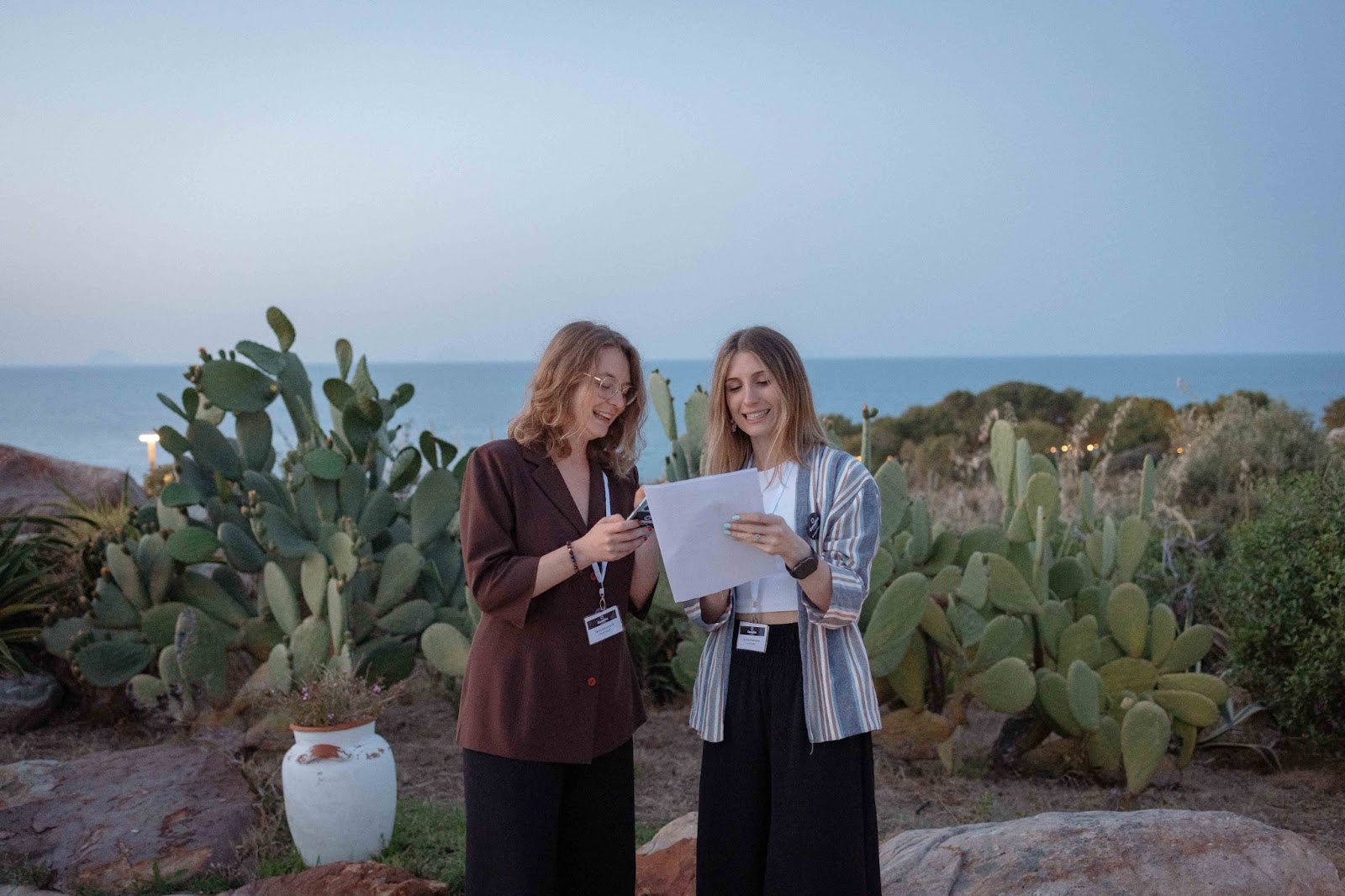
That will not depend solely on the size of your group but also on the location you have chosen, the length of your retreat, your goal, and your budget. However, overall, we like to advise:
For small teams, under 15/20 people, you can still get away without an external facilitator, even if that could be a great idea if you want to be fully present as a participant.
For teams ranging from 20 to 50+, it makes sense to have a team of 3 to 4 leaders/facilitators to manage tasks, logistics, and sessions.
For anything larger, a team of 6-10 people is never too many. That way, you can create teams within the organization team that are in charge of specific tasks, such as communication, icebreakers, transport logistics, and work sessions.
Be careful, though, as too many cooks can create just as much of a mess as not having any at all.
To conclude, size does matter, especially in the world of team efficiency, connection, and productivity, both at the office and off-site. Being prepared with the right support system, the fitting location, the relevant activities, and good communication is key.
From practical insider warnings to new secret locations, get our monthly, genuinely spam-free newsletter.
Subscribe now
%20(4).jpeg)