Home
>
Blog
>
Retreat planning
>
Planning a Company Retreat During Uncertain Times: Navigating Strikes, Protests & Disruption in Europe

When you organize a team retreat abroad, you can plan everything to perfection; one thing you have little control over is national disruption from protests or strikes.
The French are famous for their demonstrations and national rail strikes, but they are not the only ones in Europe to attempt to block the country to get what they demand. Recently, we saw the younger generation in Germany, Spain, Italy, and Portugal take to the streets as well.
These sudden events can make Europe feel like a place where travel is inherently unpredictable. And when you are the person responsible for getting 40, 80, or 150 people across the continent, it is understandable to feel slightly panicked when you see a story in the paper about a protest in the city you're heading to.
Should you cancel the trip? Move it to another country? Risk leaving your team stranded at a lovely yet remote train station?
When uncertainty strikes, it is almost never the right thing to cancel an entire offsite, and it will almost always be the most expensive option.
Instead, we strongly advise building flexibility and agility into your strategy from day one. Here's how you can protect your team, your agenda, and your budget when the unexpected happens.
The “good news” is that when demonstrations/strikes break out, they usually start in large cities (Paris, Madrid, Barcelona, etc.) and focus on creating friction in two places: transport hubs and central squares.
We say good news because you know more or less where it will be contained, which means you can plan around it.
Favoring retreats in self-contained country estates or coastal domains outside urban areas is a great way to avoid getting stuck in roadblocks with 60 people going down the metro station in central Berlin or Paris.
Once you get there, you are cut off from the disruptions and can roll out the agenda without needing to get back to the city until it is time to go home.

Ok but how do we even get to the remote location, you may ask? Indeed, you would probably still be expected to take public transport through the main cities. Unless you decide to bypass the local public transport network and take private shuttles directly from the airport.
Professional transfer companies make it their job to monitor road closures and the impact of protests in real time. They will know which roads to use and adjust timing if needed.
In addition, you can add a 90-minute buffer to your arrival-day plan before any mandatory session to make sure everyone has enough time to get there, even if things are slightly delayed on the way.
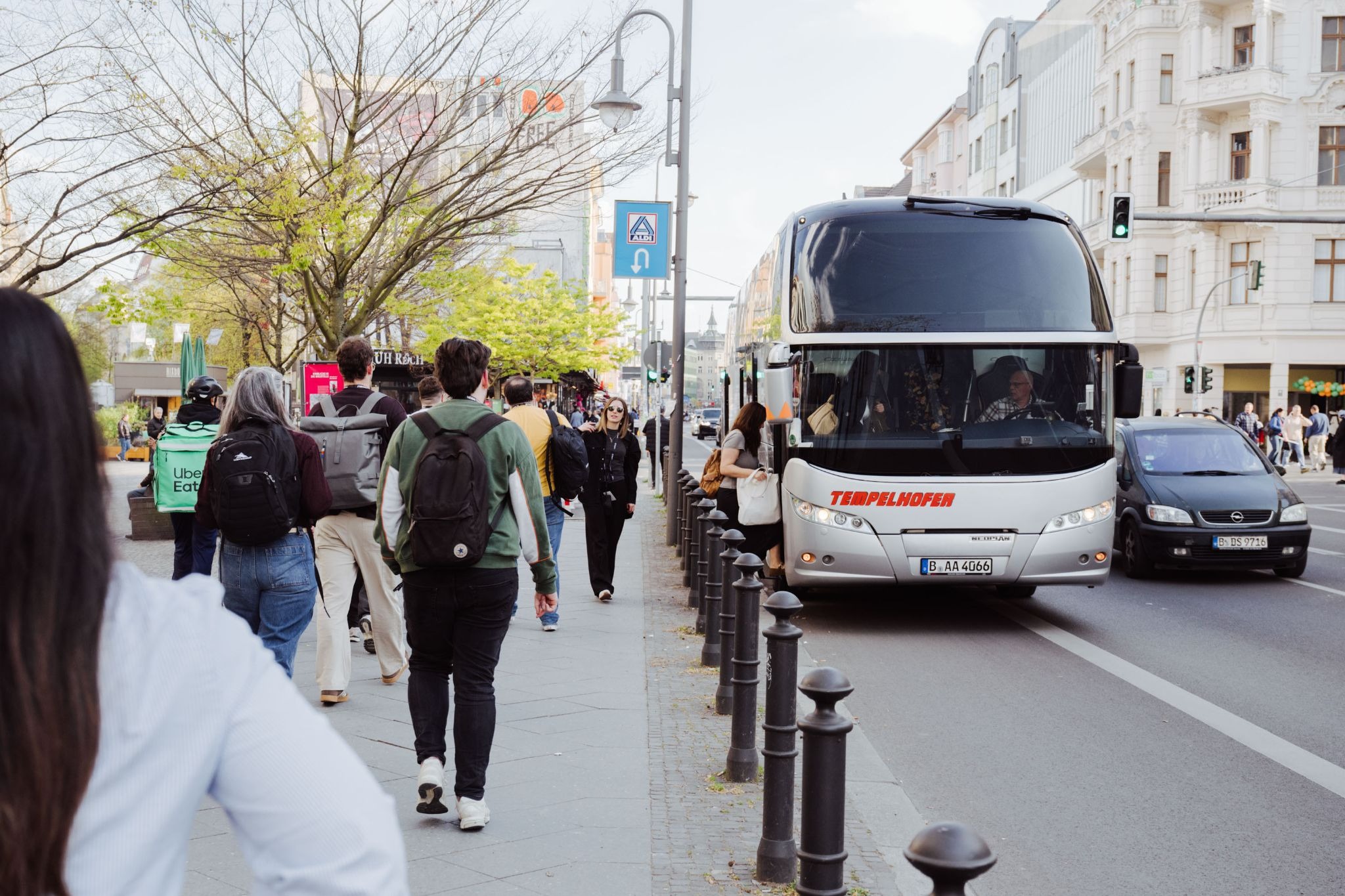
The standard hotel and airline contract will contain a Force Majeure clause which is intended to cover unforeseeable disasters. Unfortunately, regional protests and scheduled strikes don't usually constitute a Force Majeure event unless the airport itself is officially closed by the Government.
Panic-canceling 10 days before because of what you read in the news, however, will most likely mean you lose the totality of your deposit. So what to do?
Before you sign any contract, make sure to negotiate a clause that allows you to move your room block credit to a future date (within 6-9 months) if there is a severe disruption to transit that means more than 25% of your attendees are unable to get to the destination. The hotel will most likely prefer to keep your revenue on their books for a later date than to go down the route of a legal dispute.
When the external world is unpredictable, a tight minute-by-minute schedule is the first thing to fall apart, that and your nervous system.
If half your leadership team are three hours late as a result of air traffic control strikes, your Day 1 schedule is effectively dead. As mentioned earlier, keep Day 1 light and schedule your most important sessions for the end of the day or, if necessary, for the second day. Make arrival day a mingle-and-relax time with optional activities.
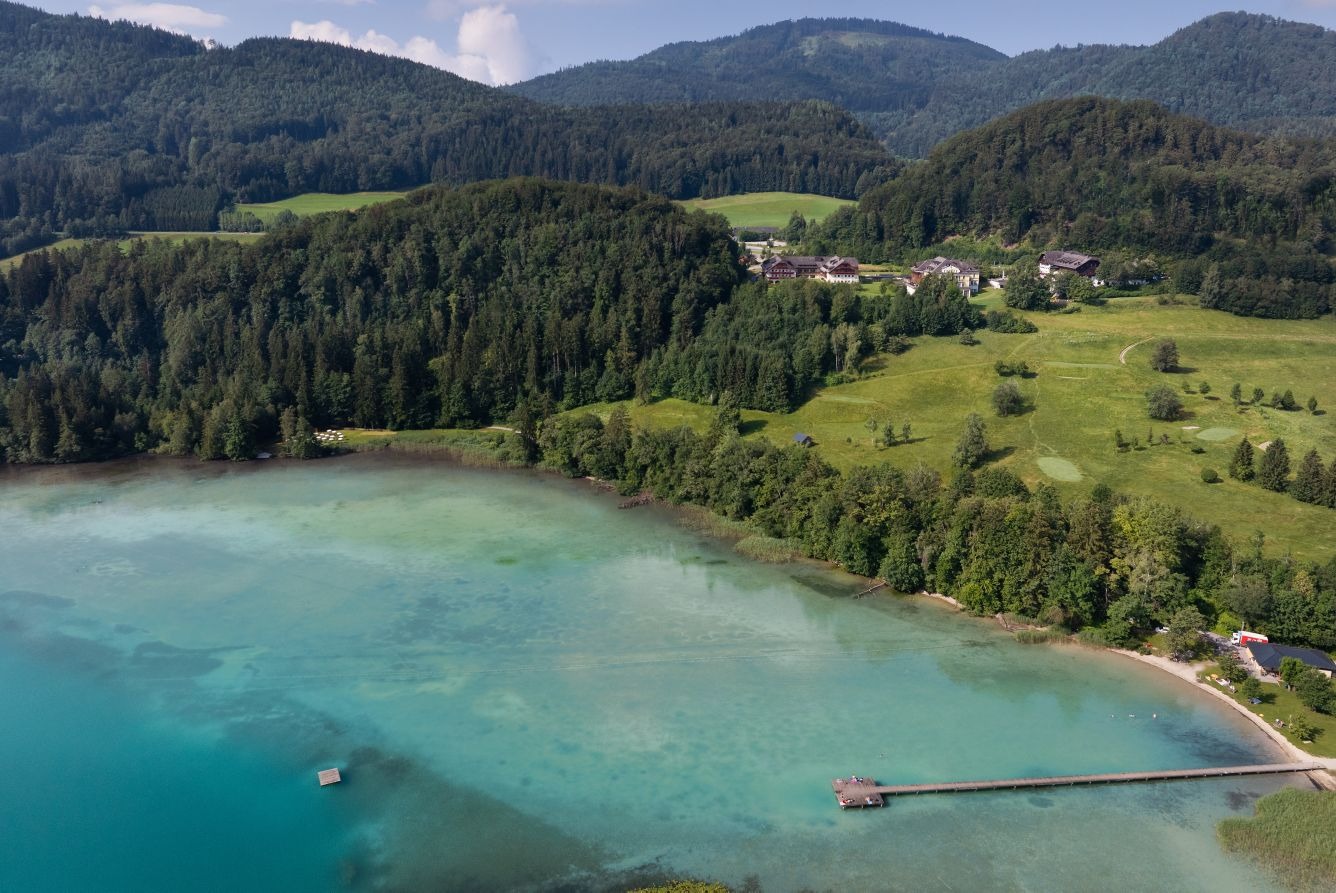
Not knowing builds anxiety. Don’t go silent on your team when news broadcasts clips of unrest in your destination. Make sure to clearly reassure everyone and update them regularly on the trip plan.
Remind everyone of arrival instructions and meeting points; if needed, specify areas to avoid based on government safety advisories, and share an emergency contact for the on-site lead or facilitator for travelers who might get lost or stranded.
Distributed teams need face-to-face connection more than ever (even more so in uncertain times). The way to deal with that is to choose a self-contained venue, lock in private ground transfers, and have all contract terms in place from the outset, so the unpredictable nature of the external world becomes a few minor logistical speed bumps rather than plans being completely canceled.
Navigating the local strike calendars, knowing the regional venues, and having the local knowledge to negotiate very flexible hotel contracts takes local expertise. At Campfire, our local producers are managing all the logistics and will step in immediately if the travel plans need to change.
👉 Talk to a Campfire Expert Today to plan a resilient, stress-free team retreat.
From practical insider warnings to new secret locations, get our monthly, genuinely spam-free newsletter.
Subscribe now

You Can’t Out-Scale a Broken Foundation: Inside Ethical Growth with Neda Sahebelm
Read more

How to Turn Your Company Retreat into a Year of Marketing and Internal Comms
Read more


