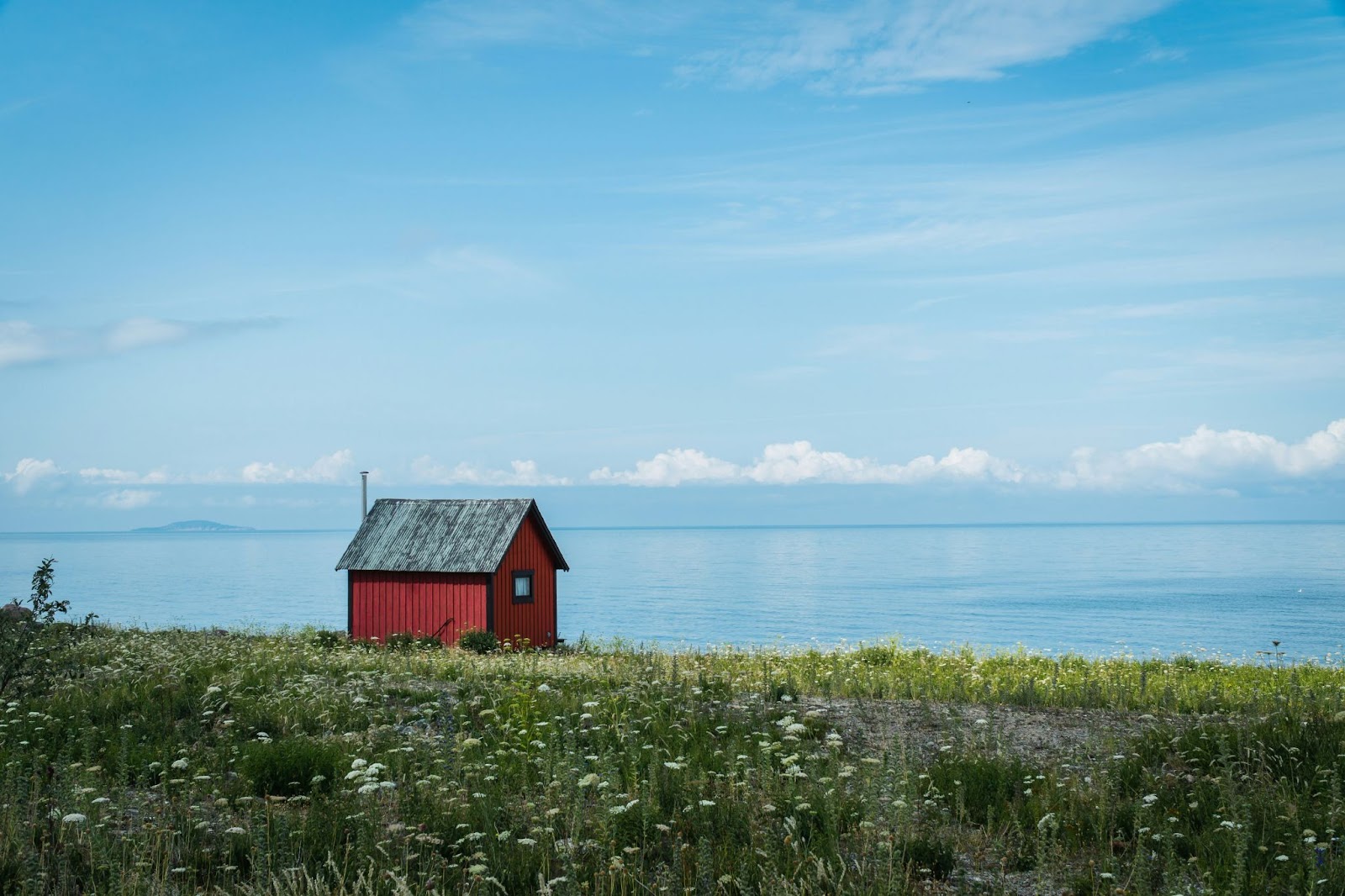
Sweden is a place that often remains mysterious. Yes, the northern country does evoke images of icy lakes and saunas, midnight suns and flower crowns, smelly fish and peaceful people. But it might not be the first destination that comes to mind when planning a team retreat. However, once you start digging deeper, you might quickly realize it is quite an ideal place for teams looking for nature, connections, outdoor bonding activities, and sustainable values. Let's do it like the Swedes after a sauna and dive in!
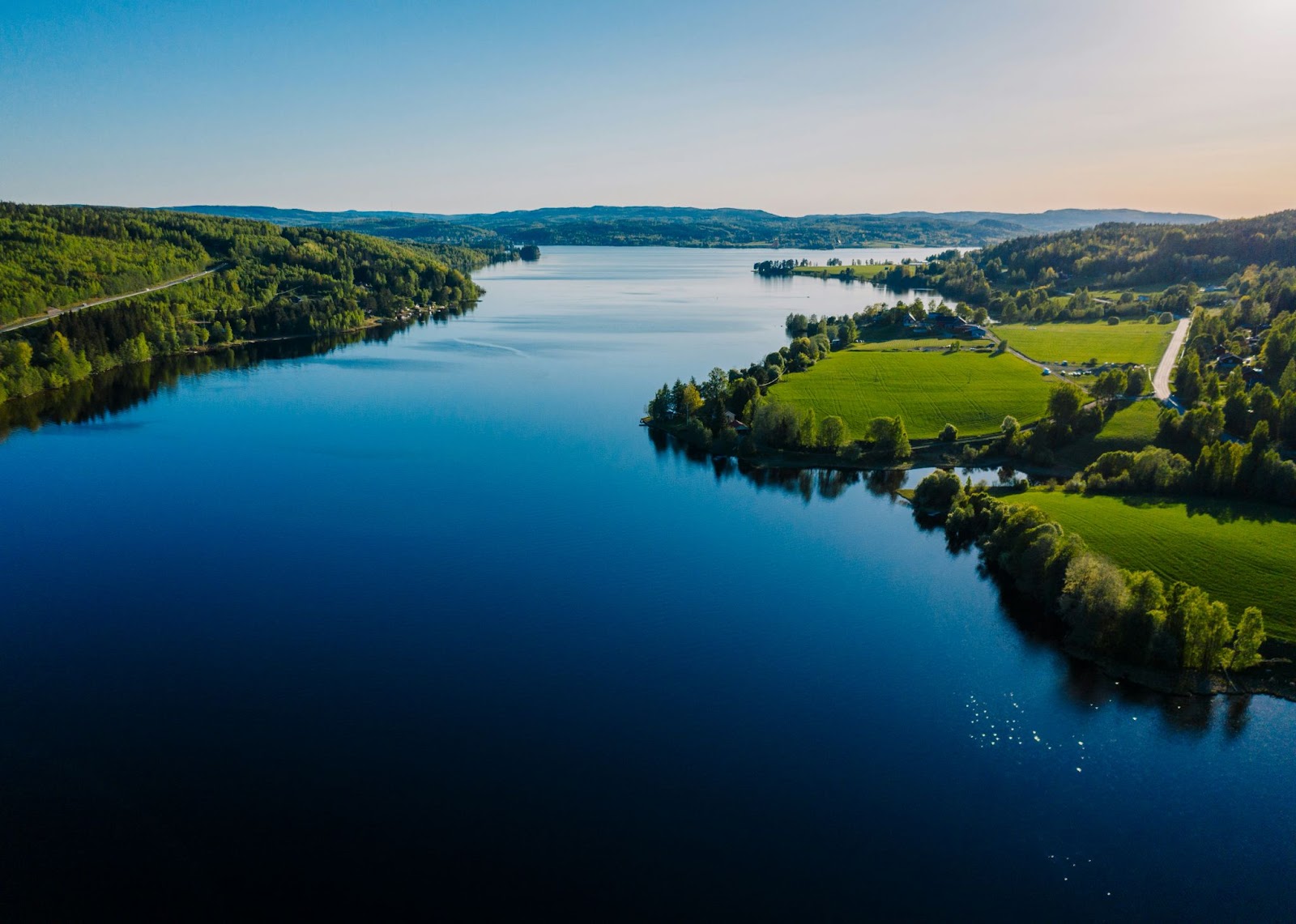
Sweden is the fifth-largest country in Europe, but it only has 10.5 million inhabitants (for comparison, the city of London has more than 8 million people). To put it another way, there is a lot of space in Sweden, and most of it is occupied by a remarkably varied natural landscape. Approximately 69% of the country is covered by forests, and the land is home to 95700 lakes. Sweden is also known for having the most islands in the world (more than 260,000!).
From mountains and hills in the north and center to fertile plains in the south, nature spreads out everywhere, all the way to urban centers.
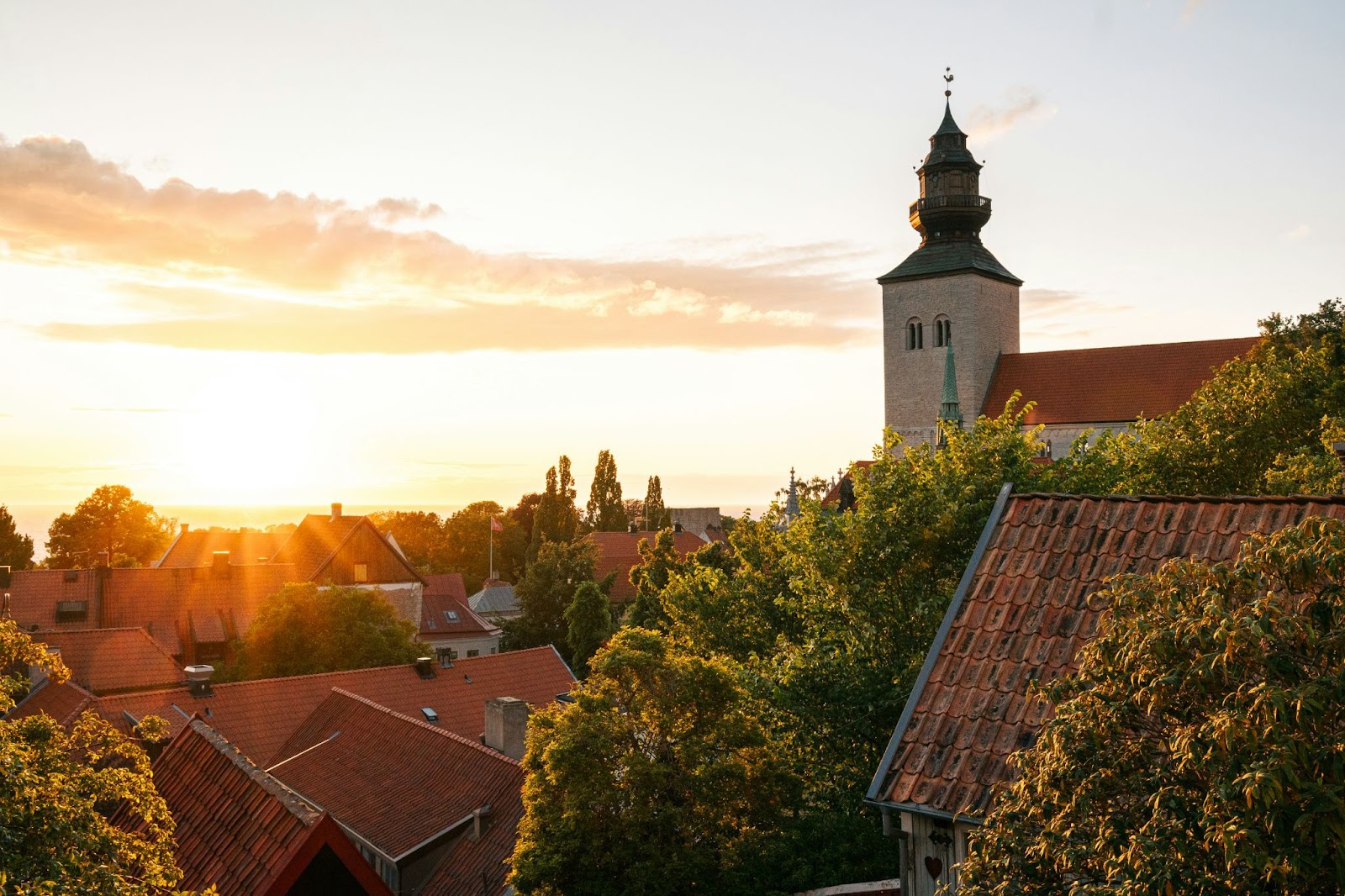
Stockholm, the capital, and many other cities are often surrounded by lakes, forests, or the sea, making outdoor experiences accessible to all. It is common for Swedes to regularly go out in nature for recreation and relaxation after work or on weekends, without needing to travel far. In addition, the concept of Allemansrätten, the Right of Public Access, guaranteeing everyone the freedom to roam freely in natural areas, reinforces this deep connection.
Swedes and nature have a deep relationship that is culturally embedded. Nature. They do not see nature as simply recreational but also as essential to their wellbeing, and as part of their identity and responsibility to preserve and pass on to the next generation.

In Sweden, you not only find beautiful nature, but you also experience deep respect for it, the earth, and its resources.
This is something that has been an integral part of Swedish culture for a long time. Sweden was the first to pass an environmental protection act in 1972. It has made reducing carbon emissions and promoting renewable energy a priority. It is recognized as one of the most sustainable countries in the world, aiming to be fossil-free by 2045, for example.
Cities in Sweden are designed with sustainability in mind, featuring green buses, bike lanes, pedestrian-friendly spaces, and energy-efficient buildings.
Culturally, "lagom" is a word and expression meaning "just the right amount," and it is very representative of the mindful approach Swedish people have to consumption and nature.
In addition, environmental education starts from preschool, fostering a lifelong connection and responsibility toward nature.
Swedish culture's profound respect for nature and sustainability is reflected in policies, social norms, and individual behaviors, making sustainability integral to both public and private life.
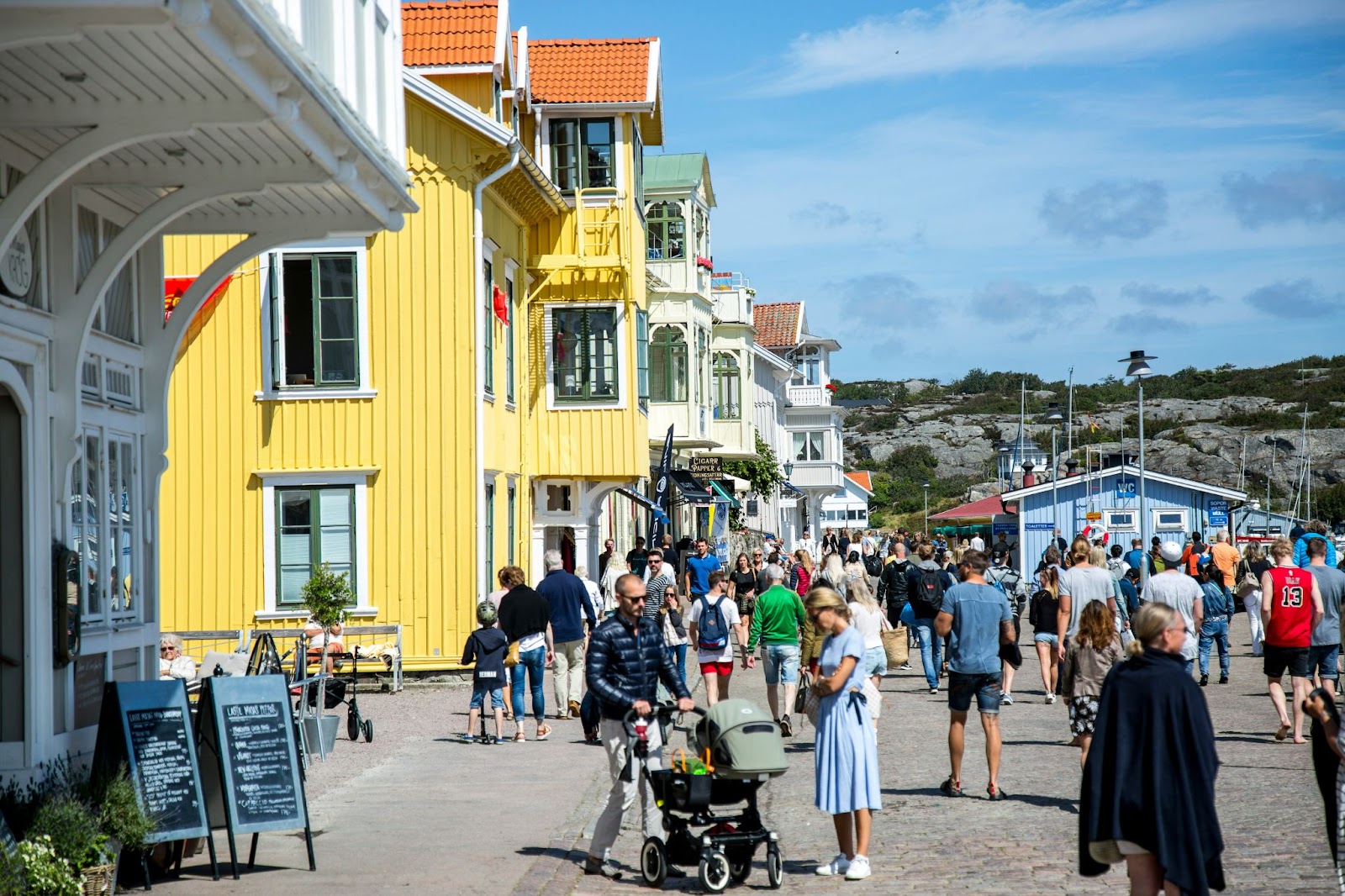
Sweden is a highly developed country with an excellent infrastructure, a health care system, and 96% of the population connected to the internet. It has a strong startup scene and is known for its entrepreneurial ecosystem, as well as its very equal work ethic in terms of gender and childcare. Its people are taught to be self-reliant from an early age (Swedes are among the youngest to leave their parents' home in Europe).
Despite these modern and independent traits, Swedish culture remains deeply attached to its traditions, whether they are as ancient as the Vikings or as recent as the 1960s, when the first Donald Duck cartoon (Kalle Anka) was shown at 3 pm on Christmas and has been watched every Christmas day as a tradition ever since.
Moments of togetherness, calm, and nostalgia like these can be found in other yearly celebrations such as Midsommar at the end of June with their frog dance around the pole, Lucia at the start of December when every office welcomes a candle carrying choir, and many others, each with its ritual and dedicated pastry.
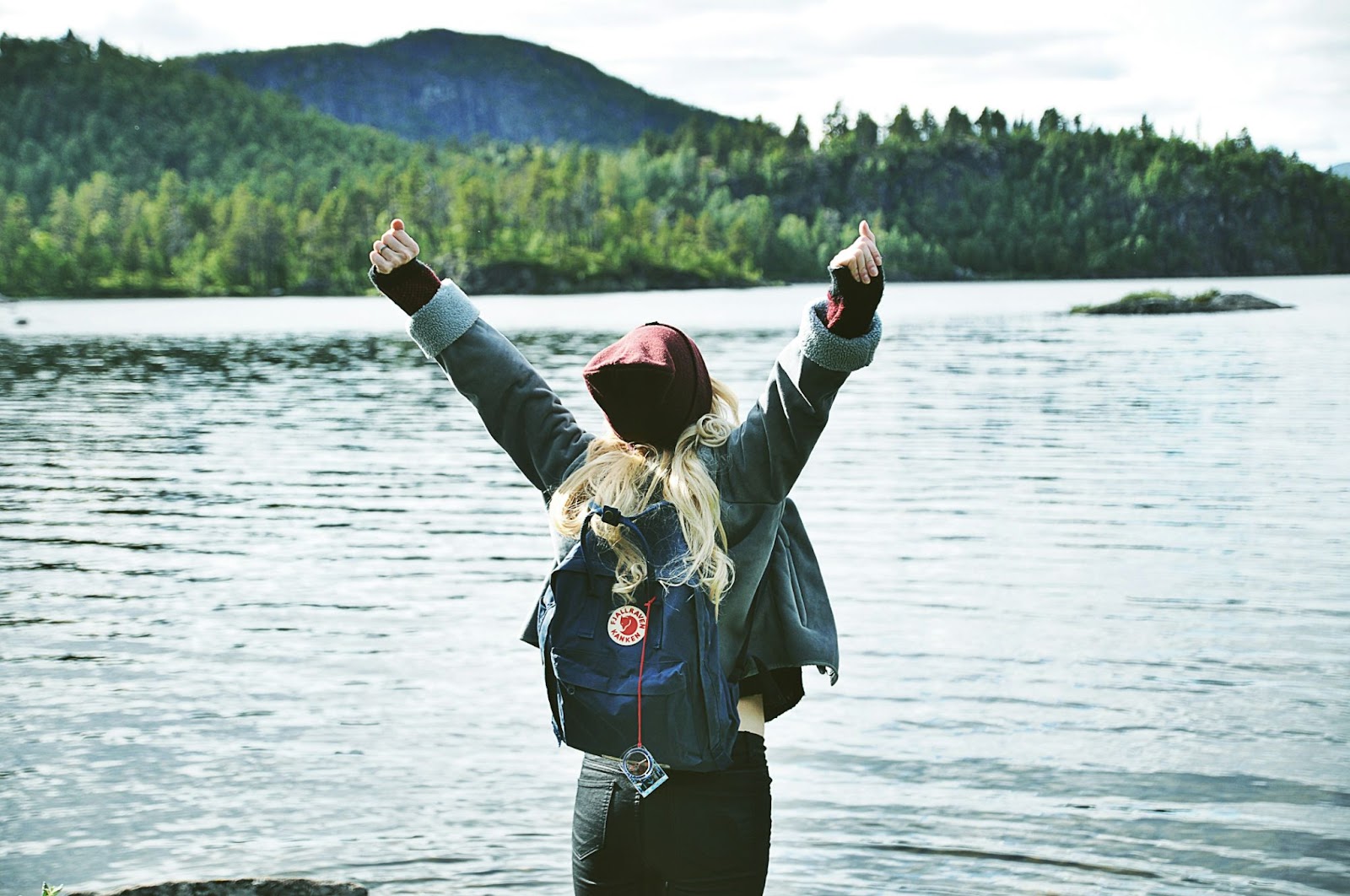
Perhaps it is the long winters and the lack of sunlight, but Sweden has a strong culture of self-care and wellbeing. This is primarily due to the strong safety nets in healthcare and social security, as well as a strong sense of autonomy and self-reliance. This can be seen through:

You will have understood by now that Sweden is the ideal destination for immersive nature retreats that bond a team through fun physical exercise in breathtaking landscapes.
And if you choose to visit Sweden during the winter and/or go high up north, you can also discover the joys of sled dog driving, extended country skiing, ice fishing, or ice skating.
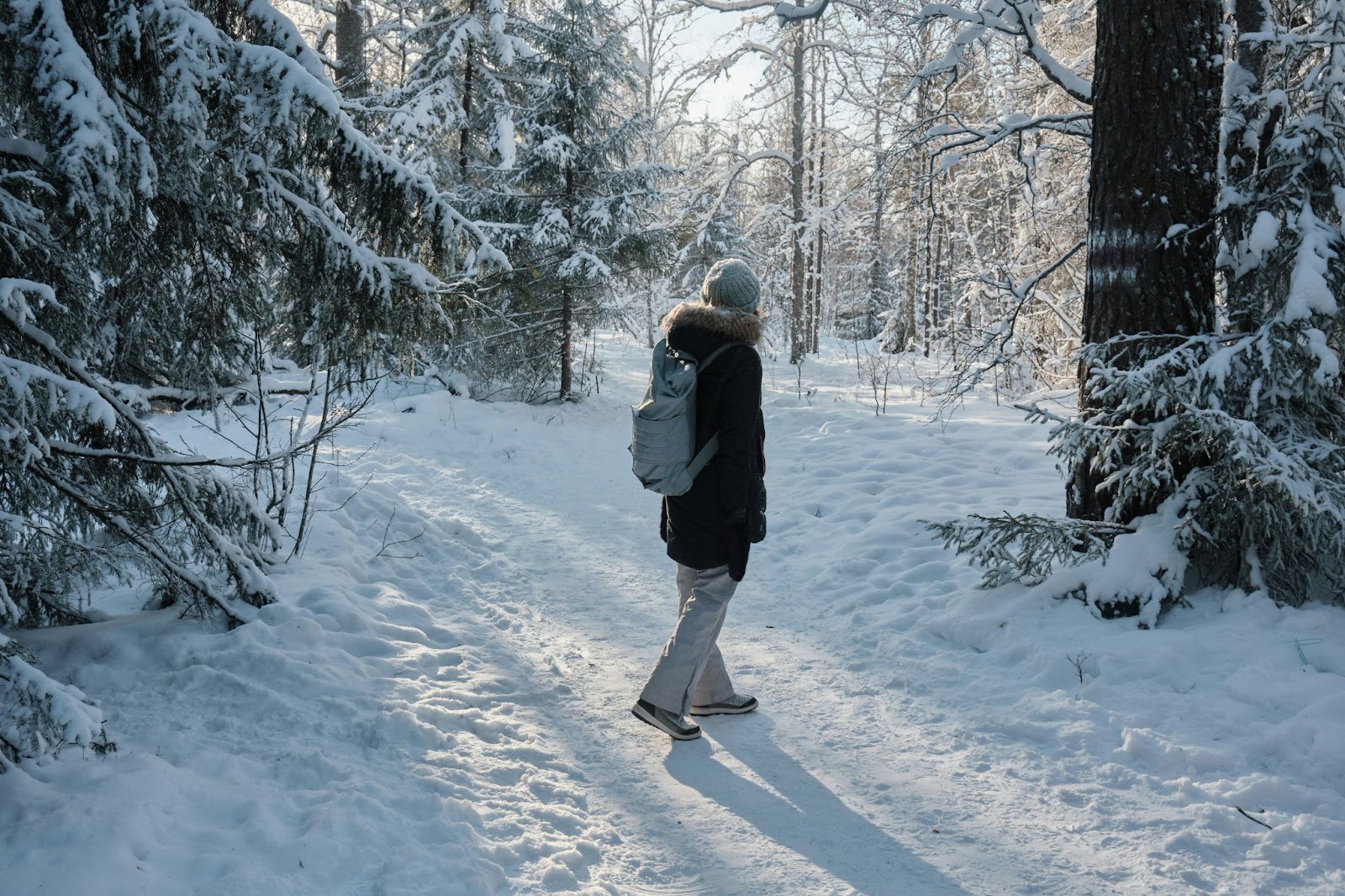
However, Sweden is not just for the fittest and most outdoorsy among us. As we saw above, Swedes love a good self-care and relaxation time.

Such a vast country, so many places to choose from.

The southern part of the country is renowned for its historical sites, vast canola fields, stunning coastlines, and forward-thinking cities, including Malmö and Gothenburg, both offering outdoor adventures and world-renowned cuisine, skillfully blending tradition and modernity.
The south is also easily accessible by flying to Copenhagen, which connects to Sweden via the Øresund Bridge.
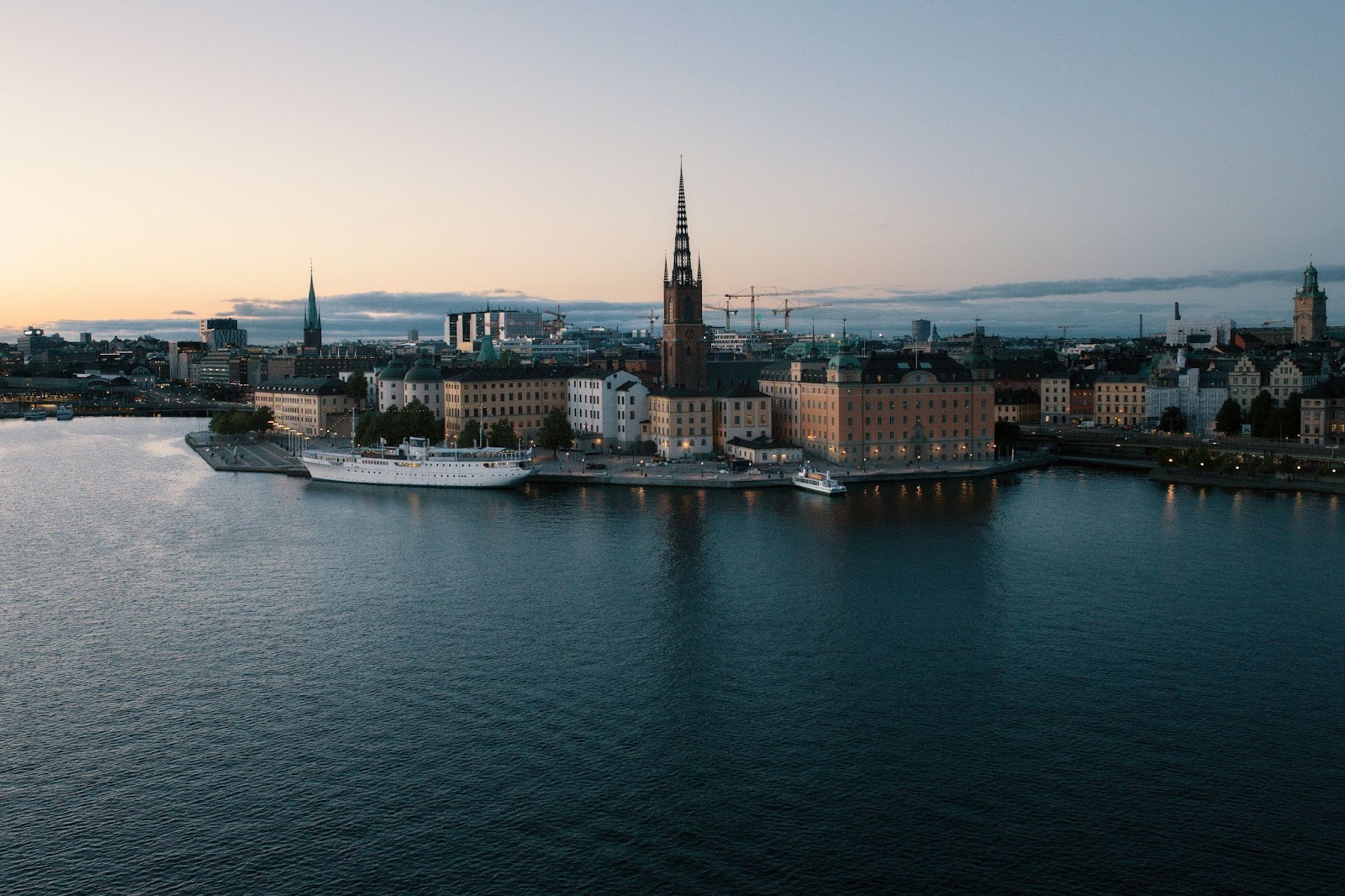
From the capital in the east to the forests of the west, there is so much to see!
Suppose you wish to stay in Stockholm and enjoy urban adventures. In that case, you can still get all the benefits of a nature retreat, as it is never further than a short walk or boat ride away.
If you want to explore more wildlife and traditions, the regions of Dalarna or Värmland are the places to go.

A bit more of a trip, but what an experience!
Regardless of the season, Northern Sweden offers unique natural experiences, from the midnight sun in the summer to the Northern Lights in the winter, breathtaking hikes, and encounters with the Sami people and their beautiful traditions.
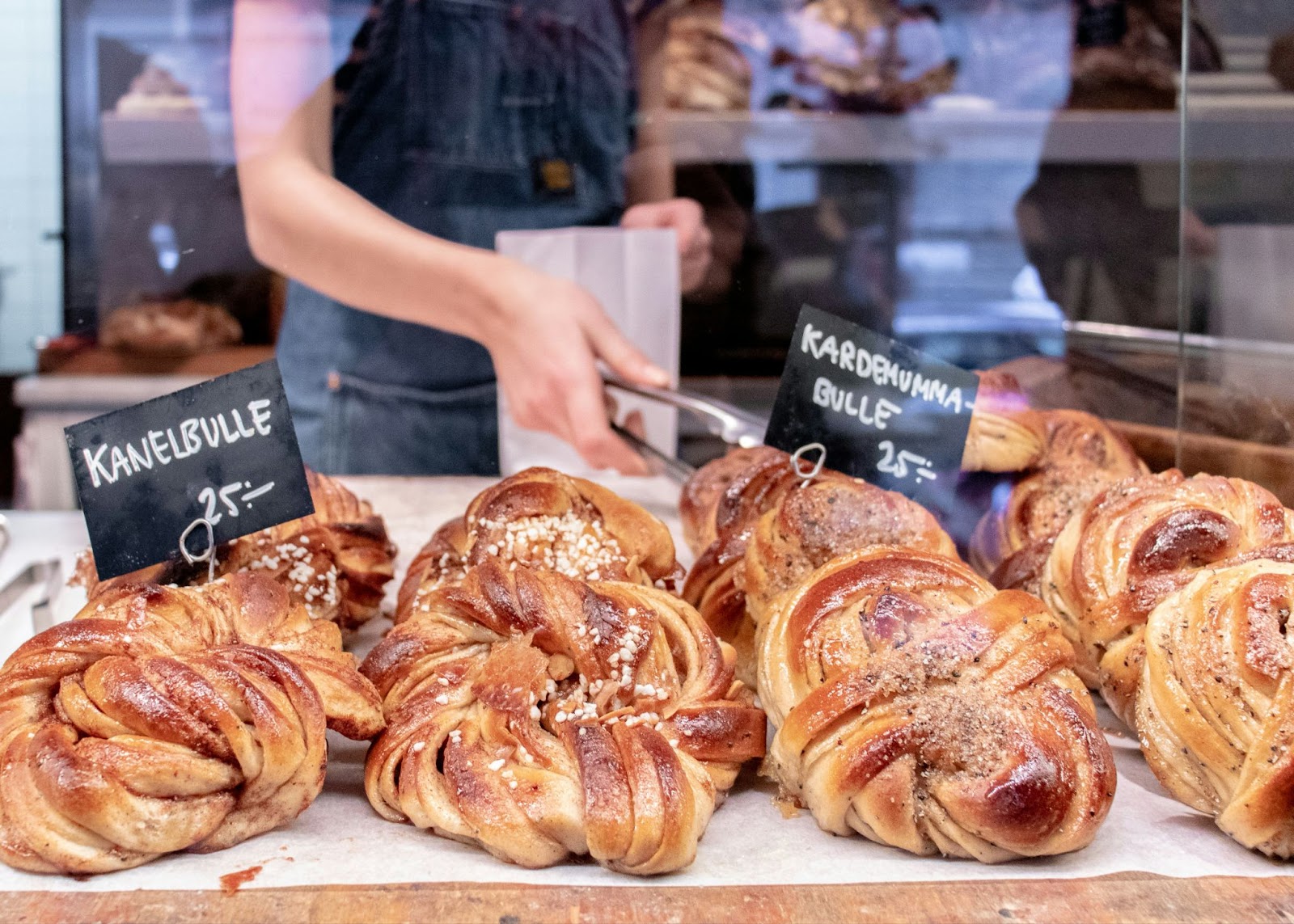
We love Swedish retreats because the country is accessible, the culture is inclusive and very safe, and the nature is everywhere!
The country has an excellent transport infrastructure, and everyone speaks good English, making it accustomed to international visitors.
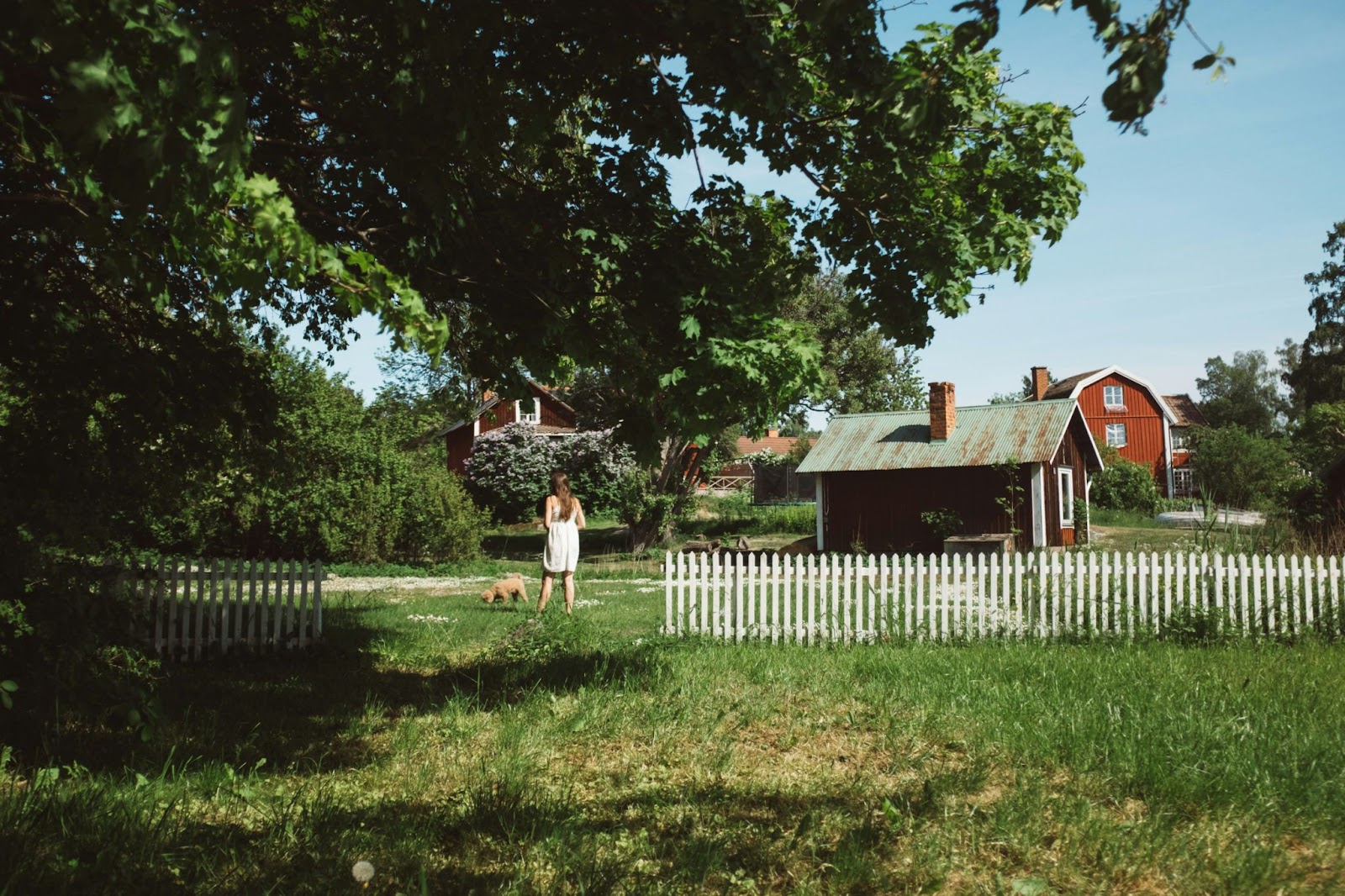
Sweden has four distinct seasons, ranging from mild to more intense as you move north. Depending on your budget, goal, and the type of activities you want to do with your team, Sweden can be a perfect destination all year round.

A few things to keep in mind if it is your first time in Sweden:
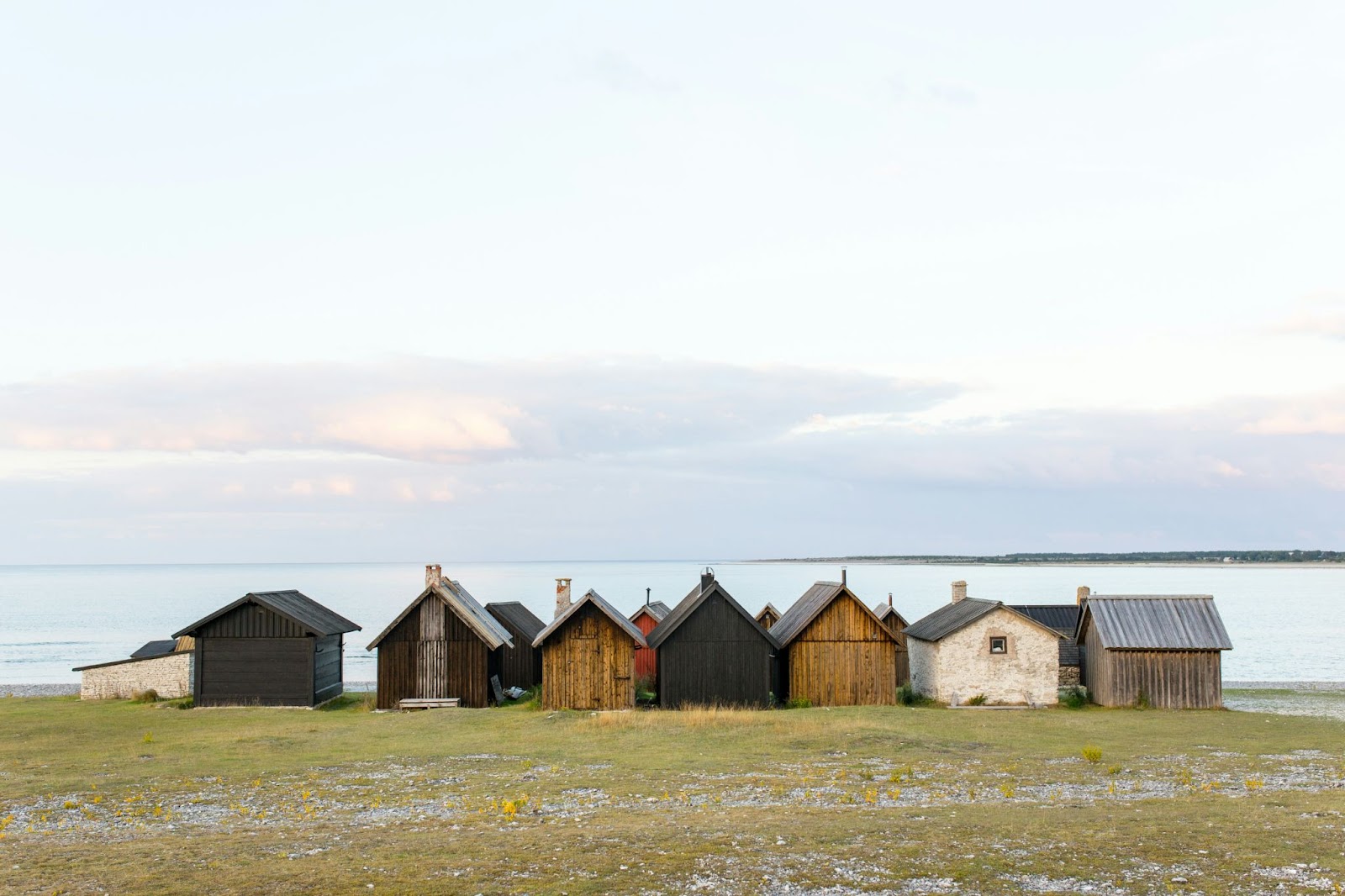
It was not easy but we decided to only pick two for this piece so here they are:
This venue is a 14th-century lakeside estate transformed into an elegant & cozy retreat, where teams can step away from the noise and dive into deep thinking. Surrounded by forests, still water, and storybook gardens, the castle blends old-world charm with modern comforts. Think chandeliers, fireplaces, and meeting rooms with turret views.
This place isn't about forced agendas. It's about slow mornings, lakeside saunas, creative sessions in gilded halls, and wine-fueled conversations by the fire. Whether you're hosting a leadership offsite or a wellness reset, this venue creates space for authentic connection.
Tucked away on an island, this venue is a 1970s-inspired, beach-club-meets-boutique-hotel where your team can meet, recharge, and have a little fun while they're at it. Think vinyl records, sea views, indoor-outdoor pools, fire pits, and forest trails, all wrapped in chill, Scandi-cool vibes. Meetings take place in sunlit rooms with stunning views of the water. Breaks mean plunge pools, paddleboarding, and vintage arcade games. The atmosphere? Relaxed but elevated. Perfect for teams who need headspace, not spreadsheets. Why does it work? Because creativity flows better when you're in a robe, post-sauna, holding a matcha latte. From lakeside saunas and guided cold dips to curated DJ sets and forest walks, this venue turns work trips into full-on experiences.
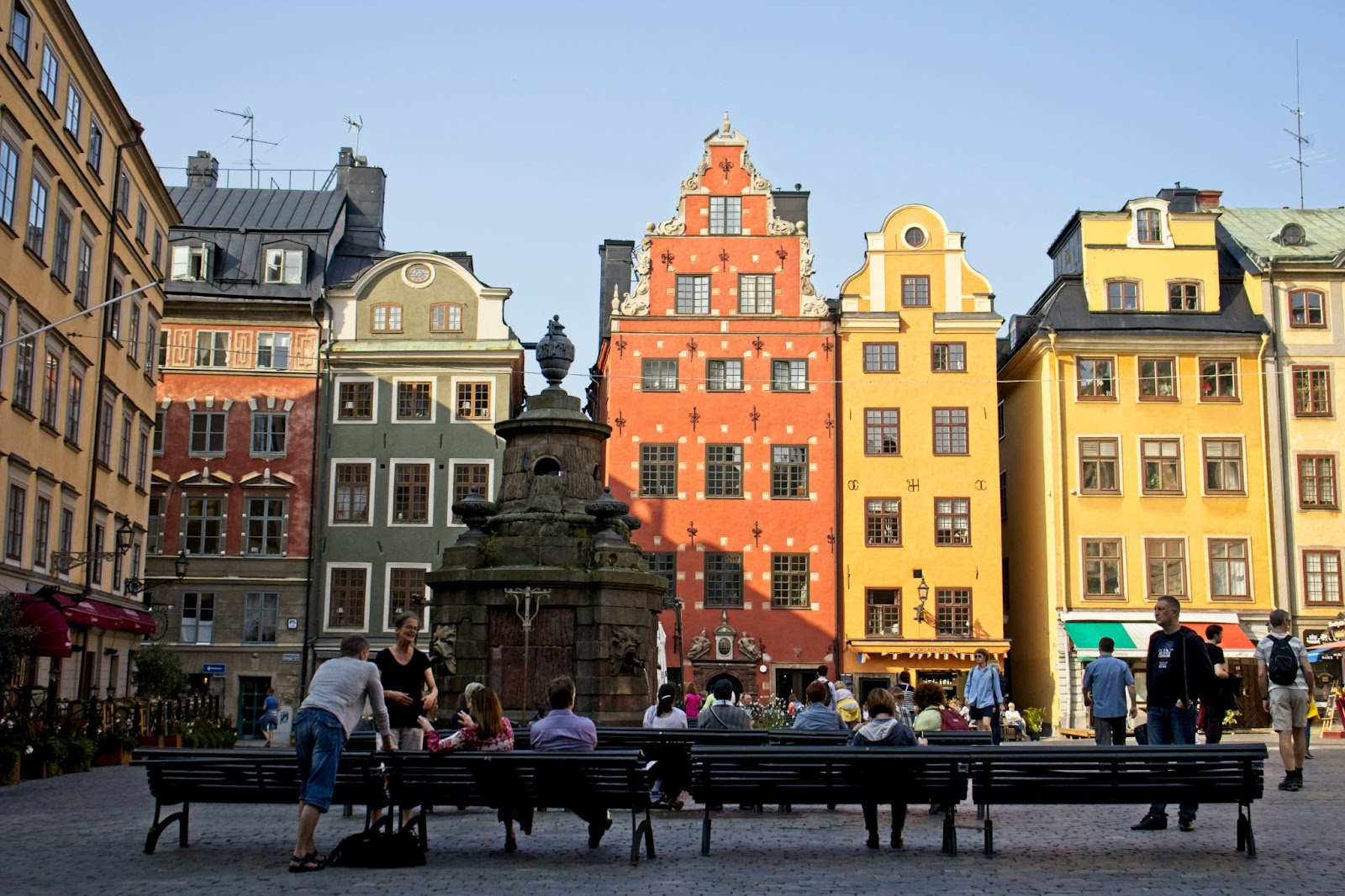
Don't let stereotypes of a cold and dark Sweden make you and your team miss out on a beautiful country that puts wellbeing and a deep respect for, and connection to nature at the forefront of their culture and lifestyle, preserving unbeaten paths and practicing ancestral tradition all the while building a strong and future-focused society.
So, when are we going?
From practical insider warnings to new secret locations, get our monthly, genuinely spam-free newsletter.
Subscribe now
%20(4).jpeg)