
Over the last few years, we have been bombarded with conflicting online arguments about remote and hybrid work, as well as the so-called “back-to-office” calls from major companies. But what is really happening? In this deep dive, we reviewed the data, read numerous reports, and dug out pretty graphs to address the questions below. What emerges is that the workforce has undergone drastic changes over the last 10 years, driven by the necessary adaptations brought about by the pandemic.
Before we start digging deeper, we need to thoroughly understand what we are looking for and ensure we are all on the same page regarding vocabulary. First things first, it is essential to know the various types of workforce arrangement models available. There are probably more emerging, but we have identified six main ones.
There are many different flavors of office flexibility, and some companies might choose to mix and match as well as test some of these options. Of course, not all companies and not all jobs are remote or even hybrid-friendly.
Depending on the type of work, it is obviously easier for some industries to be pro-remote and hybrid set-ups. Knowledge and Tech sectors have the highest remote work adoption, followed by the financial and insurance services sector.
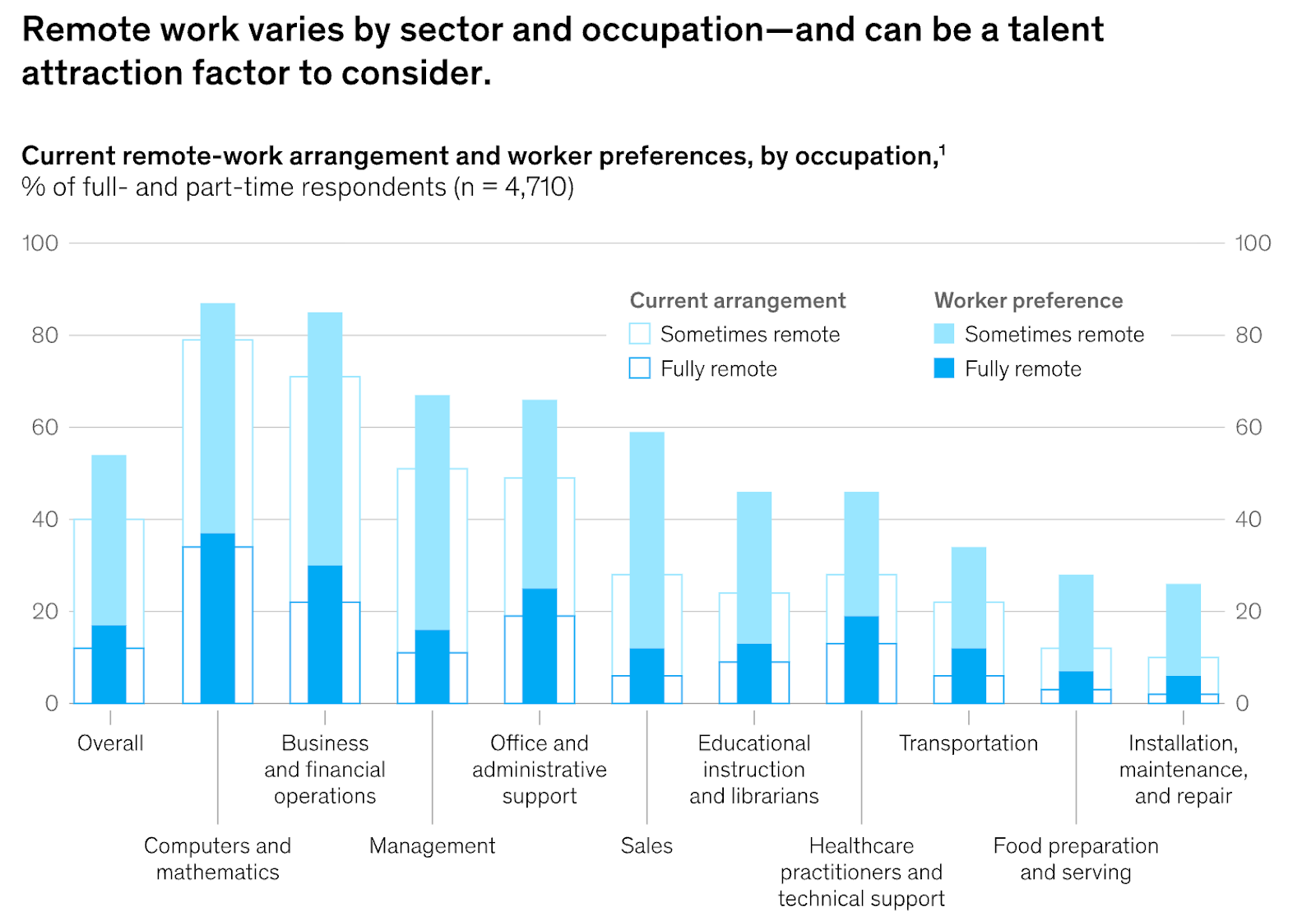
The “Let’s get Flexible” McKinsey insights from June 2025 observe the current remote work arrangement by occupation.
We note that computer, business, and finance, as well as administrative and management positions, are the most common to be either full or partly remote.
Similarly, in January 2025, Forbes shared an updated list of the top industries recruiting for remote positions based on a report by FlexJob’s, a platform for remote and flexible jobs created in 2007.
On top of the podium was Computer and IT. This sector dominates remote work opportunities, with approximately 23% of jobs advertised as remote across Europe, encompassing roles such as software development, cybersecurity, data analysis, and technical support, according to a study examining remote and hybrid job opportunities posted on online platforms between 2019 and 2023.
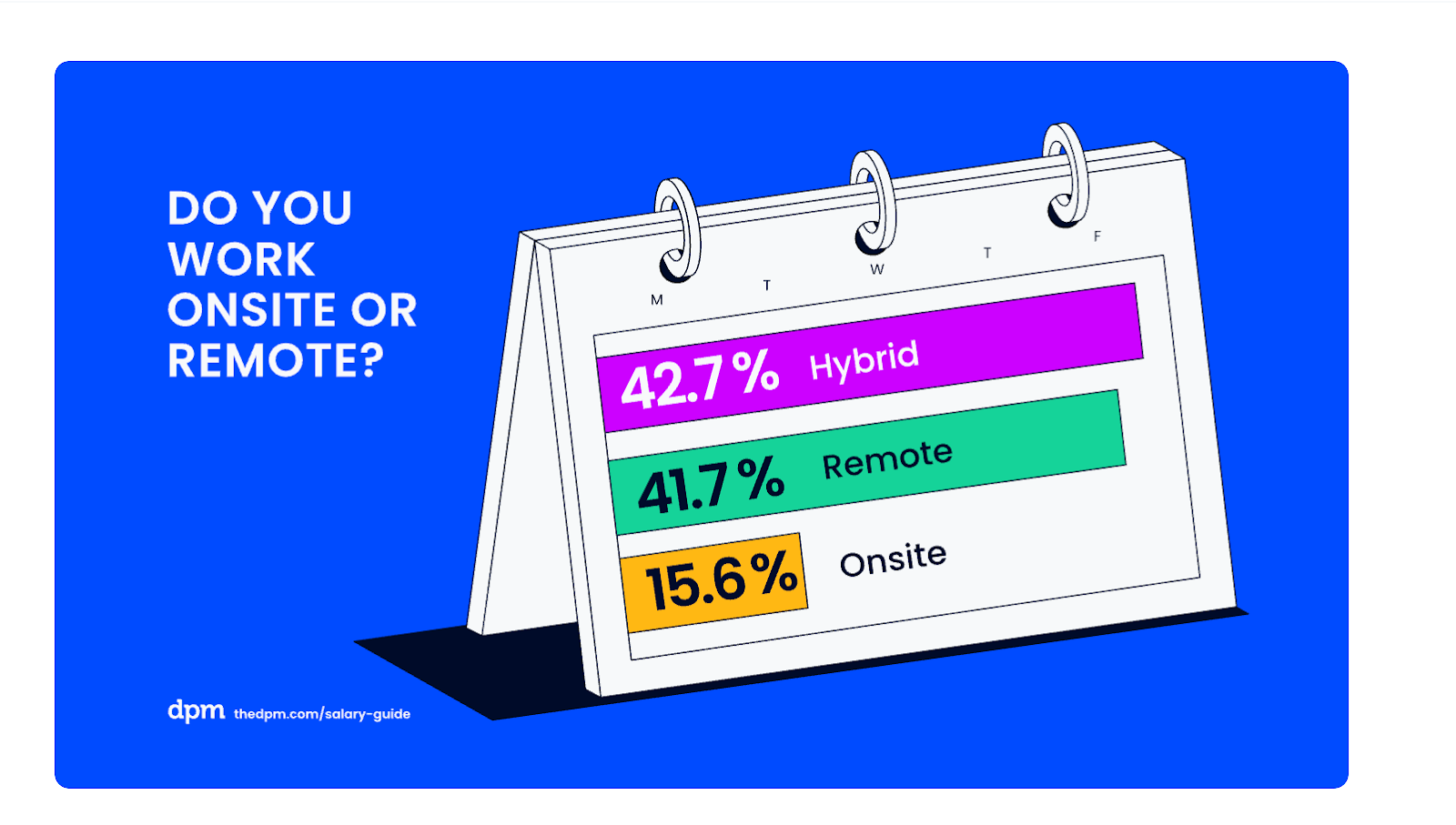
Next was Project management. A 2025 worldwide survey by DMP shows that the vast majority of project management roles are either hybrid or fully remote.
Business development, operations, accounting, and finance followed in the top 5.
Another source, the international human resource consulting firm Robert Half’s labor market overview, shares a similar top 7. While showing a slightly different order, the same industries make it to the top: Marketing, tech, human resources, finance, legal, admin and healthcare.

However, it is essential to note that even within an industry, the adoption of remote/hybrid work can vary significantly and remains dependent on the vision of HR and leadership.
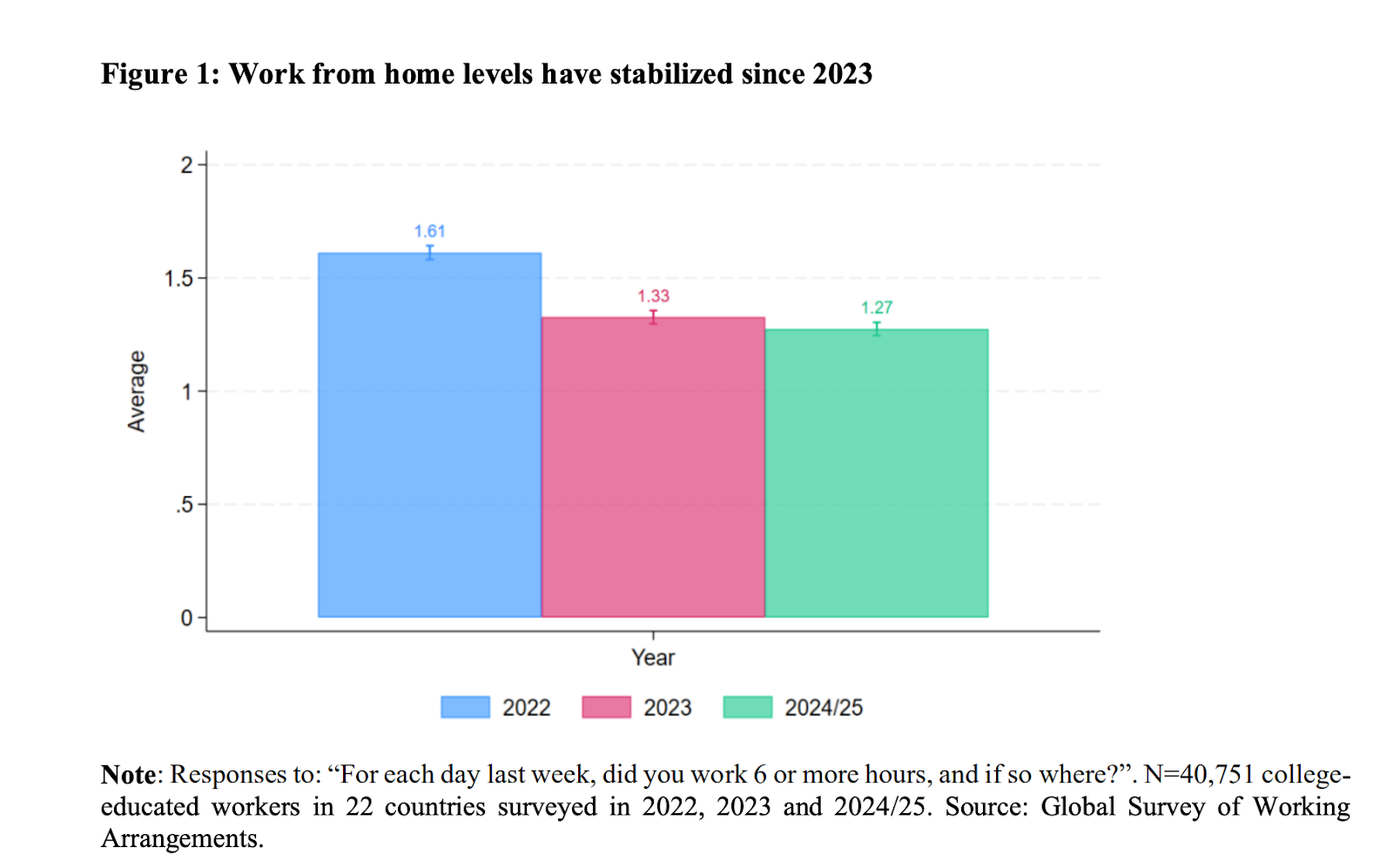
According to the latest G-SWA survey, “Work from home” seems to have stabilized since 2023. Figure 1 below shows the average number of fully paid days worked from home per week, based on the last three waves of the G-SWA, for the 22 countries surveyed in all three waves.
The average fell from approximately 1.6 days in 2022 to 1.3 days in 2023 and to 1.27 days in late 2024/early 2025 (Wave 4).
This means that roughly 25% of workdays are now from home for college-educated workers. According to the study, the 0.03 point decrease between 2023 and 2024/5 shows a stabilisation that suggests that “The slight change from 2023 to 2024/25 (1.33 to 1.27 days) indicates that the post-pandemic decrease may have reached its lowest point.
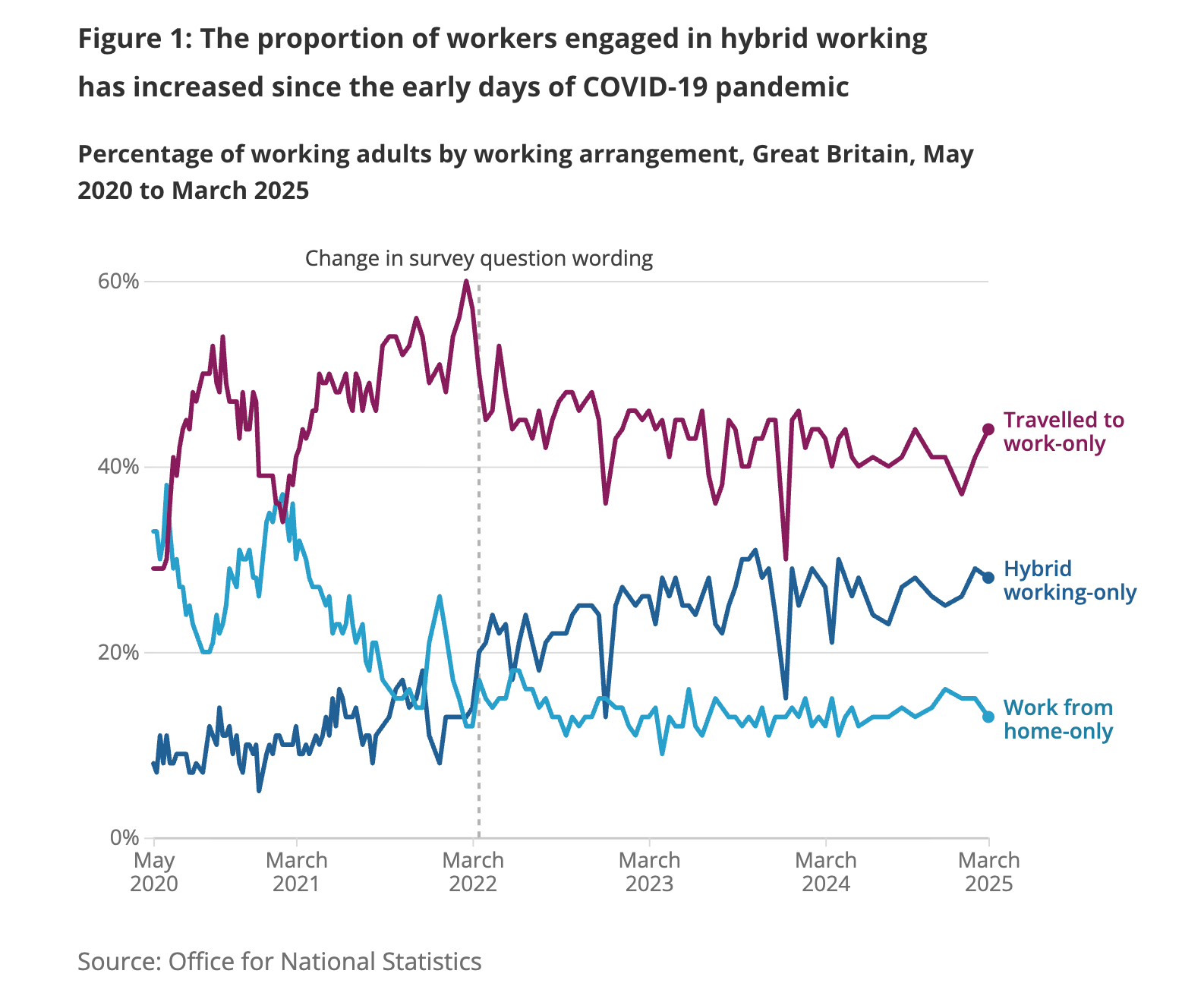
Despite slowing down post-pandemic, data now suggests that hybrid and remote work models are well entrenched across Europe by 2025.
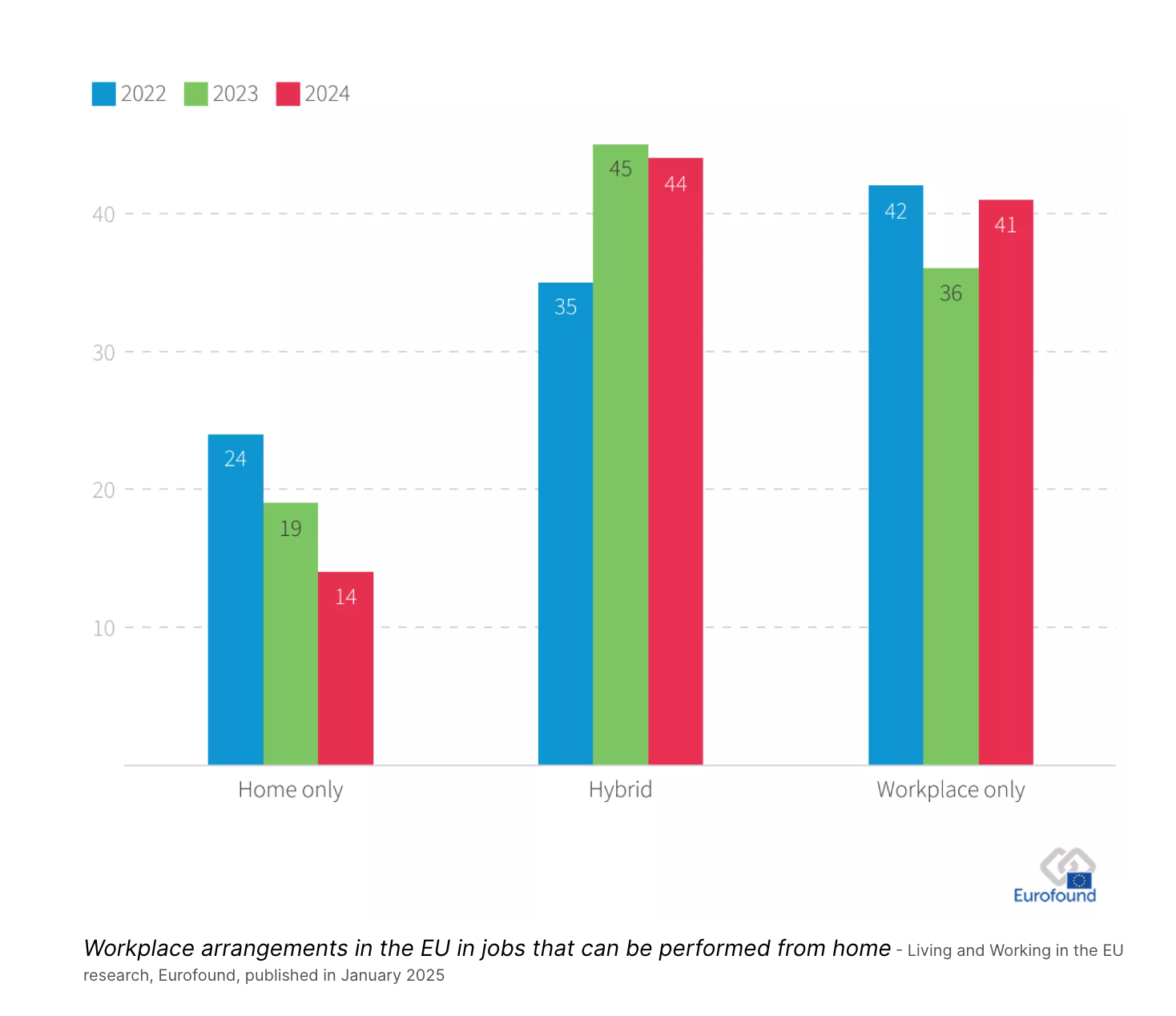
A Eurofound e-survey from May 2024 showed that the share of respondents working in hybrid arrangements in the EU increased from 35% in 2022 to 45% in 2023, before very slightly declining to 44% in 2024.
Interestingly, the proportion of fully remote work decreased more sharply over the same period, falling from 24% to 14%, while workplace-only arrangements rose from 36% in 2023 to 41% in 2024 – nearly returning to their 2022 level of 42%.
This suggests that if hybrid work is on the rise, fully remote work might have reached its limits.
A study examining remote and hybrid job opportunities posted on online platforms between 2019 and 2023 found that they increased by a factor of three in the US and by a factor of five in Canada, the UK, Australia, and New Zealand.
If we focus on Europe, we notice similar trends (graph below): the prevalence of full “WFH” has decreased since 2022, while hybrid work arrangements have increased and relatively stabilized.
The Global Survey of Working Arrangements (G-SWA) is a four-wave survey that interviewed 16,422 full-time, college-educated workers across 40 countries between November 2024 and February 2025. It showed that the average remains 1.2 days/week worldwide.
The average increases in English-speaking countries and Northern Europe, and decreases in South American and Asian countries.
European Data from 2023 shows that Northern Europe has a more open to hybrid and remote working setup than Southern Europe.
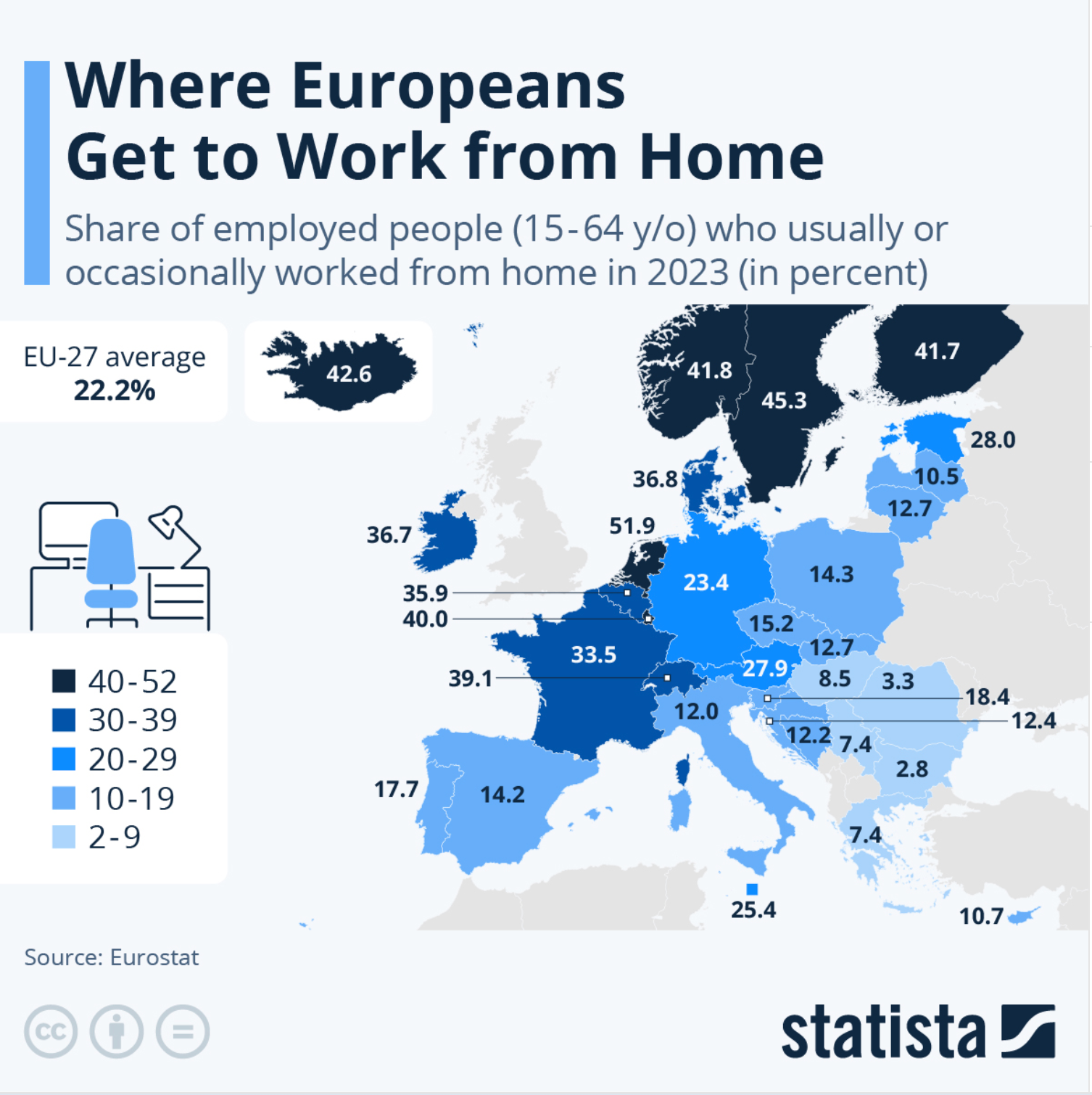
If we include the UK, we notice it is one of the leading countries in terms of hybrid and remote opportunities.
We have looked at opportunities across industries and trends in different regions, but what about the employees themselves?
Insights from a study conducted in over 30 countries by JLL, a global professional services firm specializing in real estate and investment management, reveal that work-life balance has become a top priority for most workers, even surpassing salary. And while it is not automatic, more work flexibility through hybrid and remote set-ups are usually associated with a better work-life balance.
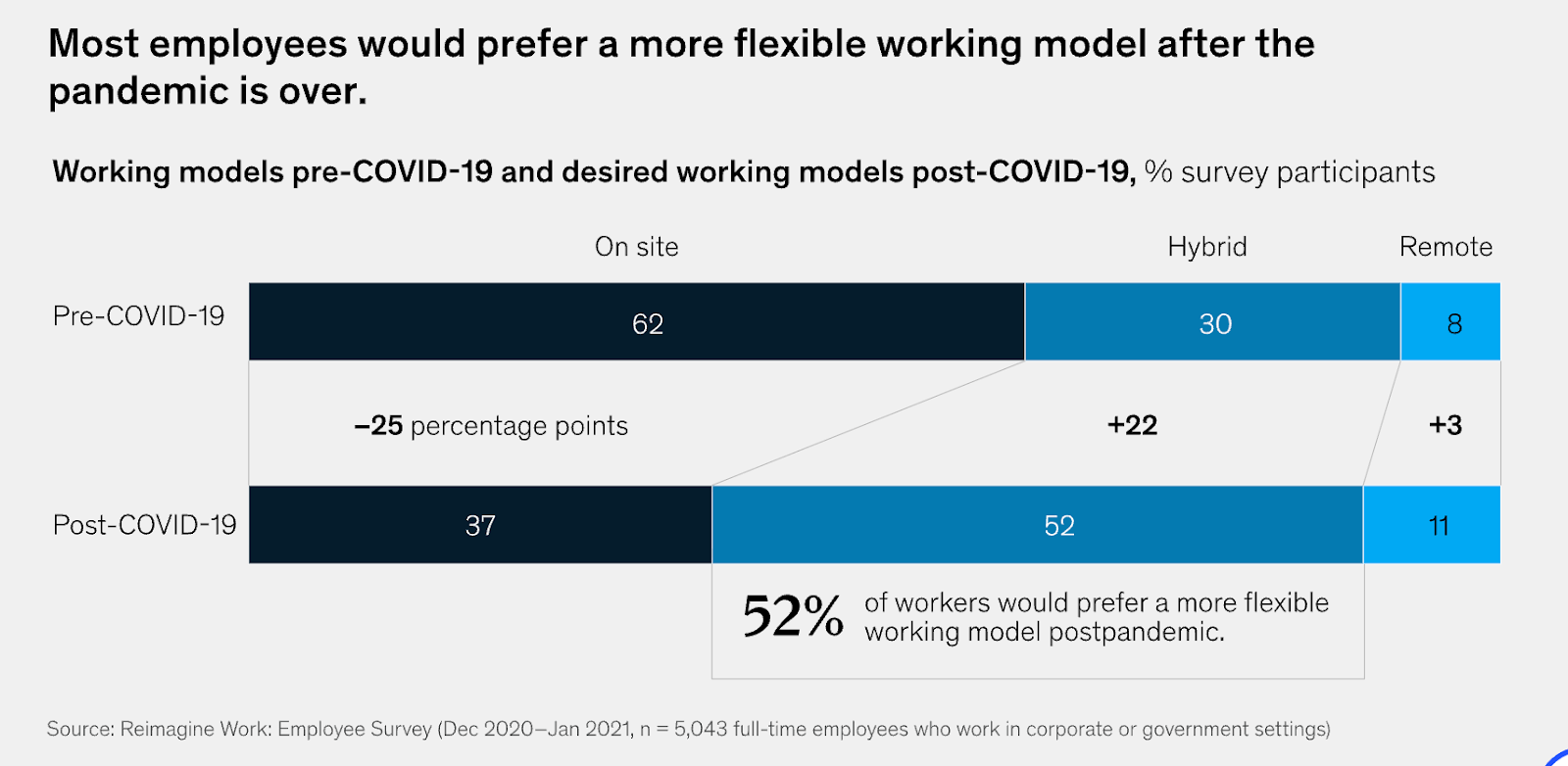
A McKinsey Insights report examines the 2020-2021 data, both before and after the COVID-19 outbreak, which shows that at the time, most employees (52%) wanted more flexibility.
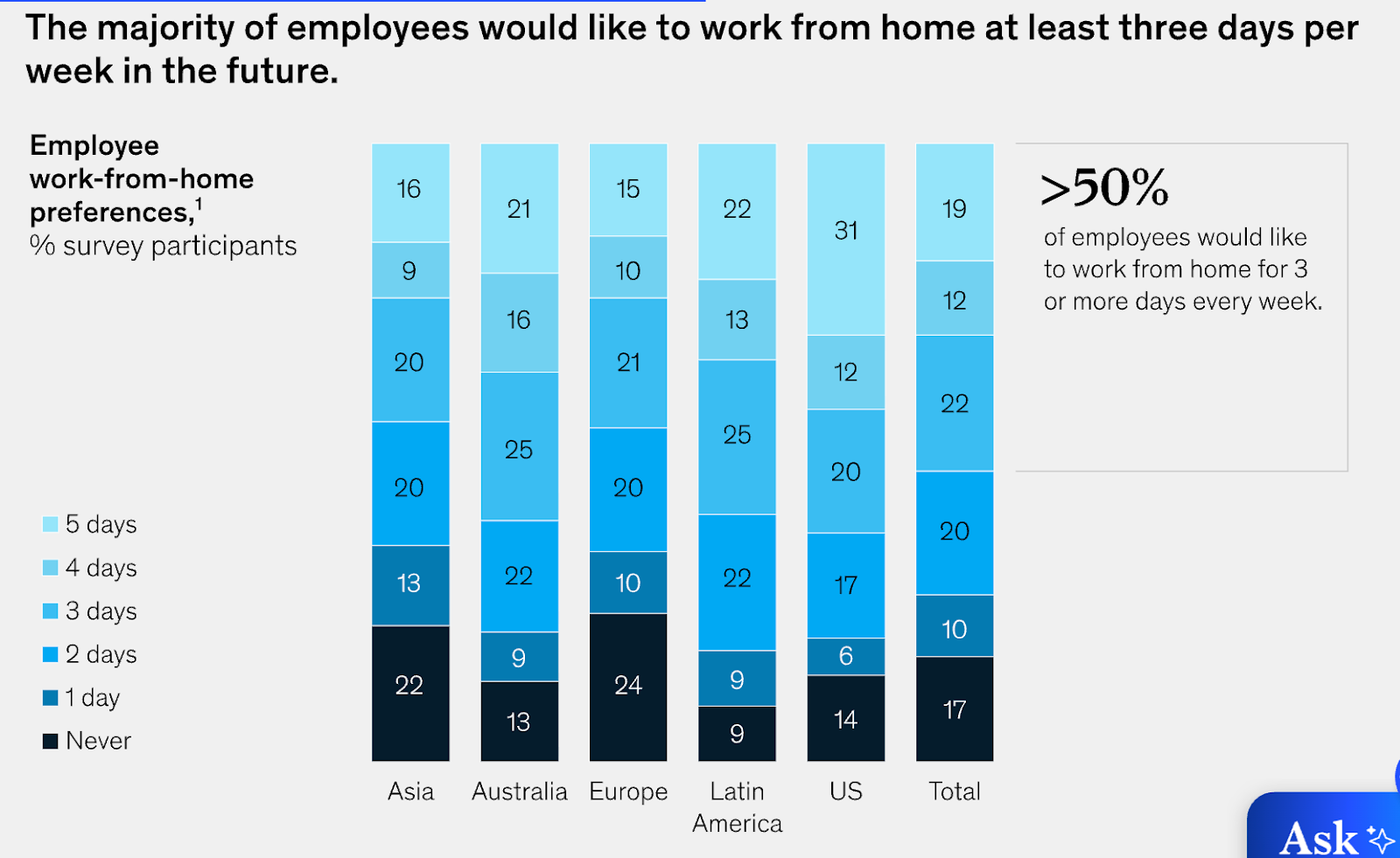
In terms of how flexible they want to be, the report showed that 3 days a week was a preferred minimum at the time. Which is higher than what most people have nowadays, four years later, based on the data we saw earlier (an average of 1.2 worldwide).
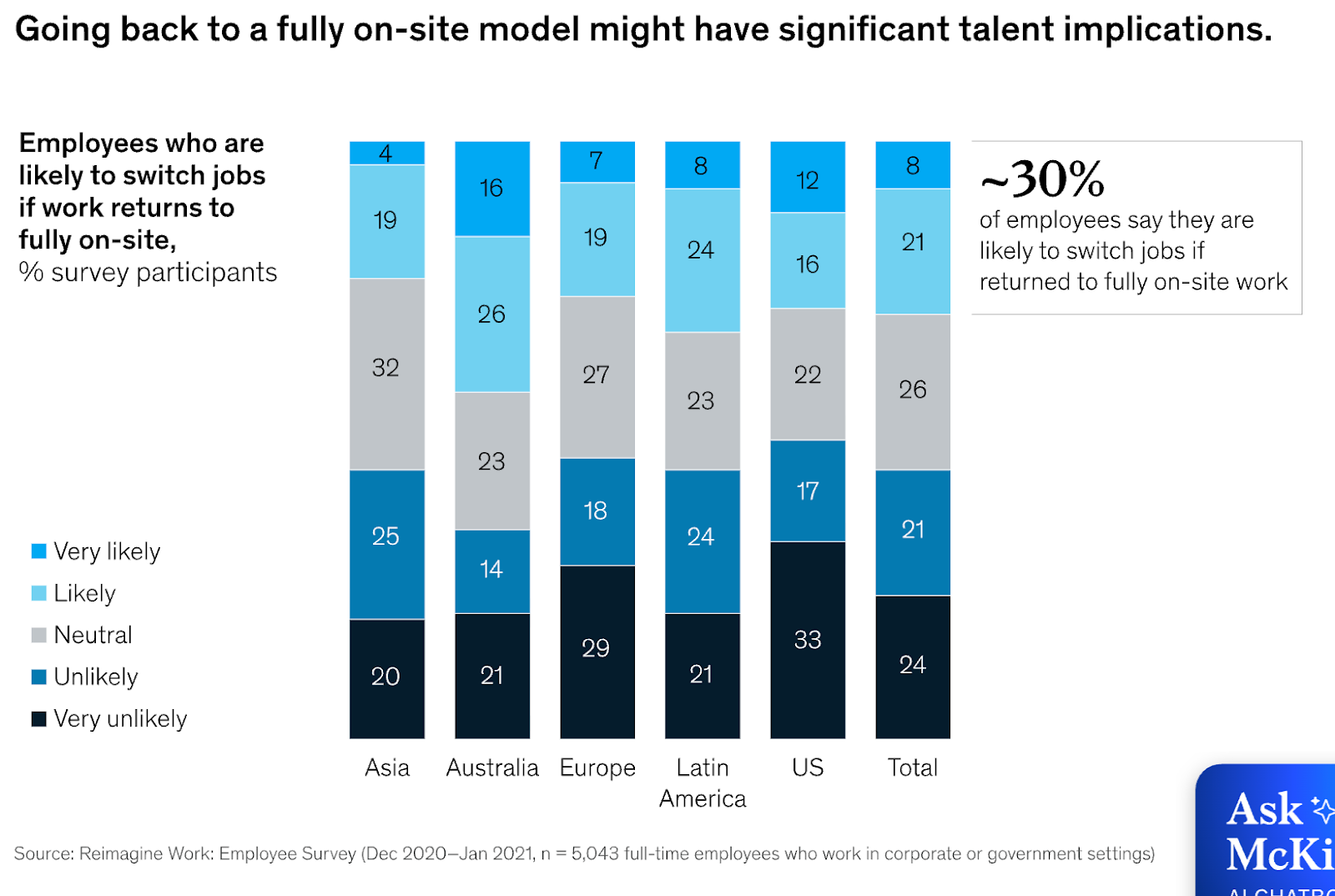
And already in 2020-2021, about 30% of employees who had experimented with remote and hybrid opportunities around the world were considering looking for other opportunities in case of a “return to office” shift.
The data clearly reveals that remote and hybrid work aren’t just trends, they're now integral to how organizations function in today’s world. While the balance between home and office may vary, flexibility is emerging as a crucial element for both employees and employers. What began as a necessary adjustment has blossomed into a profound change in our work dynamics.
The transition to hybrid and remote models presents incredible opportunities, but their success relies on how effectively organizations and leaders embrace this change. What are the key factors that are reshaping the way we work today?
Tech isn't just making remote work possible. It's making it better.
New technologies make hybrid and remote work possible, but they also improve productivity, employee engagement, and work-life balance regardless of the work setup. Advancements in communication, project management, and security technologies are definitely driving the development of hybrid and remote work by enabling efficient collaboration, flexibility, and security across dispersed teams. These tools foster productivity and culture in ways that are critical for the modern, flexible workplace. As necessity is the mother of invention, the pandemic has accelerated the development of technologies that enable new ways of working with greater flexibility and without sacrificing productivity.
More flexible work setups, such as hybrid and remote work, enable companies to expand their talent search beyond the local pool, allowing employees to apply for positions miles away without worrying about wasting hours on transportation.
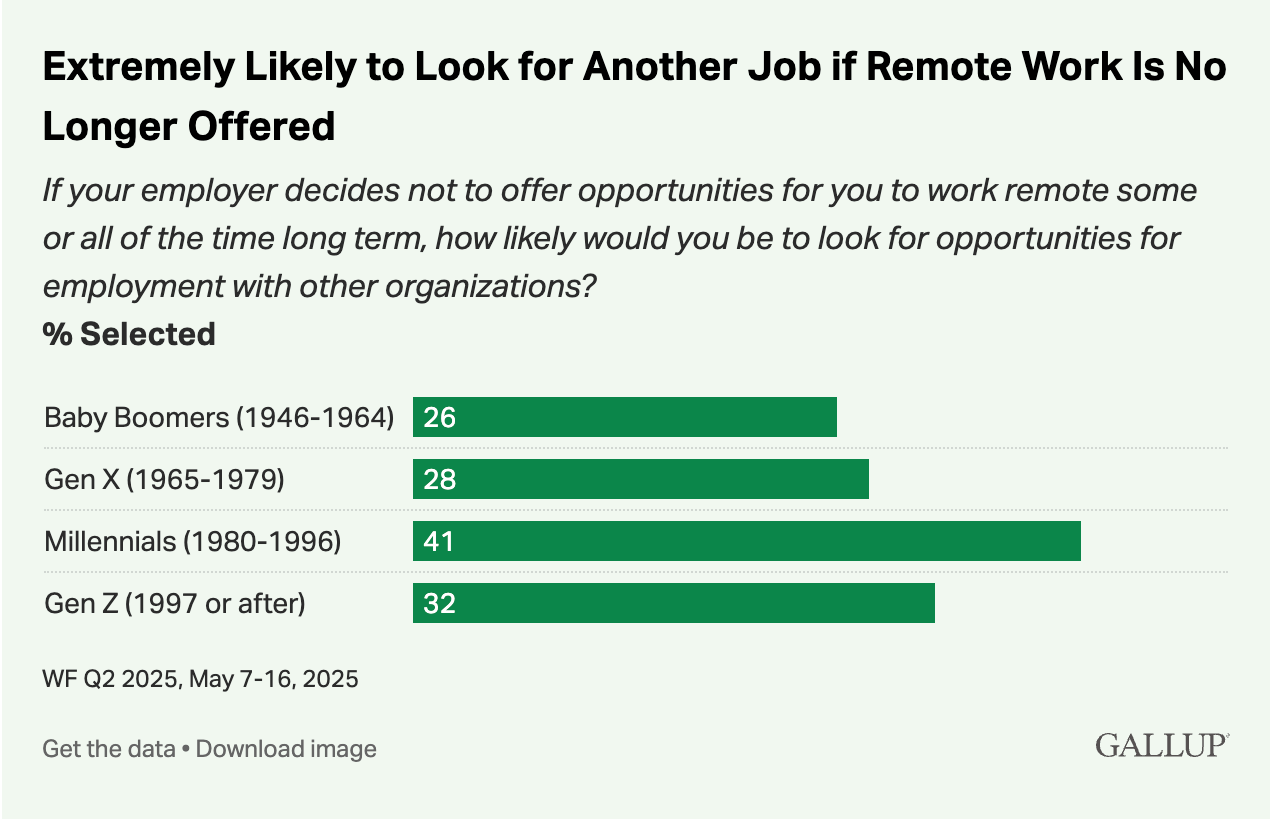
That opens up a much larger pool of talent as well as a world of options for employees previously hindered by distance and commuting. With more opportunities, some employees are considering their options and 40% of millennials were ready in 2025 to look for another job if their current employer called them back to the office full time according to Gallup.
From a retention perspective, hybrid and remote work options significantly increase employee satisfaction, motivation, and engagement. Employees value the flexibility to choose where and when they work, which enhances their work-life balance and well-being. Studies show that hybrid workers exhibit higher productivity and lower turnover rates.
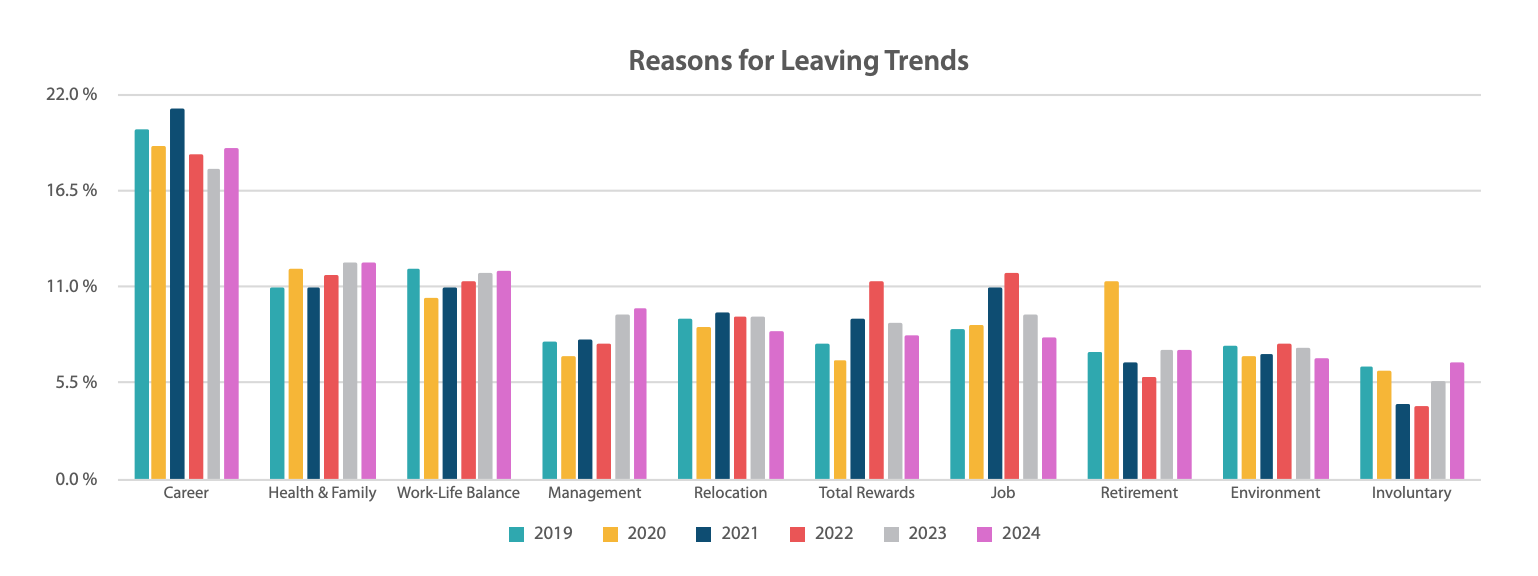
Flexibility is now a cornerstone of employee expectations. Work-Life Balance, cited as a turnover driver by 12% of employees in 2024 (up from 10.4% in 2020), reflects the growing demand for adaptable work arrangements. Remote and hybrid models allow employees to integrate their personal and professional lives while maintaining productivity.
A 2025 Retention Report by the Work Institute reveals that nearly 12% of volunteer turnover in 2024 was attributed to work-life balance and flexibility needs.
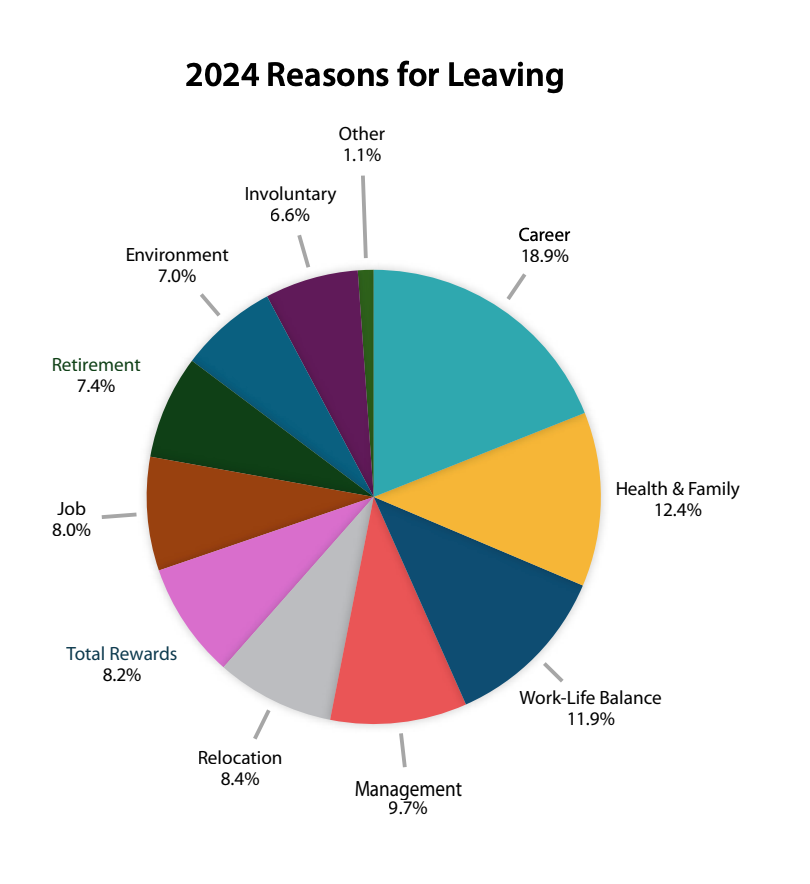
This reason has persisted since 2020, as shown in the second graph.
Millennials, now in their 30s and 40s, are strong advocates for a hybrid work approach. They prefer a balance of remote and in-office days that supports managing career ambitions alongside family responsibilities, such as childcare and eldercare.
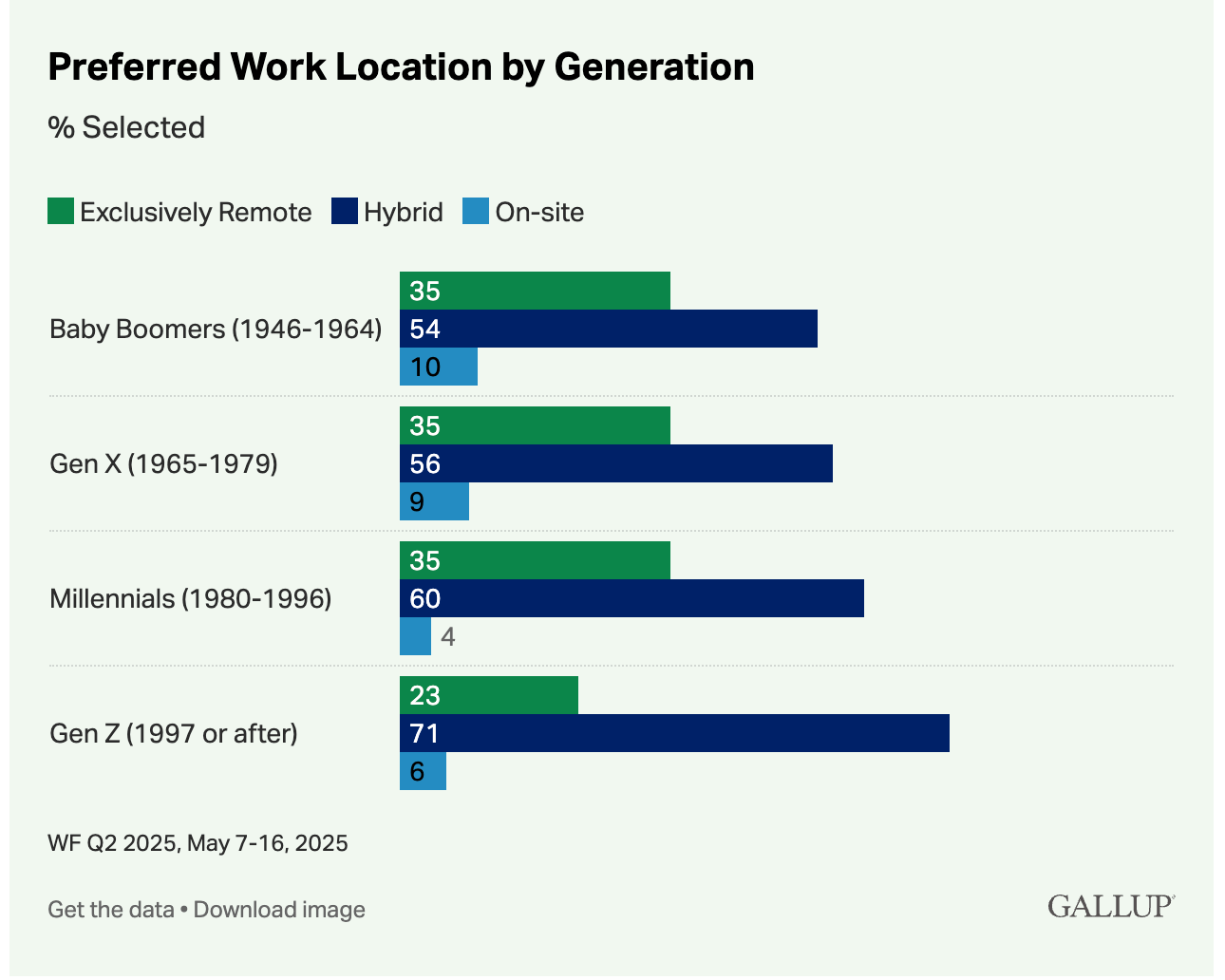
Flexible arrangements are especially beneficial for specific groups, such as women and employees with long commutes, as they improve job satisfaction and loyalty. A 2024 study published in Organization Science shares findings that women consistently report experiencing less everyday gender discrimination in remote work settings compared to on-site work.
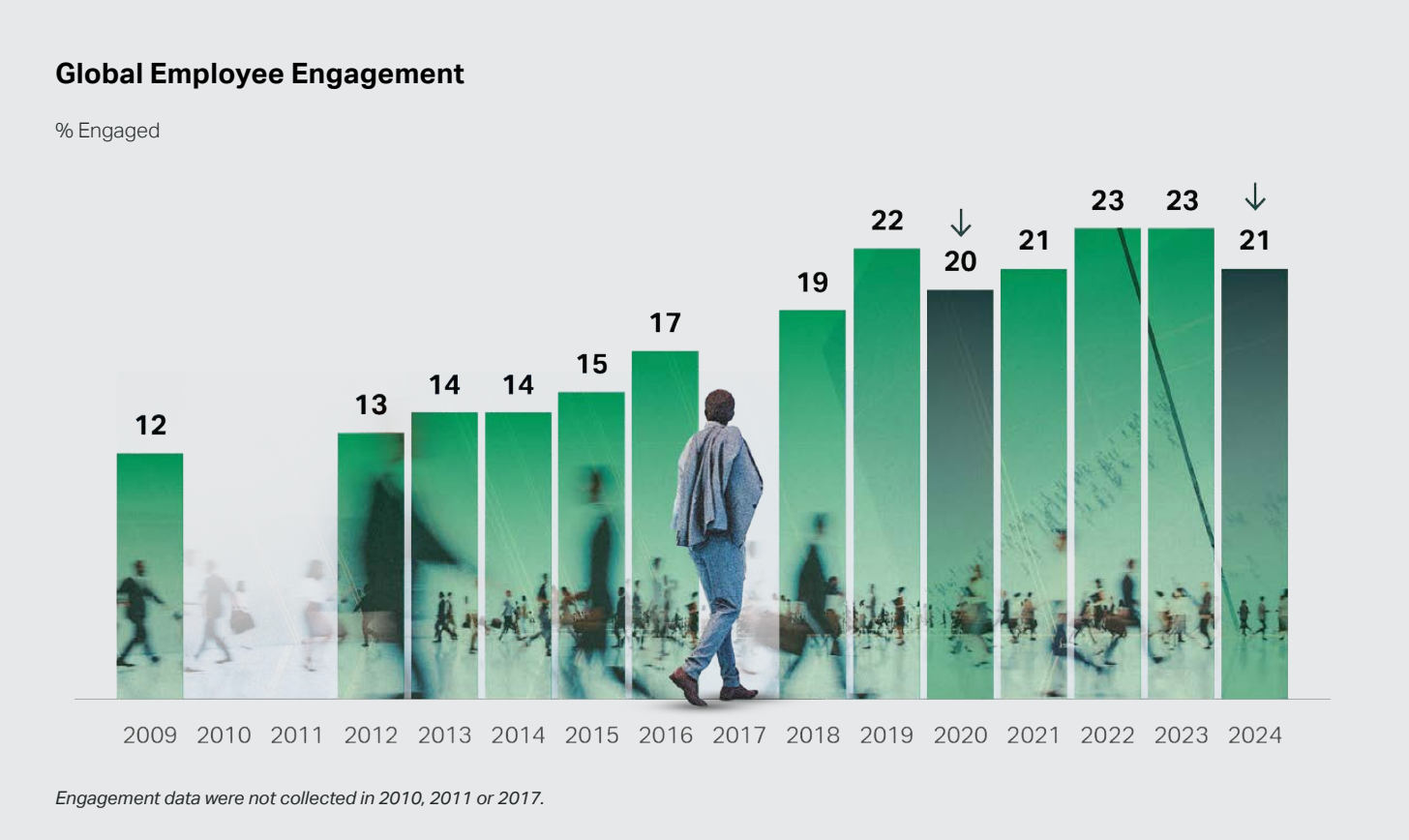
According to the 2024 State of the Global Workplace report by Gallup, engagement has dropped globally by 2 points between 2023 and 2024, the same as when the pandemic first hit. Managers are the most disengaged and experience a decline in wellbeing.
Still, according to Gallup indicators, we note that the employee engagement rate is higher when work setups are hybrid (32%) and even higher when they are fully remote (33%) compared to “on-site” (28%).
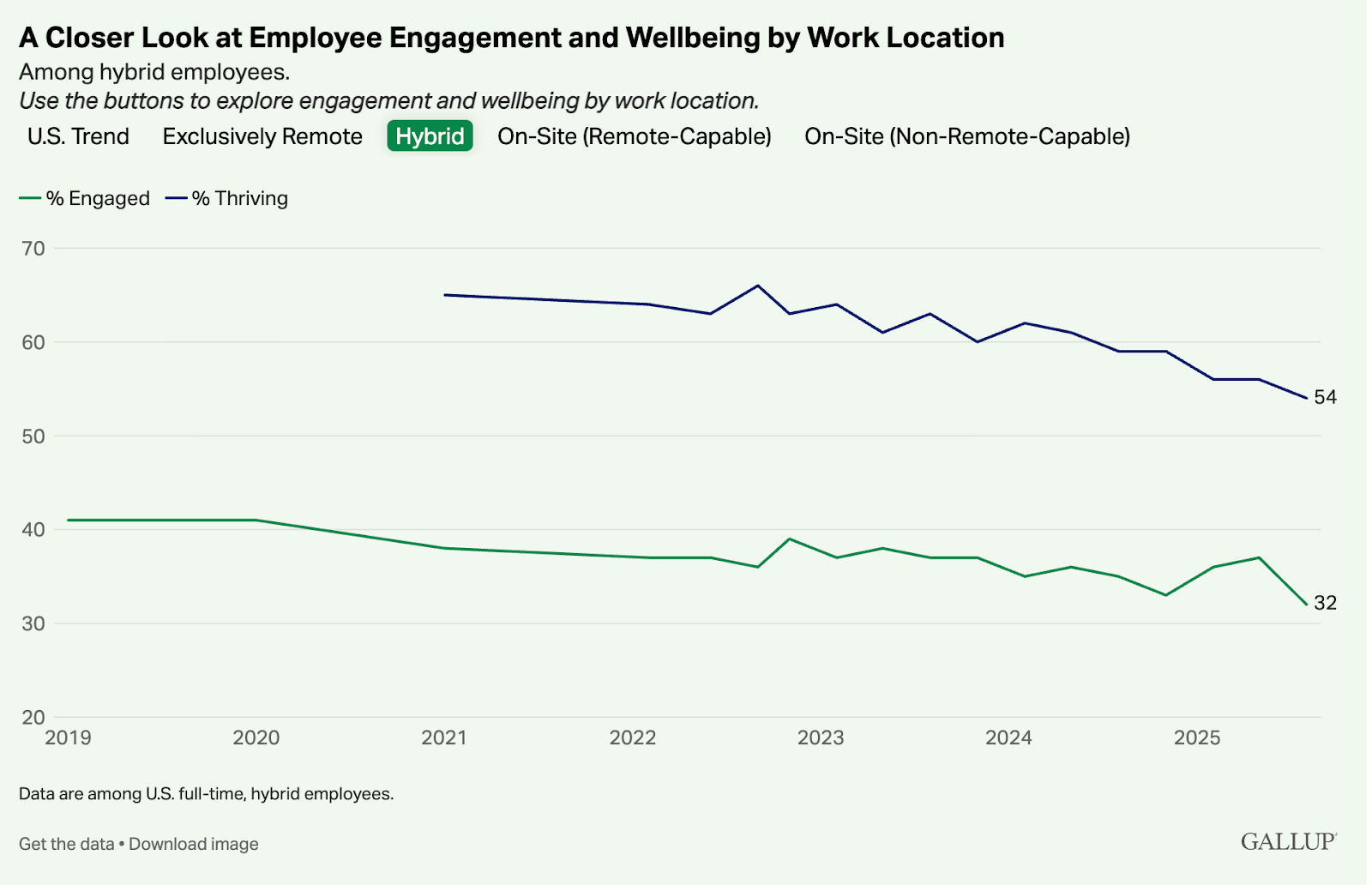
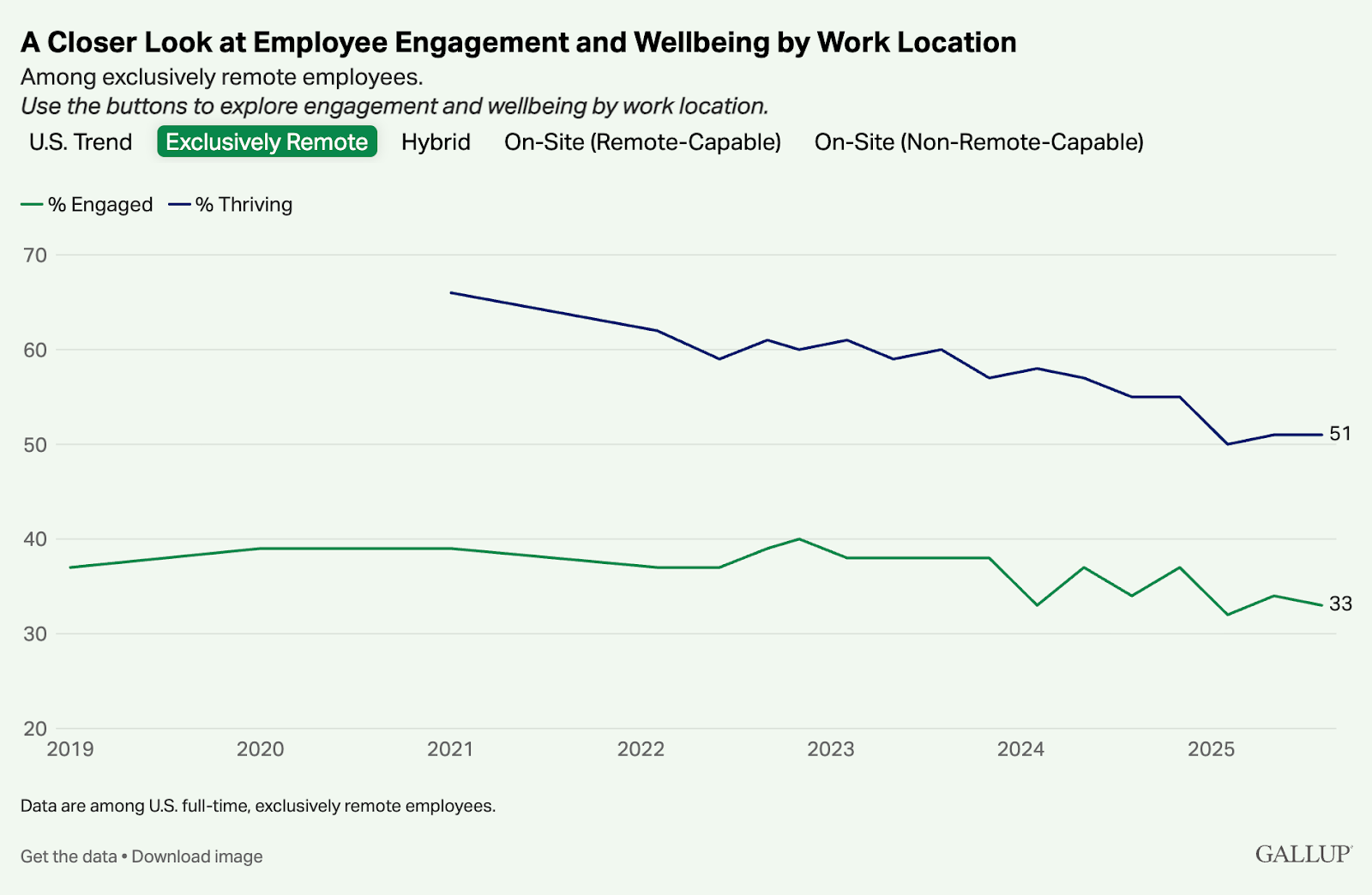
Flexible work is no longer just about where employees log their hours; it’s fundamentally reshaping talent attraction, retention, and productivity. While the benefits of hybrid and remote work are increasingly clear, the journey comes with challenges that organizations must address to fully capitalize on this shift.
Creating a successful hybrid and remote work environment goes beyond just implementing policies or deploying technology; it hinges on fostering meaningful communication, inclusivity, and environments that nurture both wellbeing and productivity. Let’s explore key challenges organizations encounter while adapting to these models, including ensuring equitable opportunities and maintaining a vibrant culture and strong connections.
We are referring to both communication about work setups and communication between employees and leadership when working away from the office.
Companies need to be clear with their staff about their right to work from home and the logistics around it (do they have to ask for permission, where do they announce it, which days, and how often). A 2025 Research has shown that these new “workplaces” demand redesigning work practices to establish sustainable boundaries, aligning communication norms, and fostering inclusive connections to ensure employees' wellbeing and productivity.
Without any clear guidelines, online and asynchronous communication can quickly become overwhelming and counterproductive.
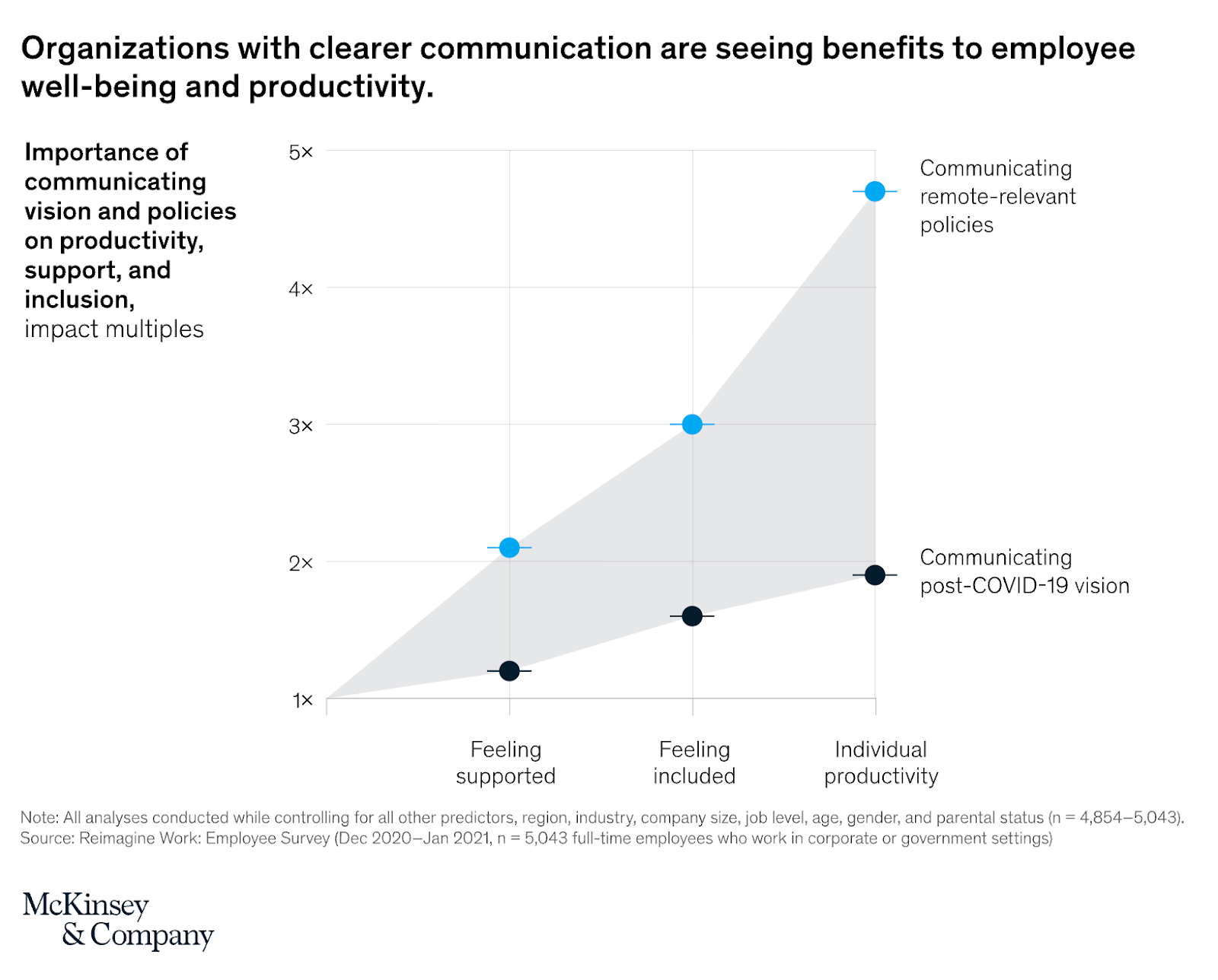
Emails, WhatsApp messages, and Slack notifications going off at all times of the day and night can trigger feelings of anxiety and exhaustion, and even hinder productivity. At some point, people stop reading altogether to preserve their mental health and stay focused on their tasks.
Written communication also brings its share of misunderstandings, as it doesn't convey tone or body language, and missed messages and delayed responses can definitely weaken teamwork.
Leaders play a key role in shaping the proper behaviour and “etiquette” around formal and informal communication in distributed teams.
While we mentioned earlier that remote work can be beneficial in reducing the gender gap, it is not always the case. We note gender disparities in terms of opportunities to access remote and hybrid positions. Indeed, men remain more likely to access hybrid arrangements (27% vs. 22% in 2024, according to Eurofund Europa data). In addition to gender disparity, remote and especially hybrid work also divides rural and urban areas, as large cities often have better infrastructure and internet access. Finally, in hybrid situations, employees can suffer from unequal treatment due to visibility bias (people in the office being favored and advanced, more than employees working from home more often).
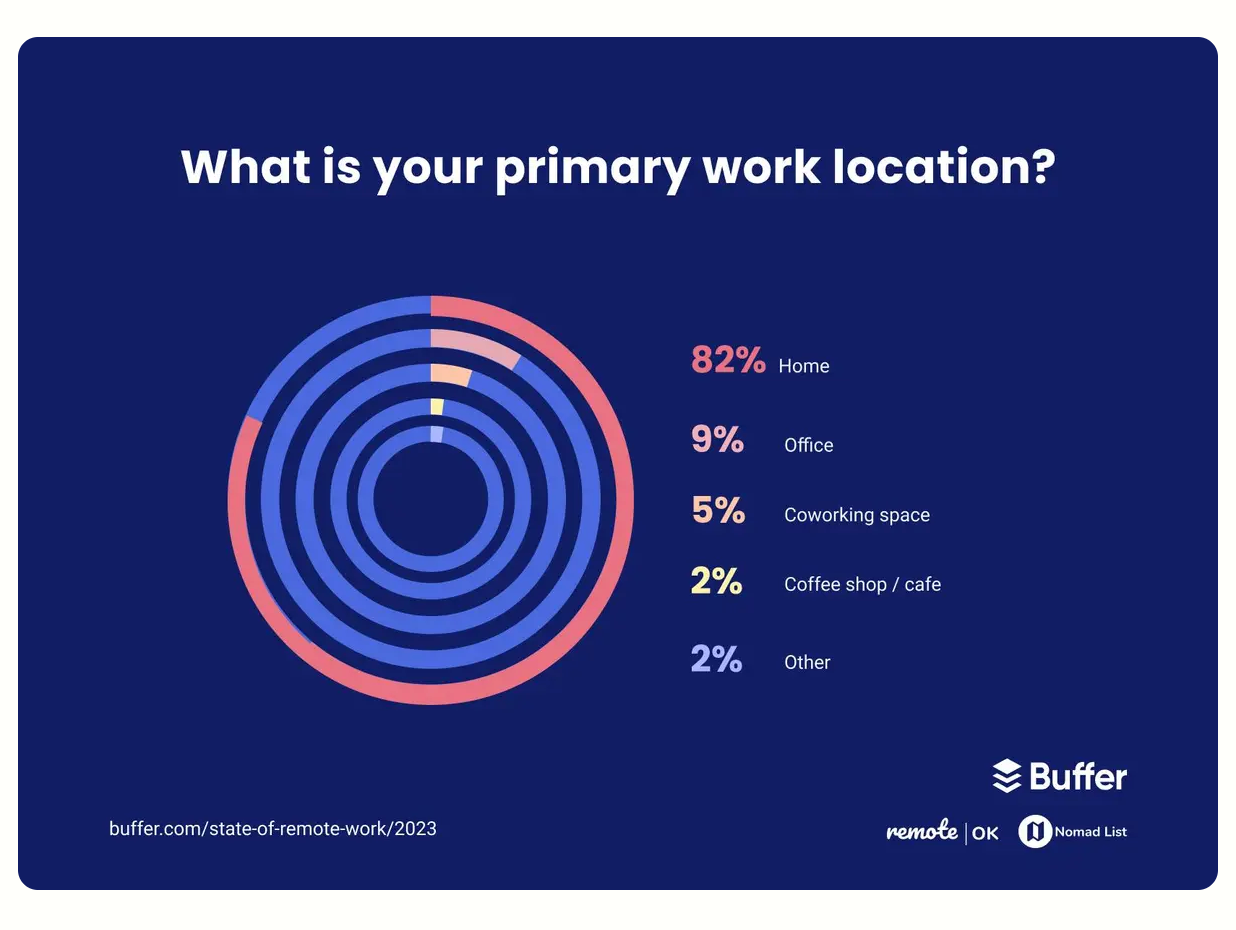
Where do people actually work if it is not the office?
According to Buffer’s report, in 2023, it was mostly from home. No surprises here. When asked which room they specifically worked from within their home, 37% had a dedicated office space, and 21% worked from their bedroom, followed by the living room. Meanwhile, 14% did not have a dedicated spot and moved around throughout the house. Which can raise another question: do we all have the proper setup?
A recent study on the impact of hybrid and remote work models in New York and the emergence of new ergonomic risks examines the types, prevalence, and implications of ergonomic hazards associated with hybrid and remote work, including poor workstation setup, prolonged sedentary behavior, repetitive strain, and inadequate support for musculoskeletal health. Findings indicate that while remote work offers flexibility, it often exposes employees to suboptimal ergonomic conditions due to limited access to professional-grade equipment, insufficient ergonomic training, and a lack of structured workspaces. While focused on New York City, it is easy to imagine that these consequences can be applied to most hybrid and remote setups. This highlights the crucial role of employers in ensuring that ergonomic assessments and educational programs are developed to mitigate risks.
Hybrid and remote work is one way to put your company culture to the test.
Among the challenges brought about by hybrid and remote work, disconnection, isolation, and dilution of company culture are the most frequently mentioned.
Remote and hybrid work environments often lead to employees feeling isolated and disconnected due to the lack of regular face-to-face interactions or informal social gatherings. This, in turn, can lead to poor morale, lower engagement, and a loss of job satisfaction as employees struggle to build deep, interpersonal connections that strengthen the culture.
The blurring of boundaries between work and personal life in remote settings often leads to long hours and stress, which can degrade overall well-being and negatively impact engagement.
The absence of spontaneous office interactions and rituals, such as shared lunches or coffee breaks, diminishes the sense of community and affects employees' emotional connection to the company's mission and to one another.
In a study from the National Institutes of Health's National Library of Medicine, for many participants, the spontaneity and authenticity of office interactions were difficult to replicate virtually, where communication often felt transactional.
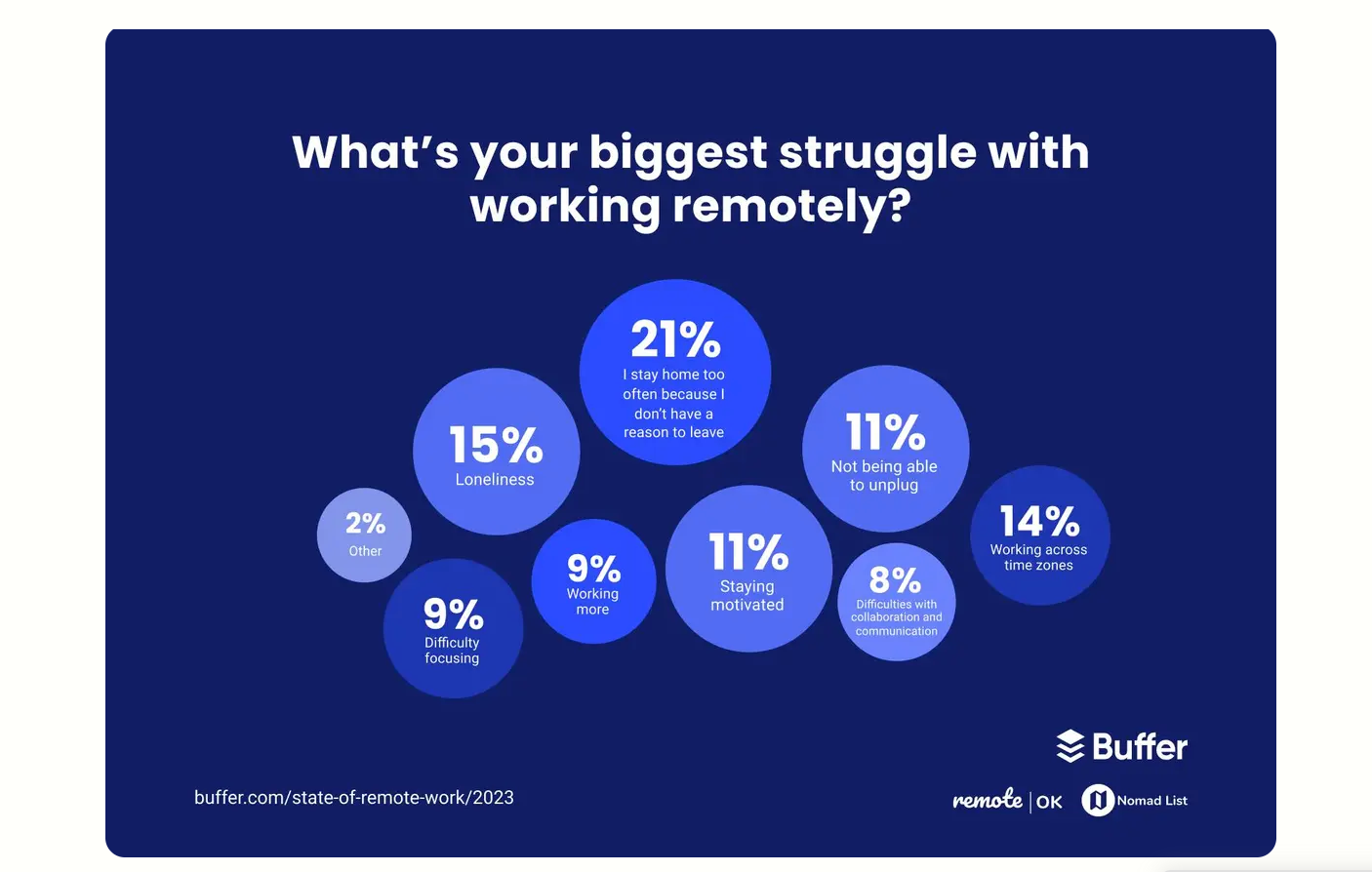
Buffer’s State of Remote Work 2023 report reveals that some of the primary challenges of working remotely include staying home all day, loneliness, and adjusting to different time zones.
Additionally, it can be challenging for new recruits to get a sense of the culture when they do not have the opportunity to meet the team, and onboarding new members can become difficult.
According to Gallup’s global work report, only 20% of remote-capable employees feel that their employer helps them thrive in this environment. If they do, even fewer employees feel involved in shaping these changes. Only 11% of workers say they helped shape their hybrid schedule (Gallup, 2024).
That is why it is essential for companies to fully appreciate the impact of these setups on their employees and properly implement them, supporting their employees in all aspects of more flexible work environments.
As our work environment evolves, we can see these challenges not as setbacks but as exciting opportunities for improvement. By focusing on communication, equity, ergonomics, and culture, organizations can turn hybrid and remote work into a powerful advantage. The key to success lies in how thoughtfully leaders listen, engage, and support their teams during this transition. Embracing these challenges as stepping stones will pave the way for a more human, connected, and resilient workplace.
As more people than ever work from home, there is a growing need for new ways to connect, beyond simply sending each other contracts and reminders. The wellbeing of the company and of the employees depends on it. Indeed, research has shown that informal communication supports motivation, job engagement, and knowledge sharing, while also reducing stress by providing social support and mental breaks.
When everyone was coming to the office, watercooler moments didn't need planning; they were, as defined, spontaneous and informal interactions that happened between tasks, allowing for deeper relationships to emerge and trust to be built.
With distributed work, it is not that those moments cannot exist, they just cannot be left to serendipity alone anymore.
Recognizing the need for informal interaction among employees of distributed teams, many companies have instituted “virtual water cooler” moments, particularly during the pandemic.
As Culture Monkey puts it, “this virtual water cooler serves as a metaphorical oasis in the vast digital desert of remote work, where colleagues scattered across geographical boundaries can come together face to face to share ideas, experiences, and a sense of community”.
But we have all experienced it, virtual “meet-ups” alone are generally not enough to fully replicate the depth of connection, spontaneity, and collaboration found in a physical environment. They are essential but need to be part of a comprehensive strategy.
So what if the oasis could become a reality?
That’s kind of the role of corporate team retreats. They offer a unique opportunity for informal connection, spontaneous conversation, and cultural bonding that the traditional water cooler once fostered in the office.
But not all retreats are created equal. Only those that make the right environment will successfully replace the water cooler moments.
Successful team retreats are a thoughtful combination of purposeful planning, a balanced agenda, an inspiring environment, and genuine human connections.
We have written (and will continue to do so) extensively on how to plan, organise, and host the perfect corporate retreat, but if you should take four key rules away:
We are biased, but at Campfire Company, we definitely believe company offsites are the new water coolers. Just much, much cooler.
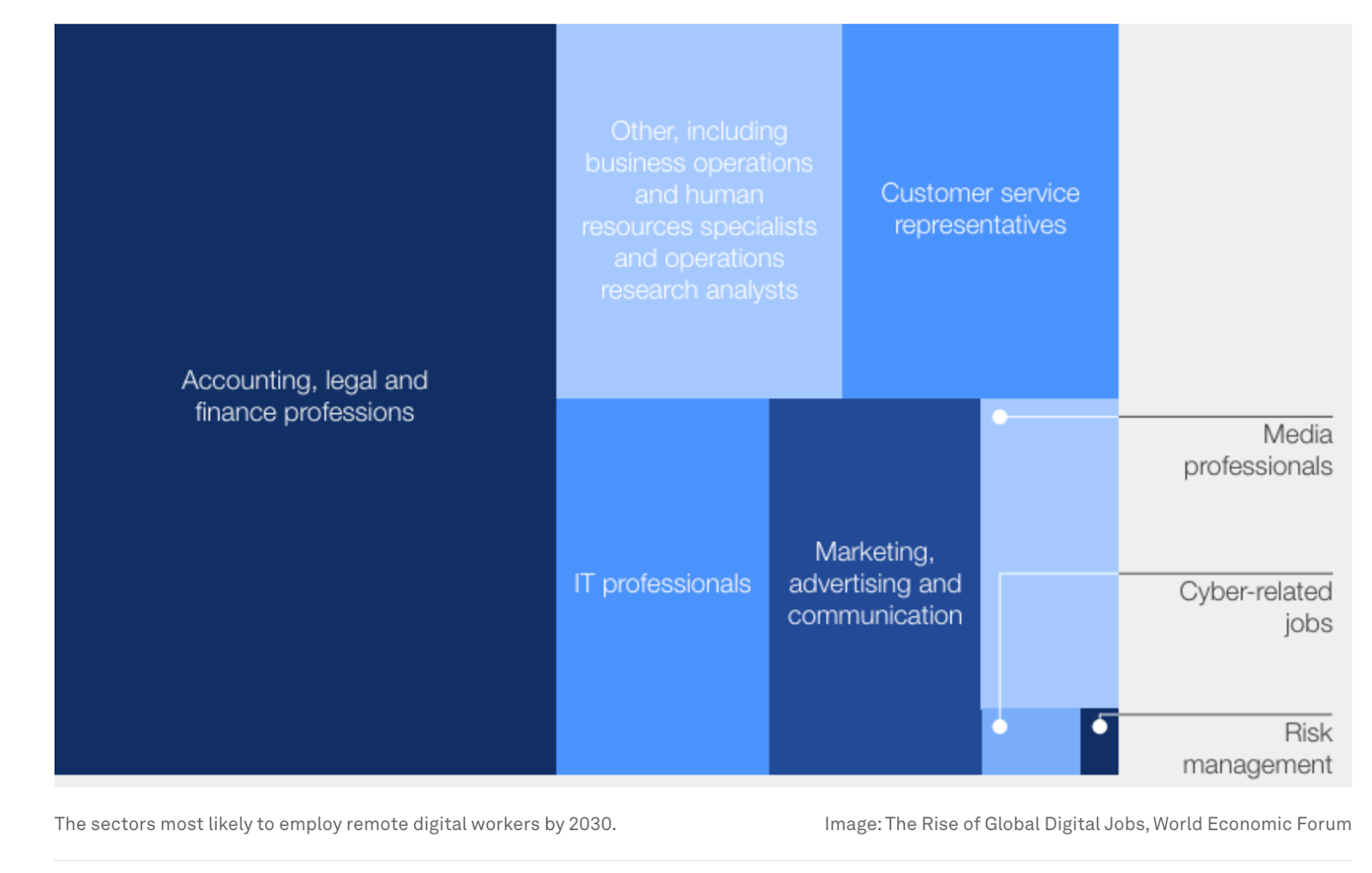
According to the We Forum report, "The Rise of Global Digital Jobs from 2024," 218 job types out of 5,400 are conducive to becoming global digital jobs. This may not seem like much, but it represents 73 million workers. Almost 40% of these roles are in accounting, legal, and finance, while customer service representatives, marketing, advertising, and communication professionals, and IT professionals each make up around 10% of the total jobs.
By 2030, the number of these jobs is expected to rise to around 92 million.
When it comes to team retreats and their role as the new water cooler, according to Allied Market Research, the corporate retreats market is on track to reach $38.4 billion by 2027 and $73.7 billion by 2034 globally.
The same report notes that team retreats are now an integral part of many companies' strategies and consider them an essential tool for supporting team cohesion and leadership alignment. As more businesses experience the value of offsites, investment in high-impact retreat programs and venues is expected to expand in the coming years.
The research also shows that the European market is growing particularly rapidly due to its strong organizational culture, which tends to prioritize work-life balance and wellbeing, and integrate corporate retreats as part of its HR strategies.
A majority of people are demanding more flexibility to improve their wellbeing and work-life balance, which translates into more hybrid and remote work positions.
However, many companies are still unsure how to address this “new normal”, five years after the global pandemic that accelerated it, worrying about productivity and management despite data and research showing that when managed well, remote work offers many benefits both for the company and its employees, from access to talent to motivation, engagement, and mental health. That being said, such a shift requires proper adjustments, efforts, and investments in key areas.
From practical insider warnings to new secret locations, get our monthly, genuinely spam-free newsletter.
Subscribe now

The Architecture of Psychological Safety: Why Workplace Mental Health Needs a Physical Reset
Read more


