
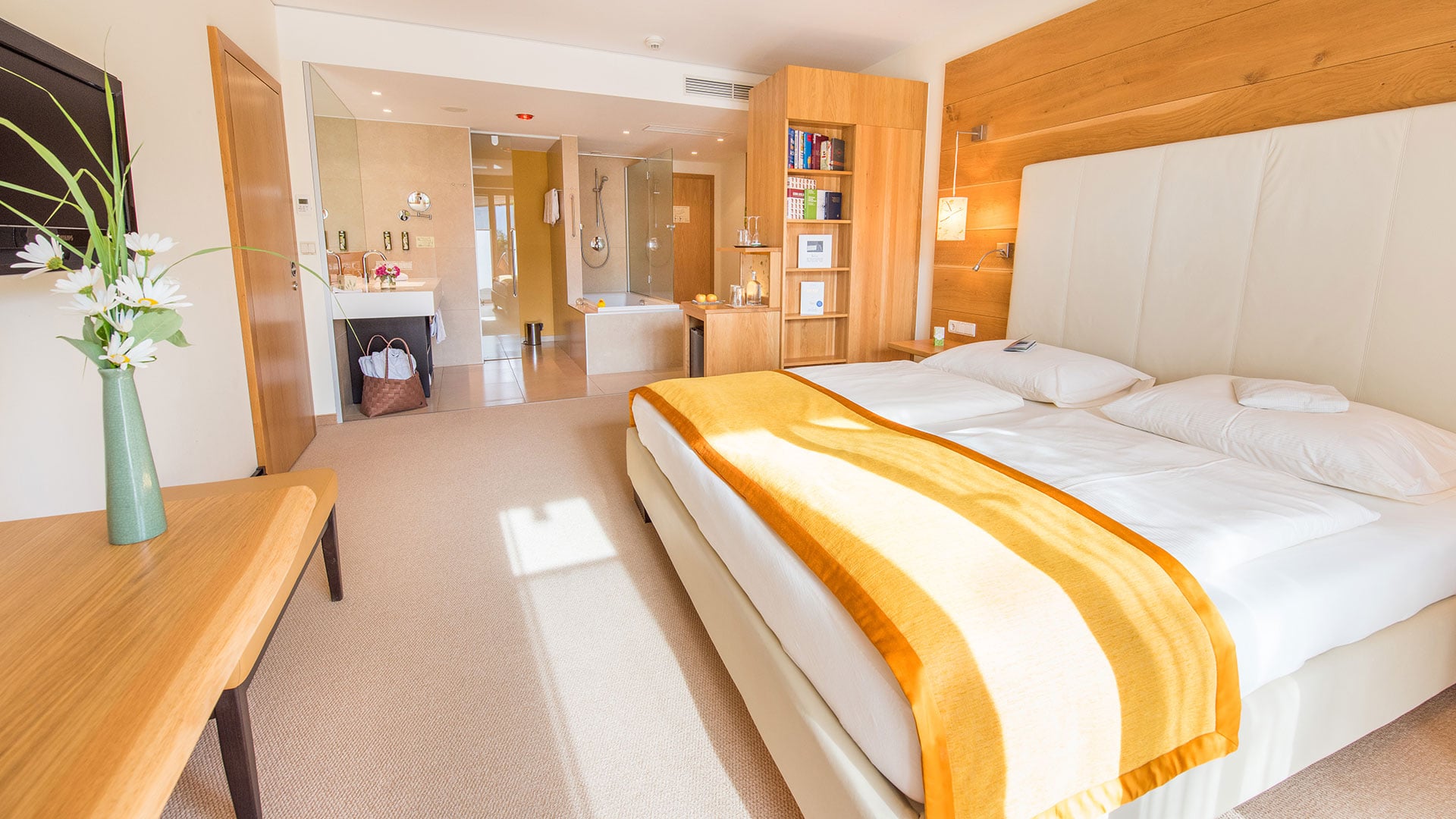
TL;DR: In our Campfire data covering 24 retreats (1,248 guests, 890 rooms, and 4,000+ nights), 60% of the RFPs are for all singles. 56% of guests end up sharing, though, as budgets and venue layouts come into play. Groups of under 100 will generally get the singles. Once you hit 100, though, the percentage of guests who get a single drops dramatically to just 14%. When sharing does occur, 66% of the pairs are from the same department. Most of the stays that do end up with sharing are 3-night stays (Monday to Wednesday).
You’re organizing the next team retreat. You are putting everyone in a private ensuite room. You have no budget left for food, and everyone has to walk from the airport.
We're absolutely exaggerating, but it often feels like that, don't you think? The expectations of leadership and the reality that sets in when the hotel quote actually comes in.
A couple of weeks back, we looked at the rules and etiquette around room sharing and allocation on team retreats. Today, we're looking at what the reality is in terms of what companies actually do, based on our own data. We've taken the 24 most recent retreats that have been run through our Campfire app (1,248 guests, 890 rooms, and over 4,000 nights).
As you can easily guess, there is a massive gap between what companies ask for at the start and how people sleep once they arrive.
Looking at our data, 60% of client requests for proposals (RFPs) ask for all single rooms, 28% ask for a mix, and only 12% ask for twins from day one. In reality, 56% of guests share a room and 44% sleep alone.
So what's the cause of the 16 points drop between wanting singles and actually booking them?
Now don't panic. "Only 44% of teammates are sleeping alone" sounds quite alarming at first. You have to bear in mind that on a typical retreat around two thirds of the guests will be in their own room. The overall figure is lower simply because we have some very large groups (100+) in our data, which will bring the overall average down as you'd expect as more people are sharing in those cases.
Planning a retreat right now? Tell us your headcount, budget, and non-negotiables, and get a shortlist of vetted venues that actually match your rooming needs, headache-free.
Across our RFP data, 74% of groups (60 of 81 RFPs) rate a full venue buyout as preferred or required. 56 RFPs have single rooms with exclusivity as a 'nice to have' and 18 RFPs actually require both single rooms and a full buyout.
Less well known than the Bermuda Triangle (though just as stressful!) is the Retreat Triangle (Budget, Exclusive Buyout, and Single Rooms). You can usually pick two, rarely all three.
Many people think that if you book a full buyout (i.e. you're renting out the entire property so there are no guests coming in from outside) then you get everything on your wish list. In fact it's not quite that simple.
Venues that will give you a full buyout (i.e. countryside estates, villas, boutique hotels) are generally quite small, typically having between 20 and 50 bedrooms. If you're bringing 70 people to a 45-bedroom estate to have the place to yourselves, you're going to be sharing rooms. Quite often the more picturesque the estate, the more convoluted the accommodation layout is (e.g. shared bathrooms linking two twin rooms), which is of course the antithesis of the 31% of teams who will list private bathrooms and private bedrooms as a hard deal breaker. That's why securing a full buyout with single rooms invariably means you end up shortlisting properties with somewhere in the region of double the number of bedrooms you'd normally expect for a standard group or accepting a split.
On the flip side, big resort hotels can quite easily have 70 separate rooms with private bathrooms, at the cost of having to share the pool and the dining room with the general tourist population. You also tend to end up with a rather dull meeting room.
At the end of the day, what predicts whether your team will share a room or not is how big a group you are traveling with.
Once you get to 100+ people, the whole thing becomes far more complicated (travel, venue etc). Sharing bedrooms is often down to the building constraints rather than the budget.
On the other hand, anything under 100 doesn't really adhere to any strict rules. Solo sleepers go from 7% to 100% so a lot of it is down to how you go about your retreat.
Do you want to fly your people to an absolutely fantastic, unique destination (even if that means sharing) or would you prefer to give everyone a private room and go for a more straightforward venue? Both are perfectly valid options, just cater to different requirements and expectations.
Not all rooms are created equal. In the venues we work with the median bedroom size is around 35m². That's a very generous room and excellent news for those who have to share. No walking all over each other there.
Approx 67% of the rooms have air-con (of course, that varies by location, south vs north). A few have extra bathrooms, and around 7% have a sofa bed (which you absolutely never want to put your extra colleague in). That said it can be very useful on the rare occasions when the retreat is open to families, and some of the team have kids.
A quick check of the floor plan is very useful at this point. Before you sign, get the exact room-by-room dimensions, check whether the twins are actually two separate beds or zip and links, and confirm which rooms have en-suites and which have shared bathrooms, so you're not having to make up the bed assignments at check-in.
Tired of chasing floor plans and bed counts? Campfire breaks down exact room types, bed setups, and en-suite ratios upfront so that the only surprise when you arrive is the little branded gifts on your pillow. Explore How Campfire works
A really important point is that you must never present room sharing as a "team bonding" opportunity during a team retreat. It may well result in team bonding at the end of the day, but the bedroom is supposed to be people's safe space during the offsite. It's not a place where you're expected to have an icebreaker with someone from accounting that you've never met before. Fortunately, our data shows that the majority of organizations will resist the temptation to mix up random departments in the bedroom.
66% of the shared rooms had colleagues from the same department/team (based on 114 rooms where both departments were known).
That does not mean throw anyone from accounting together. Even within the same department, smart pairing makes sense:
If you absolutely must have just one rule: mix the teams during the daytime workshops and dinners and keep the bedrooms as a safe, familiar place to recharge.
Of course, room-sharing decisions (and the cost that comes with it) are very much impacted by how long you're staying and who else turns up.
Once again, according to our data, the majority of companies are staying in for around 3 nights and checking in on a Monday, Tuesday, or Wednesday (82% overall, 51% on a Monday). Overall, the companies would like everyone to be in on a Monday and out on a Wednesday or Thursday. That way they can avoid the busy, expensive weekends and get that bit of private time back for their staff.
Something to be very mindful of in terms of the budget is staggered arrival. The temptation is always to try, and cater for everyone and allow people to arrive over several days, which invariably makes it far more complicated and expensive than it needs to be. You have to ask yourself whether it's actually worth it. If it is, then absolutely fine; it can be planned for. If you're not up for the headache of all the separate taxi bookings, the delayed arrivals, people getting lost, musical rooms, etc then make a firm rule that everyone has to arrive on Day 1.

Turn the numbers into a quick action checklist before you lock in a venue:
There is no universally "right" rooming setup, only the one that fits your team's size, budget, and energy levels without breaking your logistics.
What actually derails retreats isn't room sharing itself; it is promising single rooms early, underestimating the Retreat Triangle, and dropping the bomb two weeks before takeoff.
Set expectations with leadership and your team before you send a single RFP, protect people's downtime once they arrive, and let real venue constraints, not wishful thinking, guide your shortlist.
Ready to plan your next retreat without the rooming guesswork? Manage venue sourcing, guest preferences, and room allocations in one place with Campfire. Start planning your retreat →
Yes, 56% of our guests end up sharing overall, and that rises to 86% for groups of 100 or more. The key thing is to set the expectation at the outset and not end up with some awkward layout or forced pairing.
Normally not the default. In our data, 66% of shared rooms are people from the same department. Keep the cross-team bonding for the daytime sessions and meals and leave the bedrooms as low friction.
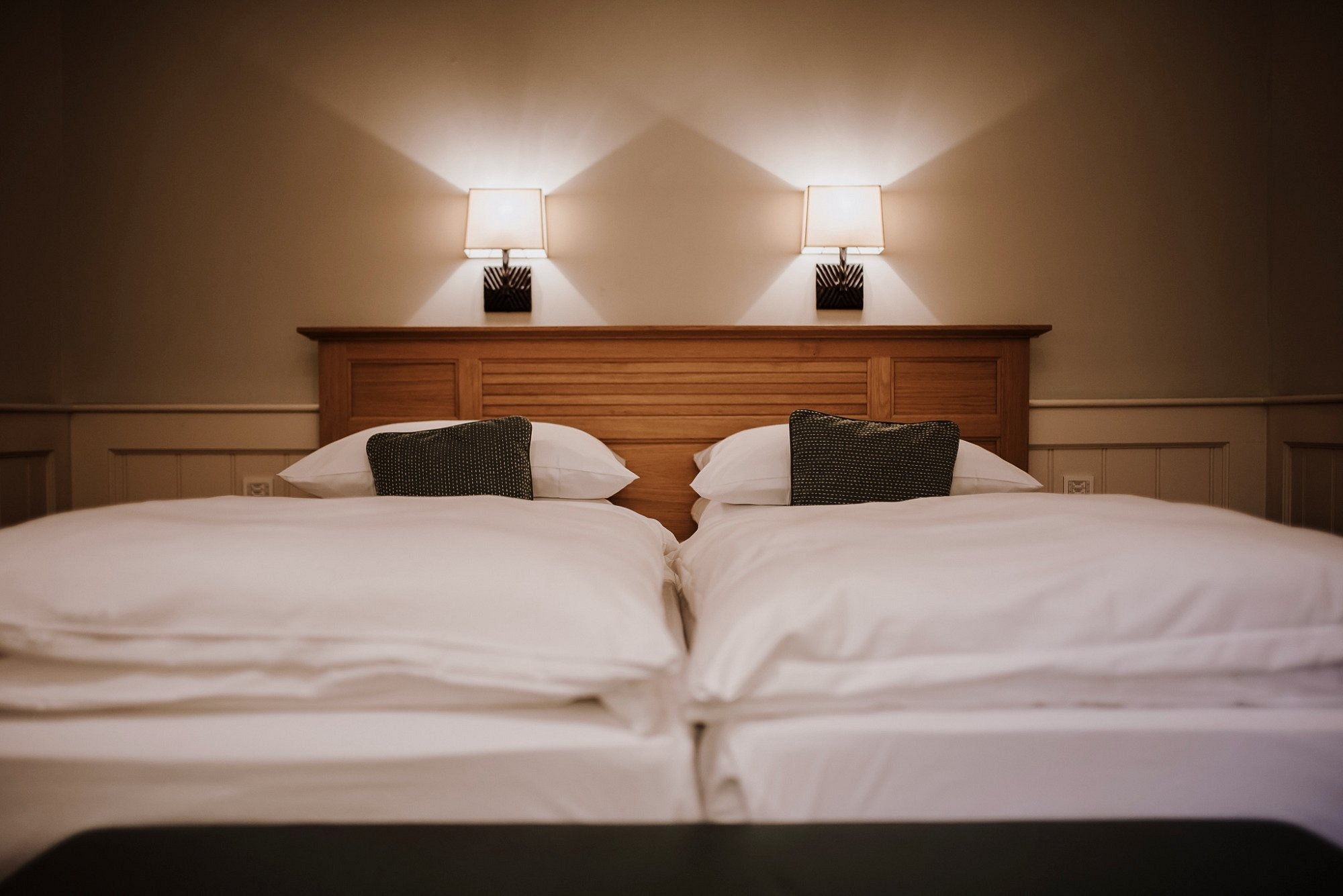
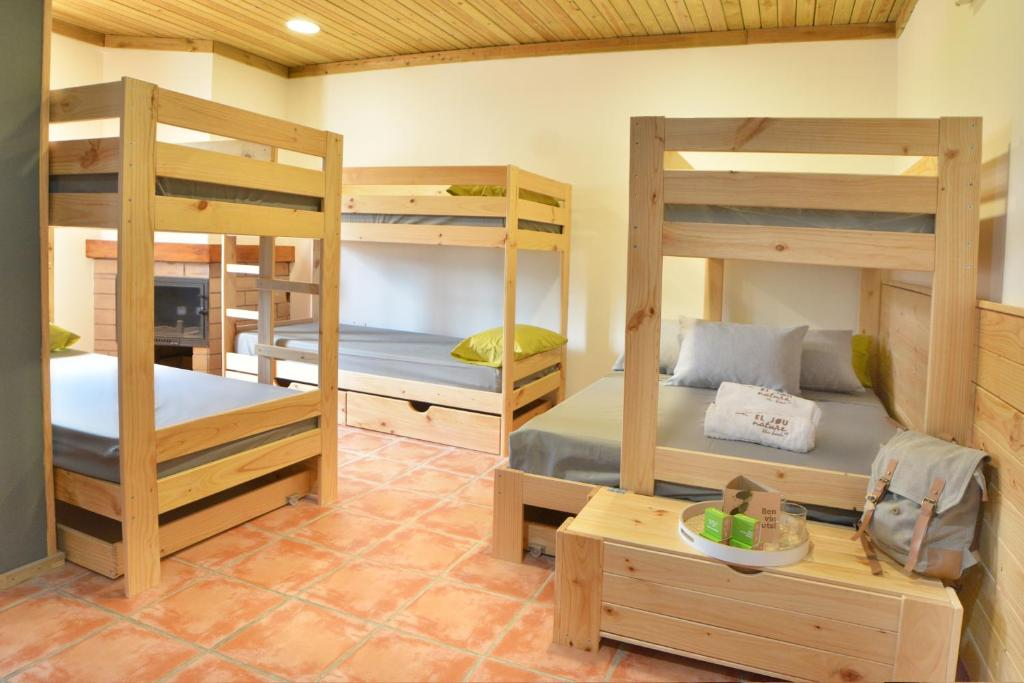
Two completely separate bed frames with ample floor space and storage for two people (not a “zipped-up” together double, not a narrow single plus a sofa bed, and not some awkward loft arrangement).
Use a confidential survey (ideally one run by HR or People Ops) prior to assigning rooms so that people can state their medical, sleep, or other personal requirements without any awkwardness or oversharing.
In our dataset, 51% of retreats start on a Monday and 82% check in between Monday and Wednesday, typically for around 3 nights. Starting early in the week avoids weekend rate spikes, keeps travel simpler, and protects employees’ weekends.
From practical insider warnings to new secret locations, get our monthly, genuinely spam-free newsletter.
Subscribe now

Planning a Company Retreat During Uncertain Times: Navigating Strikes, Protests & Disruption in Europe
Read more
You Can’t Out-Scale a Broken Foundation: Inside Ethical Growth with Neda Sahebelm
Read more


