Home
>
Blog
>
Leadership and culture
>
Building Culture Infrastructure: The Quiet Rebrand of Psychometrics
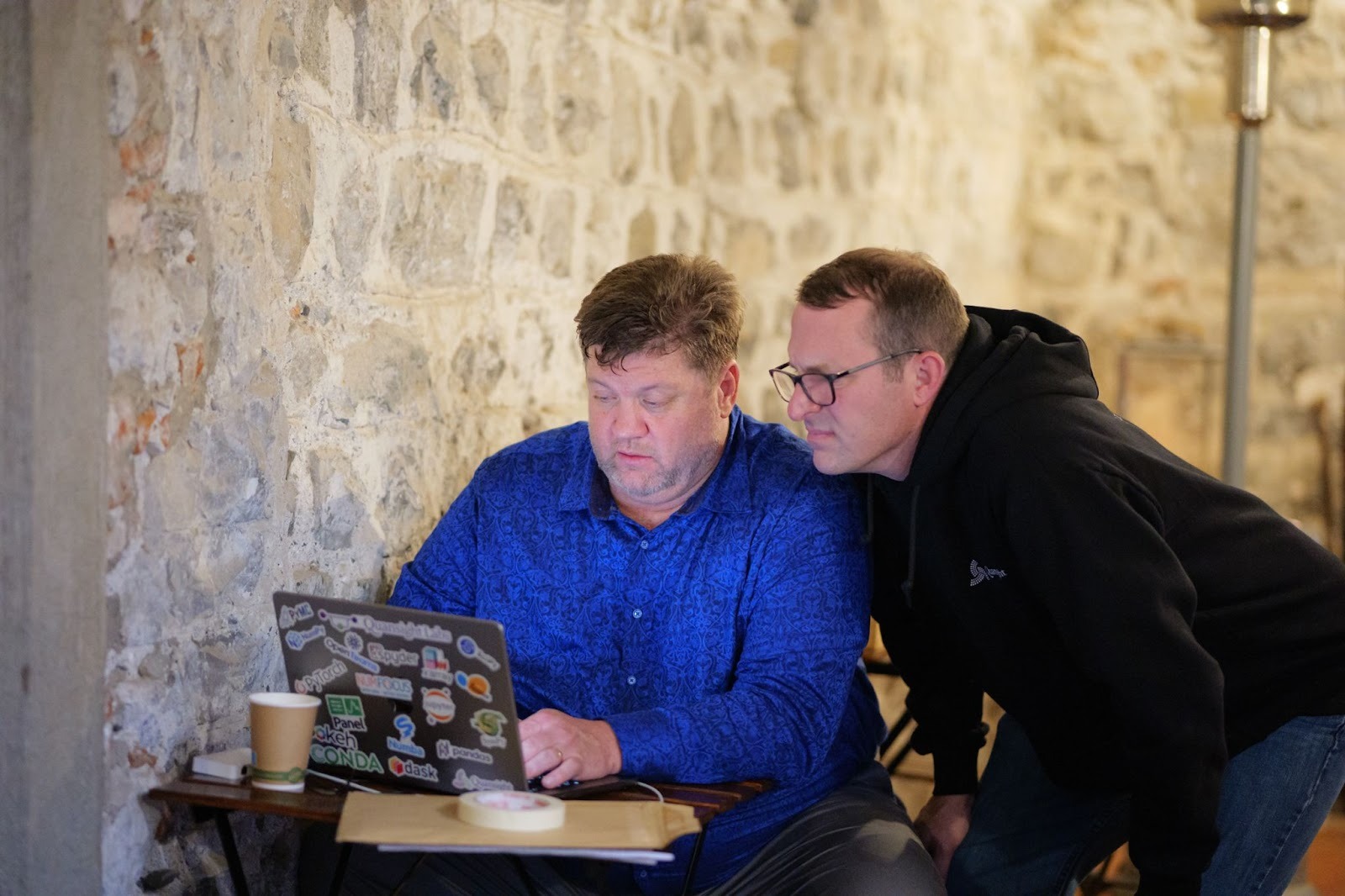
Psychometrics are undergoing a significant shift in how HR and leadership circles view them. The focus is moving from judging how a CV reads or how loud someone is in meetings to designing roles, teams, and offsites around how people genuinely do their best work. For Heads of People and culture owners, this is a clear opportunity: used strategically, psychometrics tools can turn abstract concepts like "engagement" and "team chemistry" into something concrete, discussable, and actionable.
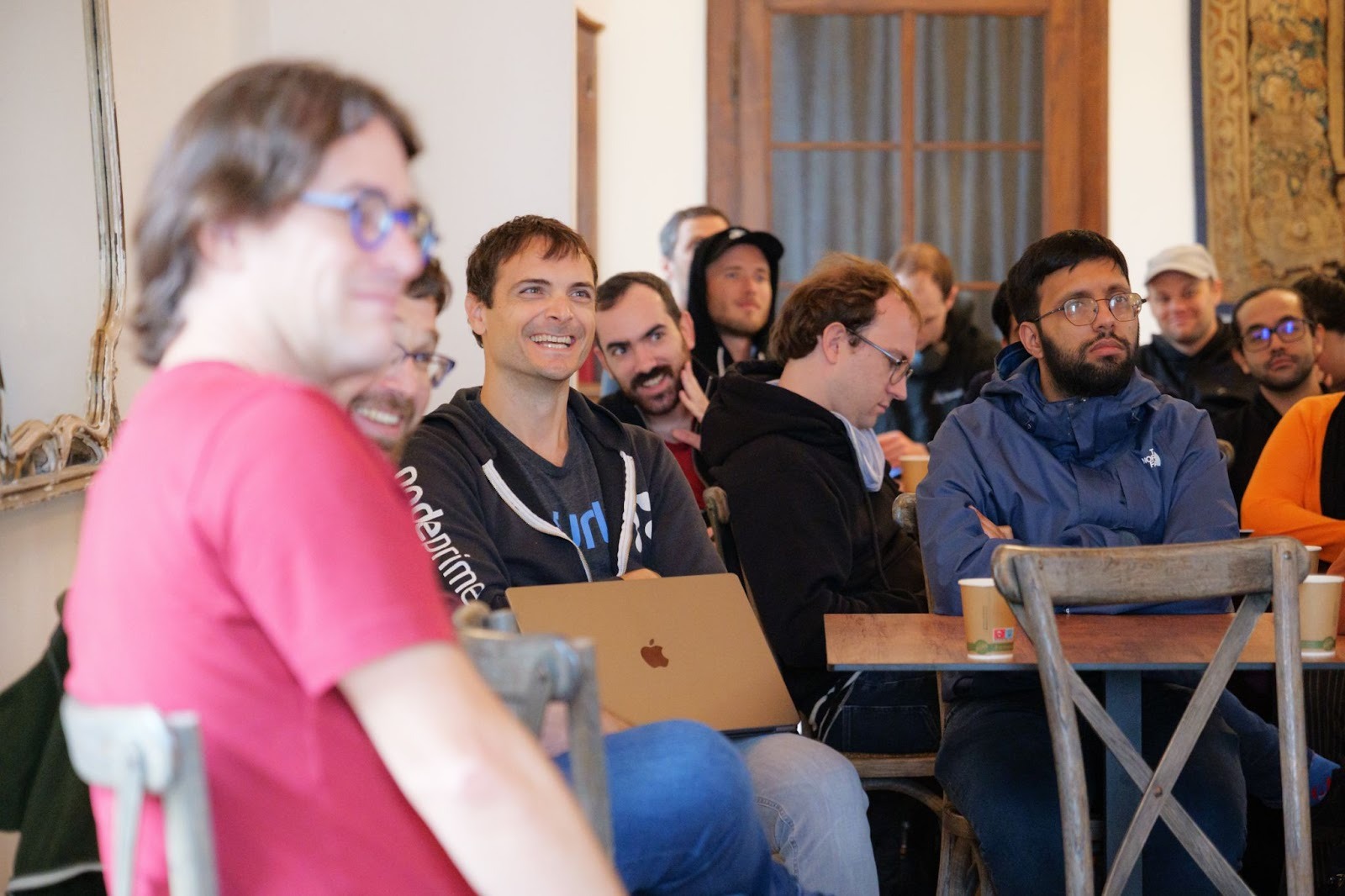
Psychometrics is the study of the theory and technique of psychological measurement. Basically, they are tools, typically standardized tests and questionnaires, designed to measure specific psychological traits.
In a professional context, psychometrics fall into three main categories:
The core value these results deliver is objective, reliable data points that complement, but should never replace, human judgment and experience.

The pressure on HR and leadership is high: with more hybrid setups, higher burnout rates, "quiet quitting," and volunteer turnover, work culture has come under a microscope.
In this context, psychometrics offer something uniquely valuable: standardized, repeatable insights into people's strengths, preferences, and work styles. These insights can inform critical decisions in hiring, development, team design, and change management.
While these tools should never replace human judgment, they give HR and leaders a clearer, more objective view of the system they are trying to improve. Unlike a “gut feeling,” psychometric tools are scientifically validated to consistently measure specific traits or abilities.

Many leaders are already familiar with personality and communication profiles. These models answer the broad question, "Who is this person?" which is practical but often challenging to translate into the day-to-day mechanics of turning an idea into work. What's usually missing is a simple, shared language to map where individuals naturally contribute the most along that journey.
This is where the 6 Types of Working Genius model, developed by Patrick Lencioni, fits in. It focuses specifically on the types of contributions people are energized by across the work lifecycle. It proposes six stages (Wonder, Invention, Discernment, Galvanizing, Enablement, and Tenacity), each corresponding to a distinct stage of moving an idea to completion.
The core insight is simple: each person typically has two areas of Genius (sweet spots that create energy), two Competencies (things they can do well but don't energize them), and two Frustrations (activities that drain them over time).
For leaders planning team offsites, psychometrics can easily become a one-hour novelty session. Used strategically, they become the spine of the entire retreat and the bridge back to daily work.
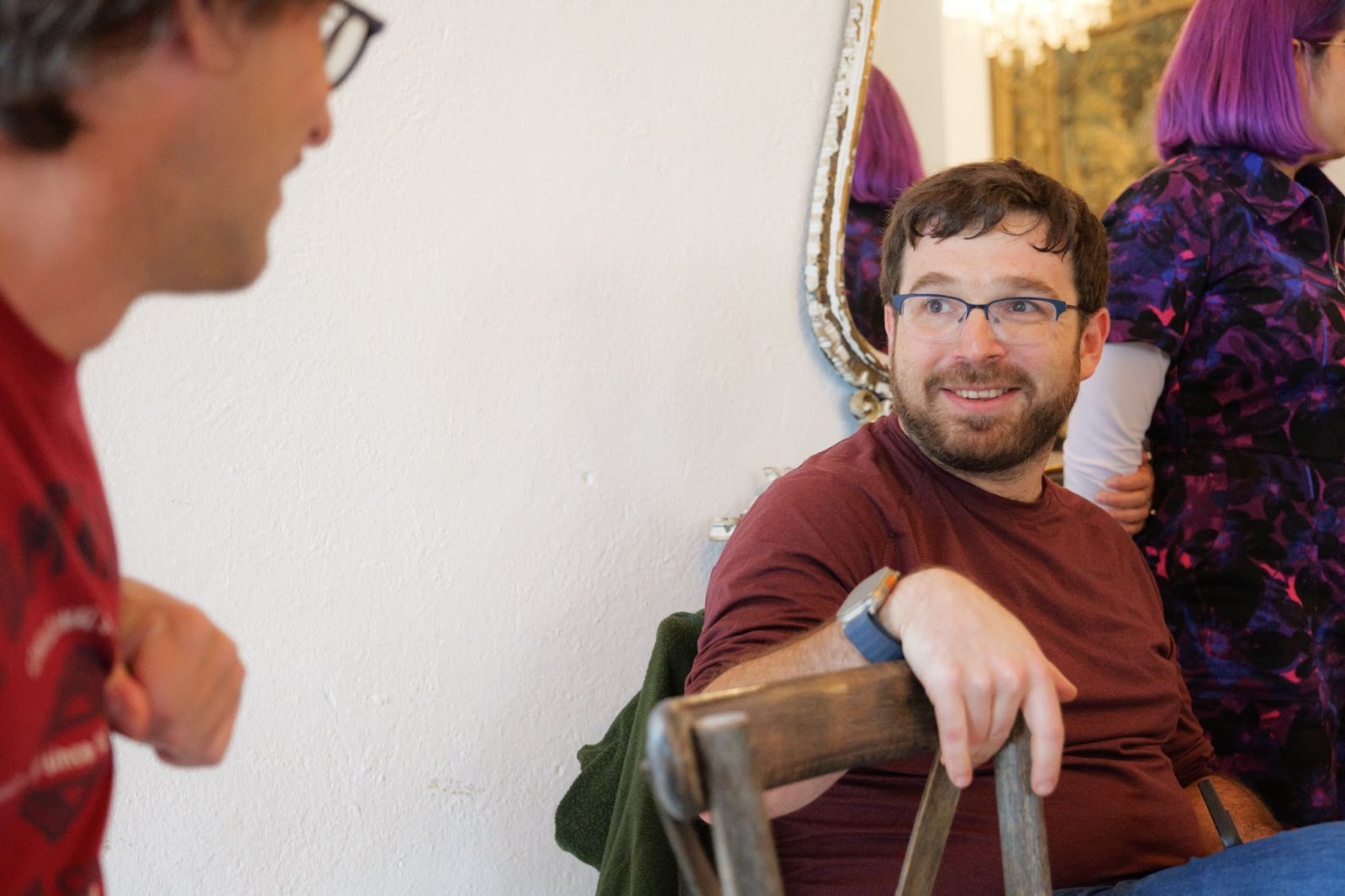
None of this matters if the insights die on the train home. The same profiles used for the offsite must feed into project charters, role descriptions, and performance conversations.
Project leads can tag who is playing which "genius role" on a major initiative; managers can routinely ask where people feel in their genius or frustration zones; and Heads of People can analyze functional patterns to inform workforce planning.
This is the moment for measurement. HR can track perceived role clarity, psychological safety, cross-functional collaboration, and on-time delivery through pulse surveys and project data. Over time, these metrics help show whether aligning work with people’s natural contributions actually reduces attrition, improves engagement, or accelerates strategic initiatives.
For all their promise, psychometrics also carry risks if mishandled. HR leaders must ensure tools used in high-stakes decisions (hiring, promotion) meet high standards of reliability and validity. Organizations must be transparent and clear about why they use assessments and what will happen to the data.
Most importantly, leaders must guard against labels becoming excuses or weapons. A profile should never be used to shut someone down or limit opportunity. The healthiest cultures treat psychometric results as starting points for richer conversations, not verdicts.
For HR, Heads of People, and culture-focused leaders, the question is no longer whether to use these tools, but how to use them strategically. In a landscape where every initiative must justify its cost, psychometrics like Working Genius offer a rare combination: they are simple enough to be remembered, concrete enough to shape real work, and robust enough, when applied carefully, to underpin a more intentional, human, and effective culture.
From practical insider warnings to new secret locations, get our monthly, genuinely spam-free newsletter.
Subscribe now