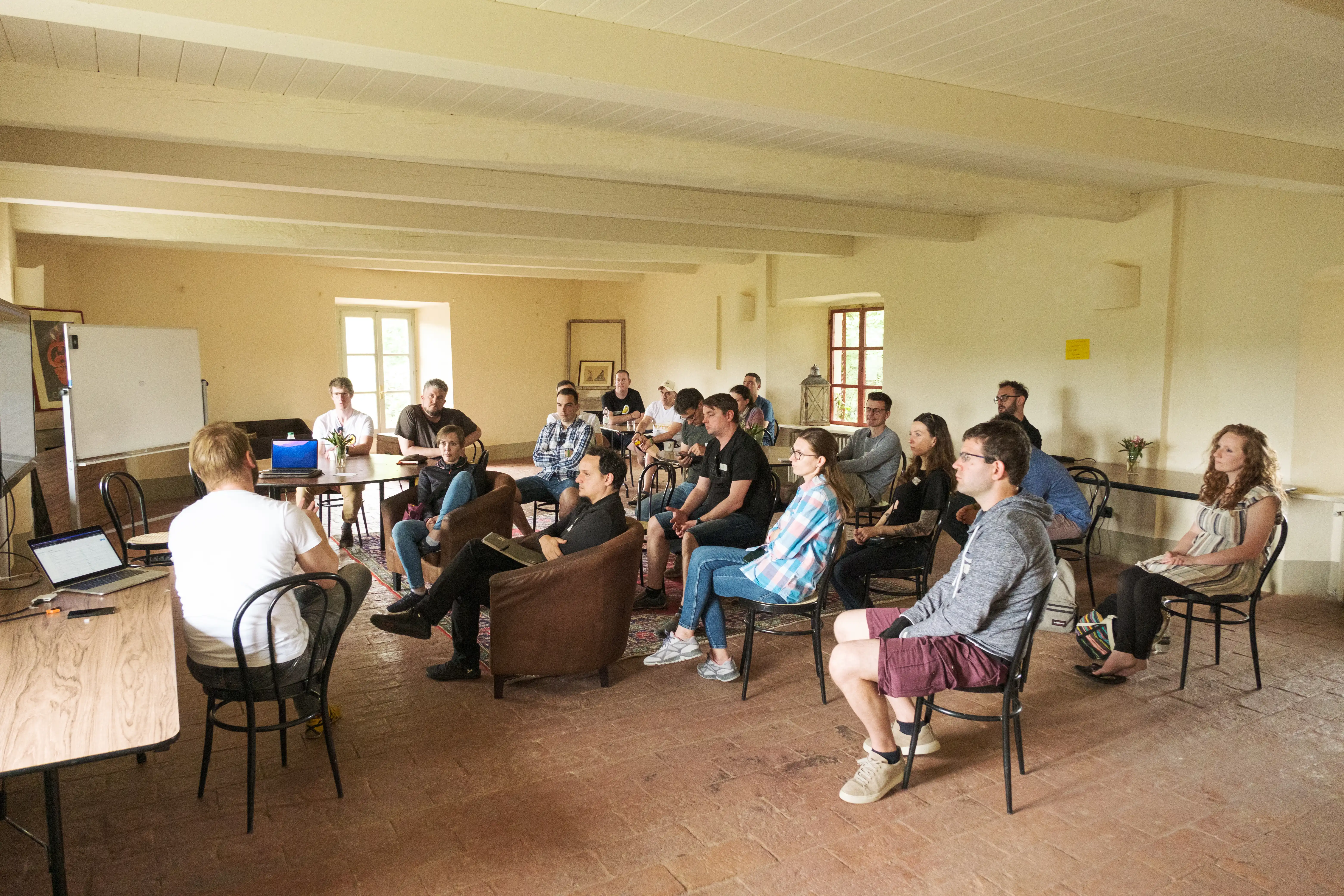
The level of engagement of your team is a key indicator of your company's culture and leadership.
Do you want to "test" your company culture's health? Organize a retreat. Indeed, business retreats are usually an opportunity to gauge how truly employees get involved and can signal trust issues, a lack of alignment, or communication breakdown. It will help you to assess the situation and take meaningful actions if needed.

A business retreat without team engagement can sometimes feel like dragging unwilling teenagers on a family camping trip. A lot of frustration on one side met with cynicism on the other. What is the point?
There are several reasons why your employees might not want to engage, some more concerning than others. Either way, it is essential to understand these barriers or triggers to design better workplaces and retreats.

If employees do not understand how their work contributes to the overall purpose of the company, they will feel less inclined to engage in activities that are supposed to foster team spirit when they already feel disconnected.
When leadership is not appreciated due to micromanagement, unclear direction, or a lack of appreciation, it does not encourage employees to engage positively with so-called bonding activities organized by that same leadership.
When people feel stagnant, with no opportunities to learn, advance, or take on new challenges, their interest and motivation often decline, leading to low engagement rates.

Employees who don't feel appreciated or acknowledged for their efforts are more likely to "check out" and disengage.
If the team does not get along, with conflicts and a lack of collaboration, people will rarely be excited about the prospect of going away together for a few days.
If employees are not provided with the necessary resources to perform their jobs effectively or have low compensation, engaging in team-building activities will likely be the least of their concerns.
For many employees, the lack of time or feeling overwhelmed by other tasks and responsibilities prevents them from participating or engaging in the process.
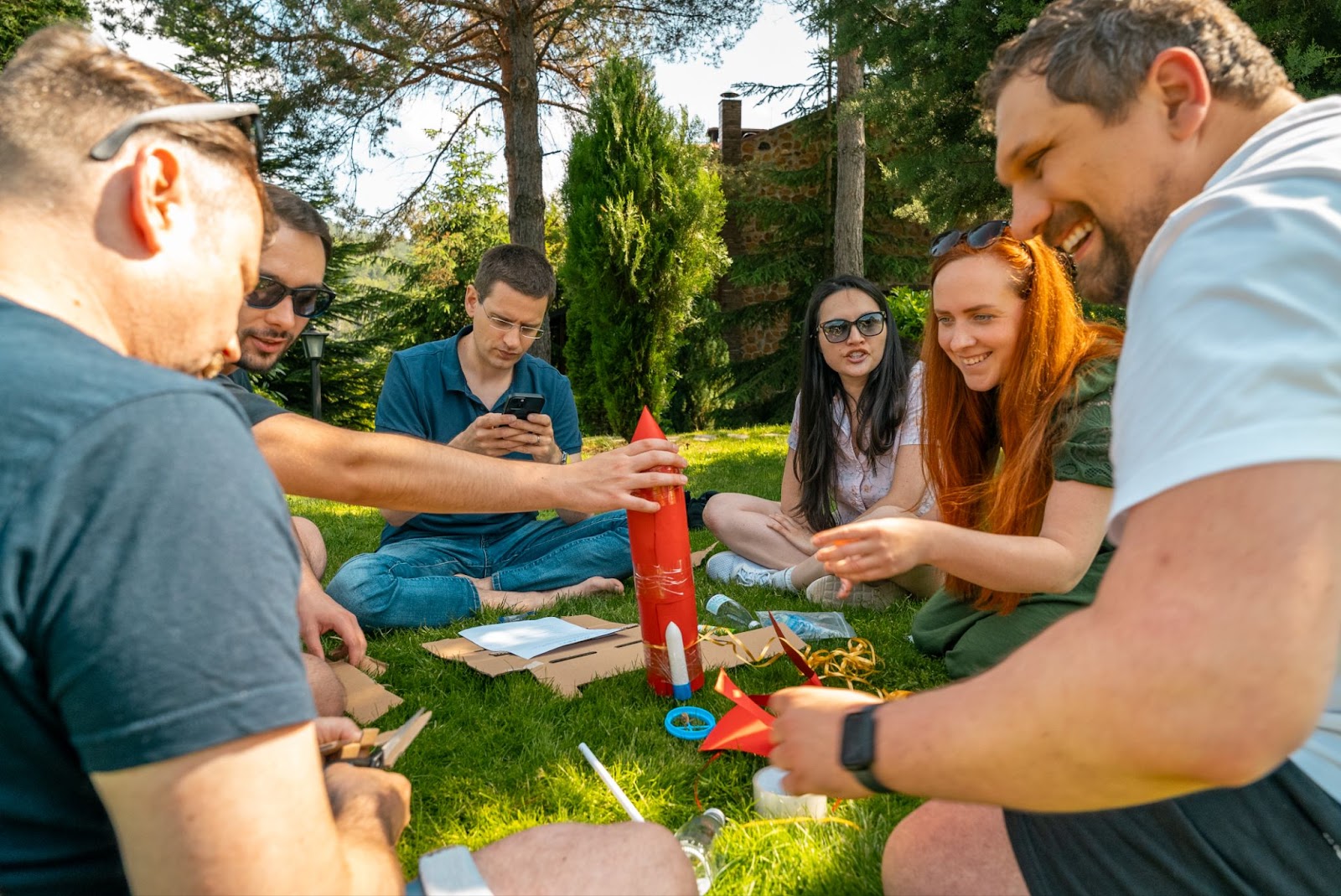
If you host regular retreats and always propose the same thing, repetitive or unstimulating content will lead to disengagement. If the retreat has no clear purpose or goal, people will not feel encouraged to participate, as they will see it as a waste of time.
If retreat or team-building activities don't align with an individual's personal interests, comfort zones, or abilities, they may feel excluded or uncomfortable, which reduces their willingness to participate.
If people believe that activities are superficial or that the initiatives lack genuine intent, they may become cynical and disengage from them.
Sometimes, people are unaware of or struggle to understand how to participate due to insufficient or unclear communication.

Stress, health issues, or personal life events can make it difficult for employees to fully engage. That is when it is essential to show empathy and flexibility.
Some people avoid engagement as a way to cope with stress, anxiety, or fear of failure, which can lead to procrastination and further disengagement.
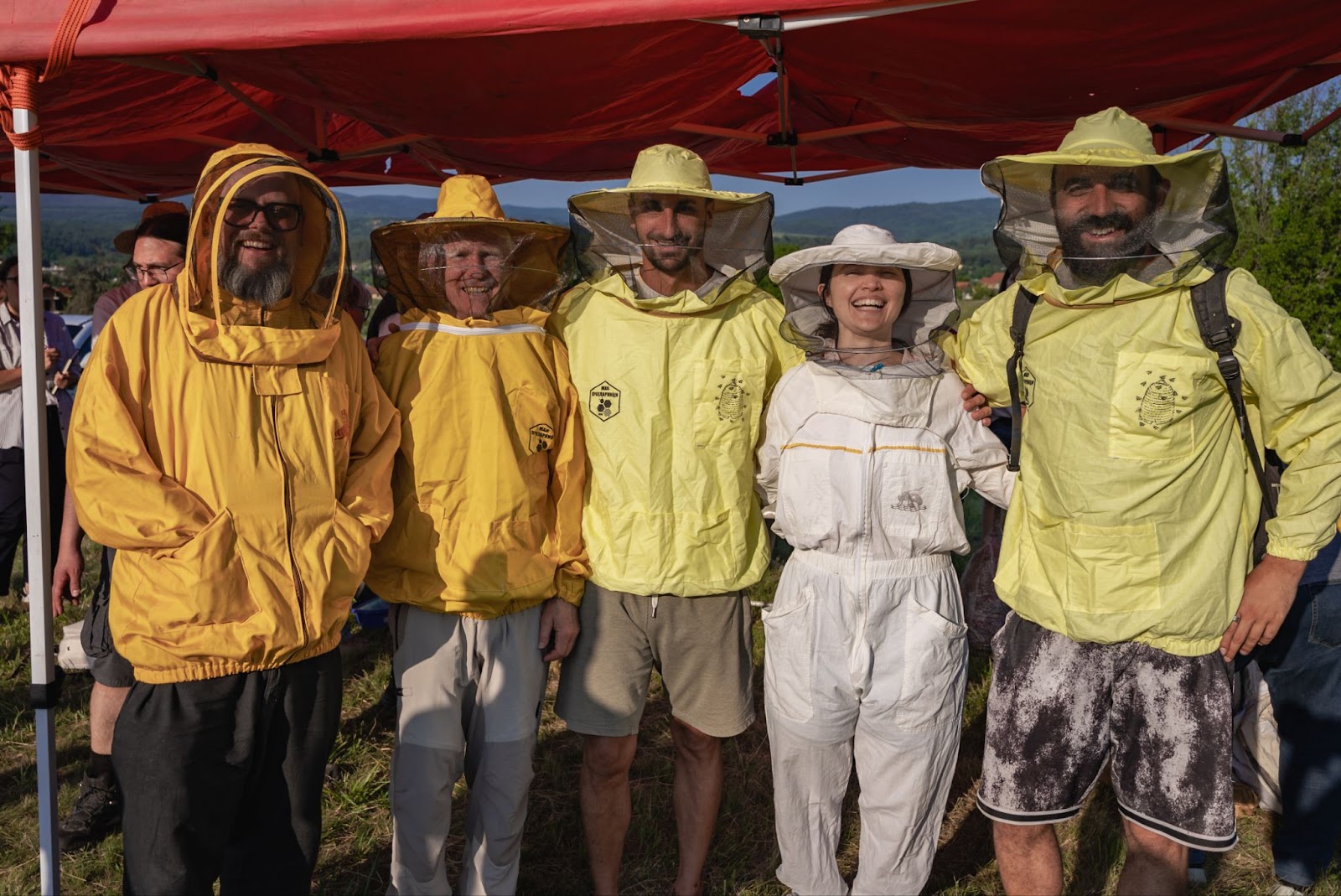
High engagement is an overall green flag! When your team is excited to go away together, proposes activities, and joins all the sessions, you know you will have boosted morale and motivation, as well as stronger team cohesion. It's a virtuous circle. When people feel valued and appreciated, they are more likely to engage, which in turn makes them happier and more enthusiastic at work, often leading to increased loyalty and retention rates. In addition, the more your employees engage during a team retreat, the more opportunities they have to connect on a personal level, which will foster greater trust and team cohesion, ultimately improving future collaboration, creativity, and innovation as they trust each other more and feel less apprehensive about sharing ideas.
All in all, it reinforced the company culture and improved well-being at work!

To drive more engagement during a team retreat, focus on strategies that are inclusive, purposeful, and tailored to your team's needs. Here are some key suggestions we consistently implement:
Define what you want to achieve (such as team building, strategic planning, or celebrating milestones) and ensure that you communicate this to your team.
To the greatest extent possible, involve your employees in the planning process to ensure that activities are relevant and inclusive. One way to do so is to have employees suggest topics and activities or even lead sessions.
Offer a mix of structured team-building exercises, creative workshops, and wellness sessions to cater to diverse interests and abilities. Make sure to have something for "everyone" (active, more chill or creative). Another option is to run two or three activities simultaneously if your team is large enough, so people can choose what they prefer.
Make it a priority to have leaders and managers participate actively, without overpowering everyone, to set the tone and lead by example.
Use retreats as a platform to acknowledge individual and team achievements, reinforcing a culture of appreciation and making people feel seen, accepted and like they belong.
Use this opportunity to make sure everyone is being heard. Facilitate open discussions, brainstorming sessions, and opportunities for feedback.
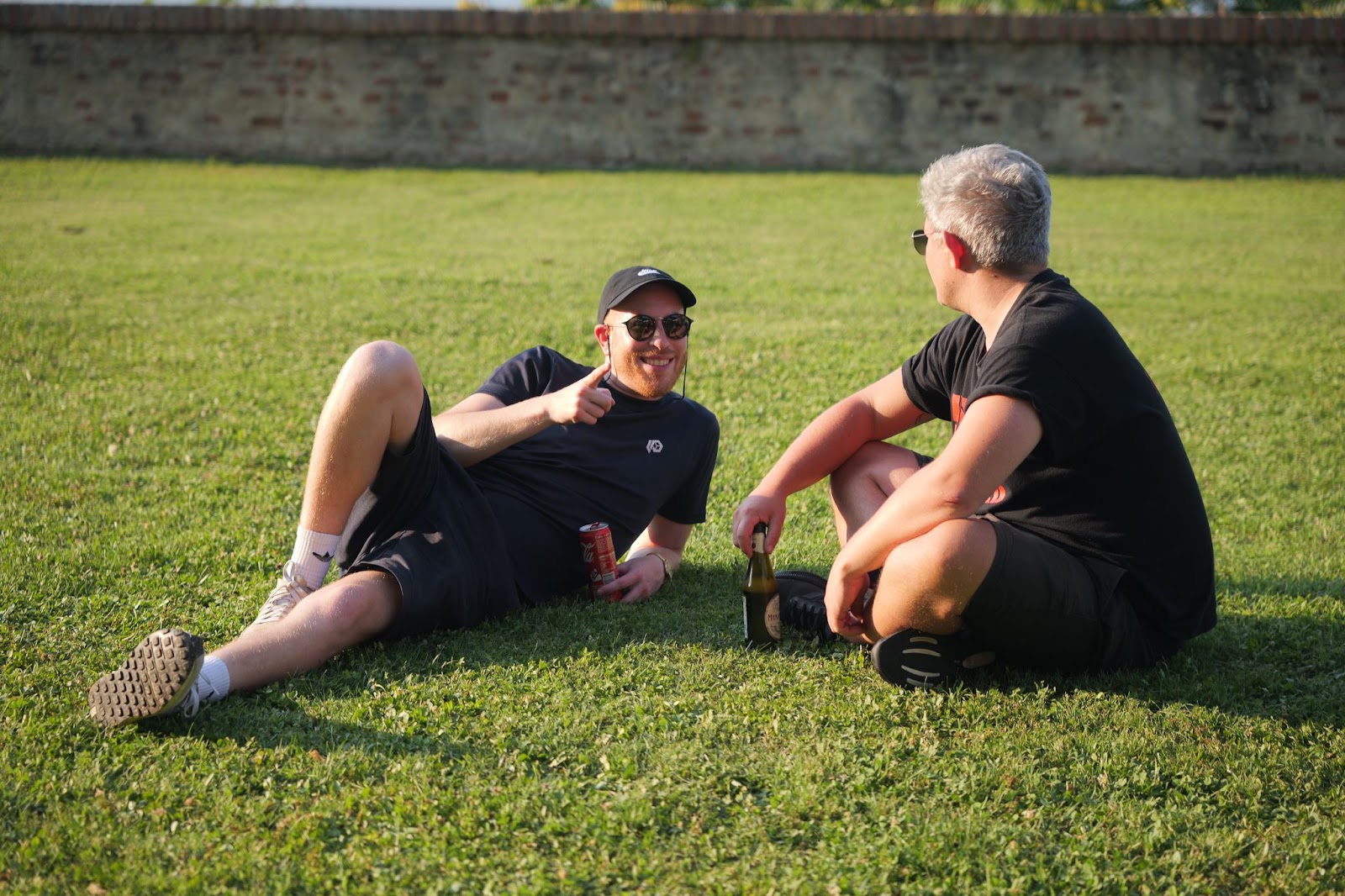
Ensure that all employees, including those working remotely and new hires, feel welcome and involved.
Combine goal-oriented sessions with downtime for informal bonding and personal recharge. Leave space for serendipity! Don't overload the schedule with strategy sessions. Dedicate equal time to enjoyable, non-work activities.
Find the right balance between fun and cringe. Don't force employees to do things that make them uncomfortable, and make sure they are not being shamed for it (that could involve drinking alcohol or participating in activities such as karaoke or improve or any other that might make people feel insecure and uncomfortable. Have fun, but respect boundaries.
Focus on meaningful interactions and genuine conversations rather than forced team-building exercises or superficial activities. Avoid activities that feel performative or disconnected from daily work realities.
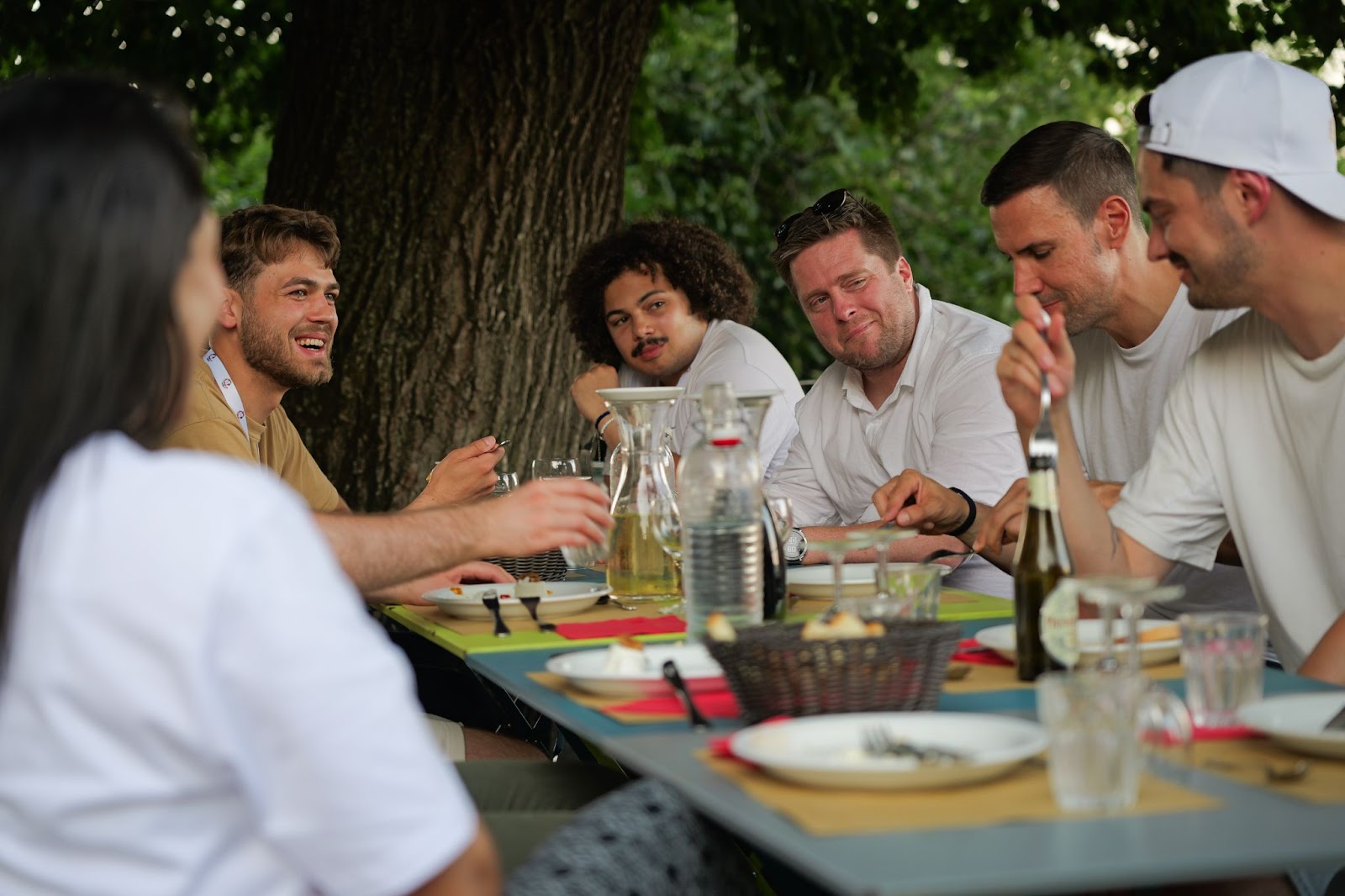
Pay attention to details, such as personalized welcome notes, curated breakout sessions, and designated areas for informal socializing.
Ensure that dietary and mobility needs are accommodated and leverage the venue's unique spaces to stimulate creativity, foster connections, and promote relaxation.
make sure to review past events' feedback, ask for people's opinions beforehand and gather feedback after the retreat to understand what worked and to inform future events
Employee engagement is the cornerstone of a successful retreat. By actively involving employees in both the planning and execution of retreats, you can foster deeper connections, boost morale, and drive lasting improvements in productivity and retention. However, if your culture is deeply flawed, you will have more groundwork to do to nurture engagement at your retreat. You can then use your business retreat as a starting point towards a more inclusive and collaborative environment and see it as an investment in the people who power your organization.
From practical insider warnings to new secret locations, get our monthly, genuinely spam-free newsletter.
Subscribe now
%20(4).jpeg)