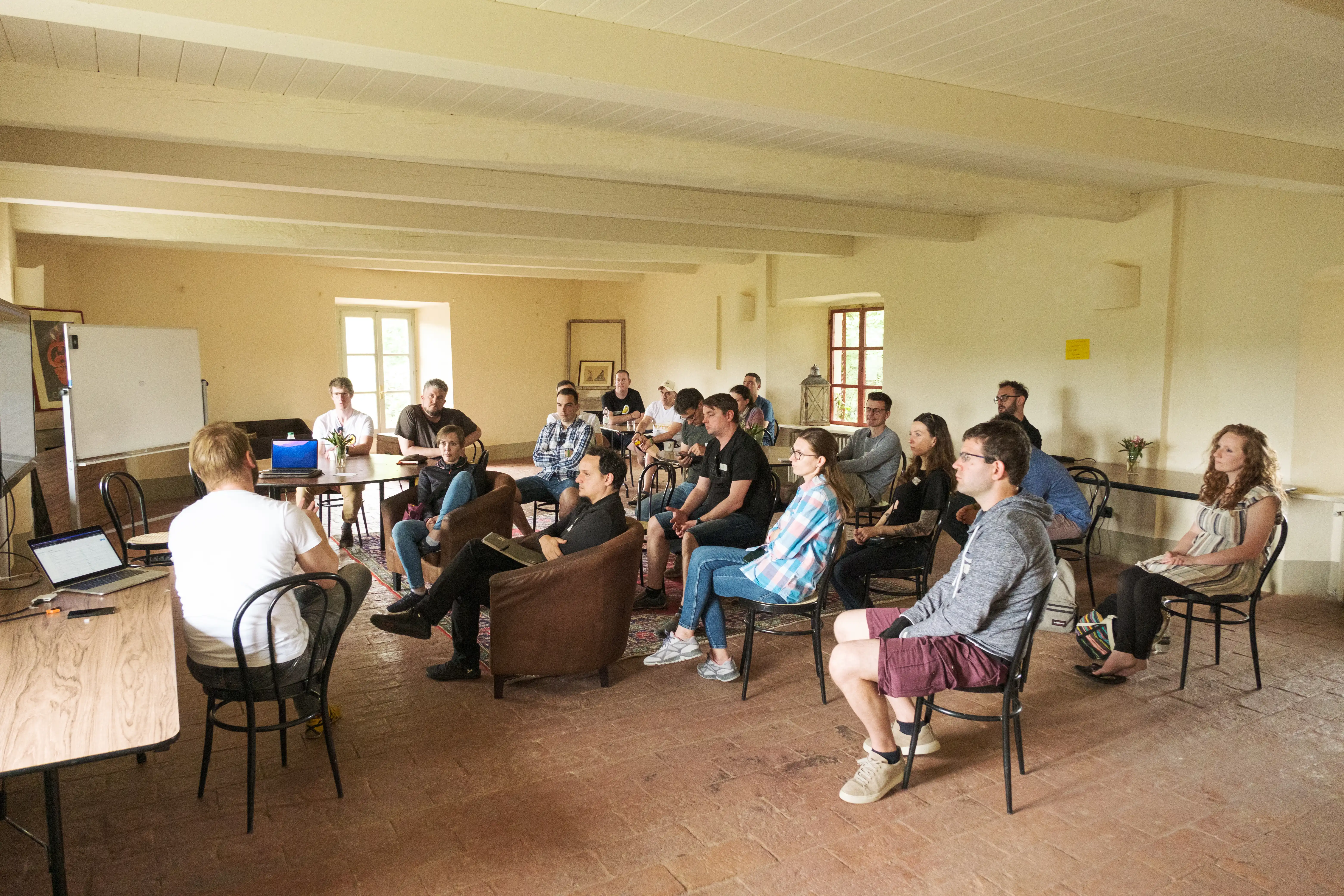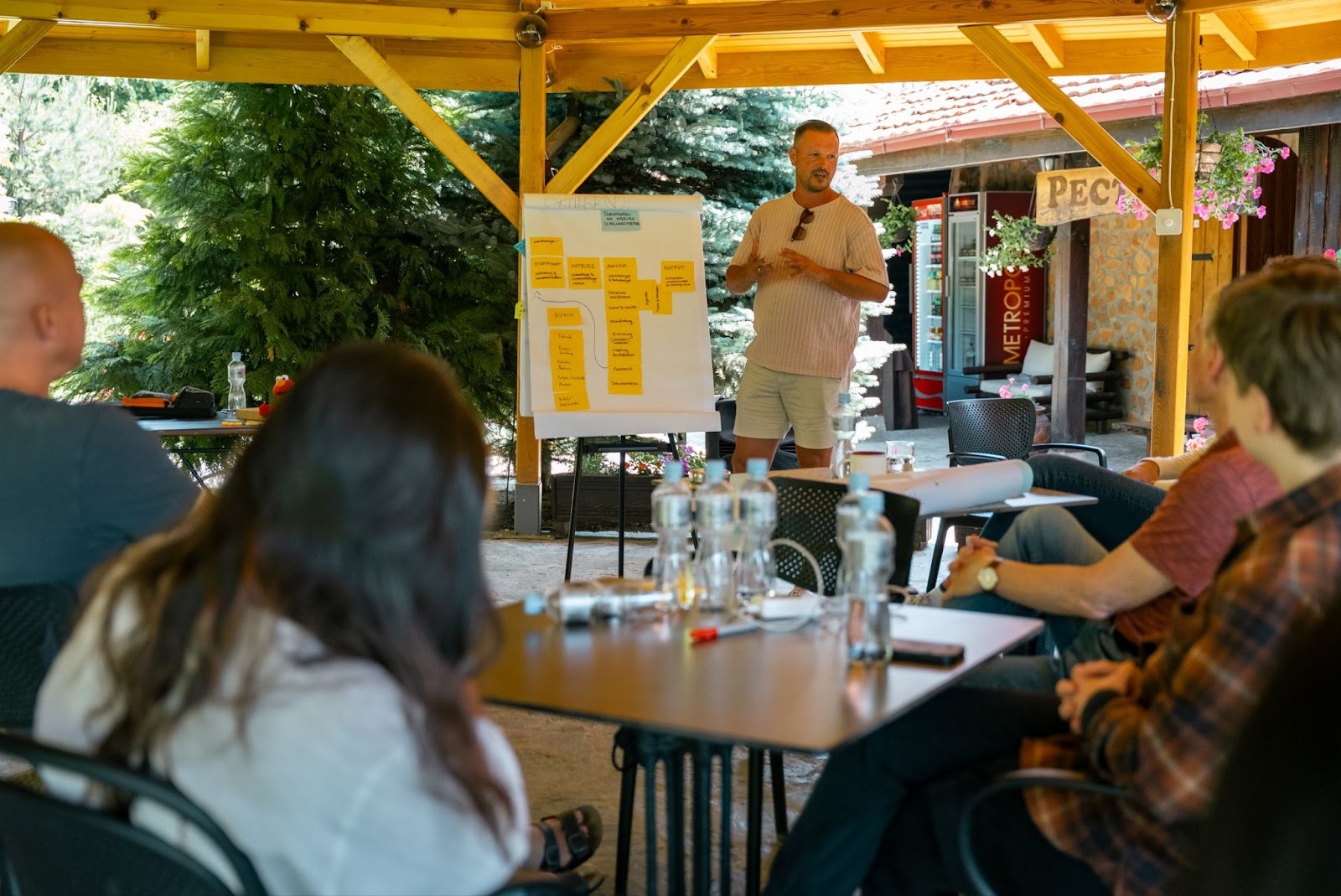
The location is secured, the dates are booked, and all that is left to do is figure out the agenda. Between shared meals, activities, and workshops, we love to propose a guest speaker when it is a good fit.
A brilliant one can bring fresh perspectives, stimulate engagement, and even provide actionable insights. But a poorly chosen one is just an expensive filler. Don't worry, we're here to help you get this right, so your speaker becomes a catalyst for real change.

Why can't the big boss do it? Of course, the CEO or anyone else in leadership can absolutely present at a team retreat. Still, external speakers often offer distinct advantages that internal leaders may struggle to achieve.
Employees are usually very familiar with the CEO's voice and perspective, so their presentations, however well-intentioned, may start to feel routine and less engaging over time. An outside speaker provides an objective, fresh viewpoint that is often received with more openness and curiosity than internal messaging.
In addition, employees may be hesitant to express opinions or challenge ideas in front of leadership, limiting genuine engagement or innovation. Meanwhile, a professional speaker brings expertise in engaging groups, storytelling, and shifting mindsets, skills that many business leaders may not possess at the same level.
Internal speakers, such as the CEO, are closely associated with company strategy and performance, so their messages can come across as directive rather than inspiring. External speakers are seen as neutral and objective, and their content is perceived as educational rather than prescriptive. That neutrality often makes employees more receptive, ensuring the retreat achieves the intended impact.
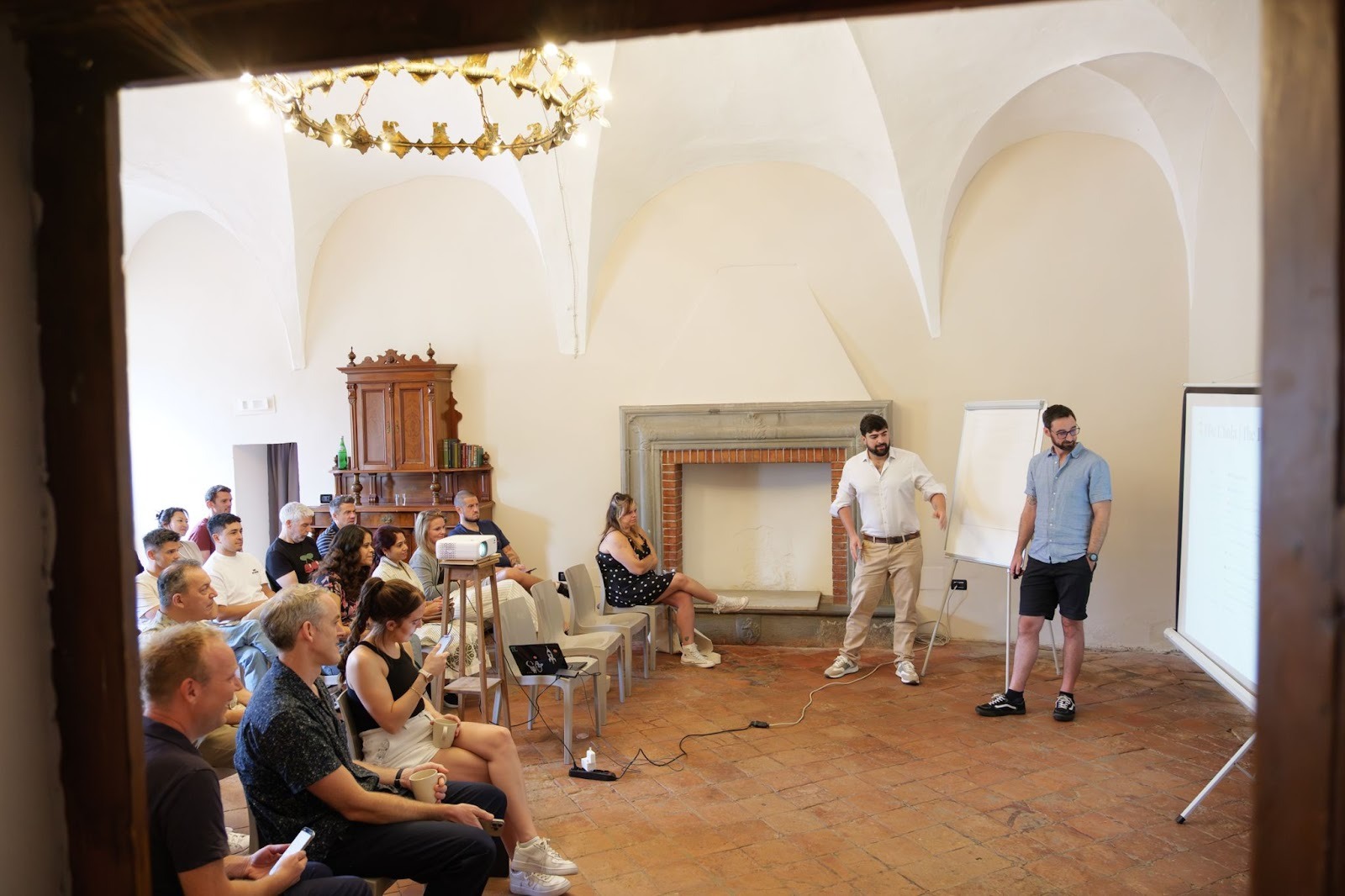
Like everything else you do when planning your retreat, you need to keep focus on the goal.
It's tempting to start with a speaker list of famous founders or adventurers you admire, but you need to resist that urge. You should always define your core business and human outcomes first. What do you need the speaker to help you with?
Once you have your goal, you can pick the right format. A keynote is great for a big vision reset, a workshop for building an immediate, tangible skill, and a (camp)fireside chat works wonders for authenticity and deep Q&A.
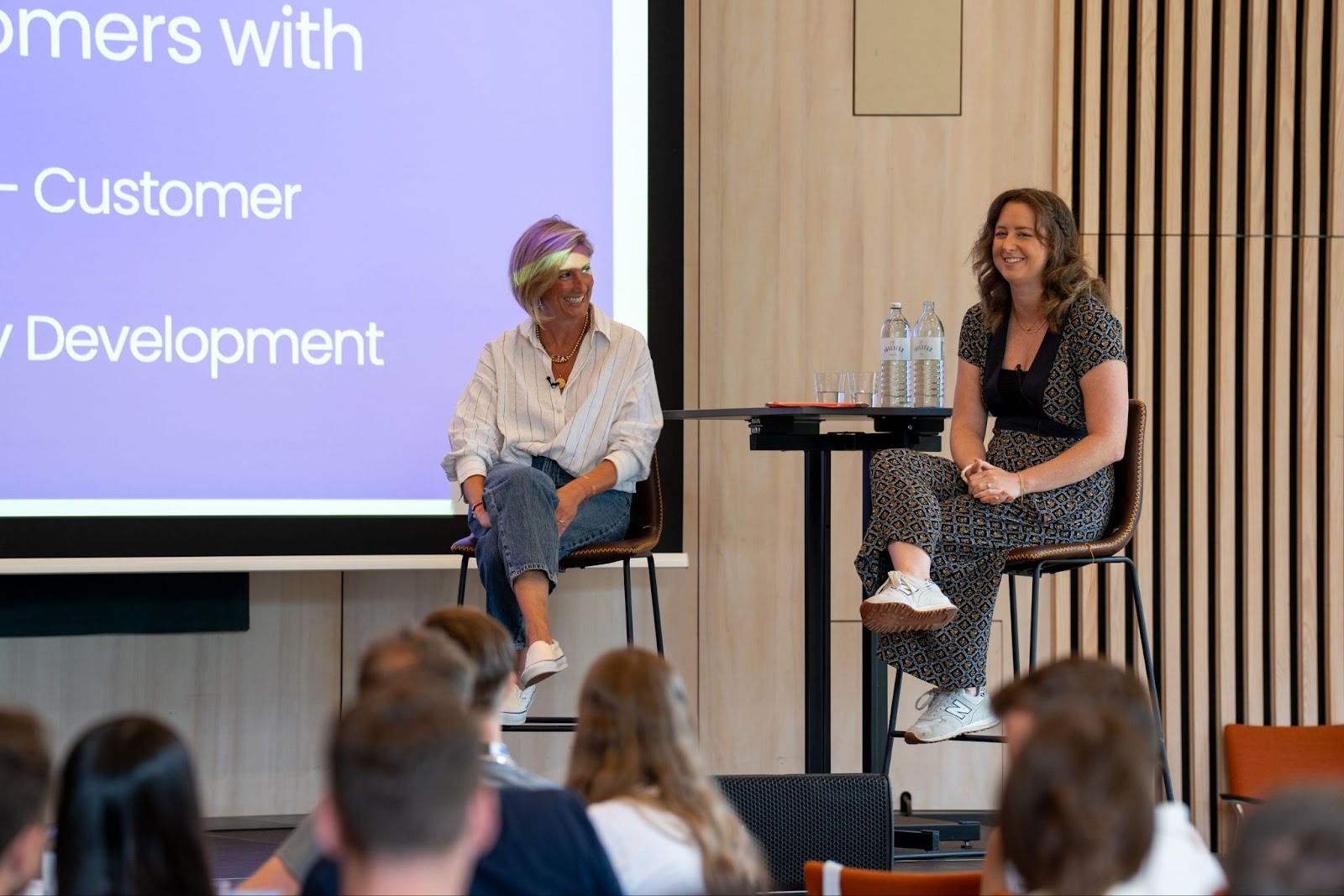
Not all guest speakers are created equal, nor are their fees.
These are the big-stage people, great for a moment of vision reset or big transformation. But they can sometimes feel too generic, like a "conference talk" that doesn't quite land with your specific challenges. If you're paying for a big name, make sure they go beyond the buzzword-heavy speech and can really answer your team's needs.
These are the experts who've lived it, be it founders, social entrepreneurs, or even adventurers who've navigated the highest mountains. Their real-life stories of resilience, values in action, and navigating uncertainty are like gold for a retreat. They offer role-model stories that genuinely tie back to your team's strategy and culture.
We know we said to go external, but in some cases, the best voice is already in the room. It is not always who we think it is, aka, the top leader. A customer or employee who shares an authentic story is compelling because it resonates with authenticity and ties directly to current challenges. The challenge here is ensuring that hierarchy and status don't immediately undermine the psychological safety you need for an open exchange.

When you're choosing, prioritize fit over fame. Here are a few things to think about:
Customisation is Key: Are they willing to tailor their content to your specific team, rather than just delivering their standard deck?
Interactive Style: Do they encourage questions and participation, or is it a "sit-and-soak" lecture? Your team needs time to talk to each other, even more than they need to listen to an expert.
Pre-Event Co-Design: Are they open to a pre-booking chat to discuss your objectives and taboo topics? This shows you they're serious about being a partner.
Cultural Vibe: Do they get the unique culture and tone of your organisation?

Just like in a play, the timing matters, and your venue is definitely one of your best supporting actors.
Whatever you choose, stress the need for buffer time and follow-on discussions. The biggest pitfall is rushing straight from a powerful talk into the next activity. Your team needs time to unpack what they've heard and turn the inspiration into action.
You've sorted the big, philosophical stuff. Now is the time to plan for what could go wrong. So it doesn't.
No matter what you decide, keep in mind that the speaker is not the main event; they are a helpful tool. The value comes from treating them as a genuine partner in your culture and strategy work, especially when your immersive nature retreat already provides the perfect storytelling backdrop.
From practical insider warnings to new secret locations, get our monthly, genuinely spam-free newsletter.
Subscribe now
%20(4).jpeg)