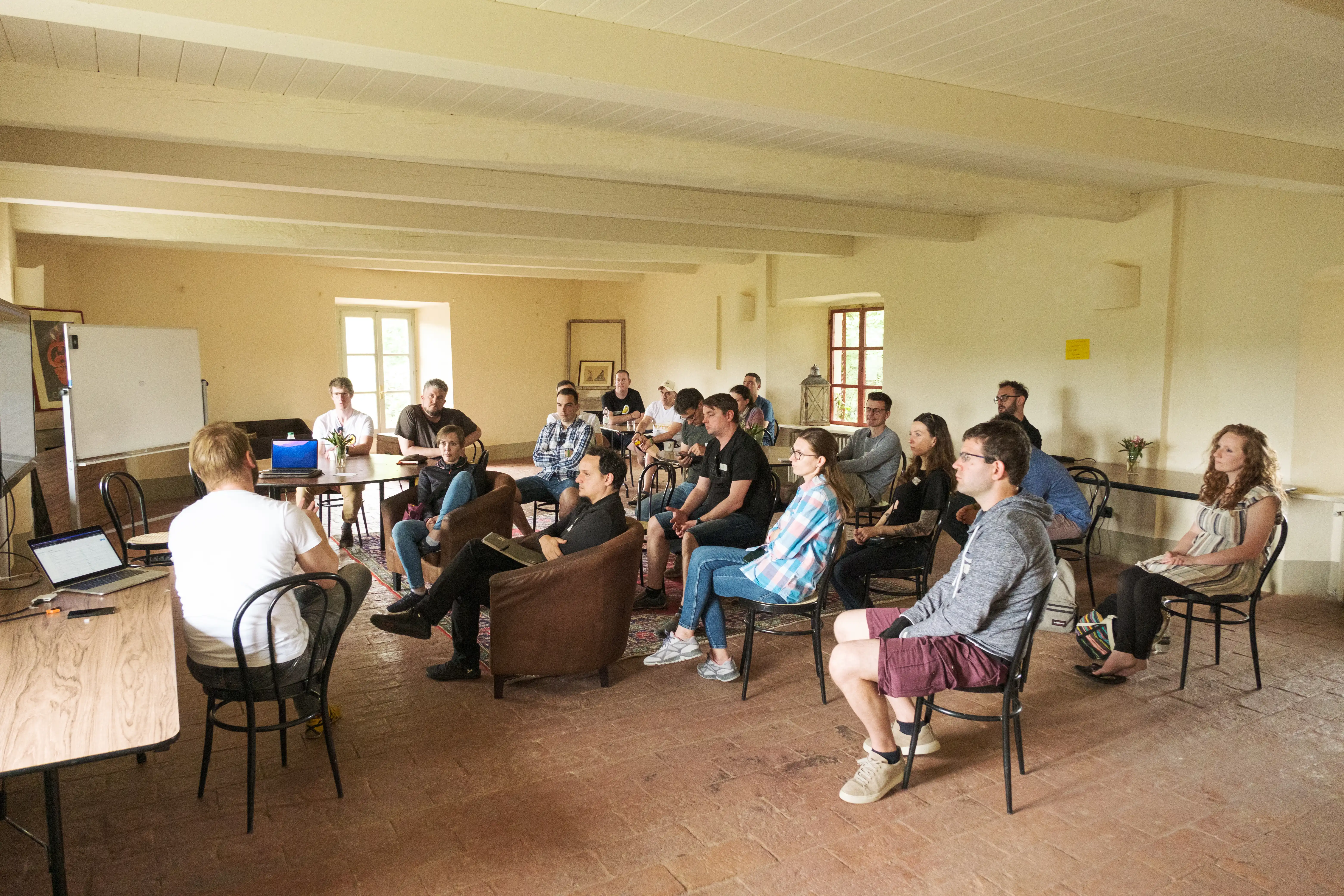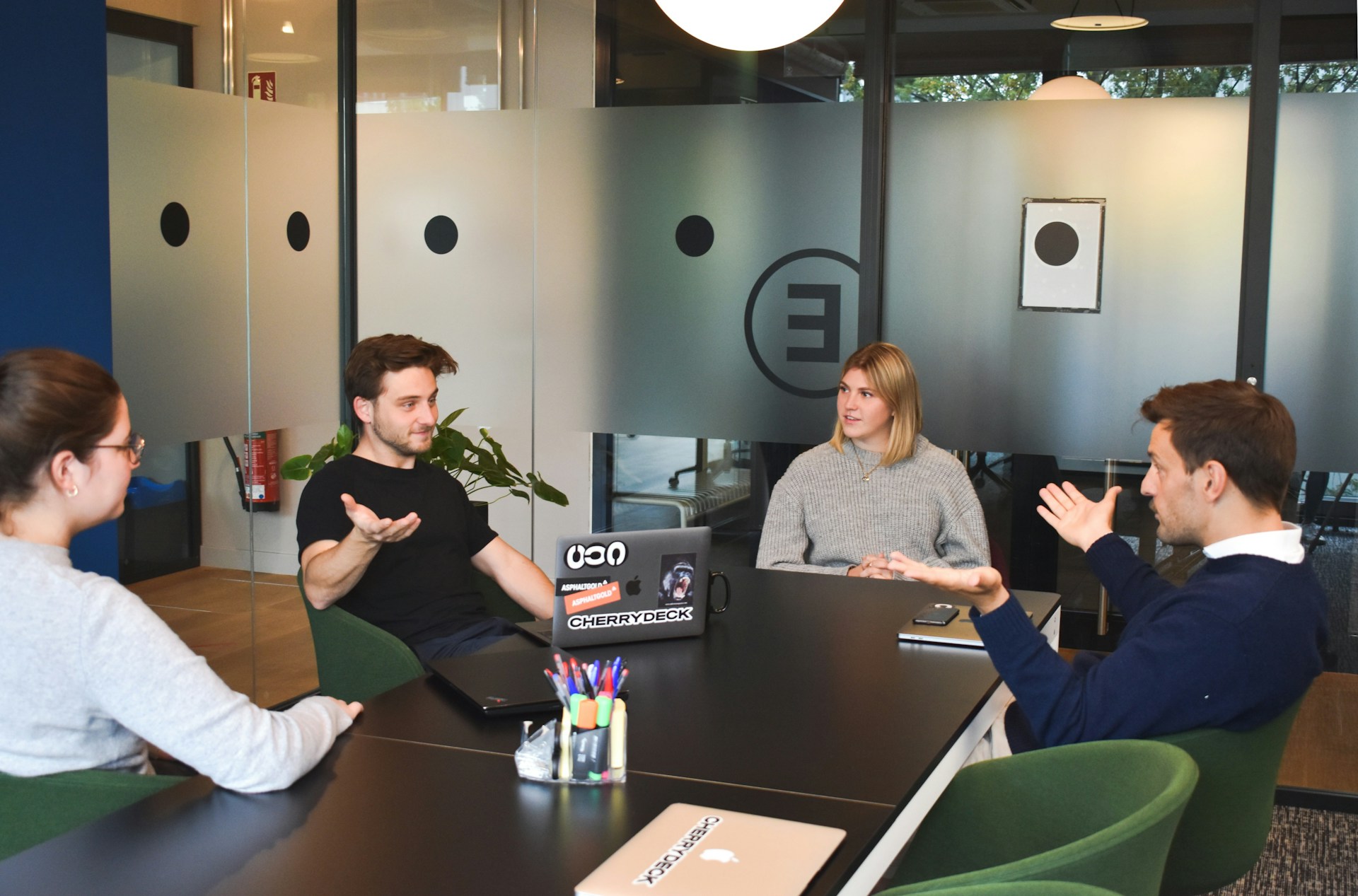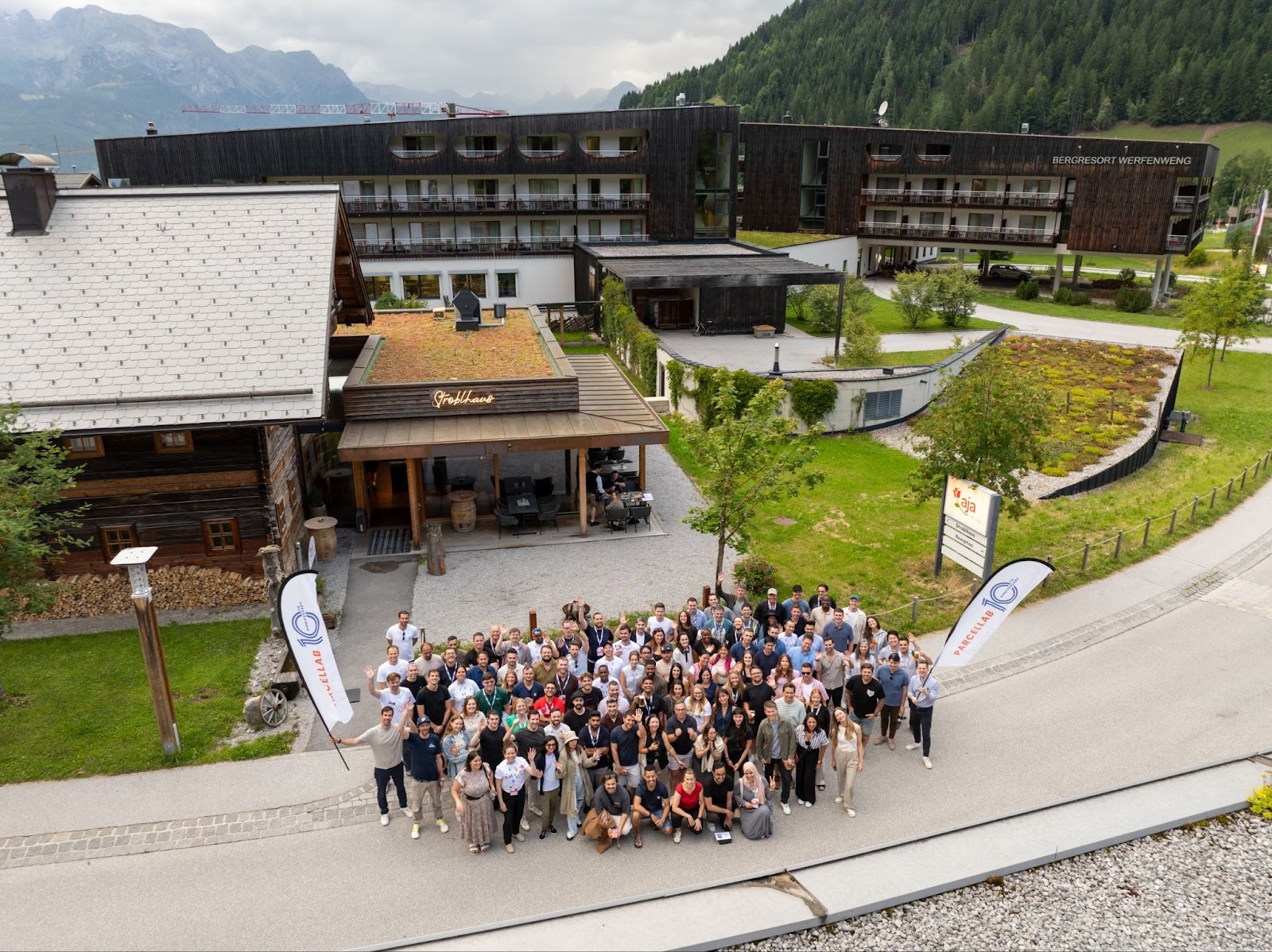
The rise of distributed teams means employees no longer have routine face-to-face interactions. Hence, annual events alone are insufficient to build lasting relationships, regularly enhance collaboration, and ensure alignment. With less day-to-day in-person contact, teams must create regular high-touch moments to foster trust, maintain team cohesion, and provide cultural consistency. In that context, more frequent offsites offer proactive opportunities to connect, address issues, and innovate in real time. In addition, new generations of employees want retreats that respect their time and are purposeful, with clear links to business objectives, learning, wellbeing, or problem-solving, rather than just generic "team bonding".
Business environments are changing quickly. Organizations are under pressure to demonstrate that the time and resources spent on retreats yield clear returns, such as improvements in morale, engagement, cross-functional collaboration, and productivity, while also addressing strategic needs. That is why frequent, focused gatherings make it easier to measure and sustain these benefits. They are far more effective than waiting for an annual event.

Gone are the times when we splurged the remaining of the yearly budget on a trip with little care for goal and purpose, or flying into the airport to book a meeting room there and fly back.
The industry has noticed a shift between pre- and post-COVID times in terms of frequency, format, duration, activities, and even ROI.
Before 2020, retreats were often annual or biannual, with broad goals like general team bonding or executive planning. They were sometimes seen as perks or breaks rather than strategic necessities. They were predominantly in-person in a single location, focusing on leisure activities, trust falls, team games, and informal socializing. Strategy and planning sessions were often separate or minimal parts of the agenda. Yearly multi-day events in resort-like venues were popular.
Nowadays, retreats are more frequent (2.6 offsites/year), held quarterly or in modular formats, to continuously maintain cohesion for hybrid/remote teams and respond to the need for greater agility and adaptability. They are also shorter (3-4 days), located in inspirational settings, more one-of-a-kind, logistically accessible, and strongly consider sustainability and wellness.
They are highly purposeful, tightly aligned with business objectives like innovation, wellbeing, and culture reinforcement.
To remain inclusive, the formats have evolved, and technology brings people together even when they are apart, offering more flexibility in in-person attendance and remote experiences. The agendas now blend strategic workshops, innovation labs, wellness sessions, and purpose-driven team building designed to produce measurable outcomes. Activities are chosen to boost creativity, problem-solving, and psychological safety.
Pre-COVID, ROI was largely anecdotal or based on broad sentiment and occasional productivity metrics. Intangibles like morale and trust were accepted without rigorous tracking. Today, however, there is a stronger emphasis on data-driven impact measurement, using surveys, KPIs linked to business goals, retention stats, and precise tracking across engagement, innovation, and performance. Retreats today are considered more of a critical tool for building culture and boosting innovation. It is an integral part of the strategy of most companies.
This shift reflects broader changes in workplace culture and the critical role retreats now play in connecting and aligning remote or hybrid teams.
Retreats are now intentional and not just a "habit".
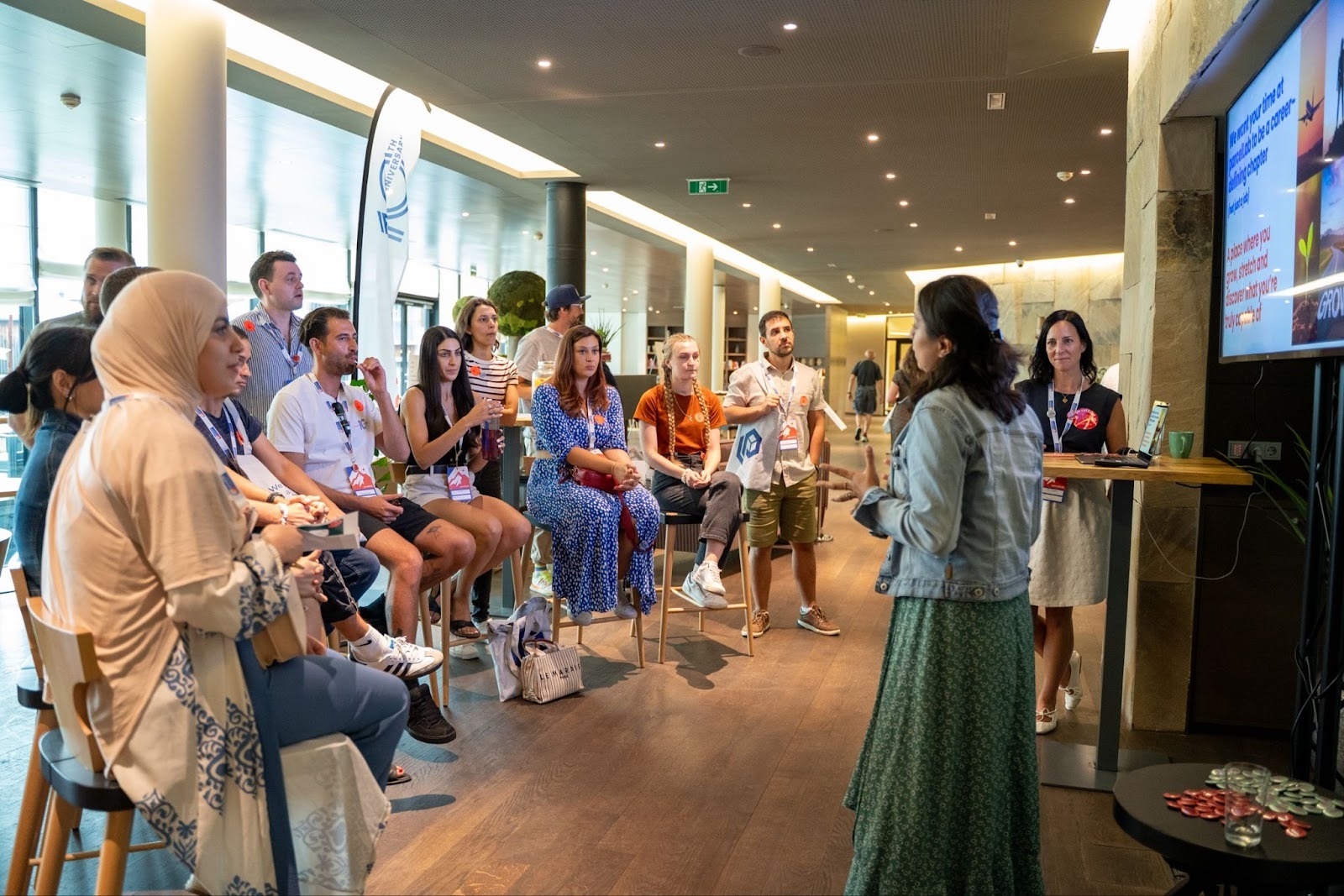
As we saw above, the most effective retreats move beyond simple "team bonding" to solve real organizational challenges, integrate company values, and create long-term impact that's both measurable and meaningful.
That means intentional goal-setting, careful agenda design, and precise measurement of outcomes at every stage.
Go further: our exhaustive guide on corporate retreats.
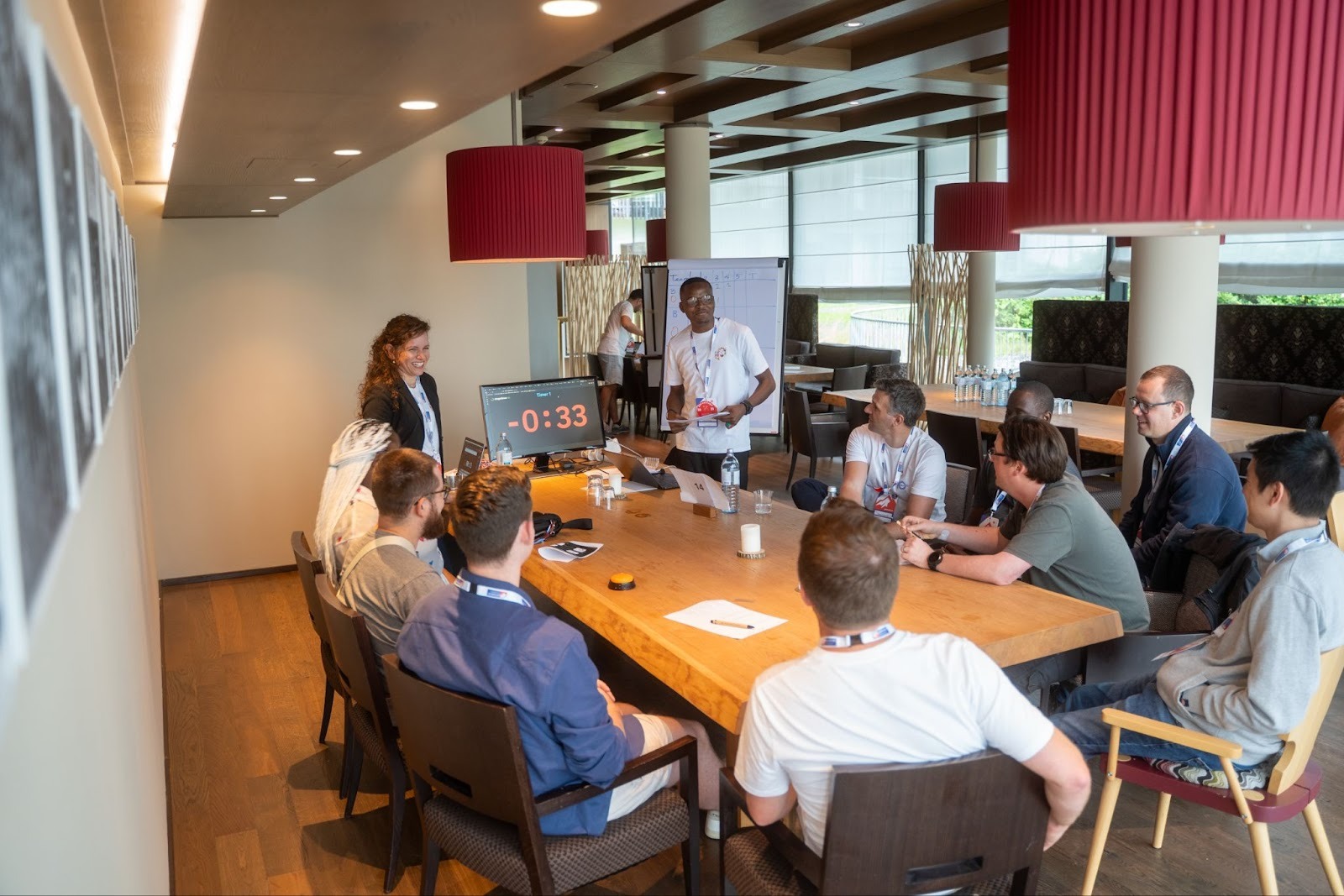
Go further: Creating your Business Retreat agenda.
Go further: Ways to keep the flame alive after a retreat.
Company retreats have changed over the last 10 years. Organizations are increasingly shifting from annual "team-bonding" events to more regular and strategic offsites. This is due to the evolving landscape of remote and hybrid work, as well as changing employee expectations that demand more meaningful engagement and leadership, which require more measurable outcomes. Successful retreats are now seen as powerful engines for real culture change and strategic alignment.
From practical insider warnings to new secret locations, get our monthly, genuinely spam-free newsletter.
Subscribe now
%20(4).jpeg)