%20(1).jpeg)
How to Build a Thriving Team Culture in Large Organizations
TL;DR: You don’t need a 200-page playbook to build a great team culture in a big company. Pietro Boccaccini shows how psychological safety, curiosity, a bit of healthy debate, and actually caring about people, not just numbers, can turn your team into one that thrives on change.
You know it: team dynamics, especially in a massive organization, can feel like steering a ship through a storm. The bigger the enterprise, the easier it is for teams to get stuck under bureaucratic rules and “play-it-safe” mindsets that slowly disengage team members from the workplace culture.
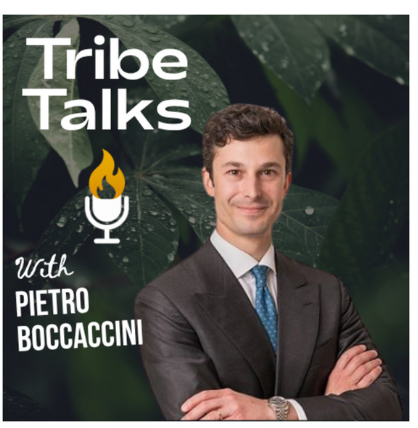
In one of our Tribe Talks podcast episodes, we sat down with Pietro Boccaccini, a seasoned leader in privacy, data protection, and AI law who has spent over a decade advising global multinationals. When Pietro stepped into his current role, he was handed a blank canvas: build an enterprise-level legal team completely from scratch.
What he created can serve as a blueprint for any leader trying to foster trust and innovation in complex corporate structures.
In high-stakes corporate environments, especially compliance, tech, and law, the default mindset is often risk mitigation. People tend to stick to traditional playbooks and to do what has been done before.
Pietro argues that to innovate within rigid corporate bounds, leaders need to encourage what he calls “smart foolishness actively.”
That means looking past the usual boxes, asking the seemingly ‘silly’ questions, and trying things that haven’t been tried before. When people feel safe to throw out weird ideas without getting shot down, you find solutions you’d never see otherwise.
When cross-departmental teams fall out, it’s usually because people speak different ‘work languages.’ Put lawyers, AI folks, and product managers together, and you’ll get friction from different jargon, different priorities, and goals that don’t always match up.
Most leaders try to smooth over conflict. Pietro actually leans in.
If people feel safe, disagreement can actually make your strategy better. Take building an AI compliance framework: the tension between a developer who wants to move fast and a lawyer who wants to manage risk isn’t a problem to fix. Use it to build something that’s both cutting-edge and actually legal.
Real innovation comes from friction together with shared goals.
The key is to let people argue about how, but always bring it back to what you’re all trying to achieve.

Dashboards and KPIs show what your team gets done, but not how your team is actually doing. If you only look at the numbers, you’ll miss the early signs of burnout or quiet quitting.
Pietro’s approach to measuring team health relies heavily on real-time, informal observation:
Catching disconnection early through informal check-ins allows you to adjust workloads and responsibilities long before an employee hands in their resignation.
One of Pietro’s best tips: rethink how you see people moving on. In big companies, leaders often see someone leaving for another team or client as a loss.
Pietro sees it as a win. If you help people leave well, they become your biggest fans, future partners, and maybe even clients. Supporting your team’s real career goals, even if it means they move on, builds a culture that top talent actually wants to join.

Let’s start with some easy wins you can actually try this week:
Foster Curiosity: dedicate 15 minutes in your next team meeting to brainstorm “unconventional” solutions to an ongoing challenge.
Bridge Silos: Run a quick session with a team you barely work with. You might be surprised what fresh eyes can do.
Track Team Health: Skip one formal status update and do a few informal 1:1s just to talk about how people are really doing.
Building a culture people trust in a big company takes real effort, day in, day out. It’s about leadership, safety, and making sure everyone is on the same page.
At Campfire, we help leaders and enterprise teams design cultures that thrive amid complexity and constant change.
Psychological safety, shared goals, transparent communication, multi-disciplinary collaboration, and a willingness to experiment are the pillars of a resilient enterprise team culture.
Managers can reframe conflict by focusing discussions on shared goals and encouraging open dialogue while guiding the team toward convergence, which allows differing perspectives to strengthen the final strategy.
Key warning signs include decreased participation in discussions, hesitant communication, reluctance to flag risks, and regular overwork or late-night activity.
Traditional KPIs track quantitative output, but it is the qualitative signals, such as team mood, psychological safety, work-life balance, and feedback, that offer real-time indicators of long-term team sustainability and morale.
From practical insider warnings to new secret locations, get our monthly, genuinely spam-free newsletter.
Subscribe now
%20(4).jpeg)